
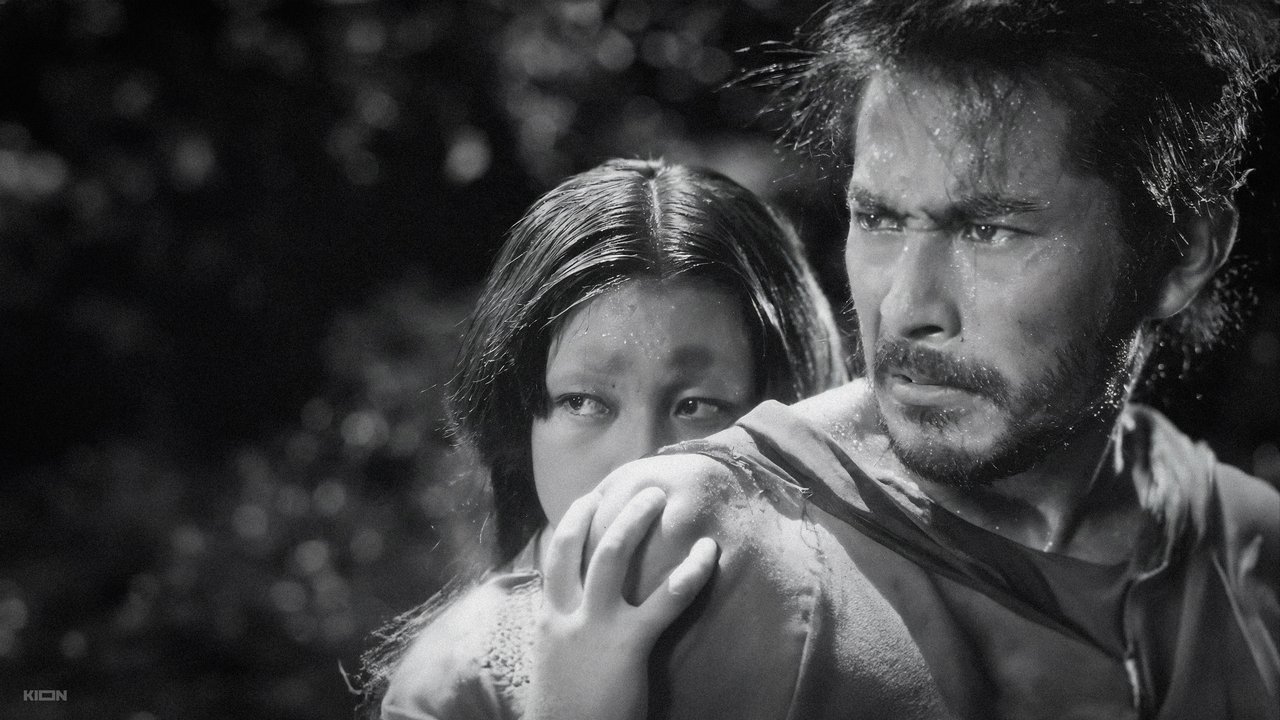
Rashomon (1950)
Four people recount different versions of the story of a man's murder and the rape of his wife.
What people think about Rashomon
Rashomon is the kind of film that doesn’t just tell a story—it makes you feel the ground shift under the very idea of truth, and it does so with a confidence that still feels modern. Kurosawa turns a crime into a prism, letting each retelling refract the same event into something newly persuasive, newly unsettling, and the result is as gripping as any mystery because you’re not only asking what happened, but why each person needs their version to be real. The performances are vivid and human—Toshirō Mifune’s feral charisma, Machiko Kyō’s aching volatility, Takashi Shimura’s quiet moral gravity—matched by camerawork and photography so alive you can practically feel the heat, the rain, and the moral murk of the forest. It’s not a cozy watch, given its subject matter and emotional intensity, but if you’re on the fence, this is one of those rare classics that earns its reputation by being endlessly watchable and endlessly debatable.
Rashomon is trying to do something genuinely ambitious: turn a crime story into a razor-sharp study of how people bend truth to protect their pride, and it largely succeeds through Kurosawa’s direction and a magnetic, feral performance from Toshirō Mifune. But if you’re expecting a conventional mystery that builds to a clean solution, this can feel talky, repetitive, and very deliberate, with the same event revisited in ways that test your patience before the film fully clicks. It also deals with rape and murder in a frank, unsettling way, so it’s not a casual watch. If you’re up for a landmark classic that’s more about perspective and human nature than plot momentum, it’s rewarding; if you need brisk pacing and tidy answers, this probably isn’t your night.
Cast



Crew
- Director
- Akira Kurosawa
- Producers
- Masaichi NagataJingo Minoura
- Music
- Fumio Hayasaka
- Cinematography
- Kazuo Miyagawa
- Editing
- Akira Kurosawa
Details
- Released
- August 26, 1950
- Language
- Japanese
- Studio
- Daiei Film
- IMDb
- tt0042876