
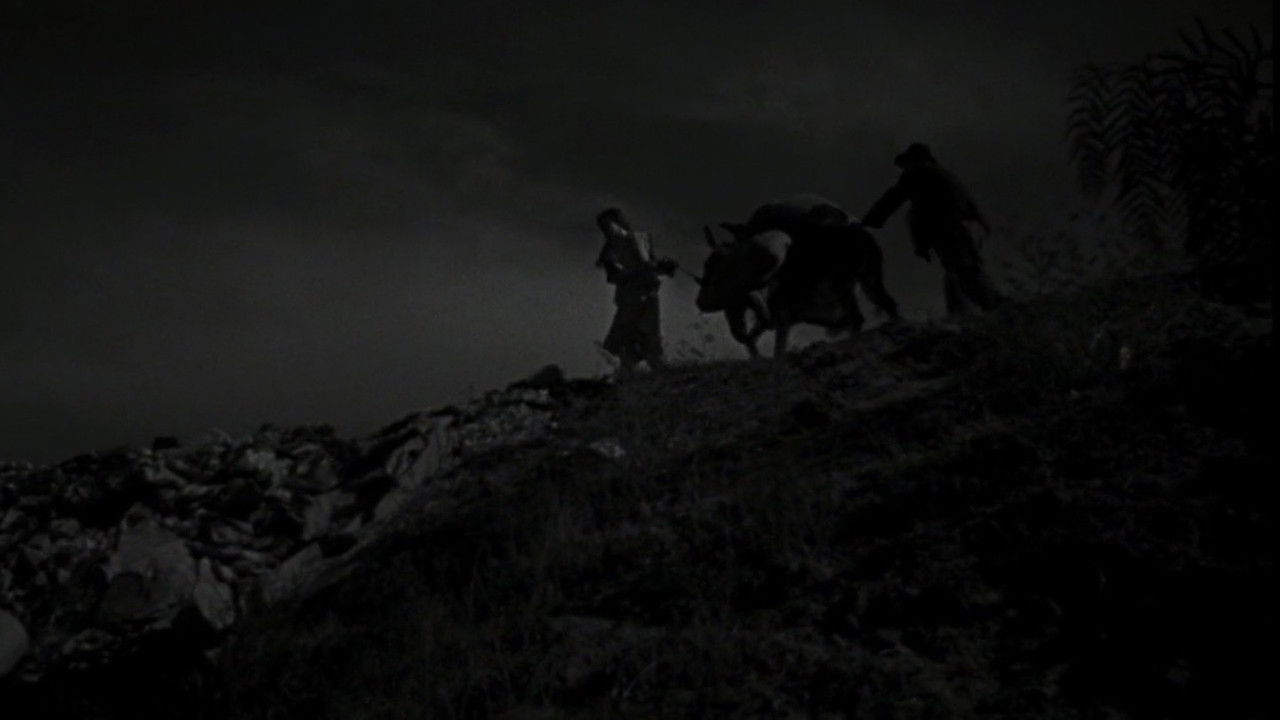
The Young and the Damned (1950)
A group of juvenile delinquents live a violent life in the infamous slums of Mexico City; among them Pedro, whose morality is gradually corrupted and destroyed by the others.
What people think about The Young and the Damned
What makes The Young and the Damned so special is its refusal to romanticize hardship: Buñuel looks straight at poverty and juvenile violence and finds, beneath the brutality, a fierce, human tragedy shaped by a world that gives kids almost no chance. The film has the gritty immediacy of street-level realism, yet it’s guided by a master’s eye—every scene feels purposeful, every moral compromise tightening like a knot. It’s a crime drama where the real suspense isn’t “what happens,” but how easily a boy’s hope can be bent, bought, and finally broken by the people and systems around him. This is not a comforting watch, and it won’t be for viewers seeking uplift, but if you want cinema that hits hard, thinks clearly, and lingers long after the final frame, it’s essential.
The Young and the Damned is Buñuel aiming a harsh, unblinking spotlight at poverty, neglect, and how easily kids get chewed up by a system that offers them nothing—so don’t expect uplift, comfort, or tidy moral lessons. It’s deliberately bleak and sometimes shocking in its casual violence, with a tone that can feel punishing if you’re looking for a crime drama that’s “entertaining” rather than accusatory. The film’s power is in its raw realism and ruthless momentum, but that same honesty can come off as relentless and emotionally draining. If you’re not in the mood for a grim, socially conscious tragedy that leaves you angry more than satisfied, this probably isn’t your night.
Cast





Crew
- Director
- Luis Buñuel
- Writers
- Luis AlcorizaLuis Buñuel
- Producers
- Óscar Dancigers
- Music
- Gustavo Pittaluga
- Cinematography
- Gabriel Figueroa
- Editing
- Carlos Savage
Details
- Released
- December 9, 1950
- Language
- Spanish
- Studio
- Ultramar Films
- IMDb
- tt0042804