
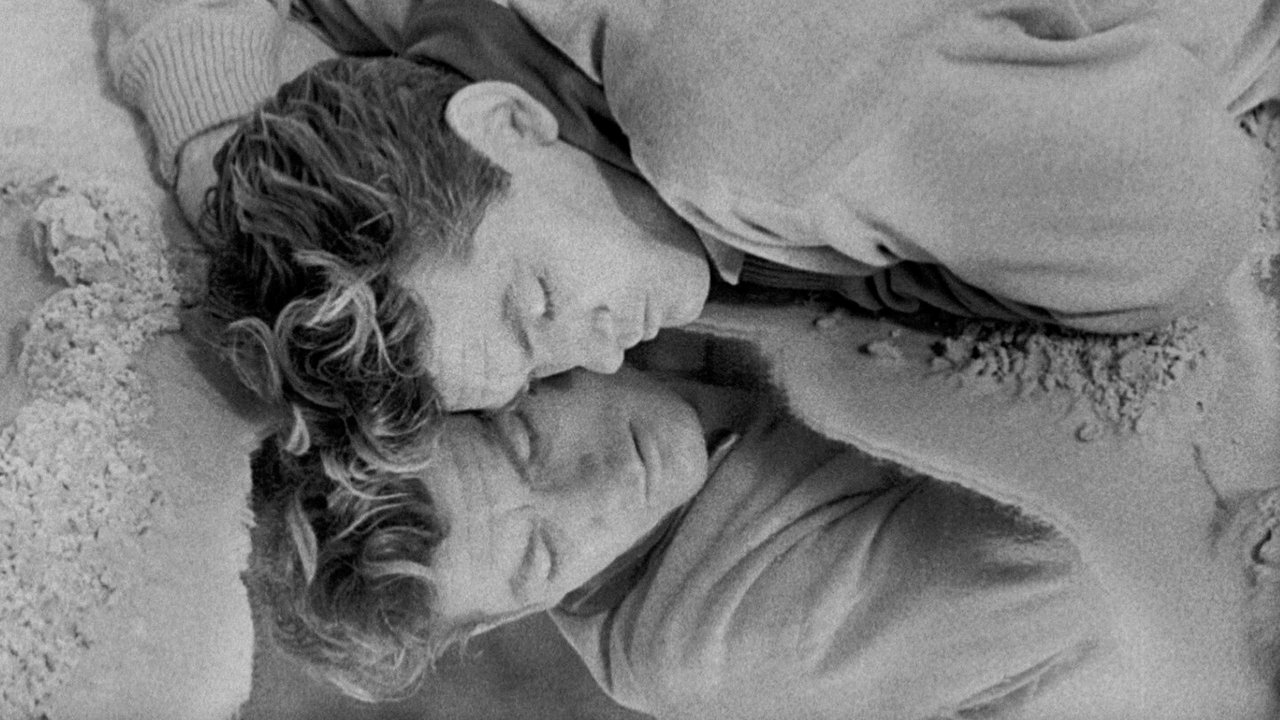
Orpheus (1950)
A famous poet in postwar Paris, scorned by the Left Bank youth, is in love with both his wife Eurydice and a mysterious princess. Seeking inspiration, the poet becomes obsessed and follows the princess from the world of the living to the land of the dead.
What people think about Orpheus
Orpheus feels like cinema discovering its own secret passageways: Jean Cocteau turns postwar Paris into a haunted playground where poetry crackles over car radios and mirrors become doorways, all with effects so simple they’re still startlingly magical. It’s a romance and a reckoning, steeped in foggy, elegant atmosphere, where desire, vanity, and inspiration drift through the frame like perfume you can’t quite place. Jean Marais gives the poet a proud, wounded humanity, while María Casares’ Death carries an icy tenderness that makes the fantasy feel strangely intimate. The symbolism is rich and the pacing deliberately hypnotic, so it may not satisfy if you want brisk realism—but if you’re open to a dream that thinks like a poem, it’s unforgettable.
Orpheus is Jean Cocteau trying to turn a classic myth into a dreamy, postwar Paris fever vision about art, ego, and love—the kind of film that cares more about mood and ideas than tidy storytelling. The catch is that it moves at a deliberate, almost trance-like pace, and the symbolism is thick enough that if you’re not in the right headspace, it can feel distant or self-serious rather than emotionally gripping. If you want clear rules, straightforward romance, or plot-first fantasy, this may test your patience. But if you’re open to surreal imagery, poetic dialogue, and a haunting atmosphere (with a striking performance from María Casares as Death), it’s a quietly hypnotic classic that rewards viewers who like to interpret rather than be told.
Cast
 Jean MaraisOrphée
 François PérierHeurtebise
 María CasaresDeath
 Marie DéaEurydice
 Henri CrémieuxEditor
 Juliette GrécoAglaonice
 Roger BlinThe Poet
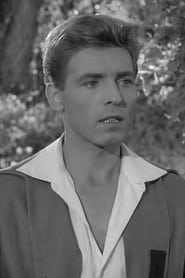 Édouard DermitheJacques Cégeste
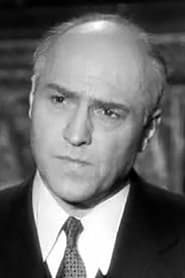 André CarnègeJudge
- RRené WormsJudge
- RRaymond FaureJournalist
 Pierre BertinCommissioner
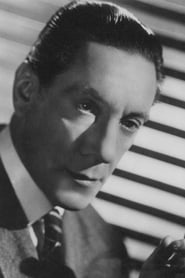 Jacques VarennesJudge
 Paul AmiotJudge (uncredited)
 Philippe BordierYoung Man at Café des Poètes (uncredited)
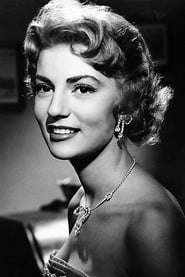 Claude BorelliUne bacchante (uncredited)
- JJean-Louis BrauYoung Man on the Terrace of the Flora (uncredited)
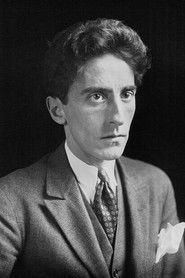 Jean CocteauNarrator (voice) (uncredited)
Crew
- Director
- Jean Cocteau
- Writers
- Jean Cocteau
- Producers
- André Paulvé
- Music
- Georges Auric
- Cinematography
- Nicolas Hayer
- Editing
- Jacqueline Sadoul
Details
- Released
- September 29, 1950
- Language
- French
- Studio
- Films du Palais Royal, Andre Paulve Film
- IMDb
- tt0041719