
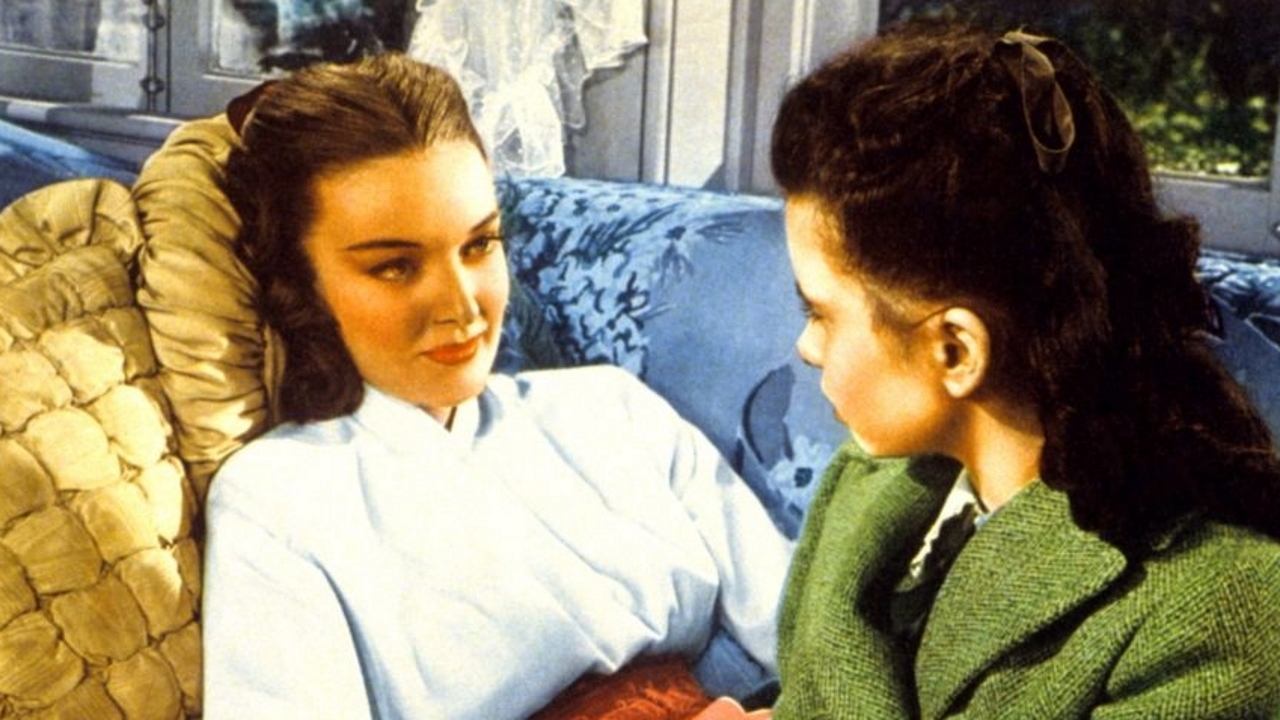
The Unfinished Dance (1947)
Meg, a young ballet student, idolizes the school's top ballerina, the shallow Ariane Bouchet. Meg is distressed when she learns visiting prima ballerina Darina rather than Bouchet will play the lead in the school's production of "Swan Lake." So on opening night, Meg arranges an accident which nearly kills Darina and ends her dancing career. As a result, Bouchet becomes a star, while Meg is torn with guilt. This is a remake of the 1937 French film "Ballerina", based on a short story by Paul Morand.
What people think about The Unfinished Dance
The Unfinished Dance is the kind of glossy, emotionally bruising Hollywood melodrama they don’t really make anymore—set in the rarified world of ballet, where beauty and ambition can feel like the same thing until they suddenly don’t. Shot in sumptuous Technicolor, it turns backstage corridors and stage lights into a fever dream of longing and jealousy, and it’s anchored by Margaret O’Brien, whose performance is so vivid and aching you can practically feel every conflicted heartbeat. The film treats its women not as ornaments but as forces—flawed, driven, and fiercely human—while letting the myth of “Swan Lake” hover like a promise and a threat. If you’re allergic to high emotions and old-school studio intensity, it may feel heightened, but if you want a classic that goes for the jugular and earns its tears, this is an unsung gem worth discovering.
The Unfinished Dance is clearly aiming for a glossy backstage melodrama about obsession, hero worship, and the ugly consequences of ambition, with ballet as its emotional engine. The problem is it often feels more decorative than convincing: the tone can get saccharine, the drama leans on broad acting, and the dancing itself isn’t strong enough to sell the high-stakes world it wants you to buy into. Margaret O’Brien’s intensity will either work for you or feel like an overplayed “cute-but-angry” performance, and Danny Thomas is simply a weak link. If you’re expecting a gripping ballet film or something on par with its French predecessor, you may leave disappointed, but if you can tolerate old-Hollywood sentimentality and want a melodrama with a few earnest moments, it’s passable.
Cast


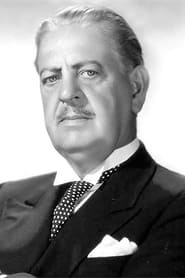

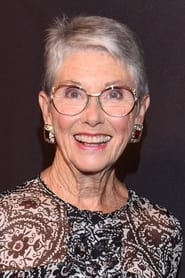

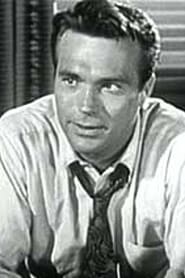
Crew
- Director
- Henry Koster
- Writers
- Myles ConnollyPaul Morand
- Producers
- Joe Pasternak
- Cinematography
- Robert Surtees
- Editing
- Douglass Biggs
Details
- Released
- September 19, 1947
- Language
- English
- Studio
- Metro-Goldwyn-Mayer
- IMDb
- tt0039938