
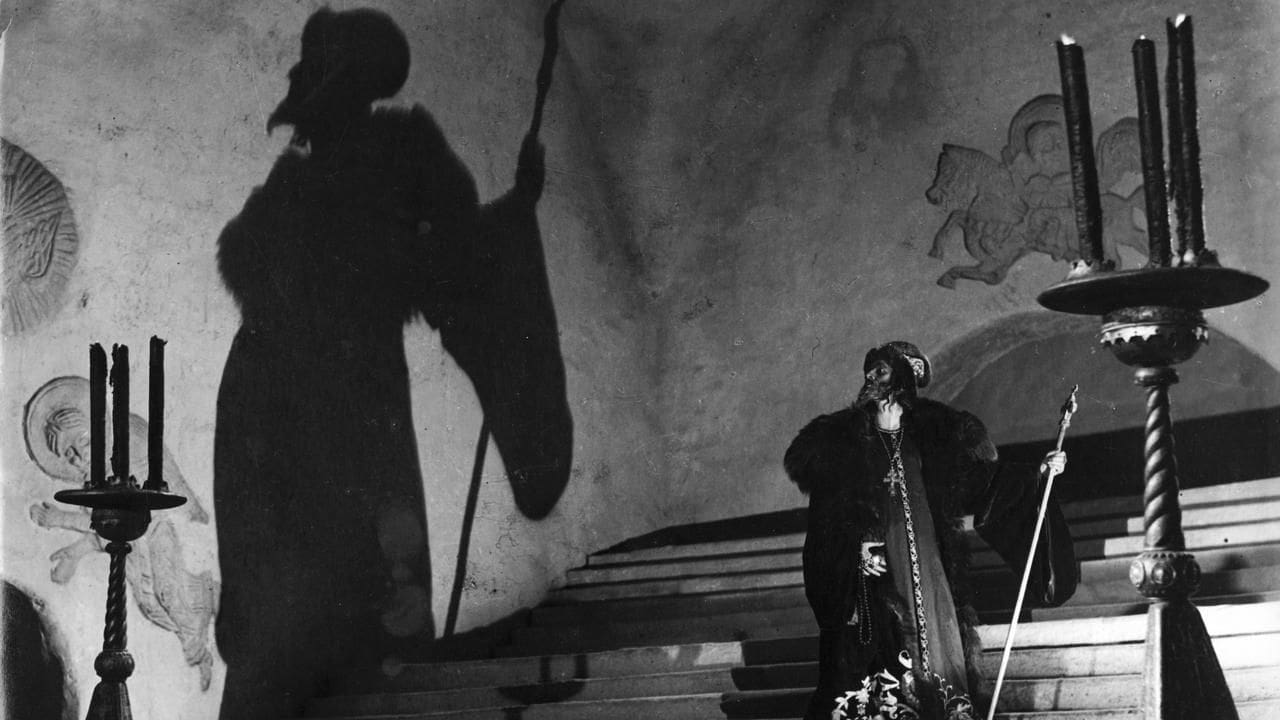
Ivan the Terrible, Part I (1944)
Set during the early part of his reign, Ivan faces betrayal from the aristocracy and even his closest friends as he seeks to unite the Russian people. Sergei Eisenstein's final film, this is the first part of a three-part biopic of Tsar Ivan IV of Russia, which was never completed due to the producer's dissatisfaction with Eisenstein's attempts to use forbidden experimental filming techniques and excessive cost overruns. The second part was completed but not released for a decade after Eisenstein's death and a change of heart in the USSR government toward his work; the third part was only in its earliest stage of filming when shooting was stopped altogether.
What people think about Ivan the Terrible, Part I
Ivan the Terrible, Part I isn’t just a historical drama—it’s cinema carved in stone, a film where every frame feels designed with the force of a royal decree. Eisenstein turns court intrigue and national destiny into a feverish pageant of shadows, angles, and faces lit like icons, letting composition and camerawork do as much storytelling as dialogue ever could. The mood is solemn, hypnotic, and grandly theatrical, with a score that swells like a cathedral choir and makes Ivan’s world feel both intimate and monumental. It’s not the easiest watch if you want naturalism or brisk pacing, but if you’re even slightly tempted by visual mastery and the thrill of watching a director think in images, this is the kind of film that reminds you why movies can be art.
Ivan the Terrible, Part I is trying to be a monumental, state-sized portrait of power: a ruler forging unity while being hemmed in by treachery, ritual, and history. Eisenstein delivers striking compositions, theatrical lighting, and pageantry that practically turns politics into iconography, which can be thrilling if you like cinema as visual architecture. But don’t expect a warm, character-driven biopic—the performances are stylized, the storytelling can feel choppy, and the emotional distance is real, making the whole thing come off grandiose and oddly static. If you’re patient with formal, operatic filmmaking and want a masterclass in mood and symbolism, it’s worth your time; if you need momentum, naturalism, and human intimacy, this will likely feel like homework with great visuals.
Cast
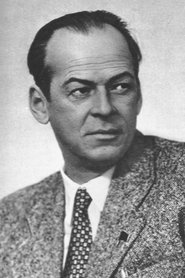 Nikolai CherkasovCzar Ivan IV
 Lyudmila TselikovskayaCzarina Anastasia Romanovna
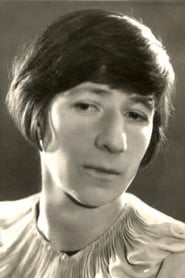 Serafima BirmanBoyarina Efrosinia Staritskaya
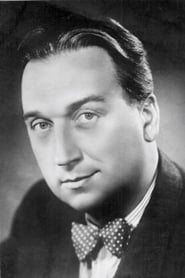 Mikhail NazvanovPrince Andrei Kurbsky
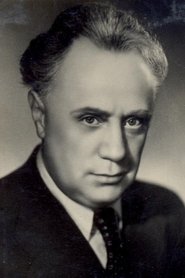 Mikhail ZharovCzar's Guard Malyuta Skuratov
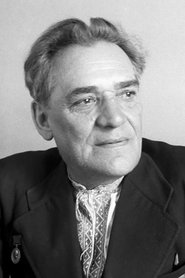 Amvrosii BuchmaCzar's Guard Aleksei Basmanov
 Mikhail KuznetsovFyodor Basmanov
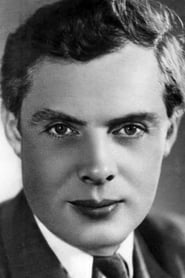 Pavel KadochnikovVladimir Andreyevich Staritsky
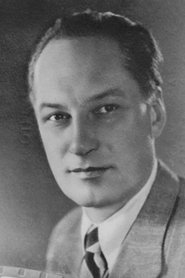 Andrei AbrikosovBoyar Fyodor Kolychev
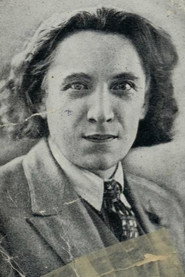 Alexander MgebrovNovgorod's Archbishop Pimen
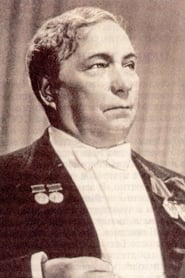 Maxim MikhaylovArchdeacon
 Vladimir BalashovPiotr Volynetz
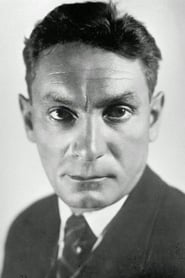 Vsevolod PudovkinNikola, Simpleton Beggar
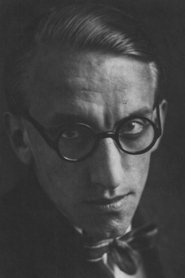 Semyon TimoshenkoKaspar von Oldenbock, Livonian Ambassador
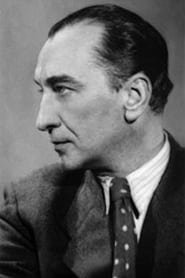 Aleksandr RumnyovThe Stranger
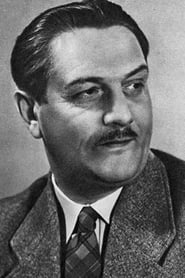 Pavel MassalskySigismond, King of Poland
- VValentina KuznetsovaSmiling Woman in the Church (uncredited)
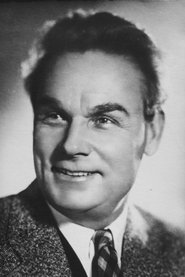 Sergey Stolyarov(uncredited)
Crew
- Director
- Sergei Eisenstein
- Writers
- Sergei Eisenstein
- Producers
- Sergei Eisenstein
- Music
- Sergei Prokofiev
- Cinematography
- Andrey MoskvinEduard Tisse
- Editing
- Sergei Eisenstein
Details
- Released
- November 11, 1944
- Language
- Russian
- Studio
- Mosfilm, TsOKS
- IMDb
- tt0037824