

The House I Live In (1945)
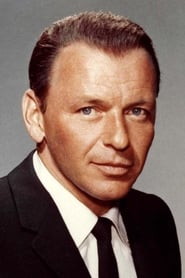
Frank Sinatra teaches a group of young boys a lesson in religious tolerance.
What people think about The House I Live In
The House I Live In is one of those rare little films that feels like a time capsule and a moral compass at the same time—simple, direct, and still disarmingly moving. In just a short runtime, Frank Sinatra brings an unforced warmth and sincerity that turns a street-corner lesson into something quietly powerful, blending drama with a musical, patriotic glow that’s more about shared humanity than flag-waving. Its message of tolerance and anti-bigotry lands with the plainspoken clarity of a song you can’t shake, which helps explain why it earned such lasting recognition and honors. If you prefer subtle, ambiguous storytelling you might find it a bit earnest, but if you’re open to a heartfelt piece of American pop culture that aims to make people better, it’s absolutely worth your time.
The House I Live In is clearly aiming to be a heartfelt wartime plea for religious tolerance, using Frank Sinatra’s star power and music to reach as many people as possible. The problem is it doesn’t trust you to get the point, so the message lands with a heavy thud—preachy, sentimental, and pretty dated in both tone and presentation. If you’re allergic to hokey “lesson” storytelling or you don’t want your drama served with a side of moral lecturing and singing, this will test your patience. That said, as a time capsule of 1940s pop culture and a sincere (if blunt) statement of values, it can still be worth a short watch for the right viewer.
Cast

Crew
- Director
- Mervyn LeRoy
- Writers
- Albert Maltz
- Producers
- Mervyn LeRoyFrank Ross
- Cinematography
- Robert De Grasse
- Editing
- Philip Martin
Details
- Released
- November 9, 1945
- Language
- English
- Studio
- Frank Ross Productions
- IMDb
- tt0037792