

Lifeboat (1944)
During World War II, a small group of survivors is stranded in a lifeboat together after the ship they were traveling on is destroyed by a German U-boat.
What people think about Lifeboat
What makes Lifeboat so special is how Hitchcock turns a single cramped lifeboat into an entire battlefield of nerves, ethics, and survival—no sweeping fronts, just human nature under pressure. The suspense doesn’t come from chase scenes so much as from glances, arguments, and the creeping realization that every decision has a cost, and the cast—especially Tallulah Bankhead’s razor-sharp presence—makes the confined setting feel alive and unpredictable. It’s a lean, adult wartime drama that grips you through sheer construction and control, building tension the way a storm builds on the horizon. Fair warning: it’s talkier and more morally thorny than action-driven, but if you want a film that still feels urgent in how it tests character, this one earns its reputation.
Lifeboat is Hitchcock trying to turn a wartime survival setup into a pressure-cooker moral argument, trapping a cross-section of people in one tiny space and watching their principles crack. The catch is that it’s deliberately stagey: lots of talk, pointed symbolism, and character types that can feel more like chess pieces than fully lived-in humans. If you want convincing sea action or a deeply emotional survival story, this may come off as calculated and oddly detached despite the grim stakes. But if you’re up for a tense, dialogue-driven chamber drama with sharp performances and uncomfortable questions about trust and enemy humanity, it’s a lean, provocative watch.
Cast

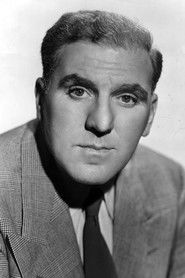
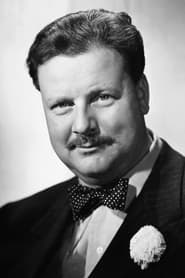


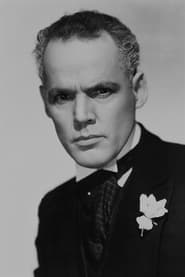

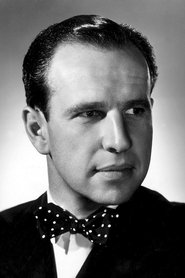
Crew
- Director
- Alfred Hitchcock
- Music
- Hugo Friedhofer
- Cinematography
- Glen MacWilliams
- Editing
- Dorothy Spencer
Details
- Released
- January 28, 1944
- Language
- English
- Studio
- 20th Century Fox
- IMDb
- tt0037017