
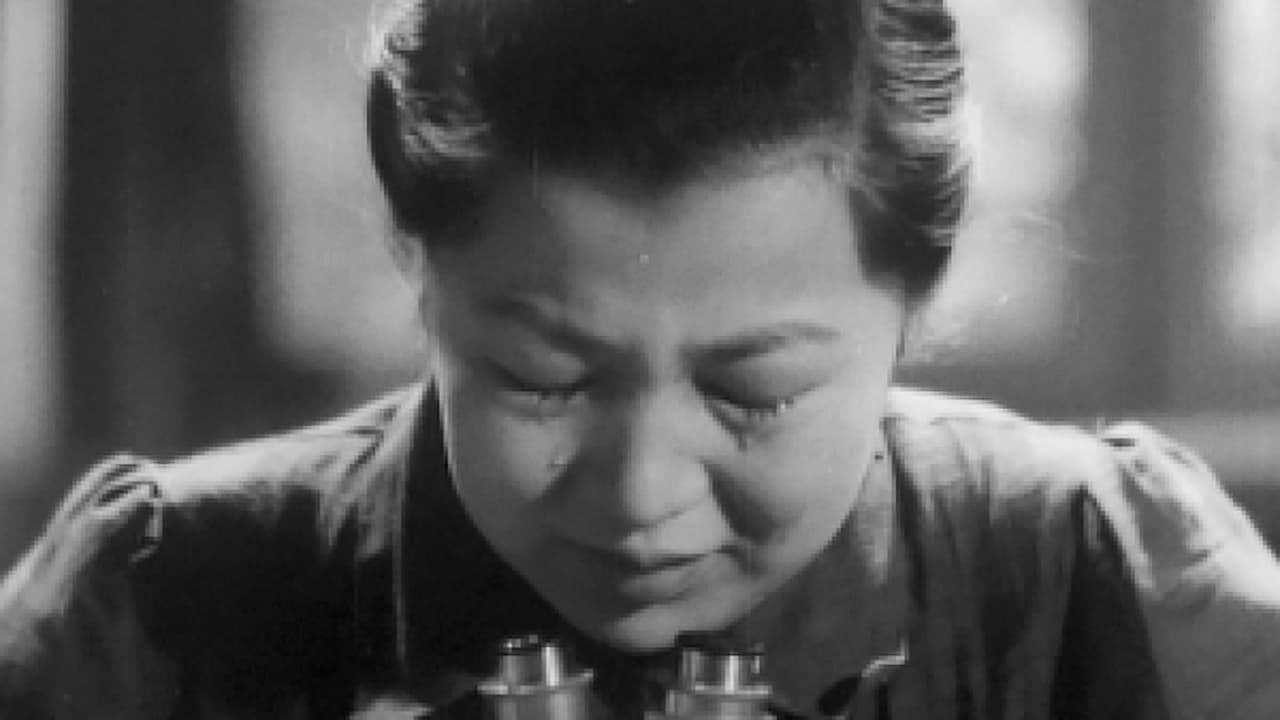
The Most Beautiful (1944)
Young women at a precision optics factory in wartime Japan push to exceed production quotas, enduring illness, injury, and personal hardship to “serve the country.” Led by Tsuru Watanabe, they fight fatigue and setbacks to keep their line moving—even when duty collides with grief.
What people think about The Most Beautiful
What makes The Most Beautiful quietly remarkable is how it turns wartime propaganda into something unexpectedly intimate: a semi-documentary portrait of young factory women whose daily grind becomes its own battlefield. You can feel Akira Kurosawa sharpening his craft in the crisp, procedural rhythms of the optics line, the tactile focus on hands and machines, and the way exhaustion and resolve register in faces rather than speeches. The tone is sober, industrious, and oddly hypnotic—more about endurance than heroics—finding flashes of visual poetry in routine and strain. It’s not for everyone if you’re allergic to patriotic messaging or want a conventional war narrative, but if you’re curious about Kurosawa in formation and cinema that observes work with near-documentary honesty, it’s a compelling watch.
The Most Beautiful is clearly aiming to honor wartime factory women and sell the idea of collective sacrifice as something noble, and as a time capsule of 1940s Japan it does have a certain documentary-like fascination. But let’s not pretend it’s subtle: the message is hammered in with propaganda certainty, the characters are more symbols than people, and the drama often feels pre-approved rather than earned. The pacing can drag because you’re watching endurance and duty repeated in slightly different forms, with few surprises and little emotional complexity. If you’re looking for a gripping war drama with layered perspectives, this will likely feel stiff and predictable; if you’re interested in film history, ideology on screen, or Kurosawa completism, it’s easier to appreciate on those terms.
Cast
 Takashi ShimuraChief Goro Ishida
 Shōji KiyokawaSoichi Yoshikawa, Chief of General Affairs Section
 Ichirō SugaiKen Shinda, Chief of Labor Section
 Takako IrieNoriko Mizushima, dorm mother
 Yôko YaguchiTsuru Watanabe, president of women workers
- SSayuri TanimaYuriko Tanimura, vice president of women workers
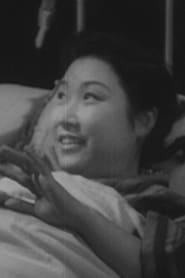 Sachiko OzakiSachiko Yamazaki
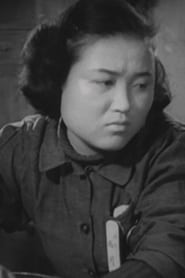 Shizuko NishigakiFusae Nishioka
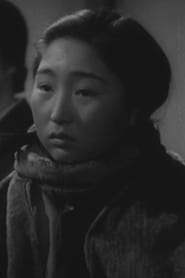 Asako SuzukiAsako Suzumura
- HHaruko ToyamaMasako Koyama
- AAiko MasuTokiko Hiroda
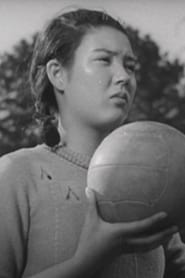 Kazuko HitomiKazuko Futomi
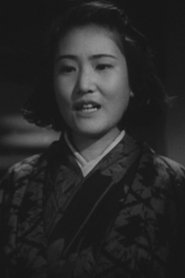 Shizuko YamadaHisae Yamaguchi
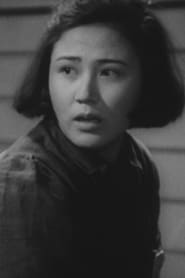 Itoko KonoSue Okabe
- EEmiko ReiChie Shima (uncredited)
- HHaruko MiiHaruko Kawai (uncredited)
- MMinori ToyoharaMinori Yoyota (uncredited)
- EEiko HirayamaYoshiko Shirayama (uncredited)
Crew
- Director
- Akira Kurosawa
- Writers
- Akira Kurosawa
- Producers
- Motohiko ItōJin Usami
- Cinematography
- Jōji Ohara
Details
- Released
- April 13, 1944
- Language
- Japanese
- Studio
- TOHO
- IMDb
- tt0036947