
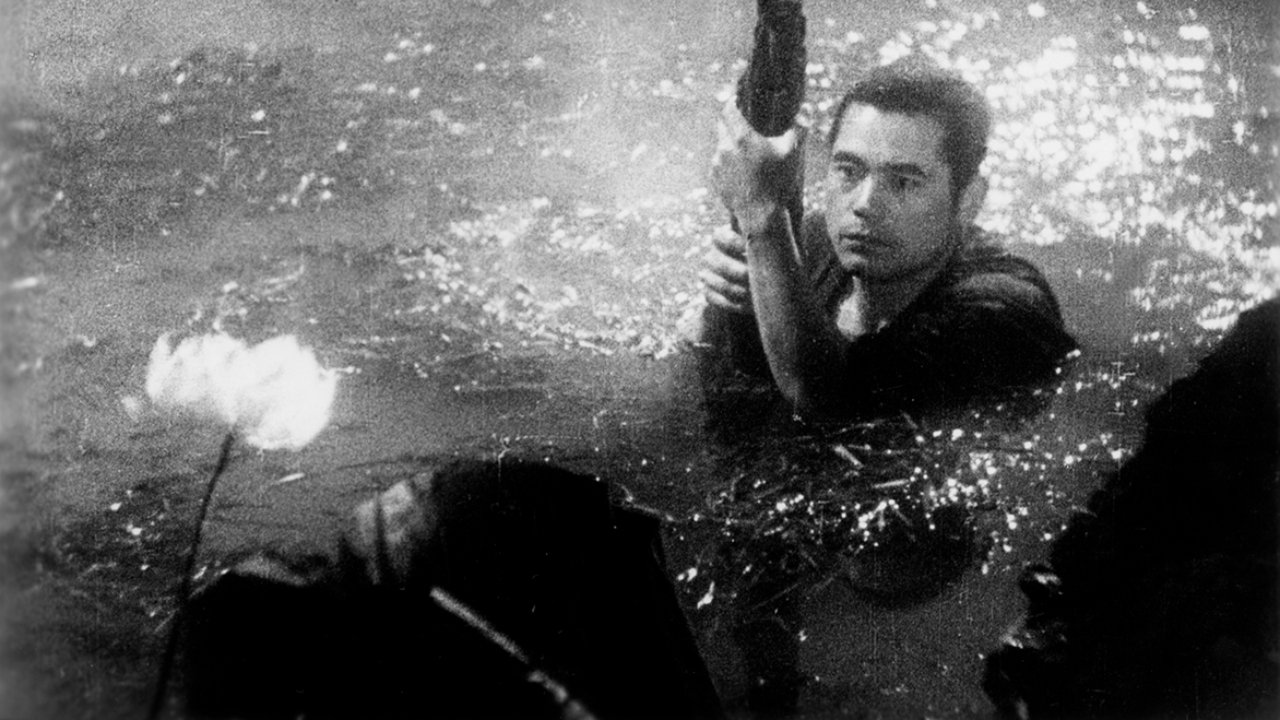
Sanshiro Sugata (1943)
A hotheaded youth in 1880s Meiji Japan apprentices to judo master Shōgorō Yano, trading brute jujutsu bravado for discipline and humility. As Sanshirō matures, he proves judo’s spirit against old-guard challengers—including a deadly duel—while falling for his vanquished opponent’s daughter. Based on the novel by Tsuneo Tomita, son of Tomita Tsunejirō, the earliest disciple of judo.
What people think about Sanshiro Sugata
Sanshiro Sugata is the kind of debut that makes you sit up and think, “A major filmmaker has just arrived,” bursting with Akira Kurosawa’s youthful verve and a storyteller’s instinct for turning physical action into moral drama. Set in Meiji-era Japan, it follows a brash young fighter whose education in judo becomes a hard-won lesson in patience, humility, and what strength is actually for—told with crisp momentum, striking compositions, and a surprising tenderness beneath the knuckles. The bouts are exciting without being graphic, but the real hook is the way Kurosawa finds poetry in discipline: a coming-of-age where every throw feels like a step toward self-mastery. If you want wall-to-wall martial spectacle you may find it more reflective than modern fight films, but if you’re on the fence, this is a lean, beautifully crafted drama that earns its power the old-fashioned way: with clarity, conviction, and heart.
Sanshiro Sugata is Kurosawa’s early attempt to turn a martial-arts coming-of-age story into a lesson about discipline, humility, and the philosophy behind judo, and you can feel the director reaching for something bigger than a simple fight movie. The problem is that the character arcs and moral beats can play a bit blunt and “teacherly,” with rivals and romance sketched broadly rather than deeply explored, so if you’re expecting the emotional complexity of Kurosawa’s later classics, this may feel surprisingly ordinary. The pacing is also more measured than modern sports dramas, and the action—while important—often serves the message more than thrills. Still, it has flashes of visual invention and a sincere, earnest tone that will work best if you’re in the mood for a historical, values-forward drama rather than a layered character study.
Cast
 Denjirō ŌkōchiShogoro Yano
 Susumu FujitaSanshiro Sugata
 Yukiko TodorokiSayo Murai
 Ryūnosuke TsukigataGennosuke Higaki
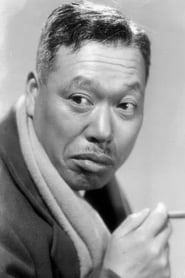 Takashi ShimuraHansuke Murai, Sayo's father
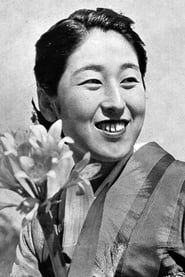 Ranko HanaiOsumi Kodana
- SSugisaku AoyamaTsunetami Iimura
 Ichirō SugaiPolice Chief Mishima
 Yoshio KosugiMaster Saburo Kodama
 Kokuten KōdōBuddhist Priest
- MMichisaburō SegawaWada
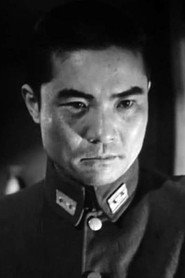 Akitake KōnoYoshima Dan
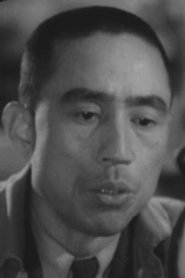 Sōji KiyokawaYujiro Toda
- KKunio MitaKohei Tsuzaki
- AAkira NakamuraToranosuki Niiseki
- EEisaburo SakauchiNemoto
- KKo YamamuroTorakichi
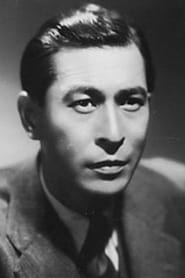 Ichirō RyūzakiMonma's pupil (uncredited)
Crew
- Director
- Akira Kurosawa
- Writers
- Akira Kurosawa
- Producers
- Keiji Matsuzaki
- Music
- Seiichi Suzuki
- Cinematography
- Akira Mimura
- Editing
- Toshio GotoAkira Kurosawa
Details
- Released
- March 25, 1943
- Language
- Japanese
- Studio
- TOHO
- IMDb
- tt0036400