
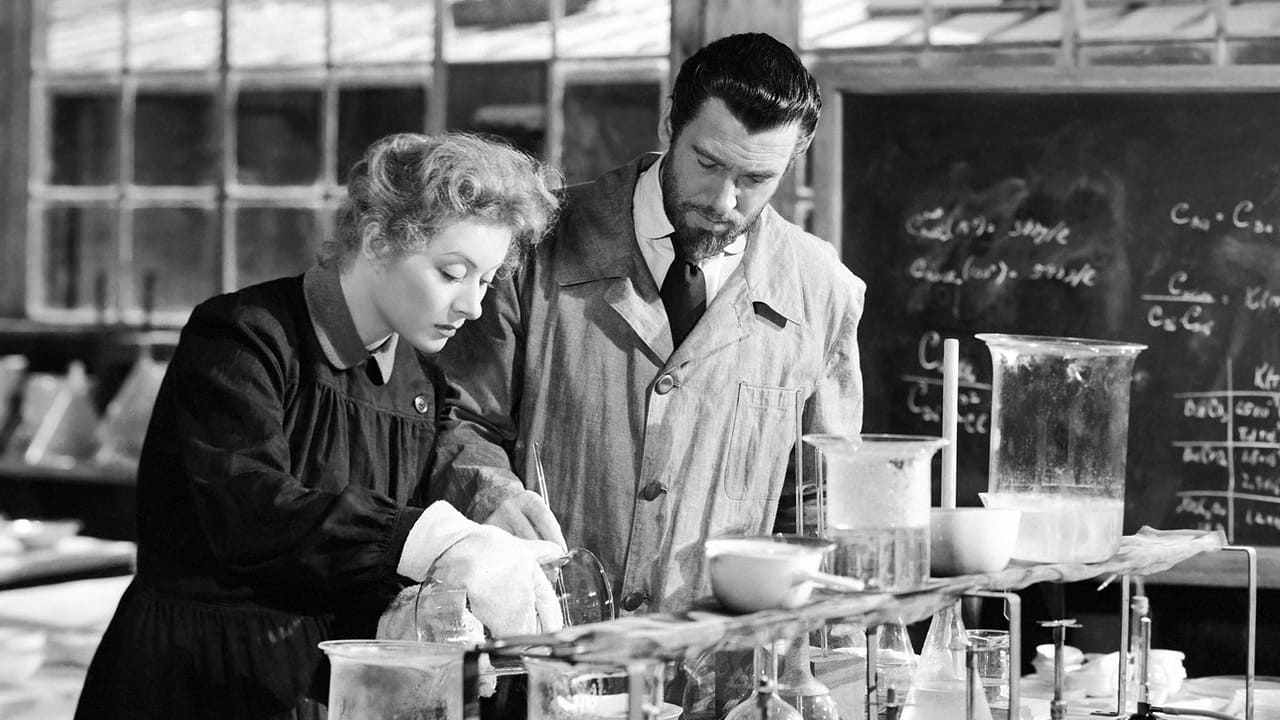
Madame Curie (1943)
Poor physics student Marie is studying at the Sorbonne in 1890s Paris. One of the few women studying in her field, Marie encounters skepticism concerning her abilities, but is eventually offered a research placement in Pierre Curie's lab. The scientists soon fall in love and embark on a shared quest to extract, from a particular type of rock, a new chemical element they have named radium. However, their research puts them on the brink of professional failure.
What people think about Madame Curie
Madame Curie is the kind of classic Hollywood drama that makes intellect feel romantic, turning late-19th-century Paris into a stage where curiosity, perseverance, and tenderness all matter equally. Greer Garson and Walter Pidgeon give the Curies a dignified, lived-in chemistry that’s less about grand gestures than the quiet thrill of two minds meeting and refusing to be diminished by doubt. The film’s elegance lies in how it treats scientific work not as dry procedure but as a calling—patient, risky, and deeply human—shot and paced with the polish of a studio picture that believes its story deserves reverence. If you prefer modern, faster biopics, it may feel measured, but if you’re open to an eloquent, inspiring portrait of devotion to both love and discovery, it’s richly rewarding.
Madame Curie is clearly aiming for an inspiring, prestige-era portrait of Marie and Pierre as partners in love and discovery, with enough romance to keep it accessible to a wide audience. The problem is it often plays like a “great person” biopic on autopilot—simplifying the science and smoothing out the messier, more interesting parts of her life into predictable beats. Some scenes lean a bit overwrought, and the direction is serviceable rather than gripping, with the back half dragging when it should feel most urgent. If you want a nuanced, sharply detailed look at Curie’s career and complexity, this may frustrate you, but if you’re in the mood for a polished, old-Hollywood inspirational drama, it still has warmth and solid performances.
Cast
 Greer GarsonMarie Curie
 Walter PidgeonPierre Curie
 Henry TraversEugene Curie
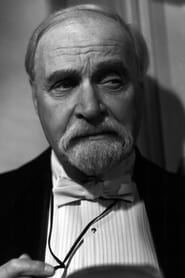 Albert BassermannProfessor Jean Perot
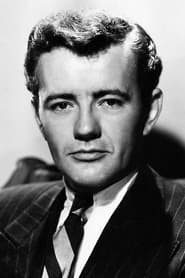 Robert WalkerDavid Le Gros
 C. Aubrey SmithLord Kelvin
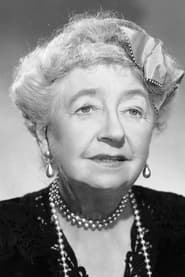 May WhittyMadame Eugene Curie
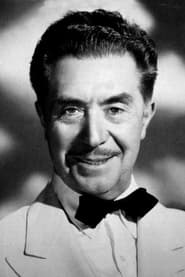 Victor FrancenPresident of University
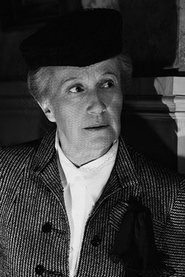 Elsa BassermannMadame Perot
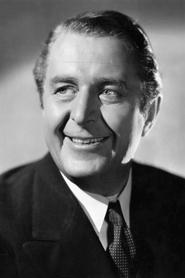 Reginald OwenDr. Becquerel
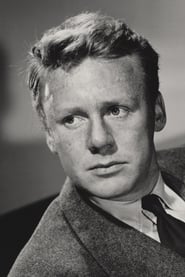 Van JohnsonReporter
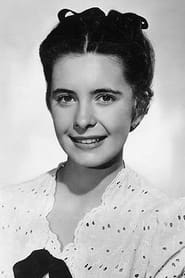 Margaret O'BrienIrene Curie - Age 5
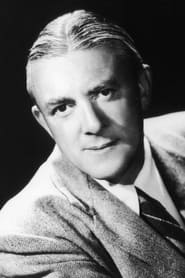 James HiltonNarration Spoken By (voice)
- MMariska AldrichTall Woman (uncredited)
- TTony CarsonMan at Accident (uncredited)
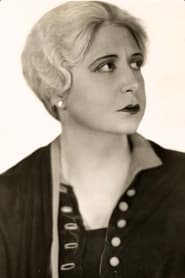 Ruth CherringtonSwedish Queen (uncredited)
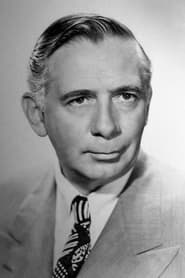 Ray CollinsLecturer (voice) (uncredited)
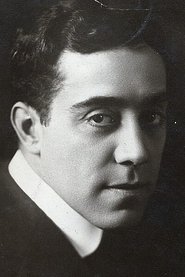 Guy D'EnneryProfessor (uncredited)
Crew
- Director
- Mervyn LeRoy
- Producers
- E.J. MannixSidney Franklin
- Cinematography
- Joseph Ruttenberg
- Editing
- Harold F. Kress
Details
- Released
- December 16, 1943
- Language
- English
- Studio
- Metro-Goldwyn-Mayer
- IMDb
- tt0036126