
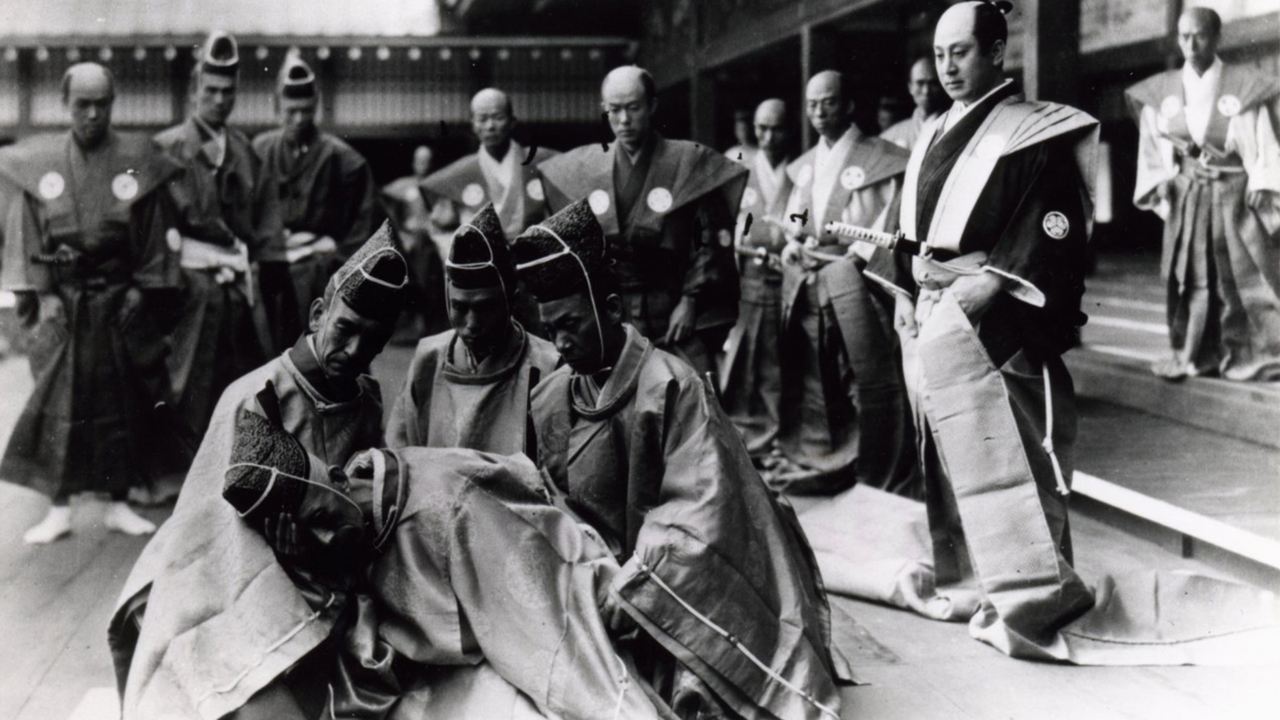
The 47 Ronin (1941)
In the early 18th-century, Lord Takumi-no-kami Asano, feuding with Lord Kira, tries to kill his opponent in the corridors of the Shogun's palace. The Shogun sentences Asano to seppuku and deprives the palace and lands from his clan, but does not punish Kira. Asano's vassals leave the land and his samurais become ronin and want to seek revenge against the Lord's dishonour. But their leader Kuranosuke Oishi seeks to restore the Asano clan with his brother Daigaku Asano. One year later, the Shogun refuses, and Oishi and 46 rōnin are out for revenge.
What people think about The 47 Ronin
What makes Kenji Mizoguchi’s The 47 Ronin special is its refusal to treat a famous legend like mere swashbuckling entertainment; instead, it becomes a solemn, absorbing meditation on duty, patience, and the quiet weight of honor. The film moves with deliberate grace, letting you feel the rituals, the rooms, and the social codes that trap its characters as surely as any prison, and in that restraint it finds a surprising emotional power. Rather than chase spectacle, Mizoguchi builds a mood of gathering inevitability—calm on the surface, devastating underneath—until every choice feels like it costs something real. If you’re expecting a fast, action-forward samurai movie, this isn’t that, but if you want a historical drama that’s dignified, haunting, and deeply human, it’s absolutely worth your time.
Mizoguchi’s The 47 Ronin is aiming for solemn, ritualistic tragedy rather than swashbuckling samurai thrills, and it treats duty, patience, and social order with near-religious seriousness. That means it can feel glacial: long stretches of formal conversation, carefully staged interiors, and an emotional distance that’s more contemplative than crowd-pleasing. If you’re coming for action or cathartic revenge, be warned the film famously withholds the big set-piece and reports key violence indirectly, which will strike some viewers as daring and others as maddening. But if you can meet it on its terms, the reward is austere beauty, meticulous period detail, and a quietly devastating sense of inevitability.
Cast
 Chōjūrō KawarasakiKuranosuke Oishi
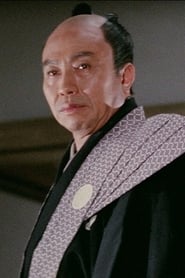 Kan'emon NakamuraSukeimon Tomimori
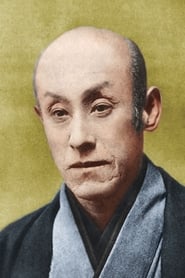 Kunitarō KawarasakiJurozaemon Isogai
- CChōemon BandōSozaemon Hara
- KKikunojo SegawaGengo Ootaka
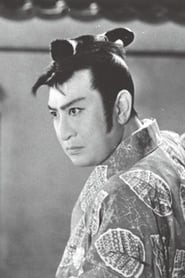 Utaemon IchikawaTsunatoyo Tokugawa
- YYoshizaburo ArashiLord Takumi-no-kami Asano
 Daisuke KatōFuwa Kazuemon
 Seizaburō KawazuLord Etchumori Hosokawa
- MMantoyo MimasuKozunosuke Kira
 Mitsuko MiuraYosenin
 Mieko TakamineOmino
- SSukezō SukedakayaChuemon Yoshida
- SShotaro IchikawaYahei Horibe
- KKikunosuke IchikawaGengoemon Kataoka
- EEnji IchikawaTadashichi Takebayashi
- SShinzo YamazakiSeimon Ooishi
- SSensho IchikawaMatsunosuke Ooishi
Crew
- Director
- Kenji Mizoguchi
- Producers
- Shintarô Shirai
- Music
- Shiro Fukai
- Cinematography
- Kōhei Sugiyama
- Editing
- Takako Kuji
Details
- Released
- December 8, 1941
- Language
- Japanese
- Studio
- Shochiku
- IMDb
- tt0033654