
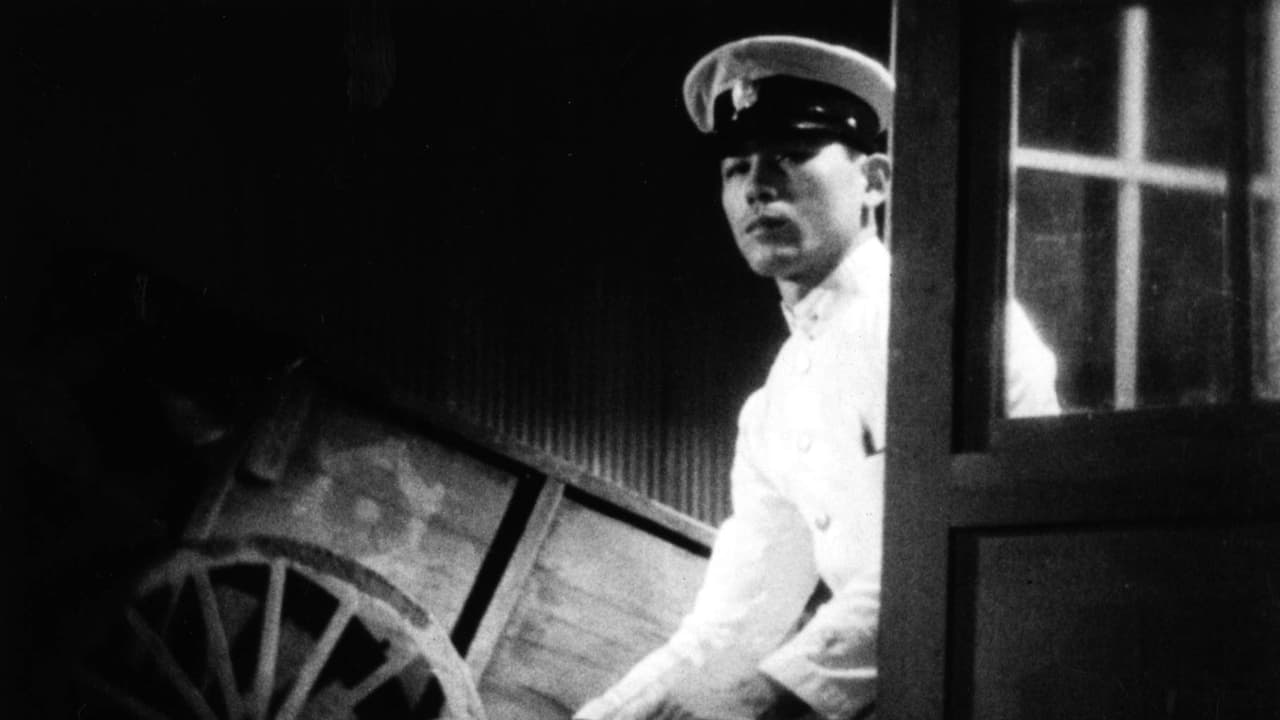
An Inn in Tokyo (1935)
An unemployed Japanese man and his two sons wander the industrial flatlands of Depression-era Tokyo, until he chances upon an old friend and befriends a woman and her daughter, who are in a similar predicament.
What people think about An Inn in Tokyo
An Inn in Tokyo is special because it turns hardship into something quietly luminous, finding dignity and tenderness in people society has learned to overlook. Ozu frames Depression-era Tokyo with visually striking precision—industrial flats, empty lots, and cramped rooms become a kind of poetry—while the performances feel so natural you stop noticing the “acting” and simply start caring. The tone is gentle but unsentimental, a poignant, proto-neorealist walk alongside a father and his sons as small chances at connection flicker against the weight of poverty. If you need big plot twists or melodrama, it may feel spare, but if you’re open to a humane masterpiece that hits the heart without raising its voice, this one stays with you.
An Inn in Tokyo is clearly aiming for humane, quietly devastating realism, following a father and his boys through Depression-era hardship with Ozu’s patient, observant eye. That patience is also the catch: the opening can feel drawn out and a bit repetitive, as if the film is circling the same misery before it decides where it’s going. Later, it occasionally reaches for bigger emotional notes that can read as melodramatic or slightly tonally wobbly compared to the earlier restraint. If you need a strong plot engine or consistent pacing, this may test you, but if you’re open to a slow-burn portrait of dignity under pressure, its empathy and small moments of warmth are the payoff.
Cast



Crew
- Director
- Yasujirō Ozu
- Music
- Keizo Horiuchi
- Cinematography
- Hideo Shigehara
- Editing
- Kazuo Ishikawa
Details
- Released
- November 21, 1935
- Language
- Japanese
- Studio
- Shochiku
- IMDb
- tt0027118