
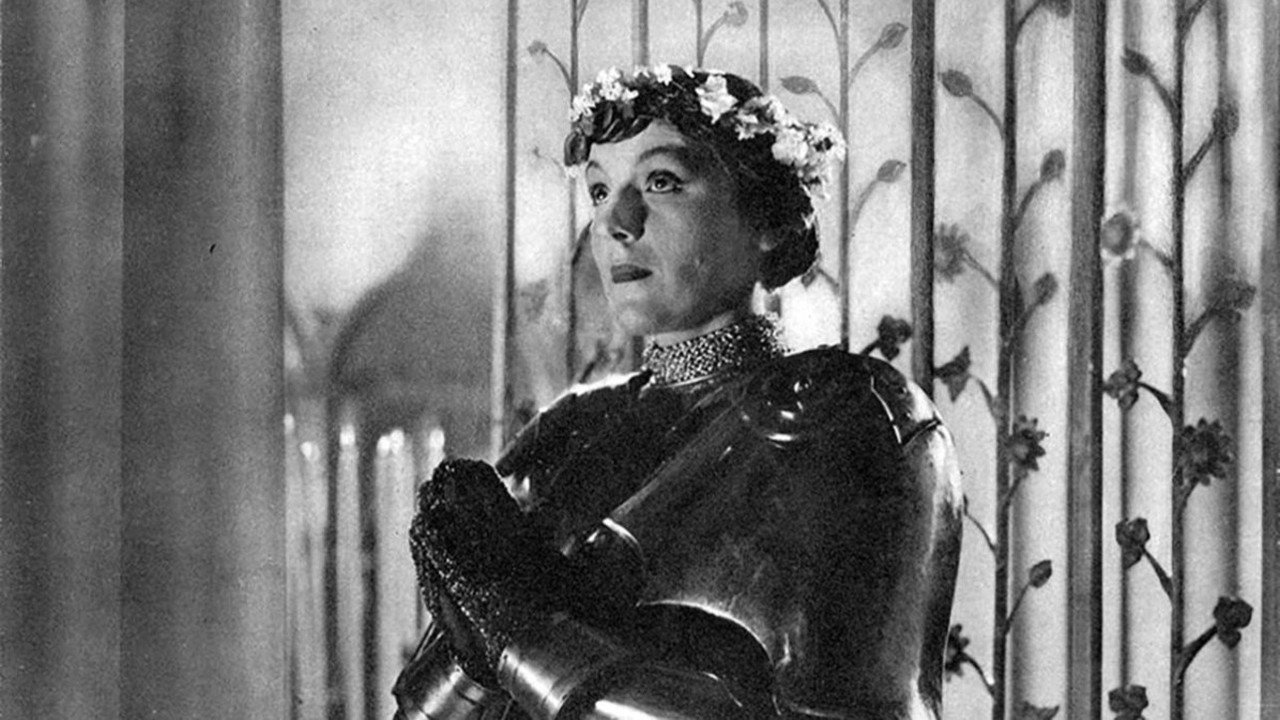
Joan of Arc (1935)
France in the 15th Century: The country is marked by the wars with England and internal power struggles. King Charles sees himself powerless against the state. As emerges from the people suddenly a young woman named Johanna, who claimed that the Archangel Gabriel to be appointed, to save France. First of all doubt the king in their words, but he remembers that the people through this "help of God" is gaining new courage. With the slogan "God and the Virgin!" pulls the revivified victorious army into battle against the English-Burgundian alliance. After Johanna King Charles is crowned at Reims, there breaks the plague over the country in. Now Johanna all the blame on the disaster: God would punish believe in the country for that a heretic; if Johanna were actual a holy, she would deal also with the plague. The waning faith weakens France, England is again on the rise. But Johanna is executed as a witch. Only years later annulled the verdict of the Holy and Johanna explained.
What people think about Joan of Arc
What makes Gustav Ucicky’s Joan of Arc (1935) special is how it turns a familiar legend into living pageantry, with images that feel carved out of stone and firelight—Günther Krampf’s cinematography giving the battlefields, cathedrals, and court corridors a haunted, monumental beauty. Angela Salloker brings Johanna a fervent, human intensity, while Gustaf Gründgens and Heinrich George embody the slippery gravity of power around her, and Peter Kreuder’s score swells at just the right moments to make faith, fear, and politics feel inseparable. The film’s grand staging and design don’t just show history; they immerse you in the mood of a nation grasping for hope and then recoiling into suspicion. It’s not for everyone—its 1930s style can feel formal and theatrical—but if you want a richly crafted historical drama that looks and sounds like a lost cathedral fresco come to life, it’s a rewarding watch.
Ucicky’s Joan of Arc wants to be a rousing national epic: a humble visionary ignites a broken France, pushes a king into action, and pays the ultimate price when politics turns on her. The problem is it plays less like history and more like a blunt ideological pageant, with characters pushed into simplified “types” and a tone that can feel loud, hectoring, and strangely joyless for such a dramatic story. If you’re coming for nuance, spiritual ambiguity, or careful period authenticity, this will likely irritate you more than it moves you. Still, if you can stomach the heavy-handed framing, there’s some solid old-school spectacle and committed performances that make it watchable as a time capsule rather than a definitive Joan.
Cast
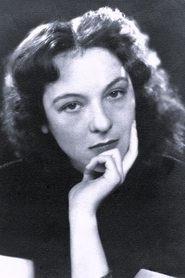 Angela SallokerJohanna von Orléans
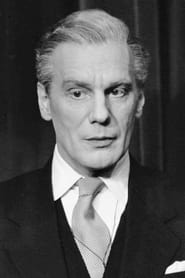 Gustaf GründgensKönig Karl VII. von Frankreich
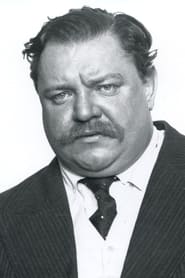 Heinrich GeorgeHerzog von Burgund
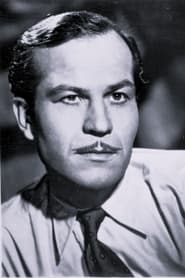 René DeltgenMaillezais, Unterhändler des Königs
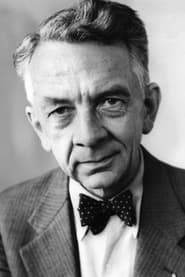 Erich PontoLord Talbot, englischer Armeeführer
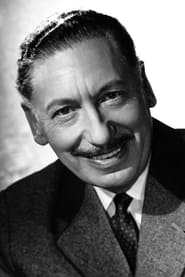 Willy BirgelGraf La Trémouille, Stadtkommandant
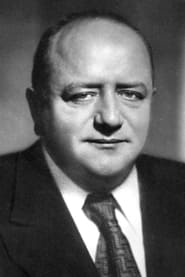 Aribert WäscherHerzog von Alençon
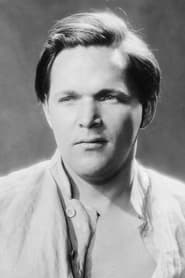 Veit HarlanPierre
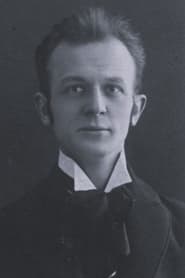 Paul Bildtein verzweifelter Bürger bei der Bergung der Tote
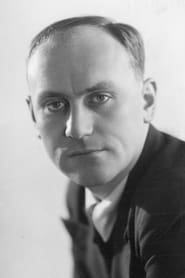 Bernhard Minettiein Amtmann
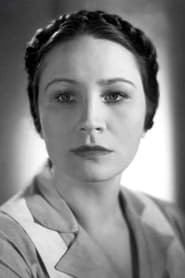 Maria Koppenhöfereine Frau aus dem Volk
 Albert Florathhöhnischer Wächter des gefangenen La Trémouille
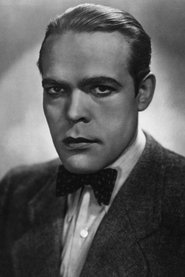 Alexander GollingSoldat Talbots, der dem englischen Heerführer zur Flucht rät
 Theodor LoosDunois
- FFranz NicklischJohann von Metz
- SS.O. SchoeningPater
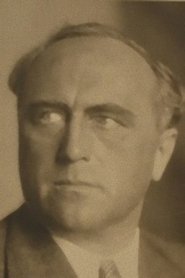 Friedrich UlmerA Captain
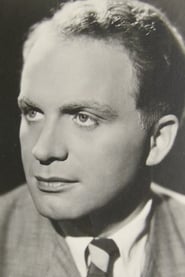 Fritz GenschowHauptmann
Crew
- Director
- Gustav Ucicky
- Writers
- Gerhard Menzel
- Music
- Peter Kreuder
- Cinematography
- Günther Krampf
Details
- Released
- April 26, 1935
- Language
- German
- Studio
- UFA
- IMDb
- tt0026761