
King of Jazz (1930)
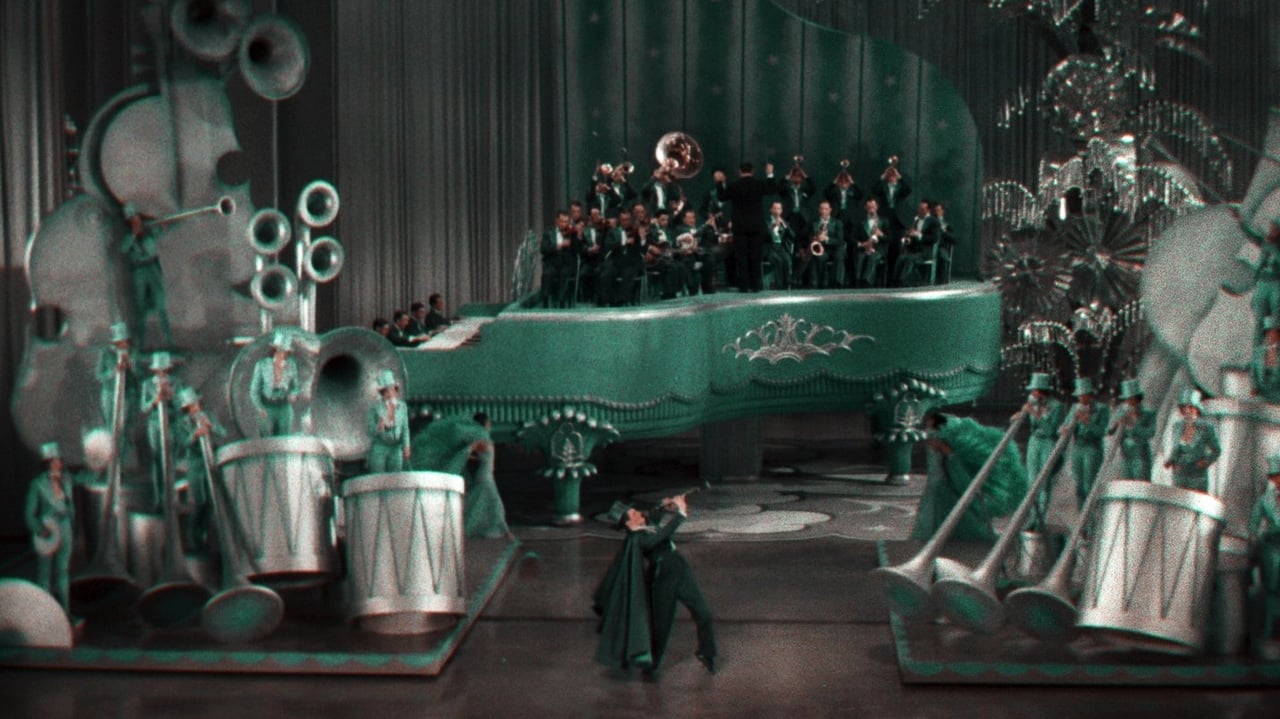
A large-scale revue musical built around Paul Whiteman and his orchestra, presenting a series of musical performances, sketches, and staged tableaux in early two-color Technicolor, emblematic of Hollywood’s early sound-era “all-star” musical productions.
What people think about King of Jazz
King of Jazz is special because it feels like opening a time capsule and finding it still humming with color, rhythm, and showbiz audacity—an early sound-era spectacle that’s as much about cinema discovering itself as it is about the music. Built around Paul Whiteman and his orchestra, it unfolds as a lavish revue of performances and staged tableaux, where the two-color Technicolor and production design don’t just decorate the numbers, they turn them into living postcards from Hollywood’s grandest dreams. The vibe is breezy, pageant-like, and unapologetically theatrical, the kind of movie you watch to marvel at how dazzling “new” movies once looked and sounded. It’s not for everyone if you need a tight story, but if you’re even mildly curious about film history, musical innovation, or pure visual showmanship, it’s a fascinating evening at the movies.
King of Jazz is clearly trying to be a lavish early-sound showcase: a big, colorful revue built to spotlight Paul Whiteman’s orchestra through a parade of numbers, sketches, and stagey spectacle. If you’re expecting a story or even consistent momentum, you’ll likely be frustrated—this is more a museum exhibit of 1930 entertainment than a coherent film, and it can really drag between highlights. A lot of the comedy and vocals land with a thud today, and some racial portrayals are uncomfortable and undeniably problematic, which can sour the experience even if you’re watching “for history.” Still, if you’re into early Technicolor, vintage production design, and sampling period music in bite-sized segments, there are moments worth seeing—just don’t go in expecting it to be funny or fresh.
Cast
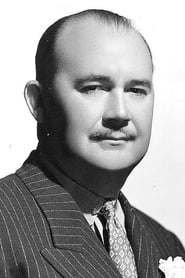 Paul WhitemanPaul Whiteman
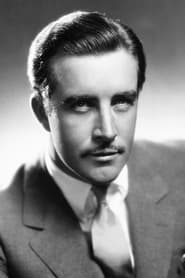 John BolesVocalist ('Song of the Dawn' / 'It Happened in Monterey')
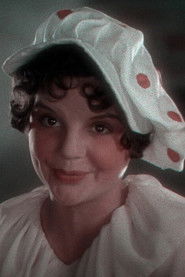 Jeanie LangVocalist ('I'd Like To Do Things For You' / 'Ragamuffin Romeo')
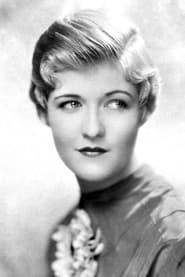 Laura La PlanteEditor ('Ladies of the Press') / Stenographer ('In Conference') / Quartet Member, 'Nellie'
 Jeanette LoffVocalist ('It Happened in Monterey' / 'Bridal Veil' / 'A Bench in the Park')
 Glenn TryonExecutive ('In Conference') / Unmarried Husband
- WWilliam KentGeneral ('All Noisy on the Eastern Front') / Goldfish Owner ('Oh! Forevermore!') / Unmarried Couple's Offspring / Vocal ('Do Things For You')
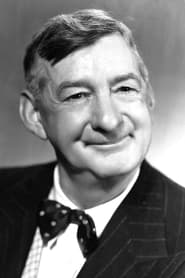 Slim SummervilleAutomobile Owner ('Springtime') / Rear End of Horse / Charles
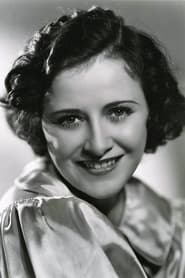 Kathryn CrawfordFourth Reporter ('Ladies of the Press')
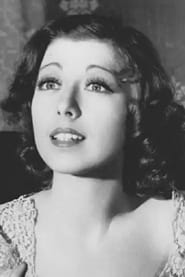 Carla LaemmleChorine (as Beth Laemmle)
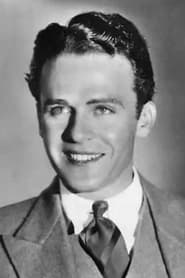 Stanley SmithBridegroom ('Bridal Veil' / 'A Bench in the Park')
- CCharles IrwinHimself, Announcer / Soldier ('All Noisy on the Eastern Front')
- GGeorge ChilesDancer ('It Happened in Monterey' / Vocalist 'A Bench in the Park' / 'Ragamuffin Romeo')
- JJack WhiteJack White
- FFrank LeslieQuartet Lead Singer ('Nellie')
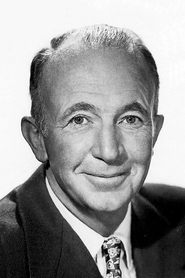 Walter BrennanDesk Sergeant ('Springtime') / Soldier ('All Noisy on the Eastern Front') / Waiter ('Oh! Forevermore!') / Front End of Horse / Quartet Member ('Nellie')
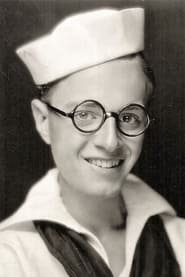 Churchill RossQuartet Member ('Nellie')
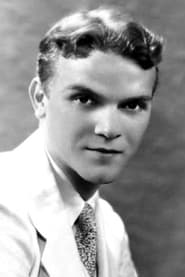 John ArledgeFirst Pianist at Giant Piano ('Rhapsody in Blue') / Quartet Member ('Nellie') (as Johnson Arledge)
Crew
- Director
- John Murray Anderson
- Writers
- Harry Ruskin
- Producers
- Carl Laemmle Jr.
- Cinematography
- Hal MohrRay RennahanJerome Ash
- Editing
- Robert Carlisle
Details
- Released
- April 20, 1930
- Language
- English
- Studio
- Universal Pictures
- IMDb
- tt0021025