
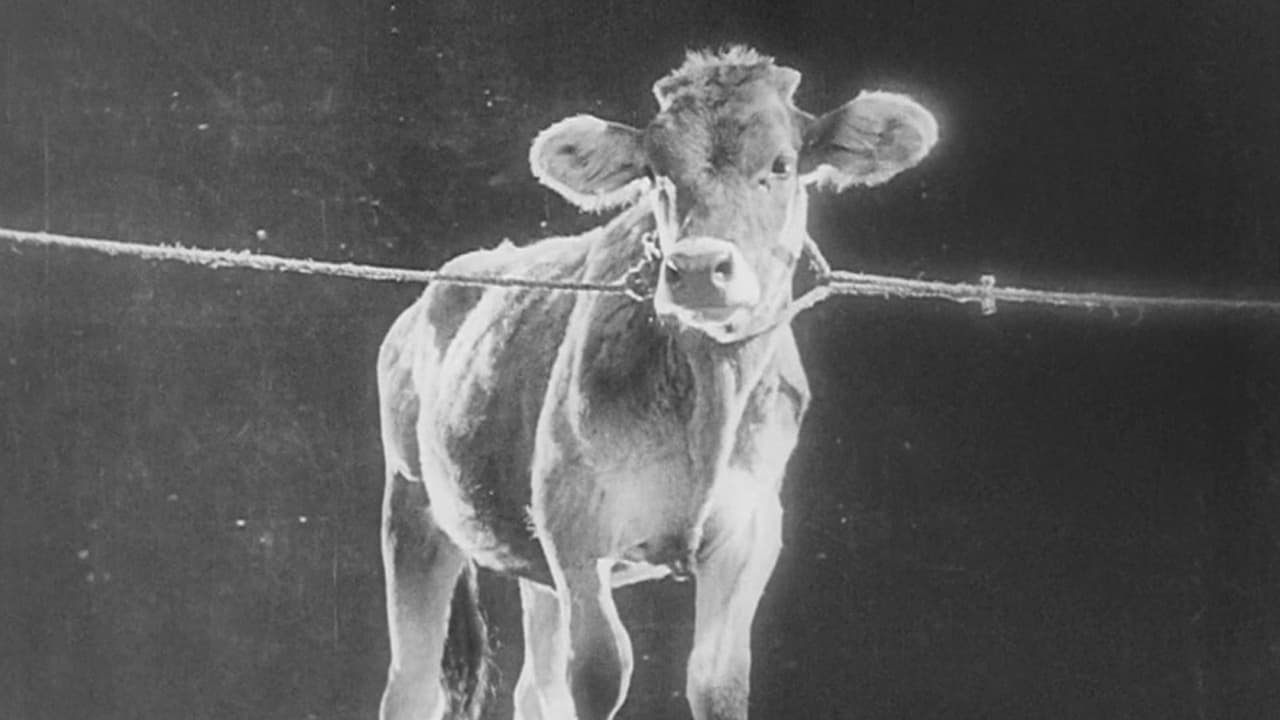
The General Line (1929)
Also known as The Old and the New, The General Line illustrates Lenin’s stated imperative that the nation move from agrarian to industrial culture in an epic ode to farm-collectivization progress.
What people think about The General Line
What makes The General Line special is the way Eisenstein turns an idea—collective effort reshaping everyday life—into pure cinema: images that don’t just show you change, but make you feel its momentum through bold, rhythmic editing and startling visual invention. It’s a silent-era drama with the pulse of a rally and the playfulness of a satirical postcard, finding wit and optimism in mud, milk, machinery, and the stubborn pride of people trying to survive. Even if you come in wary of its propagandistic purpose, the film’s clarity and symbolic punch are so confident that it plays less like a lecture than like a kinetic poem about work, hope, and modernity arriving on the horizon. It won’t be for everyone—if you need subtle politics or naturalistic storytelling, it can feel blunt—but if you want to see why Eisenstein remains a towering name, this is an exhilarating place to stand and watch the craft in motion.
The General Line is Eisenstein trying to turn farm collectivization into a sweeping, inspirational epic, using bold montage and striking imagery to sell the idea of “the old” giving way to “the new.” If you’re looking for character-driven drama or emotional nuance, this can feel more like a cinematic manifesto than a story, with people functioning as symbols and opponents painted in blunt, ideological strokes. The pacing is also very 1929: long stretches of visual argument and pageantry that reward patience more than they deliver conventional plot momentum. But if you’re into film history, silent-era experimentation, and want to see propaganda crafted with real technical artistry, it’s an important watch—just don’t expect subtlety or comfort.
Cast
- MMarfa LapkinaMarfa
- MM. IvaninMarfa's son
- KKonstantin VasilyevTractor Driver
- VVasili BuzenkovSecretary of the milk cooperative
- NNezhnikovMiroshkin - Schoolmaster
- CChukamaryevThe butcher
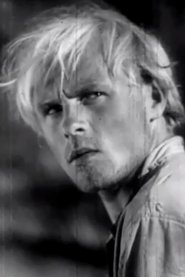 Ivan YudinKomsomolets
- EE. SuharevaWitch
- GG. MatveiPriest
- LLev IvanovStudent (uncredited)
- MMikhail Gomorov
- VVyacheslav Gomolyaka
Crew
- Directors
- Sergei EisensteinGrigori Aleksandrov
- Writers
- Grigori Aleksandrov
- Cinematography
- Eduard Tisse
Details
- Released
- September 25, 1929
- Language
- Russian
- Studio
- Sovkino
- IMDb
- tt0020451