
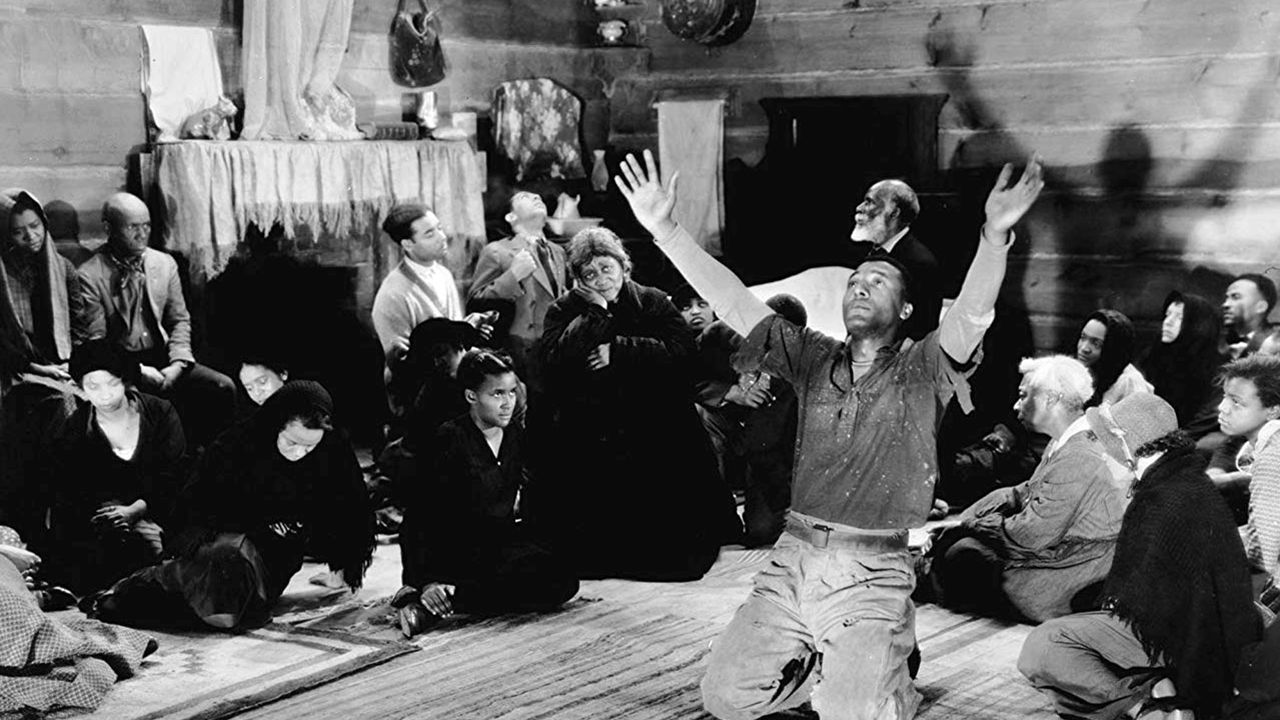
Hallelujah (1929)
A black laborer turns preacher after accidentally killing a man.
What people think about Hallelujah
Hallelujah is special because it’s one of early sound cinema’s great leaps forward: King Vidor uses music not as decoration but as the movie’s heartbeat, letting spirituals, work songs, and revival hymns carry emotion in a way silent film simply couldn’t. Set against a vividly textured Mississippi, it feels bracingly alive—earthy, fervent, and full of movement—while Daniel L. Haynes gives Zeke a torn, human core that makes his pull between faith and temptation genuinely gripping. Nina Mae McKinney’s Chick brings a crackling, dangerous charisma that turns every scene into a moral weather system, and Vidor’s camera finds striking realism in juke joints and tent revivals alike. It’s not for everyone—its 1929 pacing and period attitudes can be a hurdle—but if you want a landmark drama where filmmaking and singing fuse into something urgent, this one still rings out.
Hallelujah is clearly aiming for a big, earnest moral drama—sin, guilt, revival, and temptation—wrapped in early sound-era music and spectacle, and you can feel King Vidor pushing for something groundbreaking. But it’s also a 1929 film, so expect stiff acting, stagey dialogue, and a story that leans hard on melodrama rather than nuance, with pacing that can feel slow and repetitive by modern standards. Some viewers will also find its portrayals of Black life and sexuality dated and uncomfortable, even when the film thinks it’s being sympathetic. If you’re patient with vintage filmmaking and want a historically significant curiosity with strong atmosphere and lively musical moments, it’s worth a look; if you need subtle character work and modern rhythm, this will likely test your goodwill.
Cast
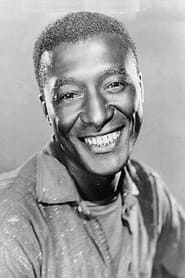 Daniel L. HaynesZeke
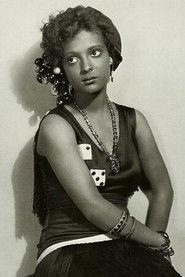 Nina Mae McKinneyChick
 William FountaineHot Shot
- HHarry GrayPappy "Parson" Johnson
- FFanny Belle DeKnightMammy
- EEverett McGarritySpunk
- VVictoria SpiveyMissy Rose
- MMilton DickersonJohnson Kid
- RRobert CouchJohnson Kid
- WWalter TaitJohnson Kid
 Matthew BeardChild (uncredited)
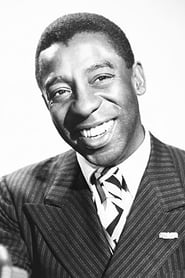 Clarence MuseChurch Member (uncredited)
 Sam McDanielAdam (uncredited)
Crew
- Director
- King Vidor
- Writers
- Wanda TuchockKing Vidor
- Producers
- Irving Thalberg
- Cinematography
- Gordon Avil
- Editing
- Anton StevensonHugh Wynn
Details
- Released
- August 20, 1929
- Language
- English
- Studio
- Metro-Goldwyn-Mayer
- IMDb
- tt0019959