
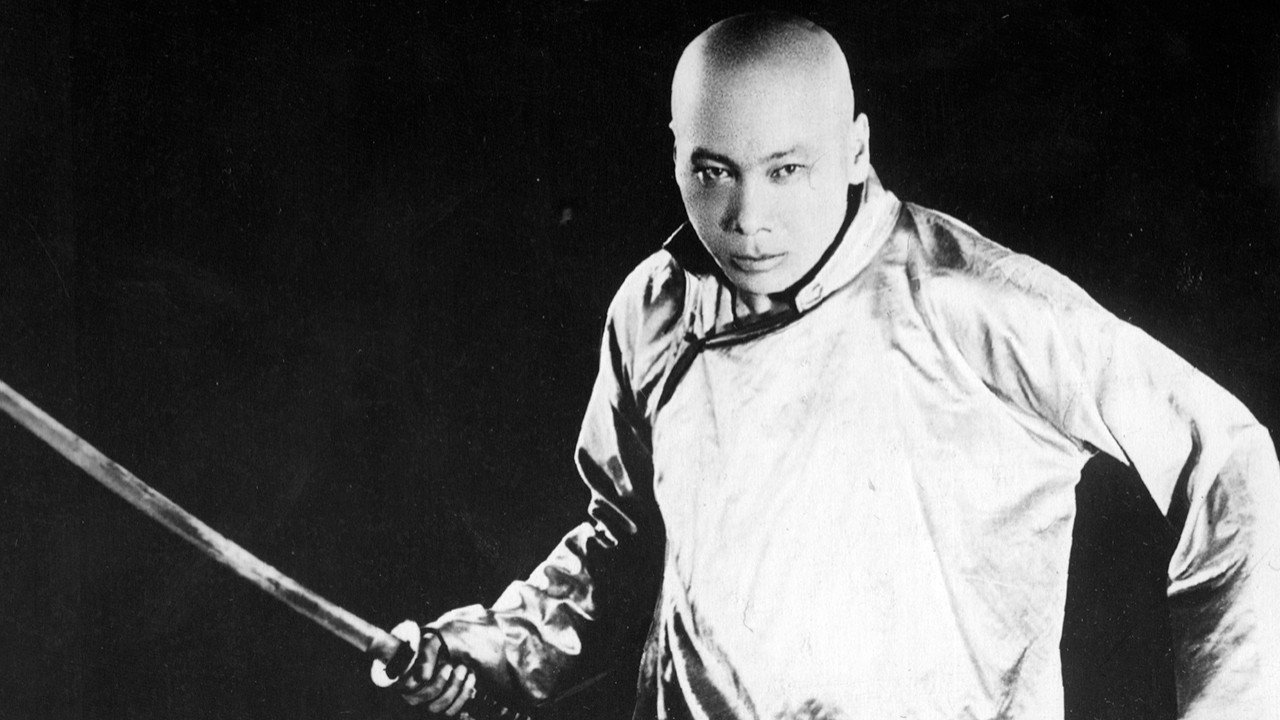
Storm Over Asia (1928)
In 1918 a young and simple Mongol herdsman and trapper is cheated out of a valuable fox fur by a European capitalist fur trader. Ostracized from the trading post, he escapes to the hills after brawling with the trader who cheated him. In 1920 he becomes a Soviet partisan, and helps the partisans fight for the Soviets against the occupying British army. However he is captured by the British when they try to requisition cattle from the herdsmen at the same time as the commandant meets with a reincarnated Grand Lama. After the trapper is shot, the army discovers an amulet that suggests he is a direct descendant of Genghis Khan. They find him still alive, so the army restores his health and plans to use him as the head of a puppet regime. The trapper is thus thrust into prominence as he is placed in charge of the puppet government. By the end, however, the "puppet" turns against his masters in an outburst of fury.
What people think about Storm Over Asia
Storm Over Asia is silent cinema at its most thunderous: Pudovkin turns wind, dust, and human faces into a kind of visual music, building emotion through razor-sharp editing and photography so vivid you can practically feel the steppe air. What begins as an intimate tale of humiliation and survival widens into a sweeping historical fever dream, where imperial pageantry and revolutionary fervor collide with an almost hypnotic intensity. Valéry Inkijinoff gives a performance of startling physical clarity—simple, proud, and gradually incandescent—anchoring the film’s politics in something personal rather than abstract. It’s unmistakably propaganda and wears its convictions plainly, but if you’re open to that, you’ll find a fiercely crafted, unusually focused epic that still feels bold in who it centers and how confidently it tells its story without a single spoken word.
Storm Over Asia is trying to be an epic, politically charged fable about colonial manipulation and a nobody’s sudden elevation into “chosen one” status, and you can see Pudovkin reaching for big, symbolic cinema rather than cozy realism. The catch is that the story can play surprisingly goofy in places, with melodramatic turns and propaganda-minded plotting that may make the drama feel more like a thesis than a lived-in human journey. The editing is forceful and often impressive, but it can also feel rigid, chopping up scenes in a way that disrupts flow and makes the geography of action hard to sit inside. If you’re not already on board for silent-era Soviet montage and allegory over subtle character work, this may test your patience—but if you are, it has striking imagery and a genuinely rousing sense of historical spectacle.
Cast
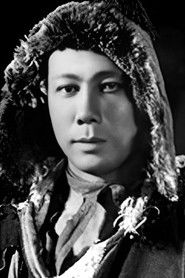 Valéry InkijinoffBair
- AA. DedintsevThe British Commandant
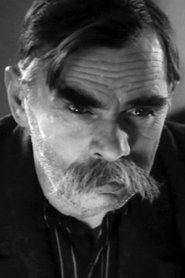 Aleksandr ChistyakovThe Russian Rebel Leader
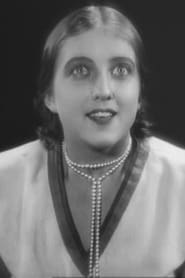 Anel SudakevichCommandant's blonde daughter
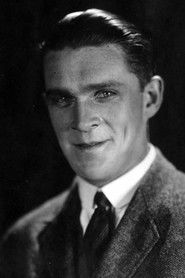 Boris BarnetEnglish soldier, pipe smoker
 Karl GurnyakEnglish soldier
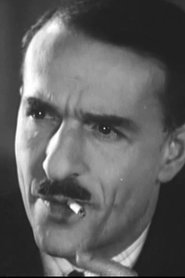 Vladimir TsoppiHenry Hughes
- LL. BelinskaïaThe Commandant's Wife
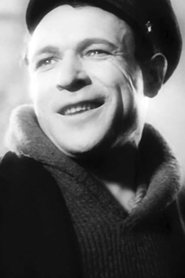 Fyodor IvanovThe Lama
- AAleksandr BaturinEnglishman
Crew
- Director
- Vsevolod Pudovkin
- Writers
- Osip BrikI. Novokshenov
- Producers
- Moisey Aleynikov
- Cinematography
- Anatoli Golovnya
Details
- Released
- November 10, 1928
- Language
- Russian
- Studio
- Mezhrabpomfilm
- IMDb
- tt0019286