
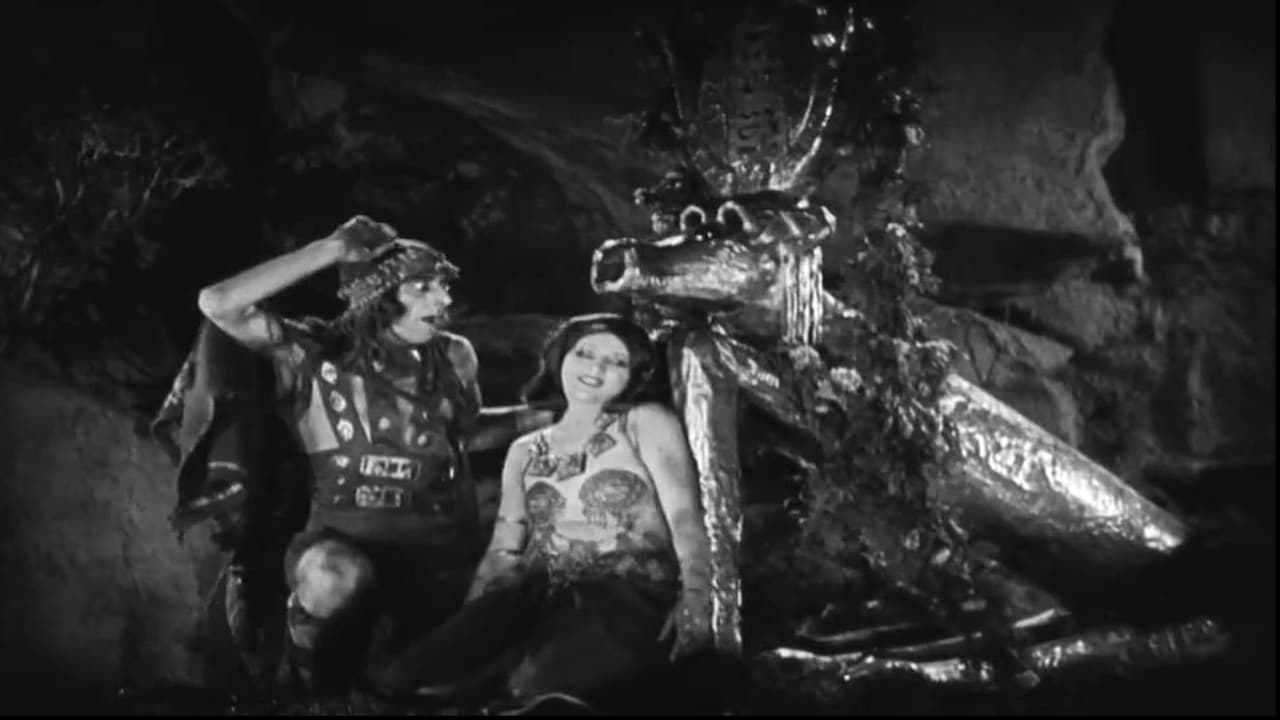
The Ten Commandments (1923)
The first part tells the story of Moses leading the Jews from Egypt to the Promised Land, his receipt of the tablets and the worship of the golden calf. The second part shows the efficacy of the commandments in modern life through a story set in San Francisco. Two brothers, rivals for the love of Mary, also come into conflict when John discovers Dan used shoddy materials to construct a cathedral.
What people think about The Ten Commandments
What makes Cecil B. DeMille’s The Ten Commandments (1923) special is the sheer audacity of its storytelling: it doesn’t just stage a biblical epic, it uses that grandeur as a springboard into a surprisingly pointed modern morality tale, daring you to compare legend with everyday choices. The opening Exodus section is silent-cinema spectacle at its most confident—massive crowds, bold imagery, and a sense of cinematic “breadth” that still feels like a director showing the world what movies can do. Then, in San Francisco, the film tightens into a drama of pride, temptation, and consequence, where DeMille’s direction keeps the sermonizing anchored in human weakness rather than abstract preaching. It’s not for everyone—its message is unapologetically moral and some moments are frank for the era—but if you’re on the fence, this is exactly the kind of landmark film that reminds you why audiences once treated the movies like a cathedral.
DeMille is clearly aiming for a grand, crowd-pleasing sermon on morality: first dazzling you with an epic Exodus spectacle, then dragging those commandments into a “see what happens when you don’t obey” modern parable. The problem is the imbalance—once the biblical fireworks end, the San Francisco story can feel comparatively small, preachy, and a bit like a blunt morality play rather than compelling drama. If you’re here for sweeping silent-era pageantry and historical reverence, the opening delivers real scale and craft; if you need consistent pacing and character depth across a full feature, the second half may test your patience. Also note there’s brief sexualized content in the prologue (including partial undressing) that can catch some viewers off guard for a religious epic.
Cast
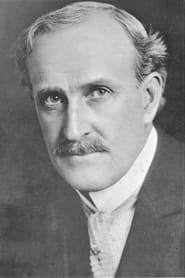 Theodore RobertsMoses - The Lawgiver
 Charles De RochefortRameses - the Magnificent: Prologue
 Estelle TaylorMiriam - the Sister of Moses: Prologue
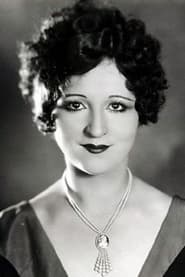 Julia FayeThe Wife of Pharaoh
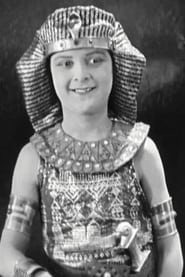 Pat MooreThe Son of Pharaoh - Prologue
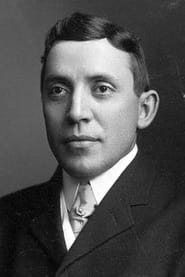 James NeillAaron - Brother of Moses: Prologue
 Lawson ButtDathan - The Discontented
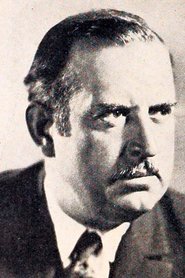 Clarence BurtonThe Taskmaster - Prologue
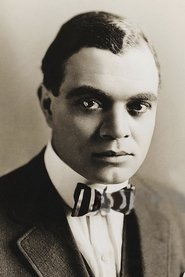 Noble JohnsonThe Bronze Man - Prologue
 Edythe ChapmanMrs. Martha McTavish
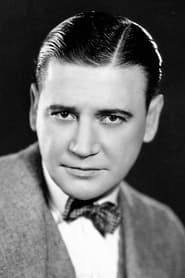 Richard DixJohn McTavish
 Rod La RocqueDan McTavish
 Leatrice JoyMary Leigh
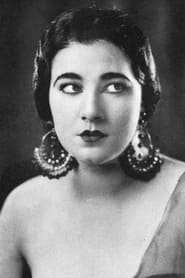 Nita NaldiSally Lung - a Eurasian
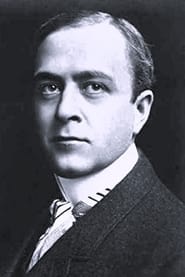 Robert EdesonRedding - an Inspector
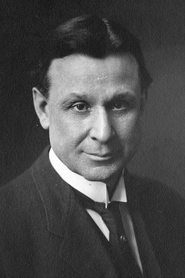 Charles OgleThe Doctor
 Agnes AyresThe Outcast
- GGenevieve Belasco(uncredited)
Crew
- Director
- Cecil B. DeMille
- Writers
- Jeanie Macpherson
- Producers
- Cecil B. DeMille
- Cinematography
- Bert Glennon
- Editing
- Anne Bauchens
Details
- Released
- November 23, 1923
- Language
- English
- Studio
- Paramount Pictures
- IMDb
- tt0014532