
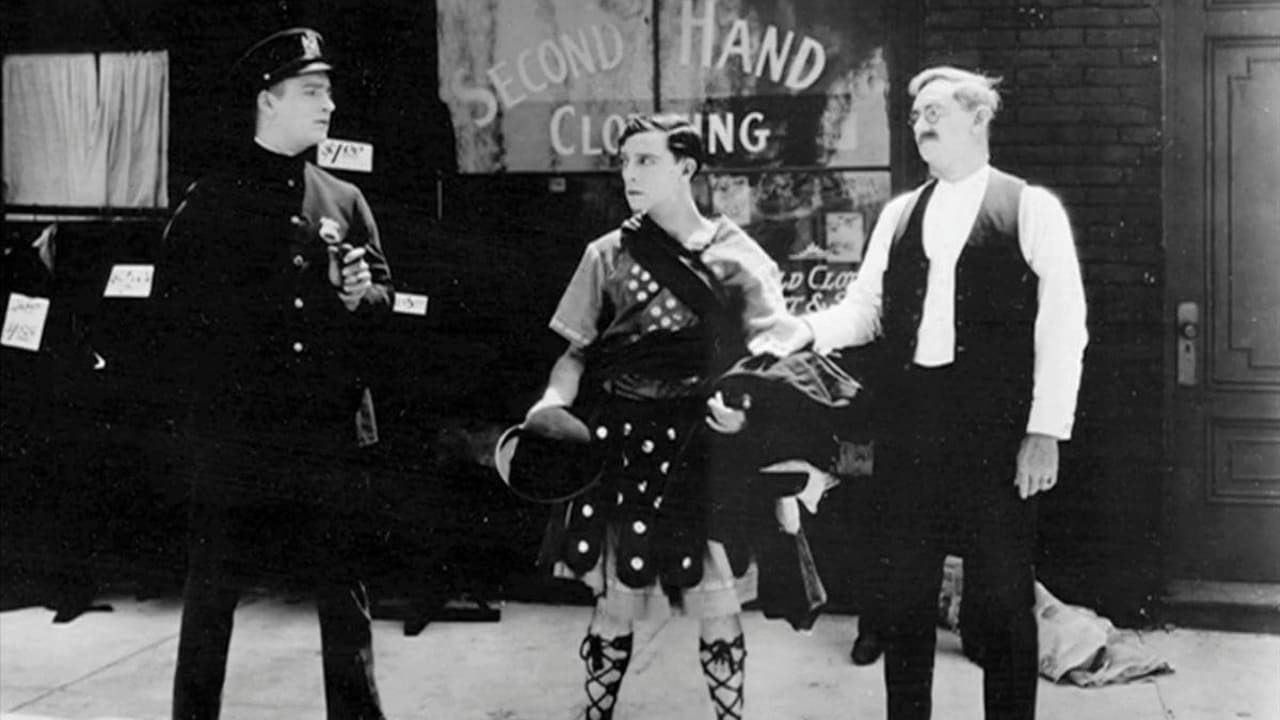
Day Dreams (1922)
In order to impress the father of a girl he is keen on, a young man goes to the city in search of work. In his letters home he writes of his various jobs which her imagination expands into much nobler ones than those that he is actually attempting.
What people think about Day Dreams
Day Dreams is the kind of silent comedy that feels like it’s powered by pure invention: every scene seems to find a new way to surprise you, not with noise but with precision, timing, and the quiet audacity of Buster Keaton’s stone-faced charm. The premise—trying to look successful on paper while scrambling through very unglamorous reality—sets a playful tone that lets the film hop from one imaginative gag to the next, building into chase-driven momentum that’s both cleanly staged and genuinely exciting. Keaton’s performance is effortless in the best way, making the funniest moments land as if they’re happening by accident, even when you can feel the careful craft behind each shot. If you don’t click with silent-era pacing or physical comedy, it may not convert you, but if you want a brisk, inventive short that still plays like a crowd-pleaser, this one earns its reputation.
Day Dreams is clearly trying to spin a light, relatable “small-town guy bluffs his way through the big city” setup into a string of visual gags and escalating mishaps. The problem is it plays more like a handful of loosely connected routines than a satisfying story, so if you want narrative momentum or an ending that lands with real punch, this can feel flat. The slapstick is simple and the emotional hook is thin, especially compared to Keaton’s sharper, more tightly built classics. Still, if you’re in the mood for quick, silent-era physical comedy and can treat it as a sampler of bits rather than a full meal, it has its moments.
Cast



Crew
- Directors
- Edward F. ClineBuster Keaton
- Producers
- Joseph M. Schenck
Details
- Released
- November 27, 1922
- Language
- English
- Studio
- First National Pictures
- IMDb
- tt0013055