
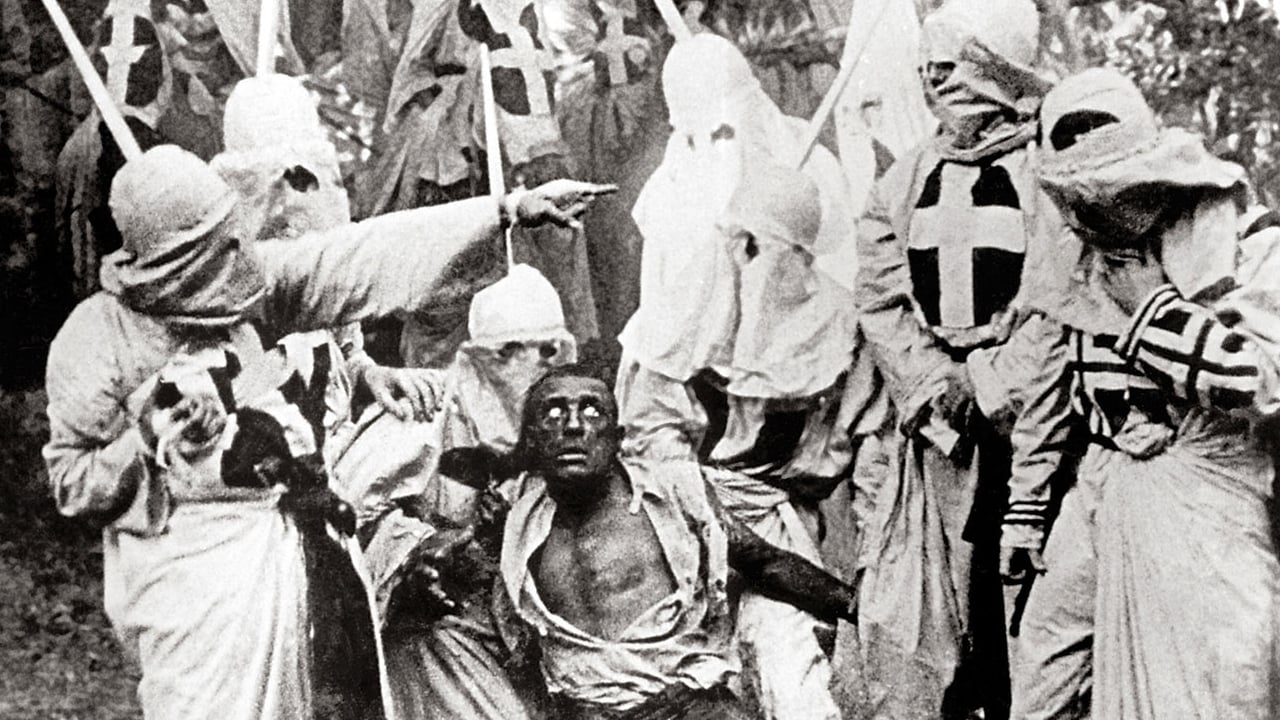
The Birth of a Nation (1915)
Two families, abolitionist Northerners the Stonemans and Southern landowners the Camerons, intertwine. When Confederate colonel Ben Cameron is captured in battle, nurse Elsie Stoneman petitions for his pardon. In Reconstruction-era South Carolina, Cameron founds the Ku Klux Klan, battling Elsie's congressman father and his African-American protégé, Silas Lynch.
What people think about The Birth of a Nation
What makes The Birth of a Nation essential—if deeply troubling—is that it practically invents the grammar of the modern epic on a scale that still feels audacious: sweeping battle tableaux, cross-cut suspense, intimate close-ups, and a command of visual storytelling that explains, in real time, why cinema became the 20th century’s dominant art form. Griffith’s technique is so confident it can make silent images feel like they’re speaking, and the performances, especially Lillian Gish’s luminous poise, give the film an emotional pull that’s hard to deny. But honesty matters here: its vision of Reconstruction is violently racist and the film’s treatment of the Ku Klux Klan is propaganda, not history, which makes watching it less “entertainment” than a confrontation with how artistry can be weaponized. If you can approach it as a landmark in film language and a cautionary artifact—something to be seen with eyes open—it’s a powerful, unsettling, and undeniably influential experience.
The Birth of a Nation is trying to be an epic, technically groundbreaking Civil War-and-Reconstruction drama, and on a purely film-history level you can see why people cite its scale, staging, and early storytelling ambition. But it’s also unapologetic propaganda: it grotesquely distorts Reconstruction, dehumanizes Black characters, and frames the Ku Klux Klan as heroic “restorers of order,” which isn’t just outdated—it’s actively harmful. If you’re looking for historical insight or even a neutral period piece, this will likely feel infuriating and ugly rather than enlightening. Only consider it if you’re approaching it as a critical study of cinema’s influence and racism in media, ideally with context, because as entertainment it’s a moral landmine.
Cast
 Lillian GishStoneman's Daughter Elsie
 Mae MarshFlora Cameron
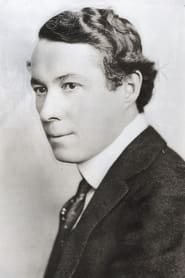 Henry B. WalthallCol. Ben Cameron
 Miriam CooperMargaret Cameron
 Mary AldenStoneman's Housekeeper Lydia
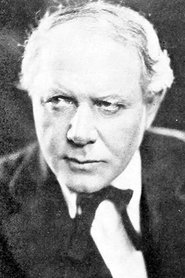 Ralph LewisLeader of the House Hon. Austin Stoneman
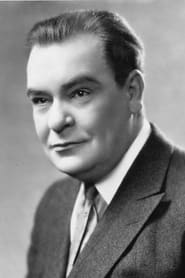 George SiegmannLieut. Governor Silas Lynch
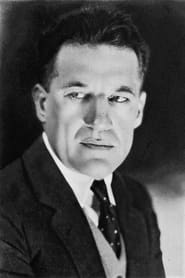 Walter LongGus
 Robert HarronTod
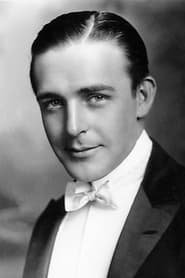 Wallace ReidJeff, the Blacksmith
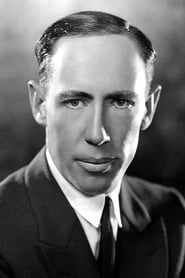 Joseph HenaberyAbraham Lincoln
 Elmer CliftonStoneman's Elder Son Phil
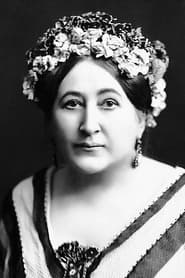 Josephine CrowellMrs. Cameron
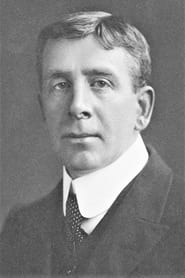 Spottiswoode AitkenDr. Cameron
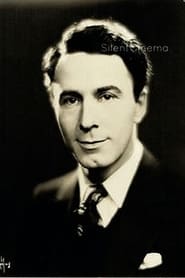 George BerangerWade Cameron
 Maxfield StanleyDuke Cameron
 Jennie LeeMammy
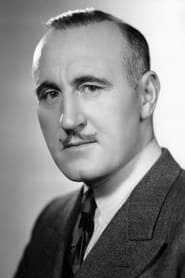 Donald CrispGen. U.S. Grant
Crew
- Director
- D.W. Griffith
- Writers
- Frank E. WoodsD.W. Griffith
- Producers
- H.E. AitkenD.W. Griffith
- Cinematography
- Billy BitzerJoseph Carl Breil
Details
- Released
- March 8, 1915
- Language
- English
- Studio
- Epoch Film Co., D.W. Griffith Productions, Epoch Productions
- IMDb
- tt0004972