
フランツ・プラナー
- 生年月日
- 1894年3月29日
- 没年月日
- 1963年1月10日
- 出身地
- Karlsbad, Bohemia, Austria-Hungary [now Karlovy Vary, Czech Republic]
Descended from a wealthy family of landowners in what was then Austria-Hungary, Franz Planer understood the importance of photography as an art form early in his life. He first stood behind the camera as a portrait photographer, working out of Vienna from 1910. He soon branched out, filming newsreels in Paris and, in 1919, joined the growing German film industry as chief cameraman for Emelka (which became Bavaria Studios in 1932), in Munich. During the 1920s and early 1930's, he acquired a reputation for style, having worked as cinematographer for such distinguished directors as F.W. Murnau and Wilhelm Thiele, most of his films being commercially popular entertainments.
さらに表示表示を減らす
Anticipating the "Anschluss" - the forcible annexation of Austria by Nazi Germany under Adolf Hitler - Planer left Austria in 1937 and, using the pseudonym Frank F. Planer, sought work in Hollywood. He joined the American Society of Cinematorgaphers and was signed under contract at Columbia from 1938-45, and, again, from 1949-50 (in between working at Universal from 1947-49), filming in a variety of different genres. At this stage in his career, he often used real-life locations and shot primarily in black-and-white, in almost semi-documentary style. Like other European cinematographers, he was heavily influenced by German expressionism and used chiaroscuro lighting and stark contrasts between light and shade to achieve thematic mood requirements - particularly for films noir, such as Criss Cross (1949) and 711 Ocean Drive (1950). Planer's creative collaboration with director Max Ophüls is frequently cited as among his best work, notably the melancholic romantic drama Letter from an Unknown Woman (1948).
During the 1950s Planer was much in demand and used by many of Hollywood's top directors, including Robert Siodmak, John Huston, Edward Dmytryk and Stanley Kramer. Increasingly comfortable with color photography from 1954, Planer worked on several A-grade productions. He created a particularly realistic feel for The Caine Mutiny (1954) and The Nun's Story (1959) by utilizing sparse, functional interiors. Unusual camera angles/perspectives, tracking shots and objects inserted between camera and subject contributed to the look of the popular Breakfast at Tiffany's (1961). Planer never won an Academy Award, though he was nominated five times: for Champion (1949), Death of a Salesman (1951), Roman Holiday (1953), The Nun's Story (1959) and The Children's Hour (1961).
- IMDb mini biography by: I.S.Mowis
略歴の提供元:TMDB
その他 64
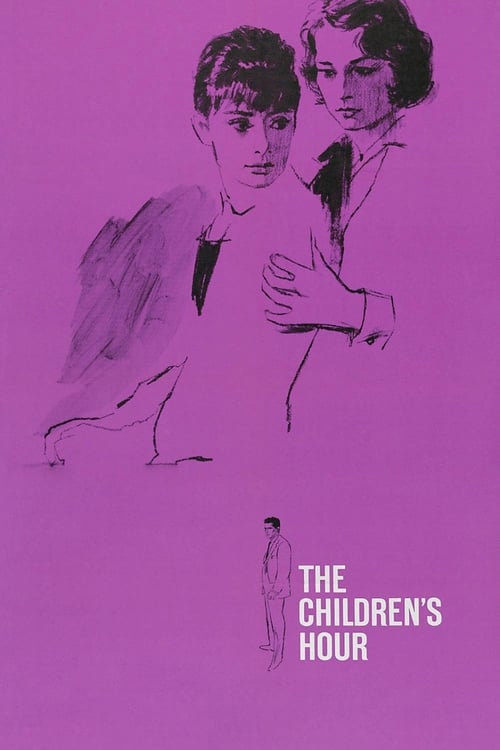 噂の二人1961 · 撮影監督
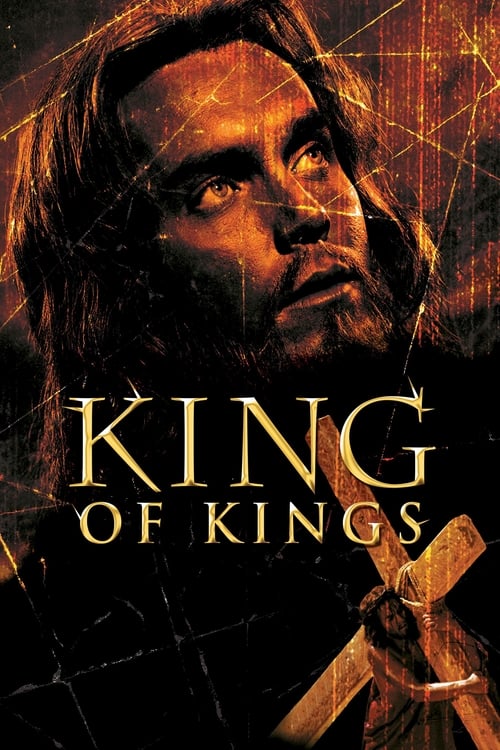 King of Kings1961 · 撮影監督
 ティファニーで朝食を1961 · 撮影監督
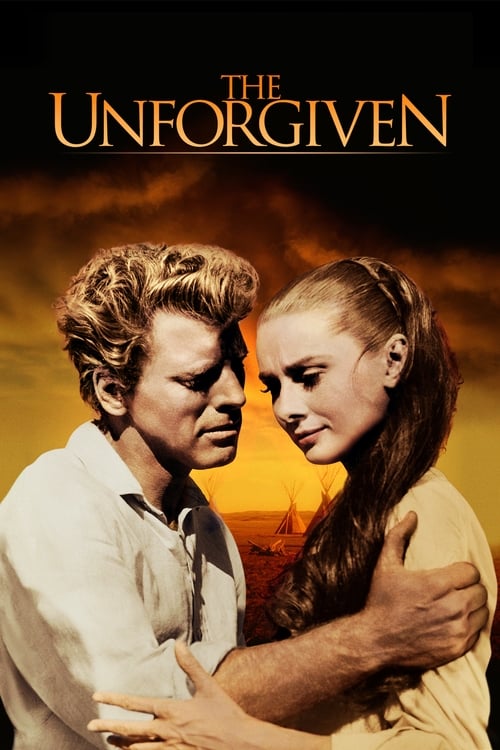 許されざる者1960 · 撮影監督
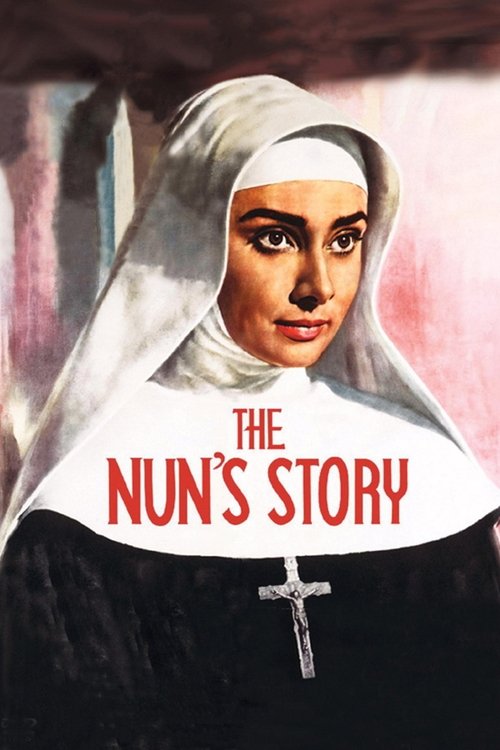 尼僧物語1959 · 撮影監督
 大いなる西部1958 · 撮影監督
 Stage Struck1958 · 撮影監督
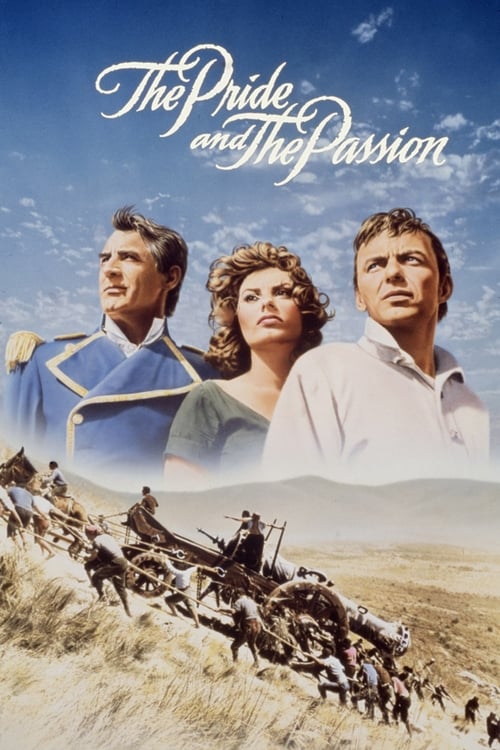 The Pride and the Passion1957 · 撮影監督
 学習中The Mountain1956 · 撮影監督
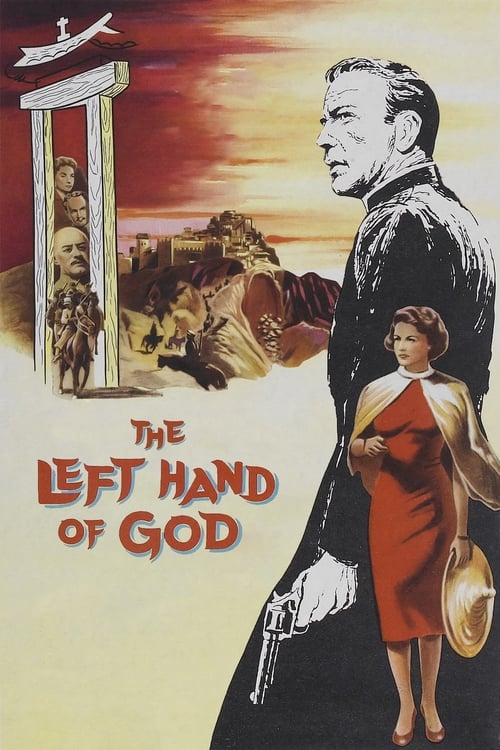 The Left Hand of God1955 · 撮影監督
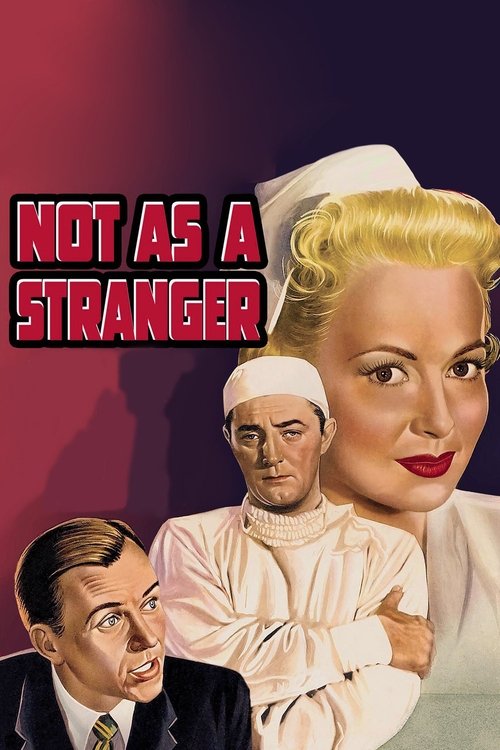 学習中Not as a Stranger1955 · 撮影監督
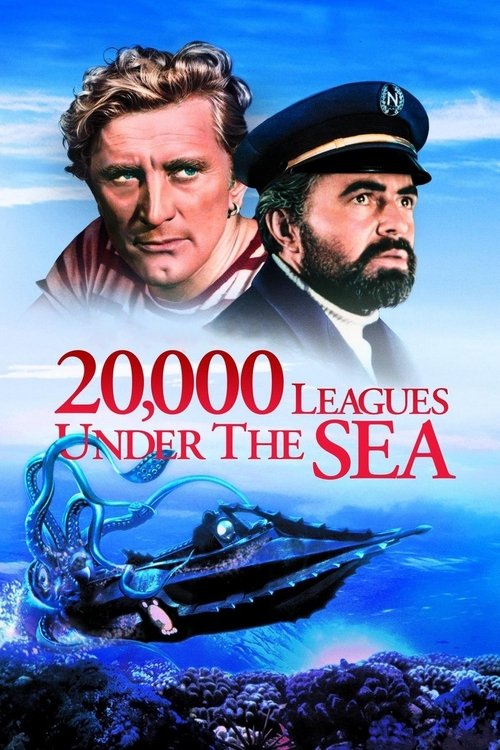 海底二万哩1954 · 撮影監督
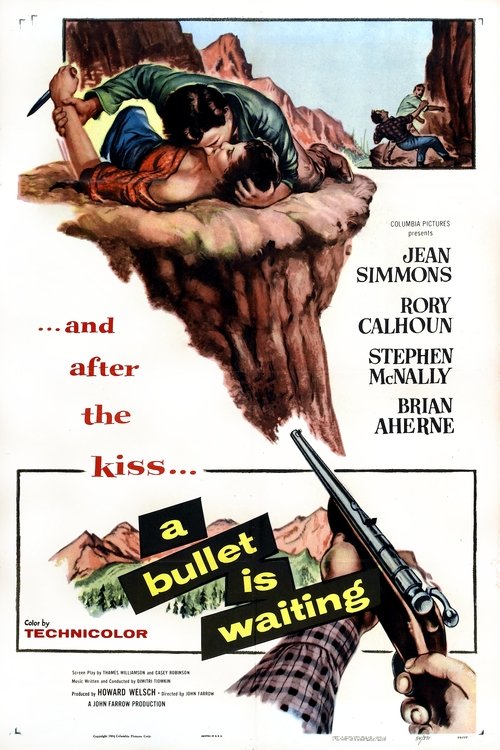 学習中A Bullet Is Waiting1954 · 撮影監督
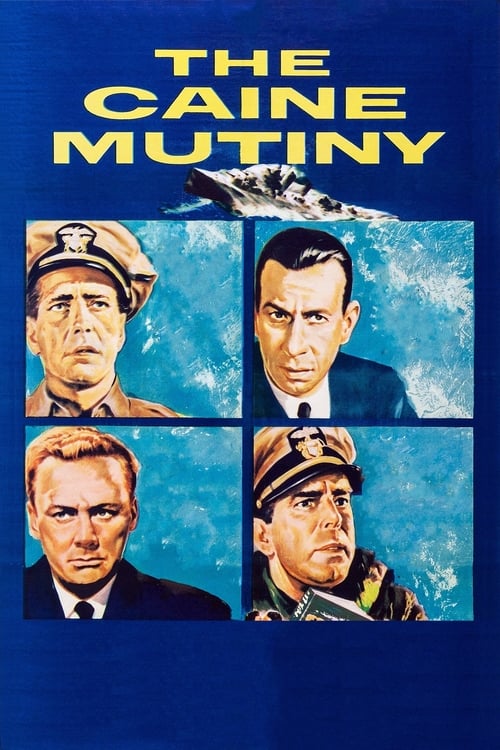 ケイン号の叛乱1954 · 撮影監督
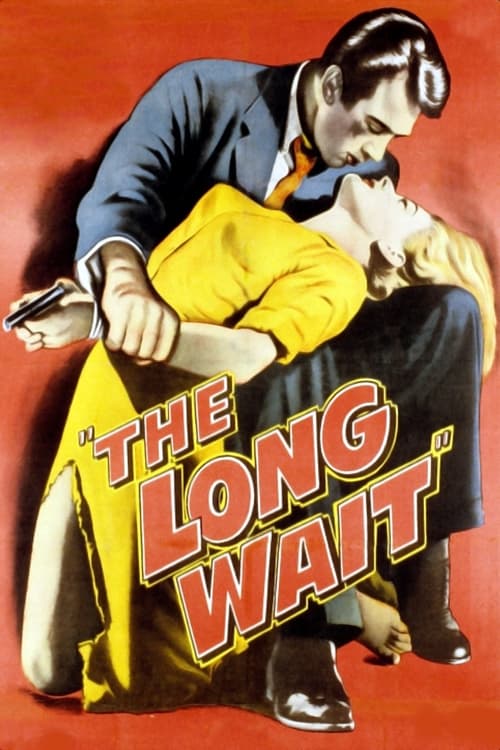 学習中The Long Wait1954 · 撮影監督
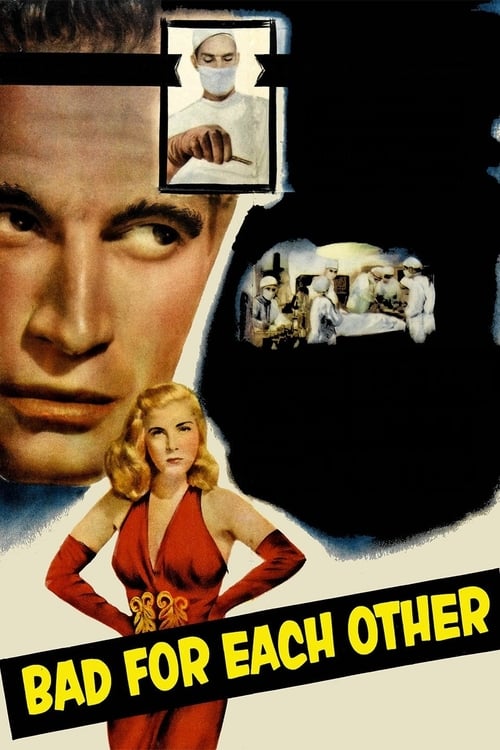 学習中Bad for Each Other1953 · 撮影監督
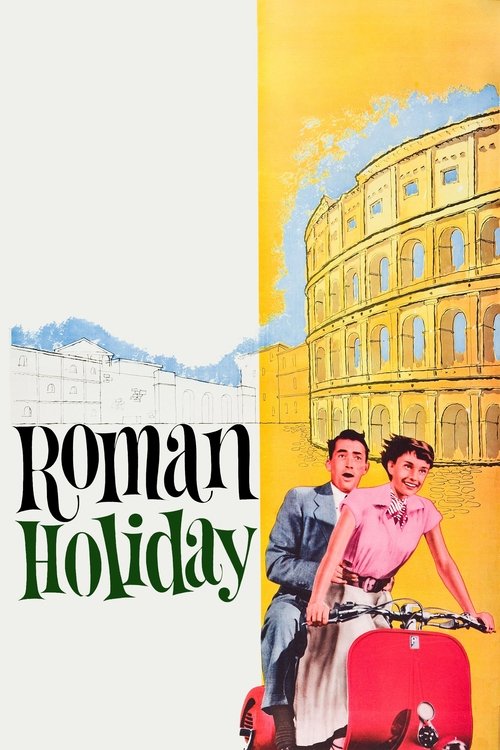 ローマの休日1953 · 撮影監督
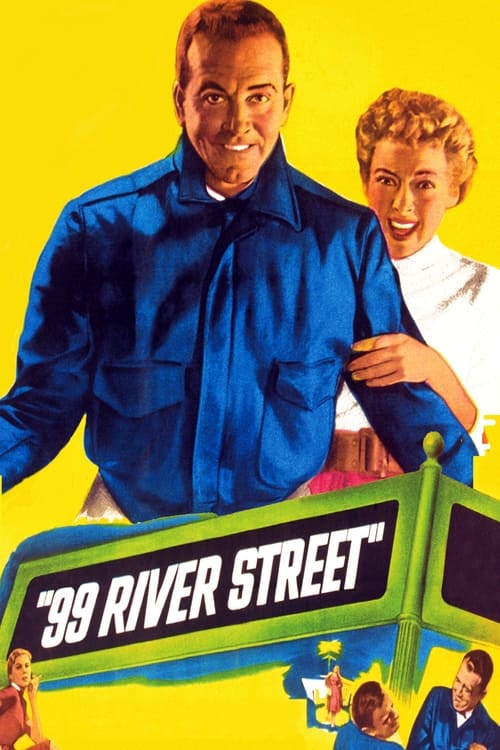 学習中99 River Street1953 · 撮影監督
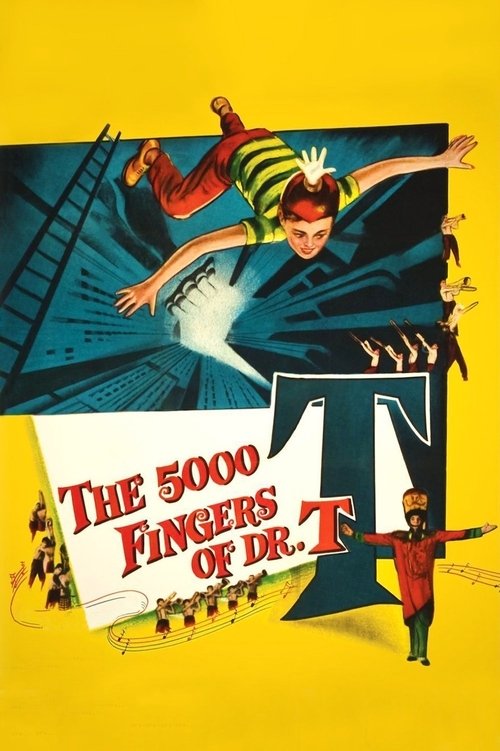 学習中The 5,000 Fingers of Dr. T.1953 · 撮影監督
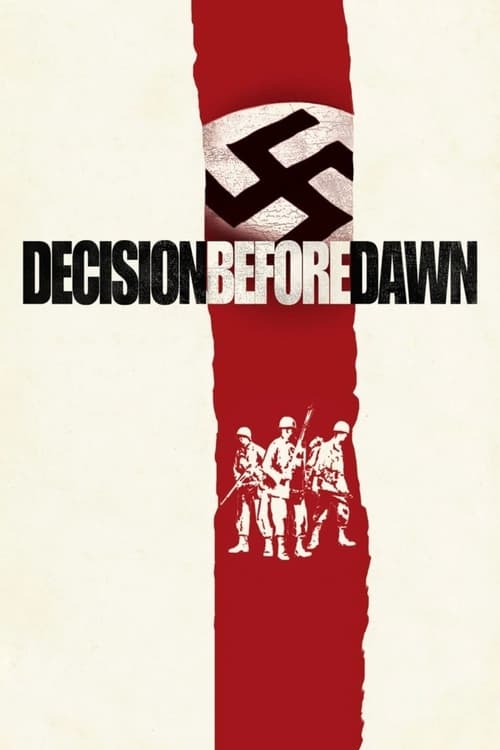 学習中Decision Before Dawn1951 · 撮影監督
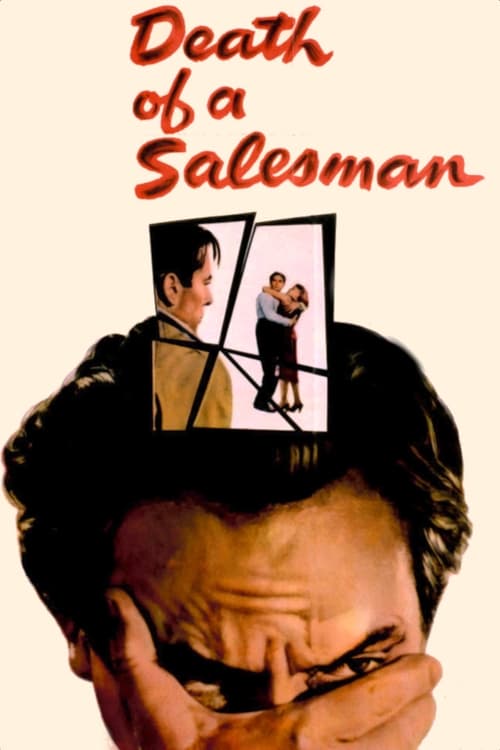 学習中Death of a Salesman1951 · 撮影監督
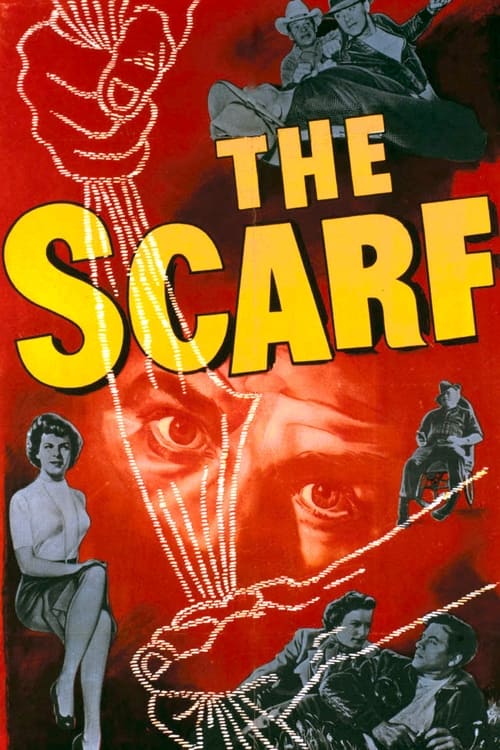 学習中The Scarf1951 · 撮影監督
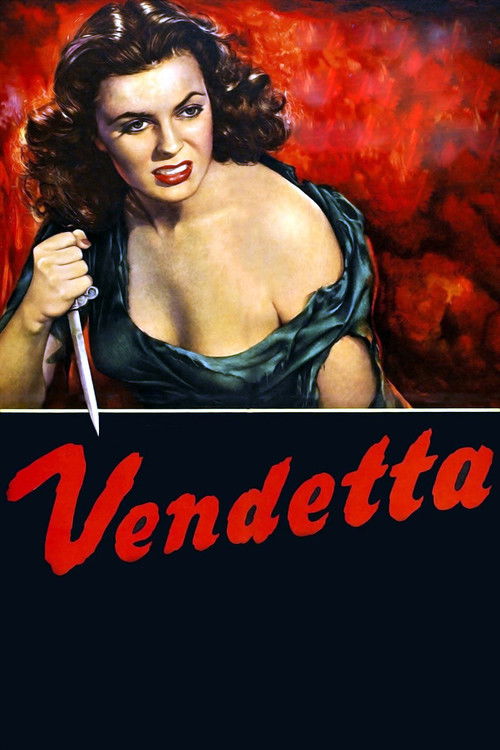 学習中Vendetta1950 · 撮影監督
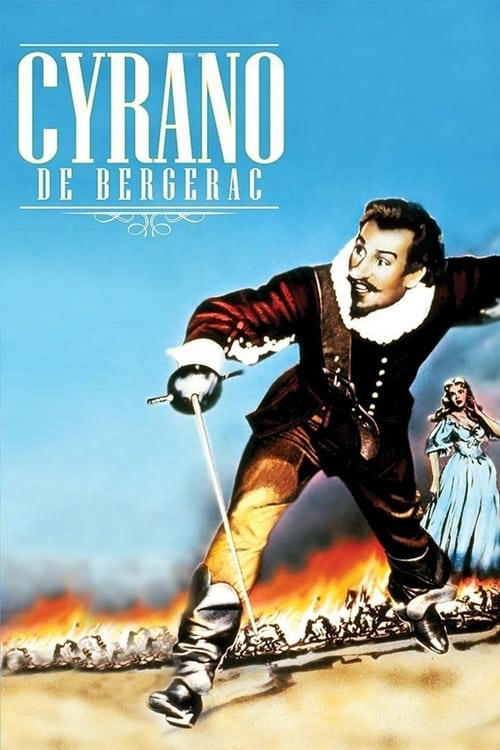 学習中シラノ・ド・ベルジュラック1950 · 撮影監督
 学習中Three Husbands1950 · 撮影監督
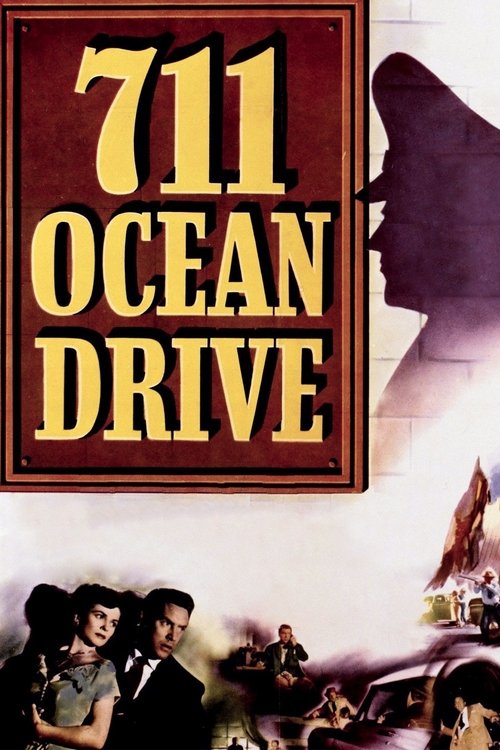 学習中711 Ocean Drive1950 · 撮影監督
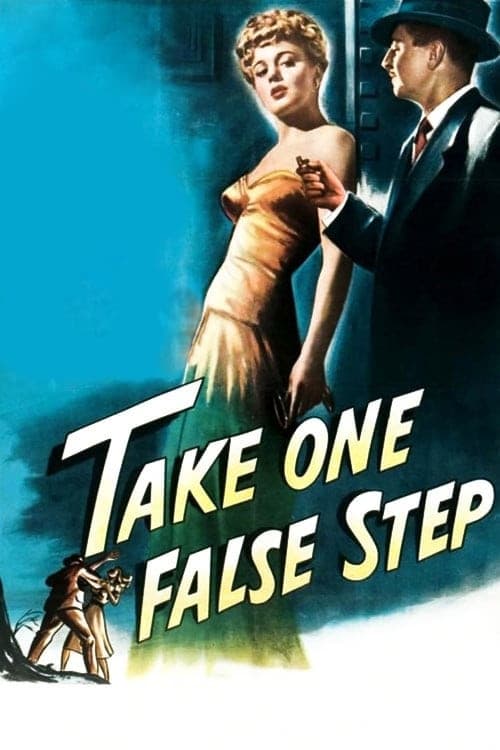 学習中Take One False Step1949 · 撮影監督
 学習中Champion1949 · 撮影監督
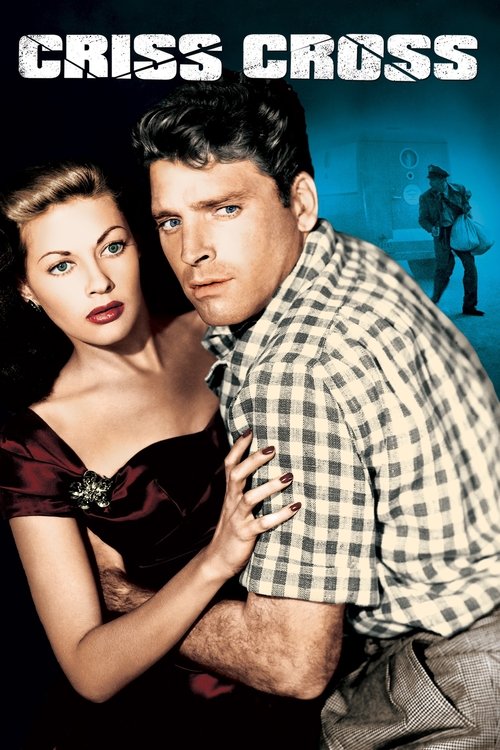 Criss Cross1949 · 撮影監督
 学習中One Touch of Venus1948 · 撮影監督
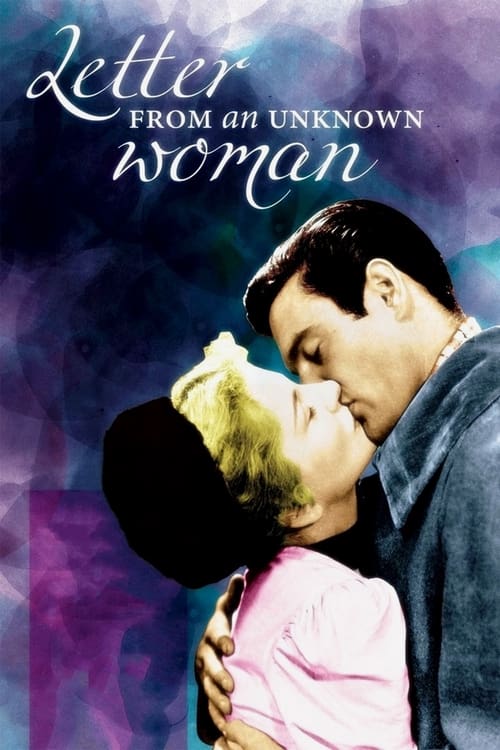 忘れじの面影1948 · 撮影監督
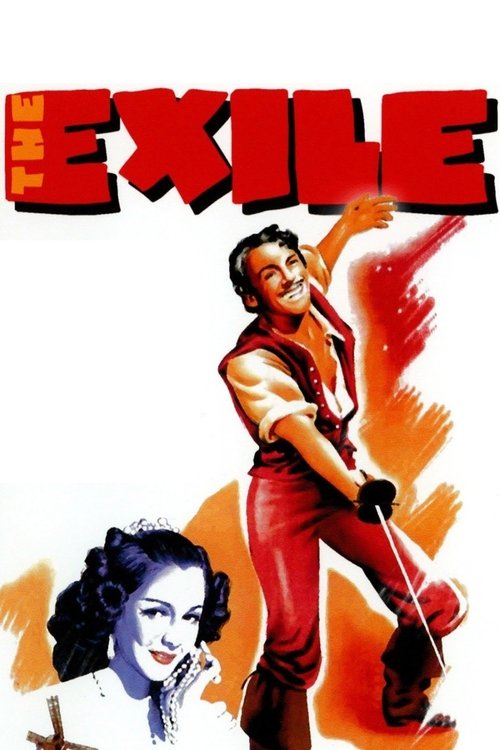 学習中The Exile1947 · 撮影監督
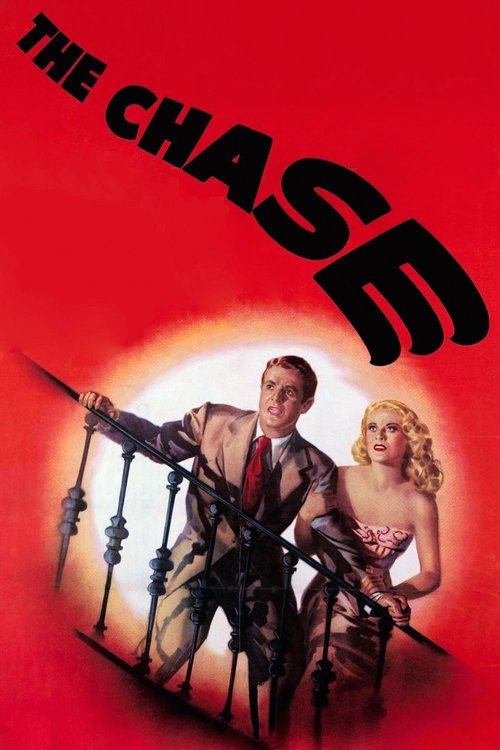 学習中ザ・チェイス1946 · 撮影監督
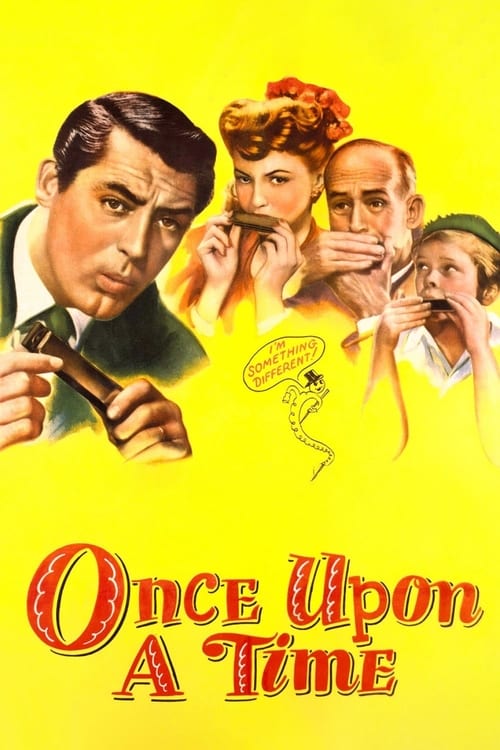 学習中Once Upon a Time1944 · 撮影監督
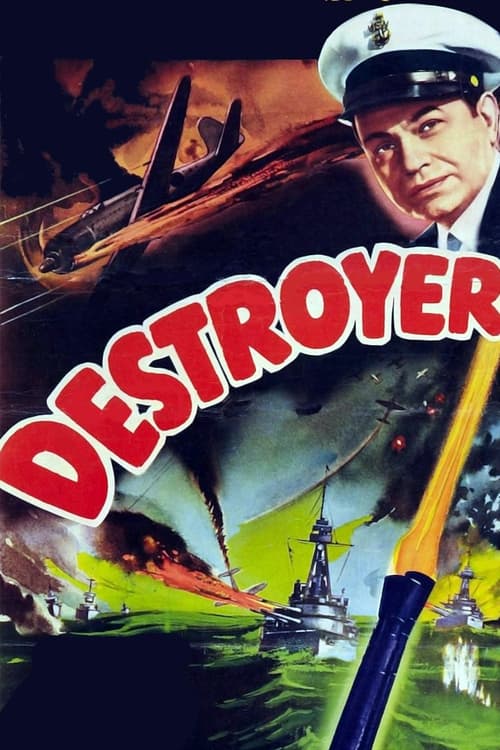 学習中Destroyer1943 · 撮影監督
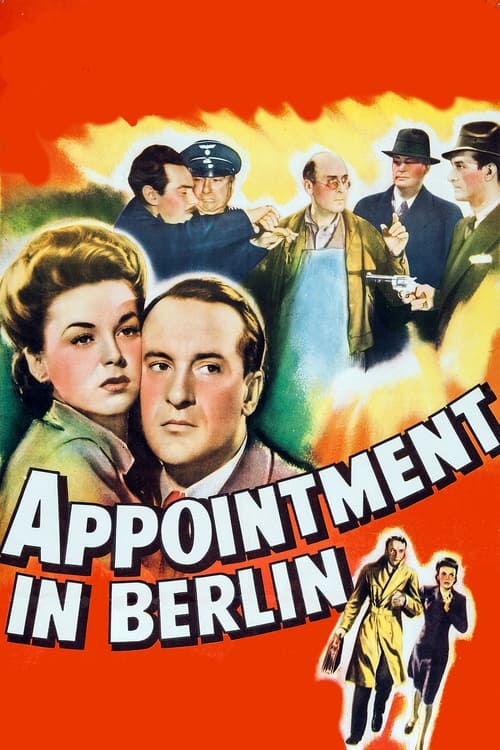 学習中Appointment in Berlin1943 · 撮影監督
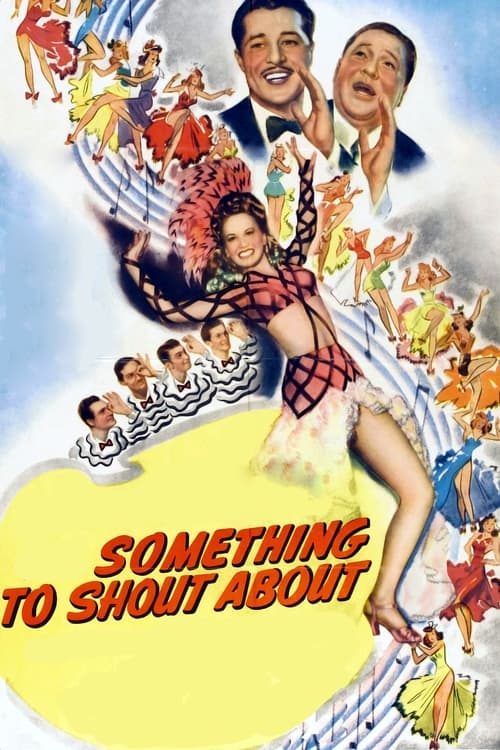 学習中Something to Shout About1943 · 撮影監督
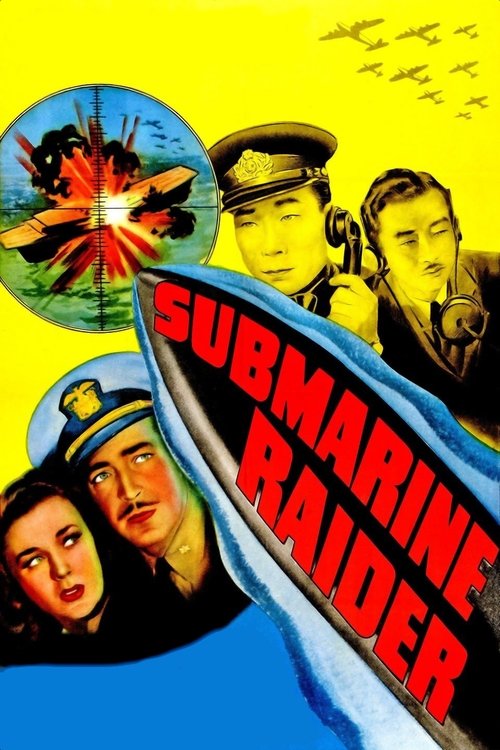 学習中Submarine Raider1942 · 撮影監督
 学習中The Wife Takes a Flyer1942 · 撮影監督
 学習中The Adventures of Martin Eden1942 · 撮影監督
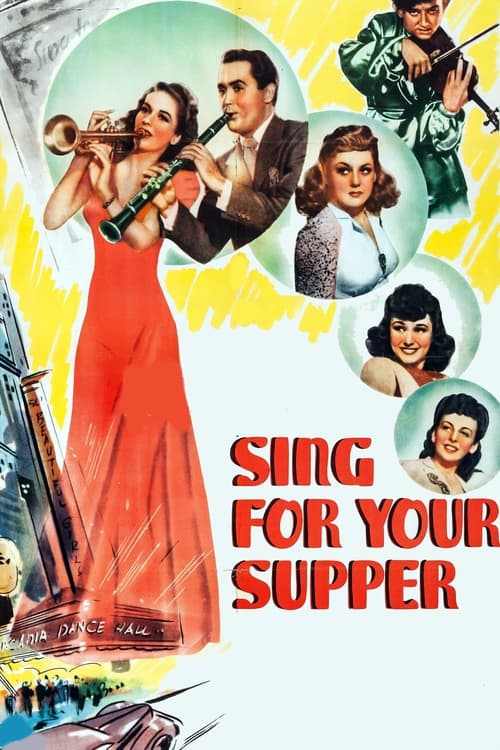 学習中Sing for Your Supper1941 · 撮影監督
 学習中Three Girls About Town1941 · 撮影監督
 学習中Our Wife1941 · 撮影監督
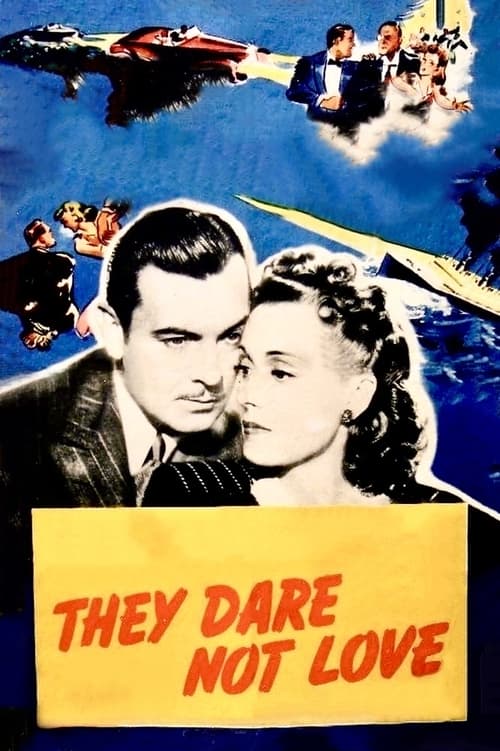 学習中They Dare Not Love1941 · 撮影監督
 学習中The Face Behind the Mask1941 · 撮影監督
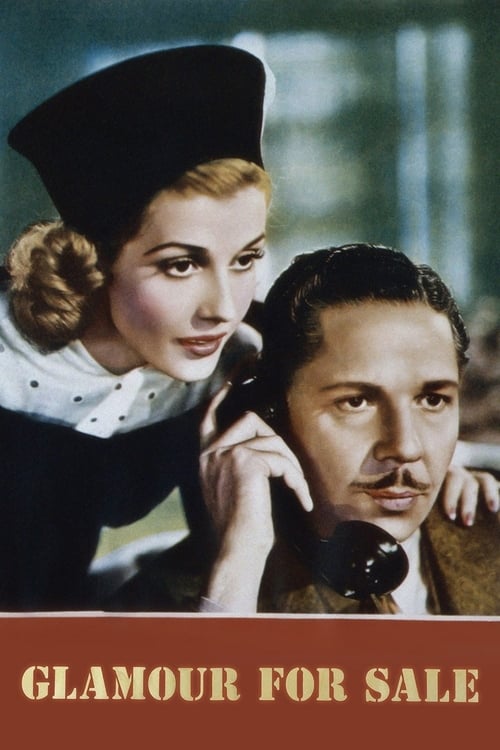 学習中Glamour for Sale1940 · 撮影監督
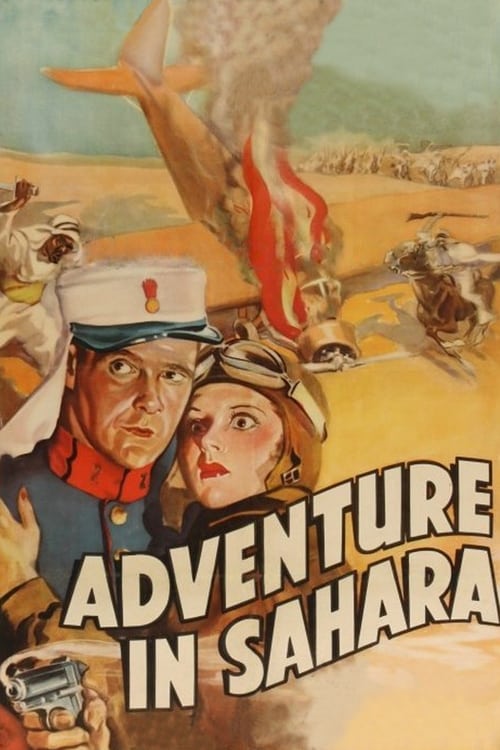 学習中Adventure in Sahara1938 · 撮影監督
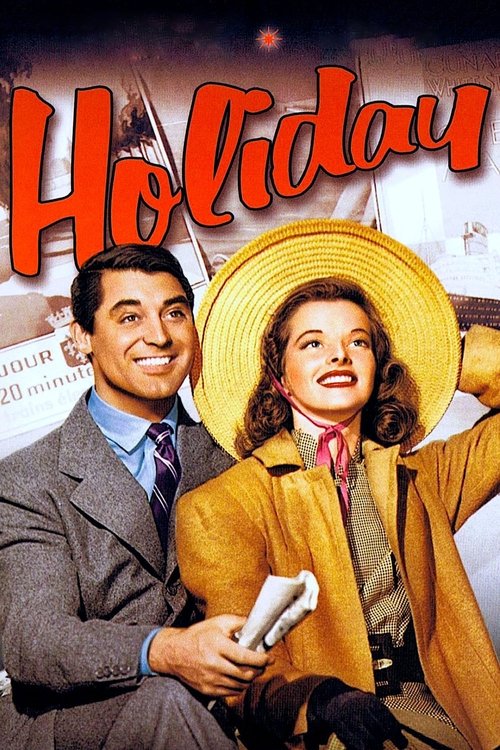 学習中素晴らしき休日1938 · 撮影監督
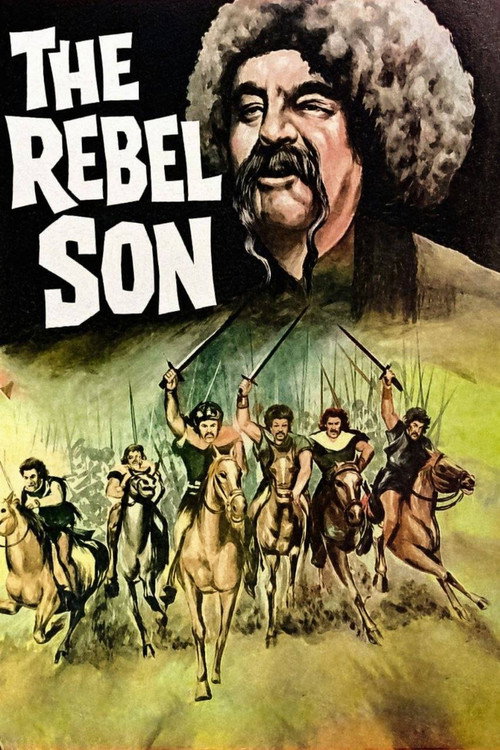 学習中The Rebel Son1938 · 撮影監督
 学習中The Beloved Vagabond1936 · 撮影監督
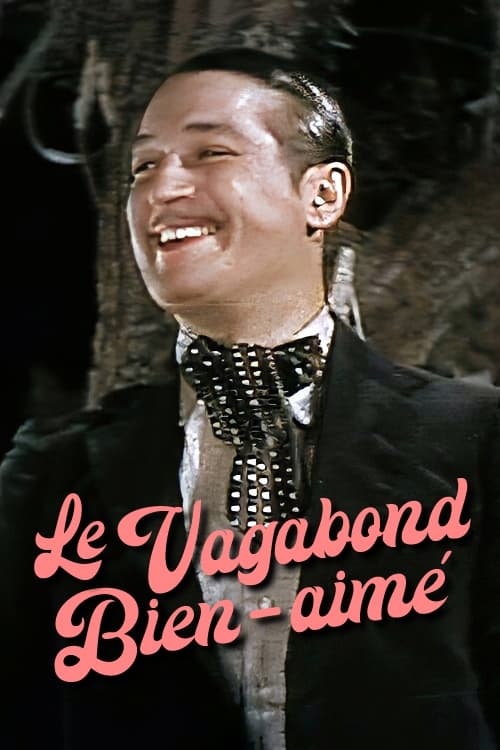 学習中The Beloved Vagabond1936 · 撮影監督
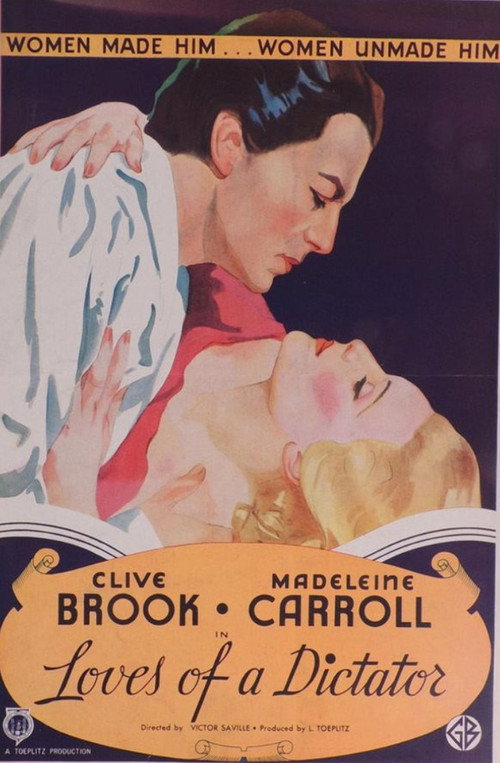 学習中The Dictator1935 · 撮影監督
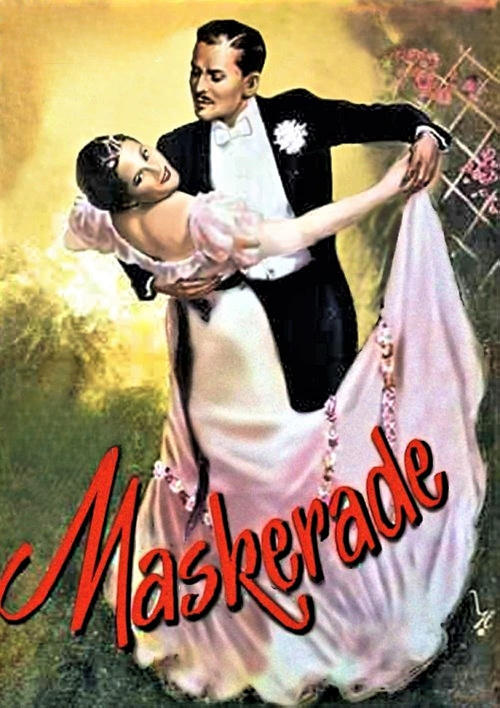 学習中Masquerade in Vienna1934 · 撮影監督
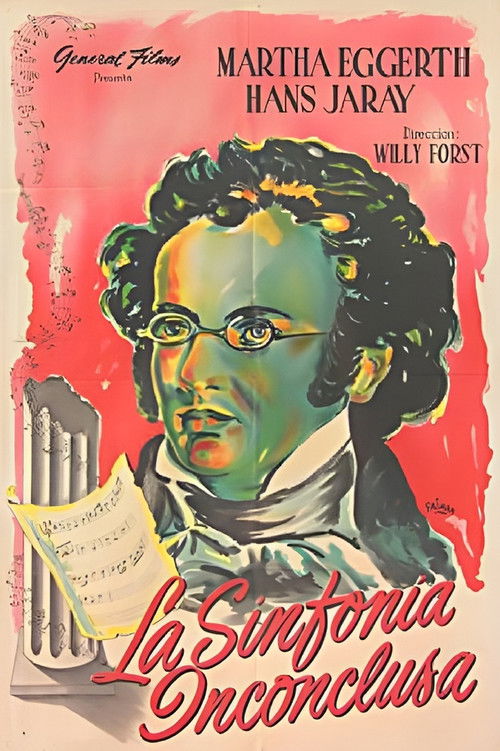 学習中Unfinished Symphony1934 · 撮影監督
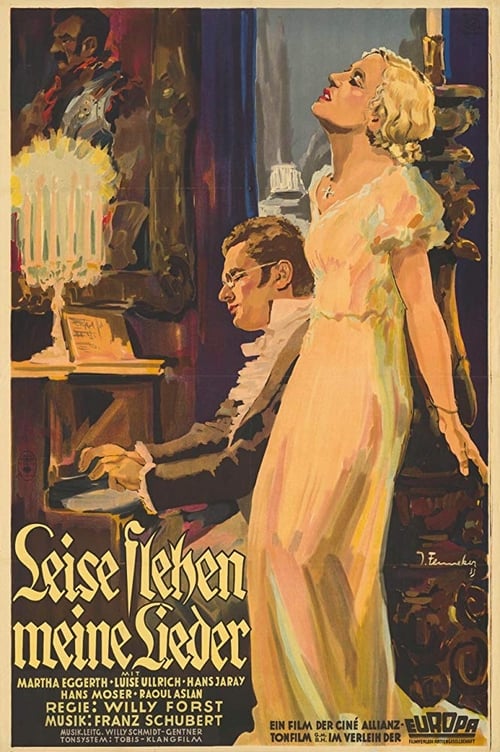 学習中Lover Divine1933 · 撮影監督
 学習中Liebelei1933 · 撮影監督
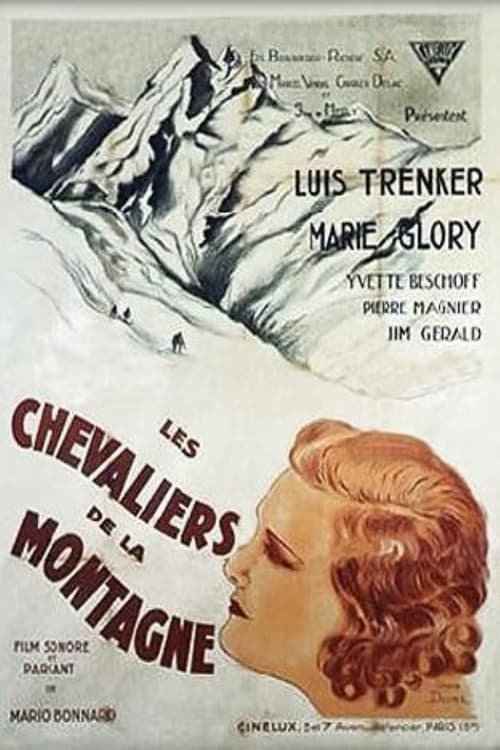 学習中The Knights of the Mountain1930 · 撮影監督
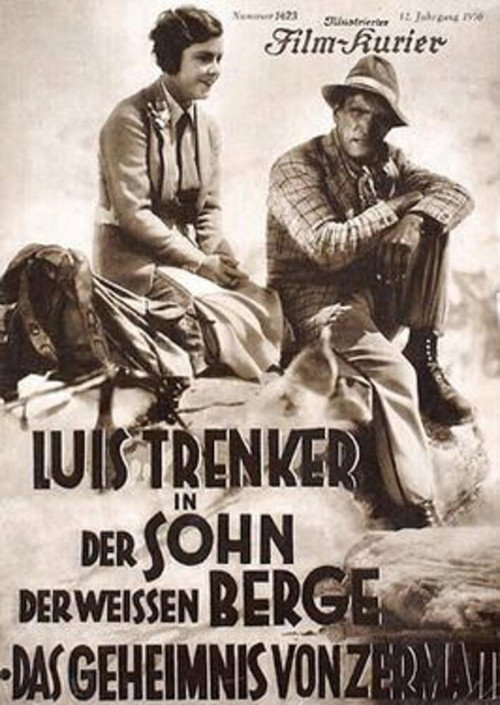 学習中The Son of the White Mountain1930 · 撮影監督
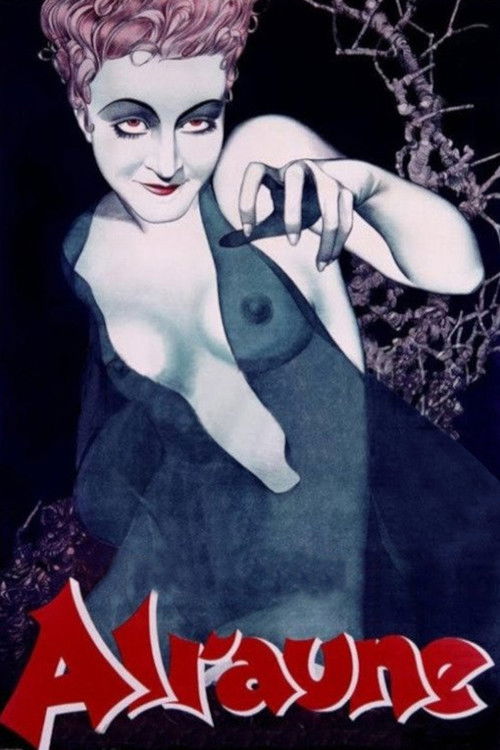 学習中A Daughter Of Destiny1928 · 撮影監督
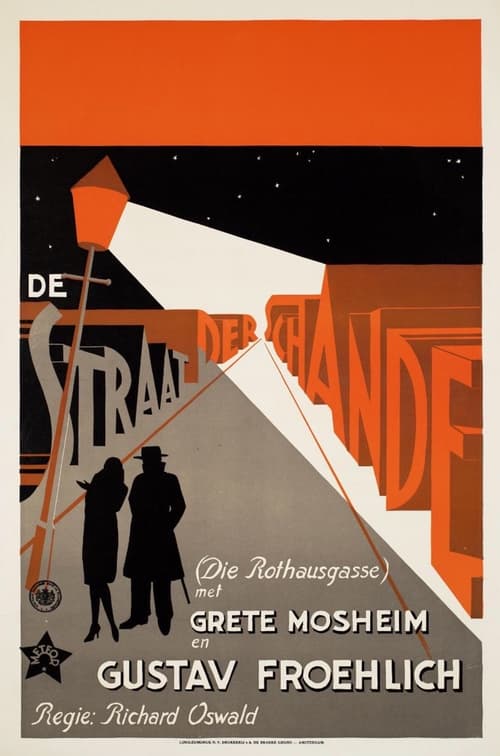 学習中The Green Alley1928 · 撮影監督
 学習中The Finances of the Grand Duke1924 · 撮影監督
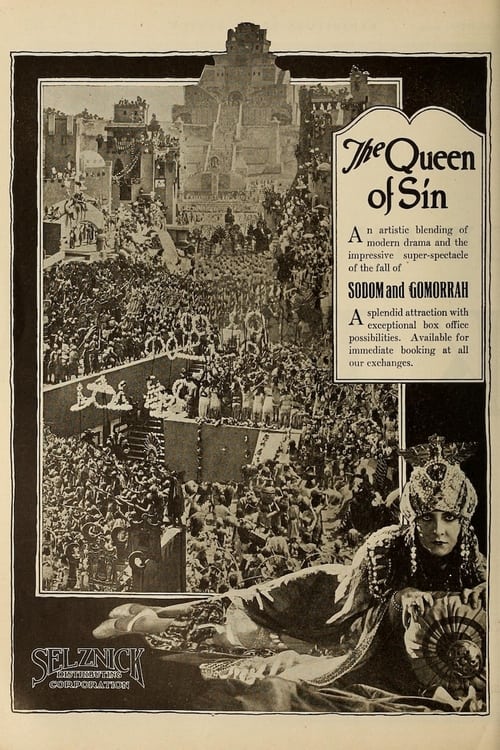 学習中Sodom and Gomorrah1922 · 撮影監督
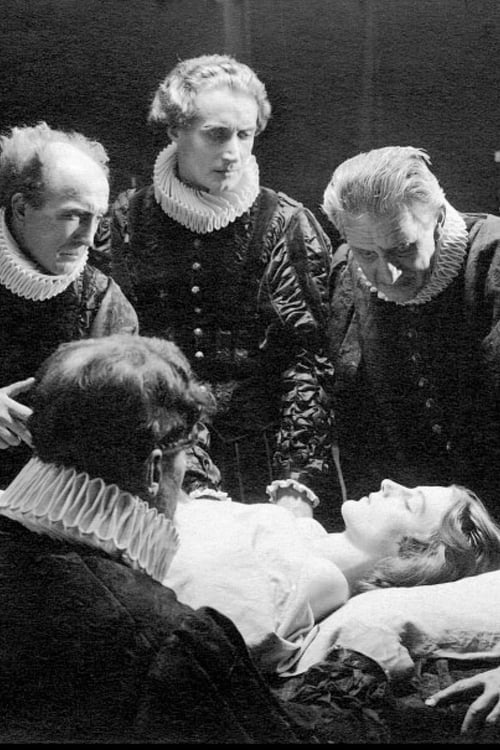 学習中The Favourite of the Queen1922 · 撮影監督
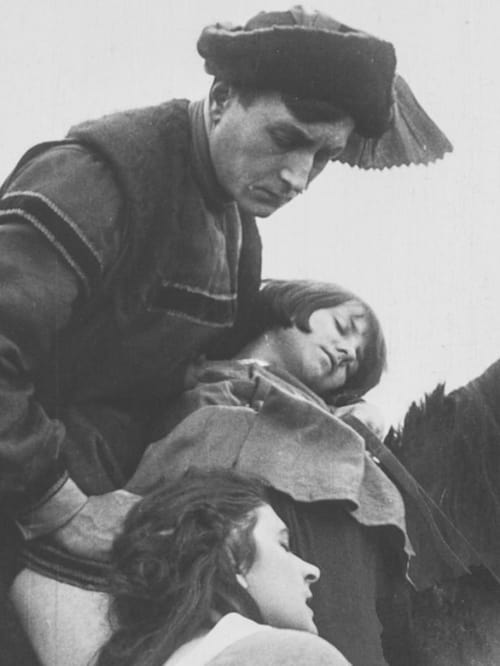 学習中Der Ochsenkrieg1920 · 撮影監督