
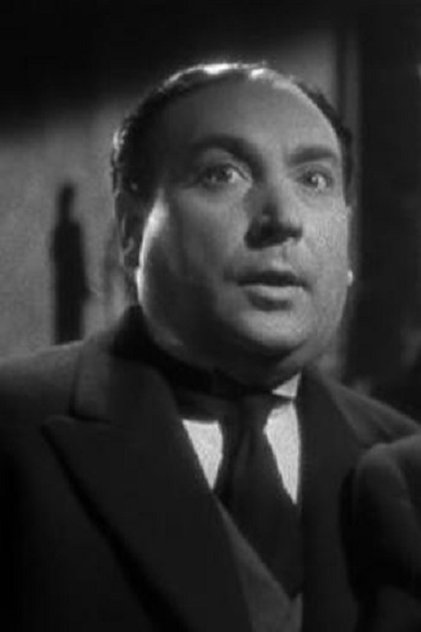
Juan Calvo
- Nascimento
- 22 de maio de 1892
- Falecimento
- 7 de março de 1962
- Natural de
- Onteniente, Valencia, Spain
Juan Calvo was a Spanish actor. He began his contact with cinema in 1934, with a small part in the sound version of Florián Rey's La hermana San Sulpicio. During part of the war he was representing theatrical plays in the national zone, but at the end of the war he abandoned the stage to devote himself fully to the cinema, whose filmography consists of about eighty titles. In 1938 he shot in the German studios of Ufa, Suspiros de España, by Benito Perojo, and the following year he finished shooting the film by Fernando Delgado, El genio alegre, begun in 1936, which had remained unfinished due to the outbreak of the Civil War. After shooting Florián Rey's La Dolores in 1940, he spent a couple of seasons filming between Spain and Italy, where he stood out in Ladislao Vajda's film Conjura en Venecia. In the first half of this decade he also stood out in two other films by this director, El testamento del Virrey and Cinco lobitos, as well as in Raza and El escándalo, by José Luis Sáenz de Heredia; Huella de luz, El clavo, Eloísa está debajo de un almendro and Tierra sedienta, by Rafael Gil; Boda en el infierno and Los últimos de Filipinas, by Antonio Román, or Tuvo la culpa Adán and Ella, él y sus millones, by Juan de Orduña. In 1946 he moved to Mexico, where he filmed until 1953, although he finished filming Don Quixote de la Mancha for Rafael Gil in Madrid in 1947, excelling in his interpretation of Sancho Panza.
Mostrar maisMostrar menos
In his Aztec journey he worked under the orders of some Spanish directors who were in exile, standing out in Bel Ami, la historia de un canalla (Bel Ami, the story of a scoundrel), by Antonio Momplet. It is also worth mentioning his performance in Allá en el rancho grande, by Fernando de Fuentes. After filming La venenosa, La virgen desnuda and El mártir del calvario for Miguel Morayta, and, finally, Educando a papá, for Fernando Soler, he returned to film again in Spain, although at this stage he definitively stopped alternating with theater. Of his activity on the screen, in this decade he stands out in the film by Ladislao Vajda, Marcelino, pan y vino, in which he gave a memorable performance in the character of Fray Papilla, for which he received the Círculo de Escritores Cinematográficos Award in 1955, an entity that also distinguished him the following year for his work in Calabuch, a film by Berlanga, which gave him the same year the award of the Sindicato Nacional del Espectáculo (National Union of the Spectacle). He also shot for Vajda, Aventuras del barbero de Sevilla, Tarde de toros and Mi tío Jacinto, and for Berlanga, Los jueves, milagro, as well as in Historias de la radio and in Diez fusiles esperan, for Sáenz de Heredia. His last screen appearance was in 1961, in Fray Escoba, by Ramón Torrado.
In his long cinematographic history, he was mainly cast in the roles of bullfighting impresario and businessman, often with the repeated image of an angry man, with a Havana cigar between his fingers, although it was also common that behind that interpretative mask he was allowed to show off his bonhomie.
That easy-going spirit was consubstantial in him. He always stood out for his very personal voice, which he had undoubtedly educated in his years of work in the theater.
Biografia do TMDB
Atuação 26
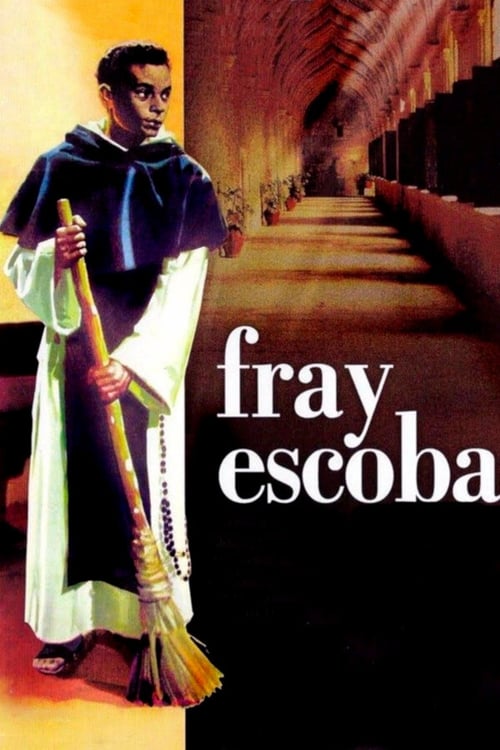 AprendendoFray Escoba1961
 AprendendoSolo para hombres1960
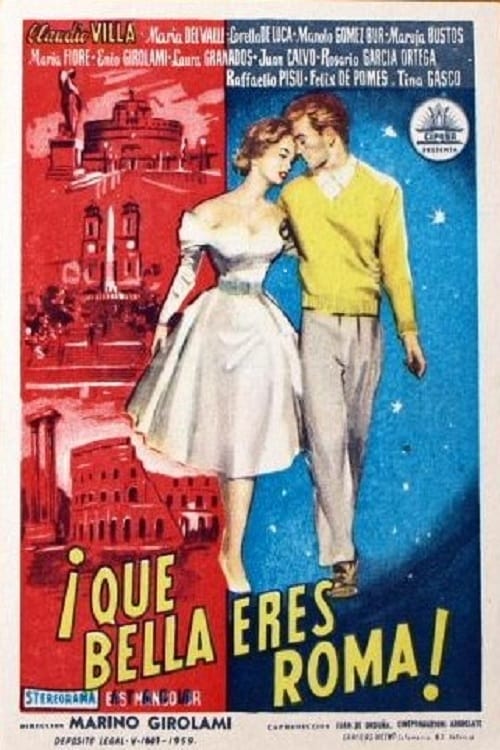 AprendendoQuanto sei bella Roma1959
 AprendendoNel blu dipinto di blu1959
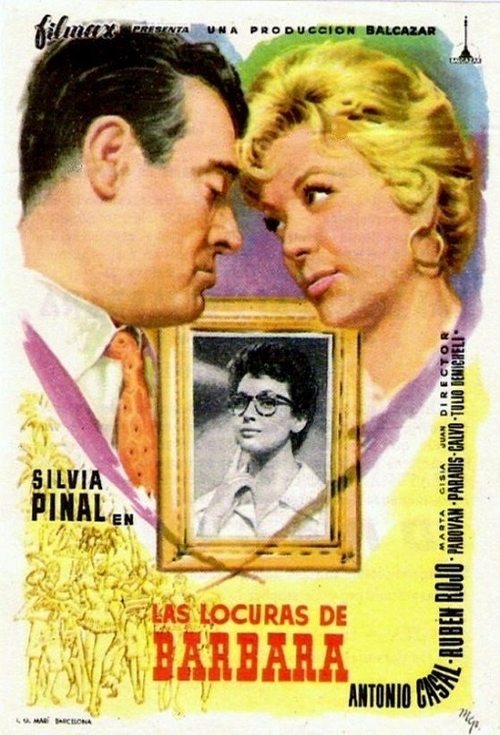 AprendendoLas locuras de Bárbara1959
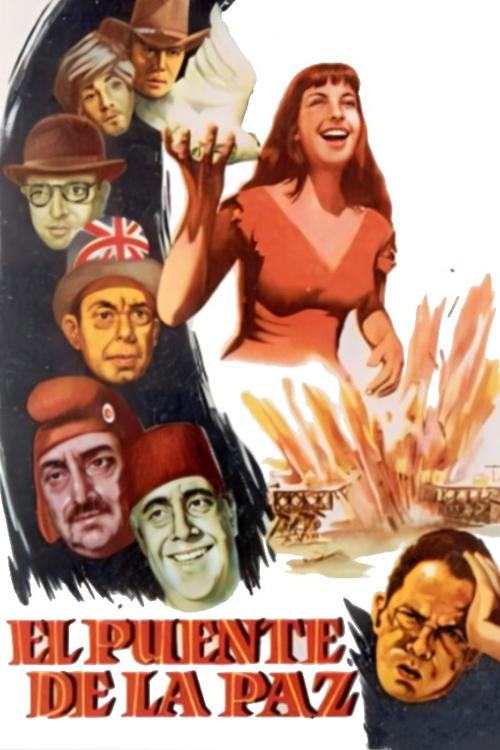 AprendendoEl puente de la paz1958
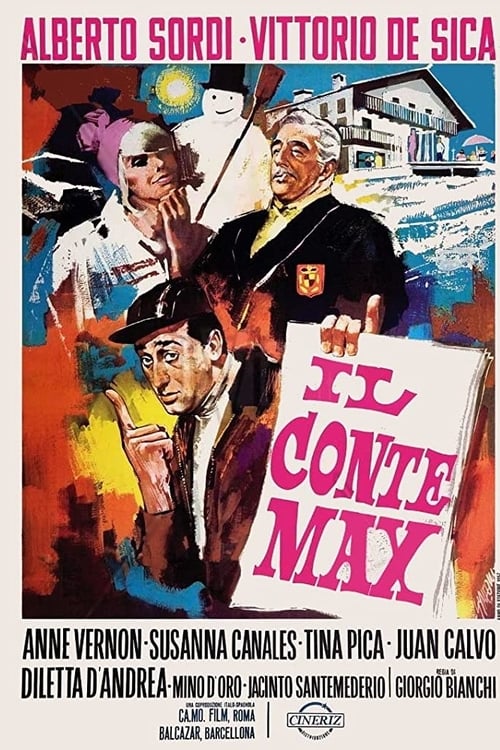 AprendendoIl conte Max1957
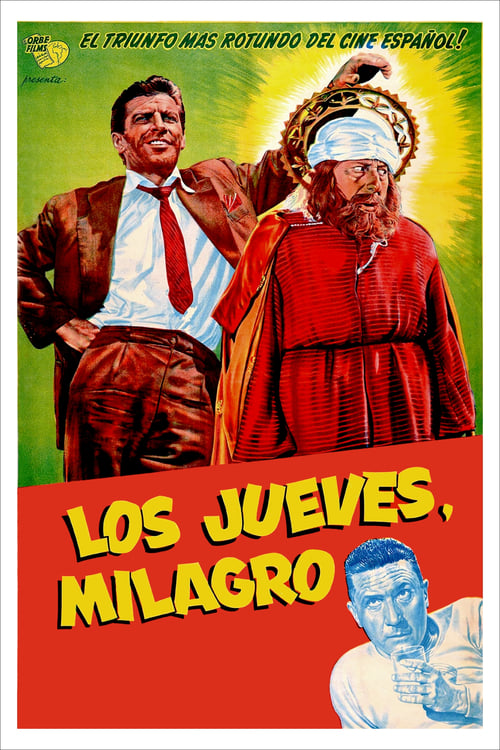 AprendendoLos jueves, milagro1957
 AprendendoCalabuch1956
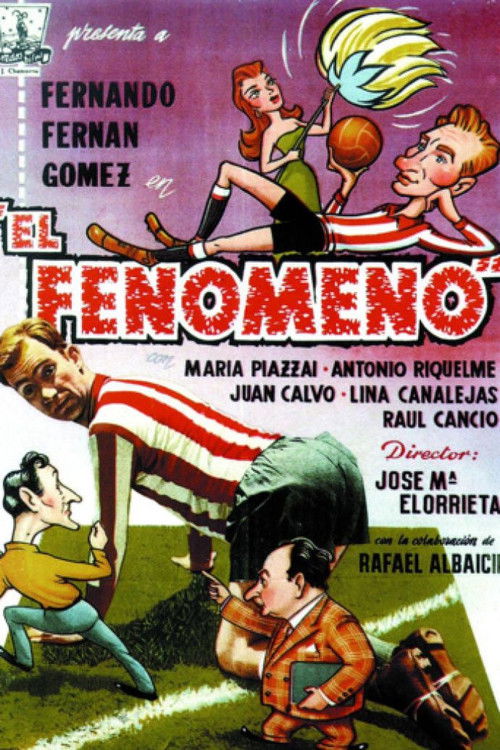 AprendendoEl fenómeno1956
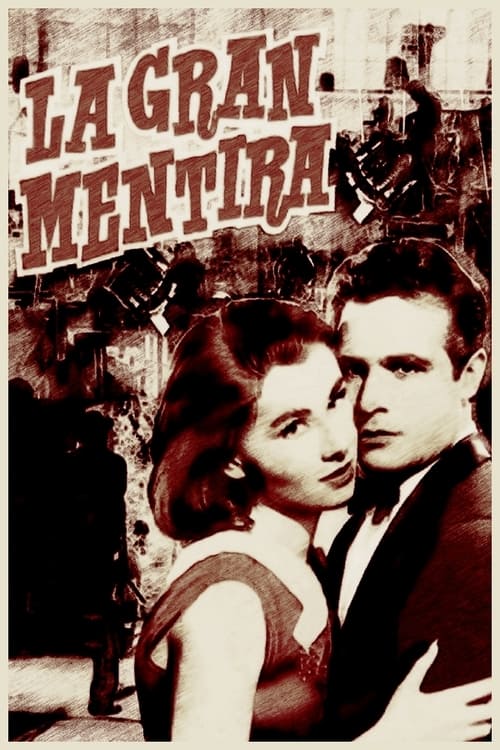 AprendendoLa gran mentira1956
 AprendendoTarde de toros1956
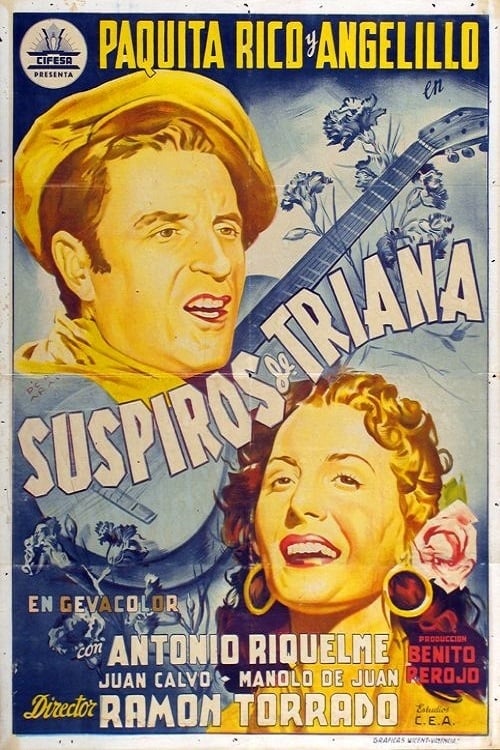 AprendendoSuspiros de Triana1955
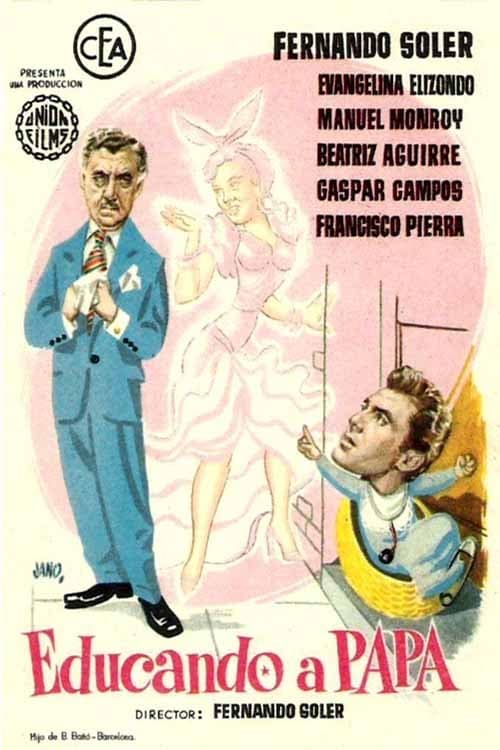 AprendendoEducando a papá1955
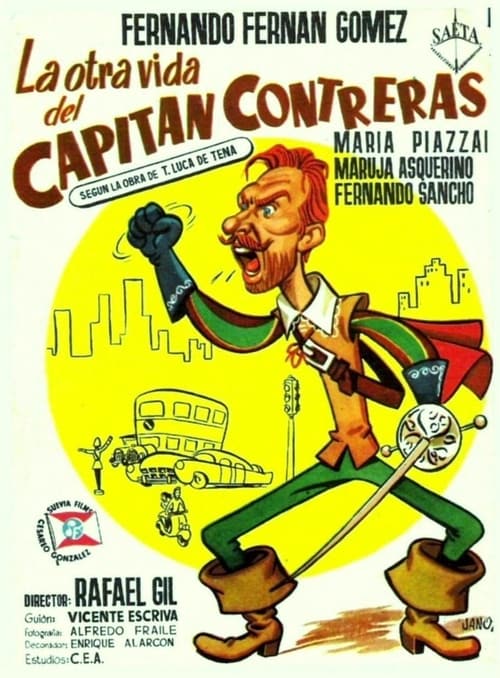 AprendendoLa otra vida del capitán Contreras1955
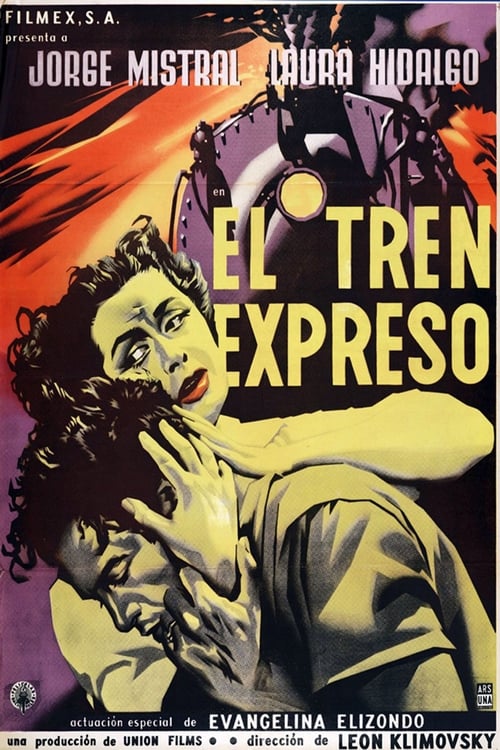 AprendendoEl tren expreso1955
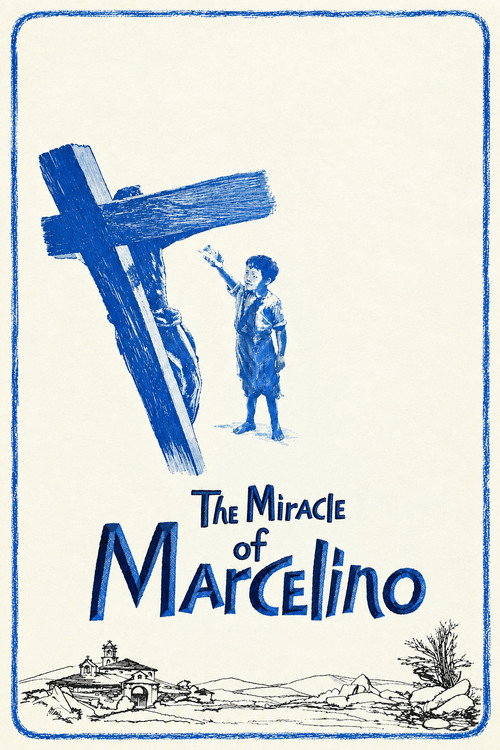 Marcelino Pão e Vinho1955
 AprendendoEl torero1954
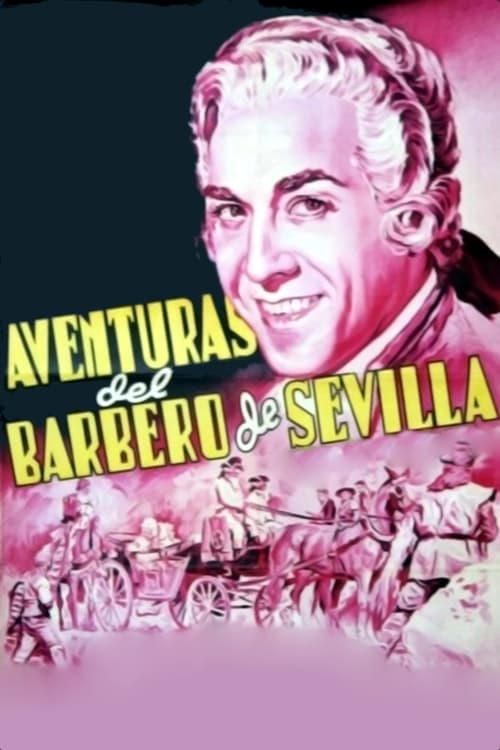 AprendendoAventuras del barbero de Sevilla1954
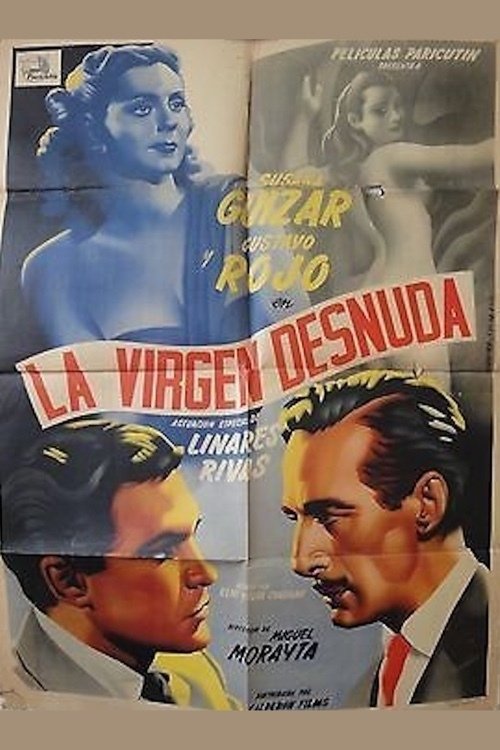 AprendendoLa virgen desnuda1950
 AprendendoHermoso ideal1948
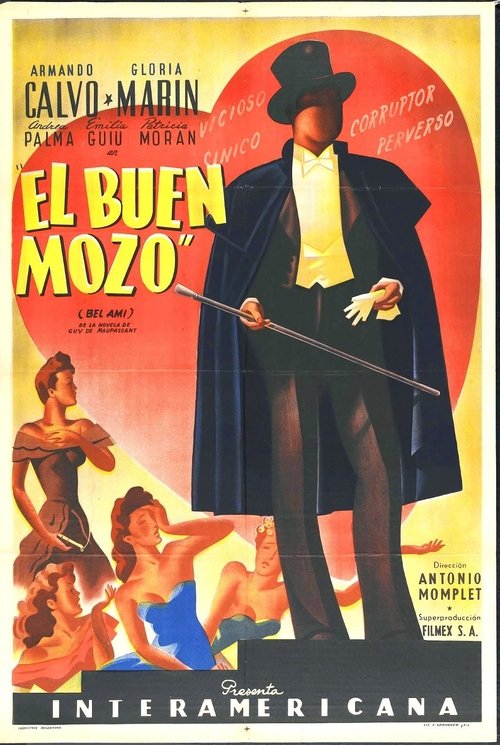 AprendendoEl Buen Mozo1946
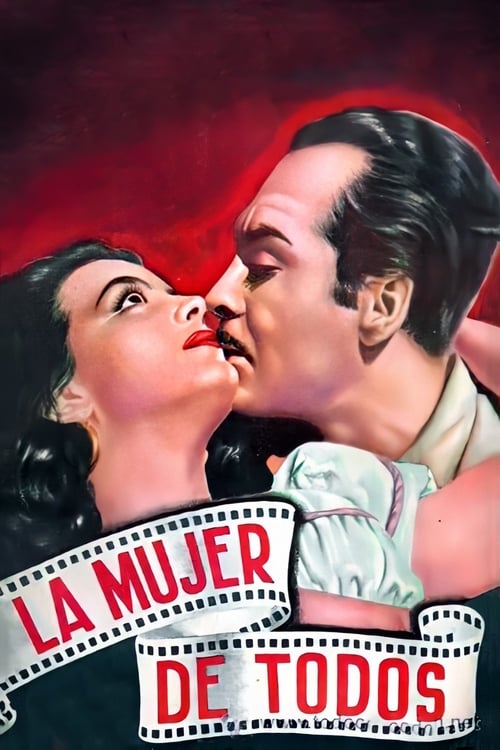 AprendendoLa mujer de todos1946
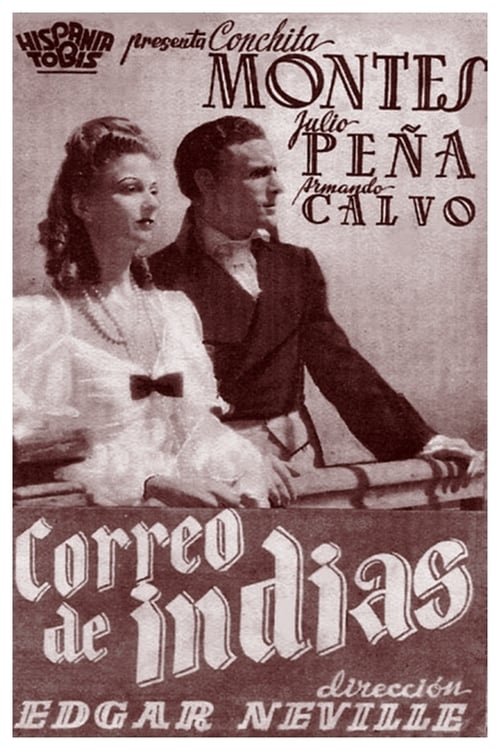 AprendendoCorreo de Indias1942
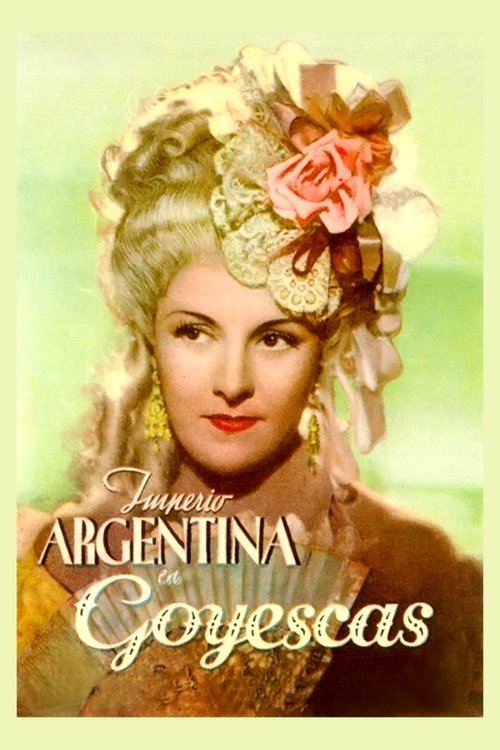 AprendendoGoyescas1942
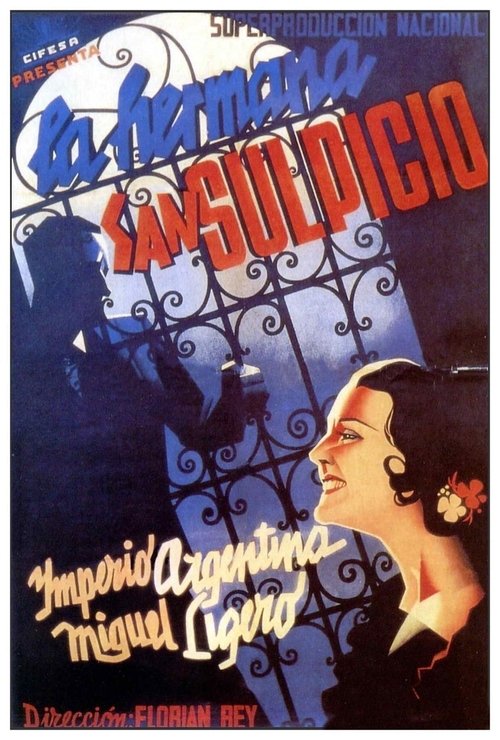 AprendendoLa hermana San Sulpicio1934