
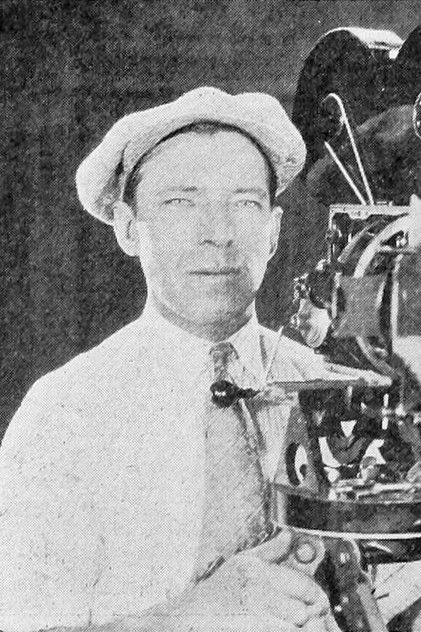
Elgin Lessley
- Nascimento
- 10 de janeiro de 1883
- Falecimento
- 8 de fevereiro de 1944
- Natural de
- Higbee, Missouri, USA
Elgin Lessley (also credited as Lesly, Lessly, and Leslie) (June 10, 1883 - January 10, 1944) was an American hand-crank cameraman of the silent film era—a period of filmmaking when virtually all special effects work had to be produced inside the camera during filming. Though Lessley worked earlier with Roscoe "Fatty" Arbuckle, and later with Harry Langdon, he is best known for the groundbreaking effects he produced with Buster Keaton, who dubbed him "the human metronome" for his ability to crank consistently at any requested speed.
Mostrar maisMostrar menos
Lessley's most striking effects were in The Playhouse (1921) and Sherlock Jr. (1924). In The Playhouse, through use of a specially shuttered lens and repeated back-cranking and re-cranking, Lessley allowed Keaton to appear as up to nine characters simultaneously, interacting with one another. In Sherlock Jr., Lessley's careful positioning of camera and actor in various locations produced the effect of a man stuck in a movie where his location keeps changing as he struggles to keep up. Lessley retired from filmmaking after shooting The Cameraman with Buster Keaton in 1928.
Biografia do TMDB
Atuação 1
Outros créditos 10
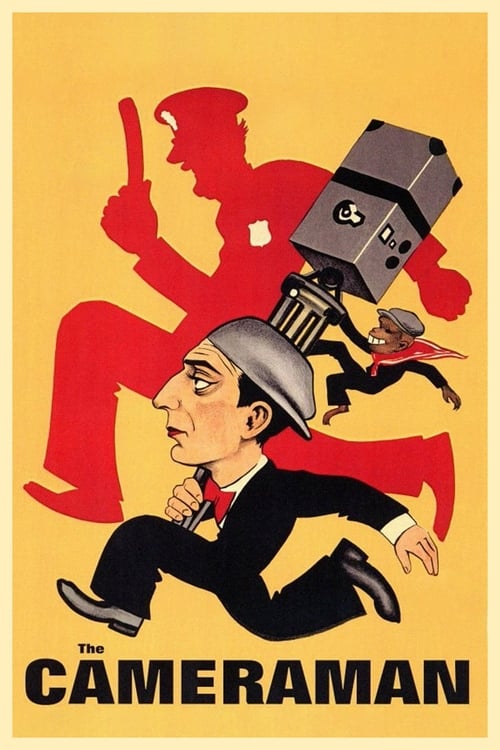 O Homem das Novidades1928 · Direção de fotografia
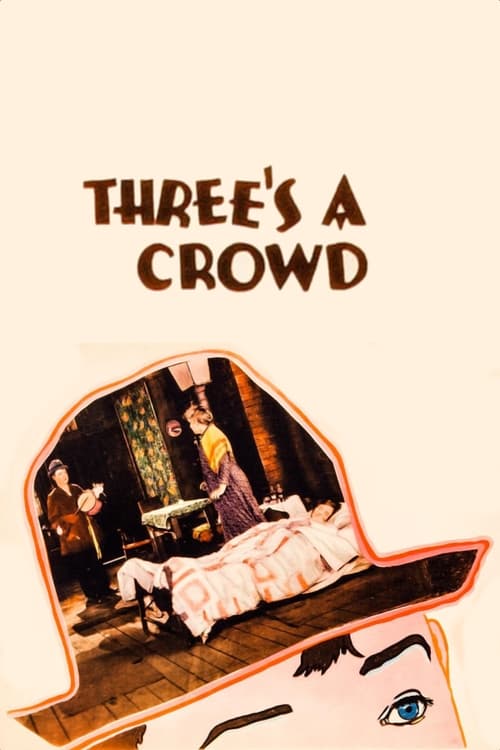 AprendendoThree's a Crowd1927 · Direção de fotografia
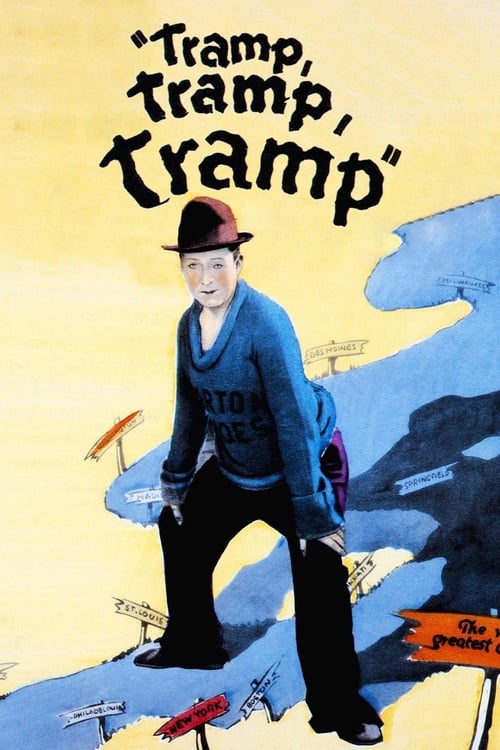 O Andarilho1926 · Direção de fotografia
 Vaqueiro Avacalhado1925 · Direção de fotografia
 AprendendoSeven Chances1925 · Direção de fotografia
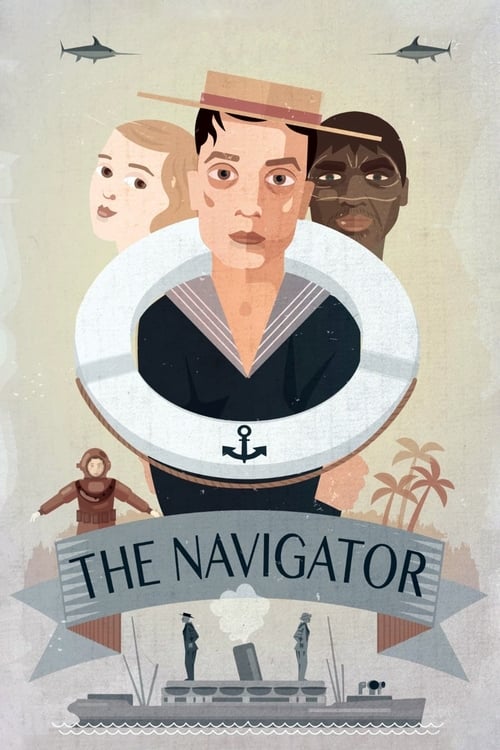 AprendendoMarinheiro Por Descuido1924 · Direção de fotografia
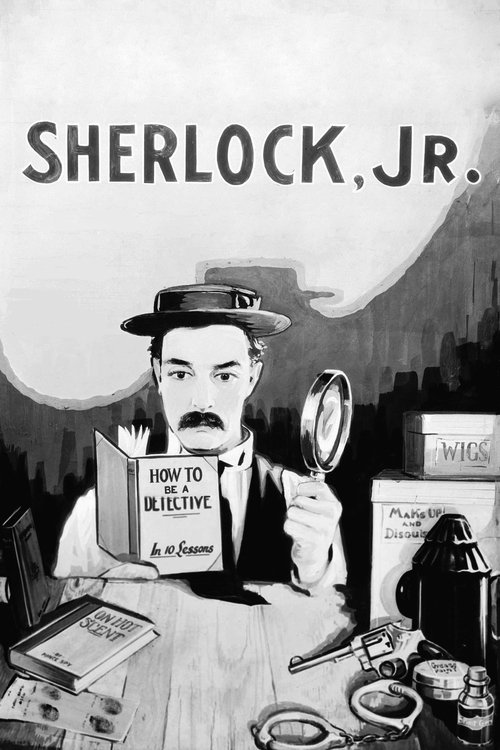 Bancando o Águia1924 · Direção de fotografia
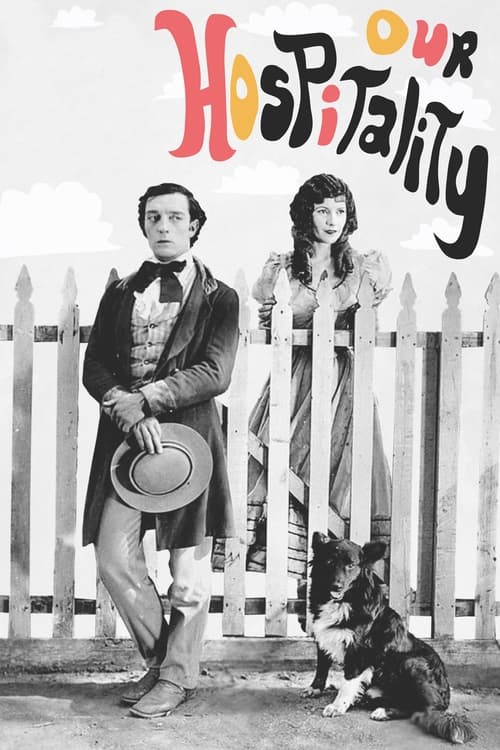 AprendendoOur Hospitality1923 · Direção de fotografia
 AprendendoThree Ages1923 · Direção de fotografia
- Alias Mary BrownAprendendoAlias Mary Brown1918 · Direção de fotografia