
Ferris Webster
- 출생
- 1912년 4월 29일
- 사망
- 1989년 2월 4일
- 출생지
- Walla Walla, Washington, USA
From Wikipedia, the free encyclopedia
더 보기접기
Ferris Webster (April 29, 1912 – February 4, 1989) was an American film editor with approximately seventy-two film credits. He was nominated for Academy Awards for Best Film Editing for his work on Blackboard Jungle (1955), The Manchurian Candidate (1962), and The Great Escape (1963).
Webster was raised in the state of Washington, and was a student at the University of Southern California, where he was an outstanding track and field athlete. He was trained as an editor at the MGM Studios, and received his first feature-film credit in 1943 for Harrigan's Kid. At MGM, Webster edited six films with director Vincente Minnelli: Undercurrent (1946), Madame Bovary (1949), Father of the Bride (1950), Father's Little Dividend (1951), The Long, Long Trailer (1954), and Tea and Sympathy (1956). Film critic Bruce Eder has written of Madame Bovay that, "the cutting of the film in the gala ball sequence, in particular, was a marvel of the editor's art in the service of old Hollywood's restrained, elegant storytelling." In the mid-1950s, he edited three films with director Richard Brooks: Blackboard Jungle (1955), Something of Value (1957), and Cat on a Hot Tin Roof (1958); Webster received his first nomination for the Academy Award for Blackboard Jungle. His last film at MGM was Key Witness (1960).
Bruce Eder has written, "If ever a film editor deserved public recognition in the 1960s, it was Ferris Webster." Webster edited the three films of director John Frankenheimer's "paranoia trilogy": The Manchurian Candidate (1962), Seven Days in May (1964), and Seconds (1966). Eder writes that The Manchurian Candidate was "the editor's magnum opus. The shooting, cutting, and intercutting of one extended brainwashing sequence, seen from multiple points-of-view, is still striking decades later, and the movie earned Webster his second Academy Award nomination." Frankenheimer cast Webster in his only appearance as a film actor, as Air Force Gen. Bernard "Barney" Rutkowski in Seven Days in May.
Webster was nominated for an Academy Award for the editing of The Great Escape (1963), which was directed by John Sturges. Webster and Sturges' notable collaboration included fifteen films between 1950 and 1972, which is about half of Sturges' films in that period. It started with The Magnificent Yankee and Mystery Street (1950), and included The Law and Jake Wade (1958), The Magnificent Seven (1960), and Ice Station Zebra (1968). The final film of their collaboration was Joe Kidd (1972), which was near the end of Sturges' career.
Joe Kidd starred Clint Eastwood. In the last phase of his career, Webster edited and co-edited eight films that were directed by Eastwood, starting with High Plains Drifter (1973), which was Eastwood's second film as a director. Webster edited Breezy (1973), The Eiger Sanction (1975), The Outlaw Josey Wales (1976), The Gauntlet (1977), Bronco Billy (1980), Firefox (1982) and Honkytonk Man (both 1982). These latter two films with Eastwood concluded Webster's career as an editor, apparently after a falling-out between the two men.
Additional credits include The Picture of Dorian Gray (1945), Lili (1953), Forbidden Planet (1956), Les Girls (1957), Divorce American Style (1967).
소개 출처: TMDB
출연 2
기타 참여 62
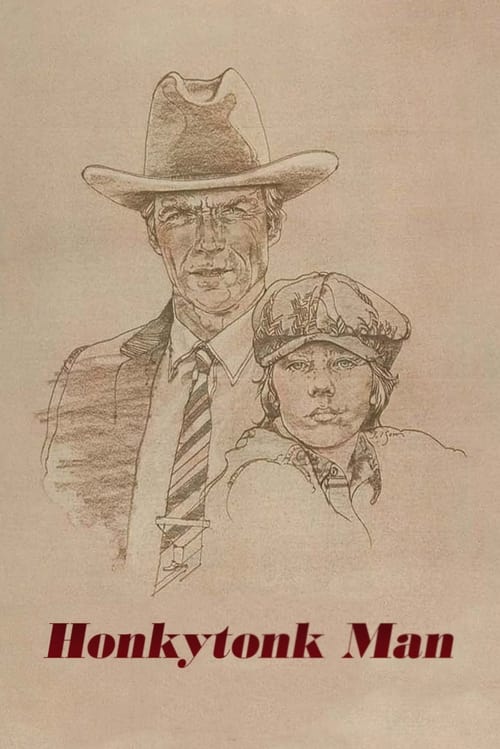 홍키통키맨1982 · 편집감독
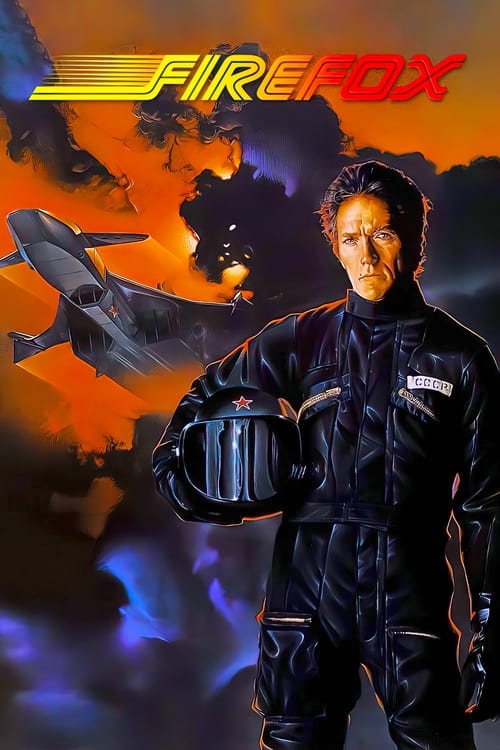 화이어폭스1982 · 편집감독
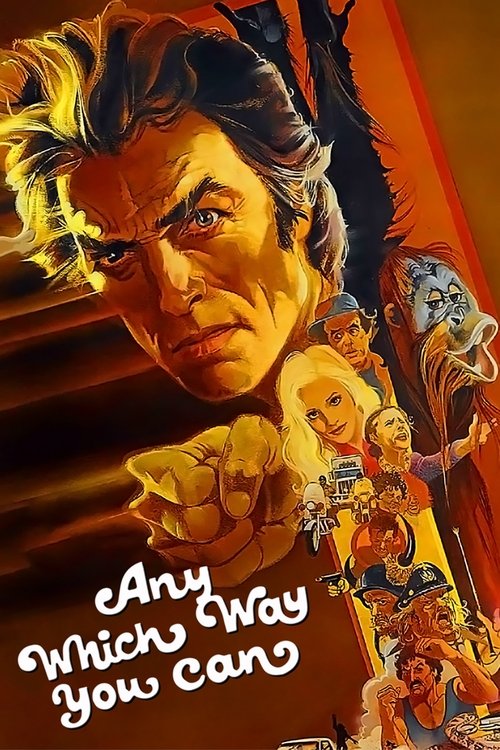 더티 파이터1980 · 편집감독
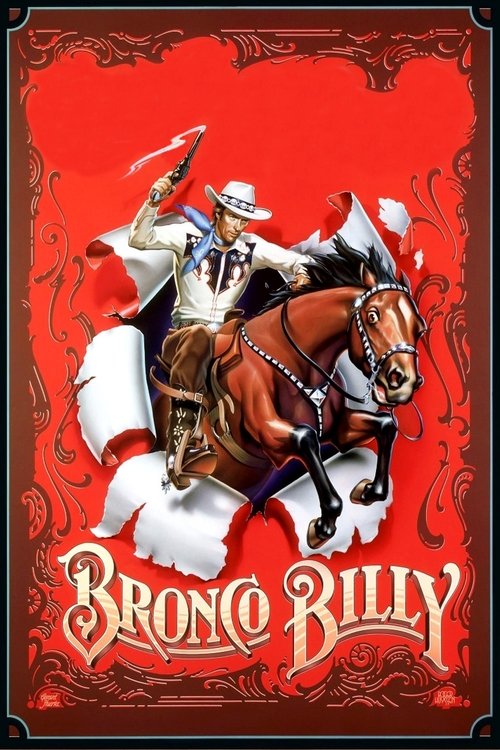 브롱코 빌리1980 · 편집감독
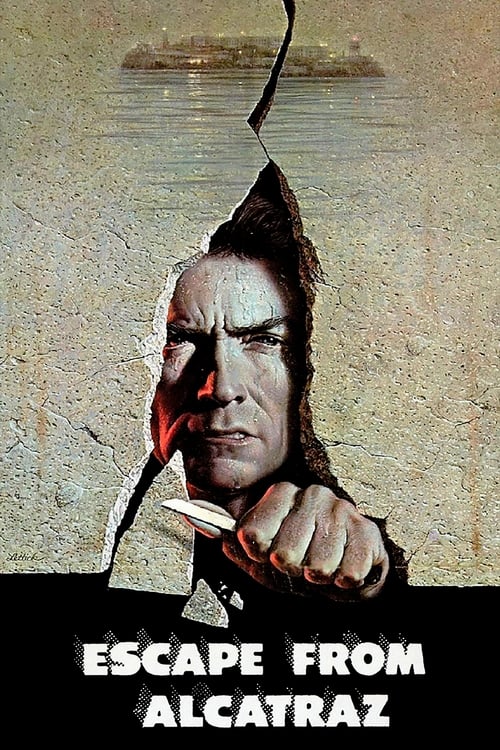 알카트라즈 탈출1979 · 편집감독
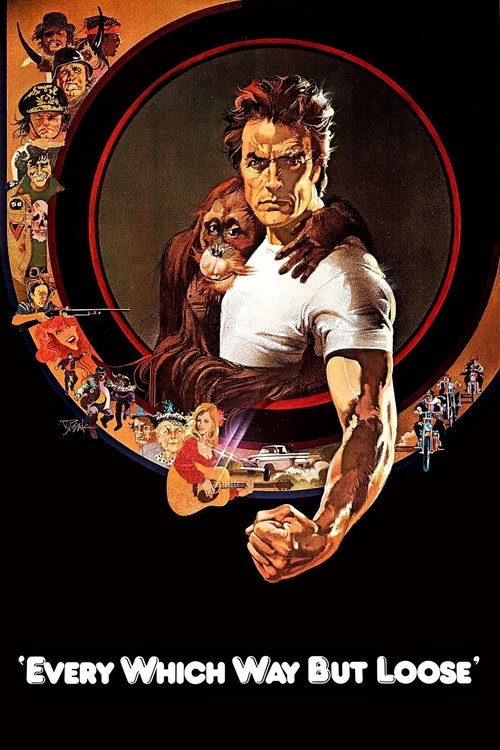 더티 파이터 21978 · 편집감독
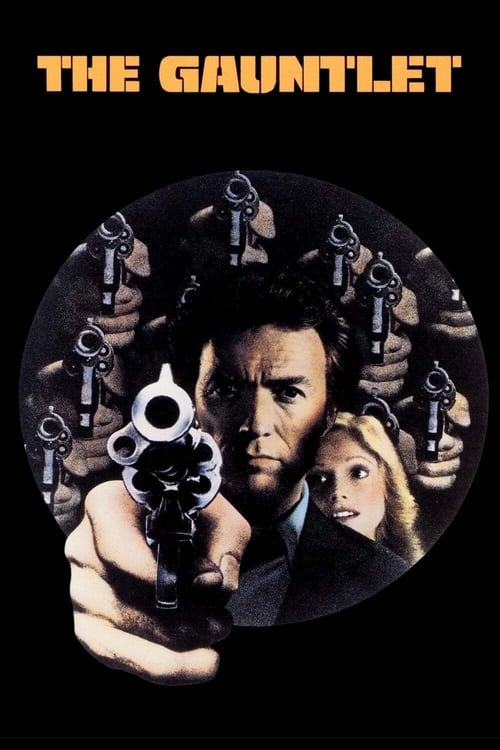 건틀릿1977 · 편집감독
 더티 해리 3: 집행자1976 · 편집감독
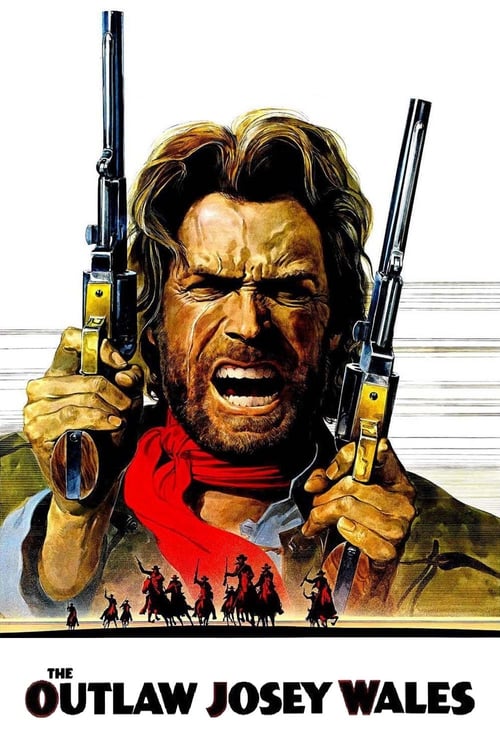 무법자 조시 웰즈1976 · 편집감독
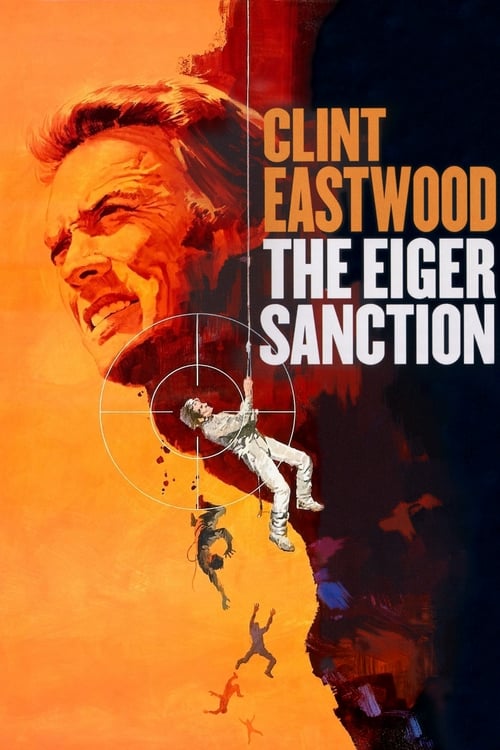 아이거 빙벽1975 · 편집감독
 클린트 이스트우드의 대도적1974 · 편집감독
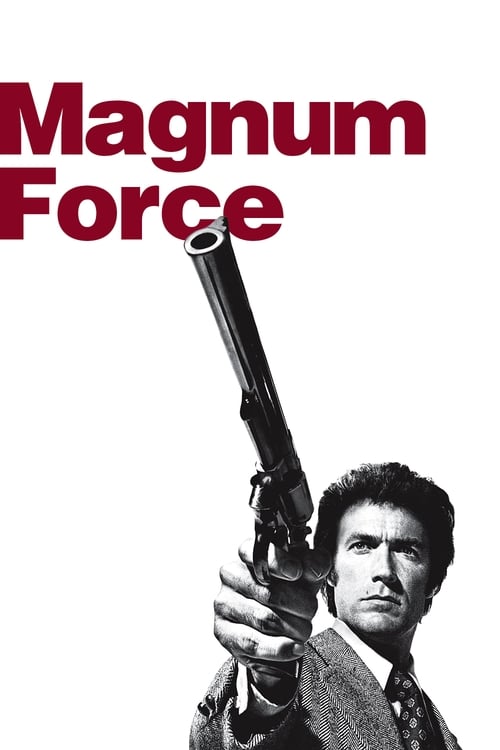 더티 해리 2: 이것이 법이다1973 · 편집감독
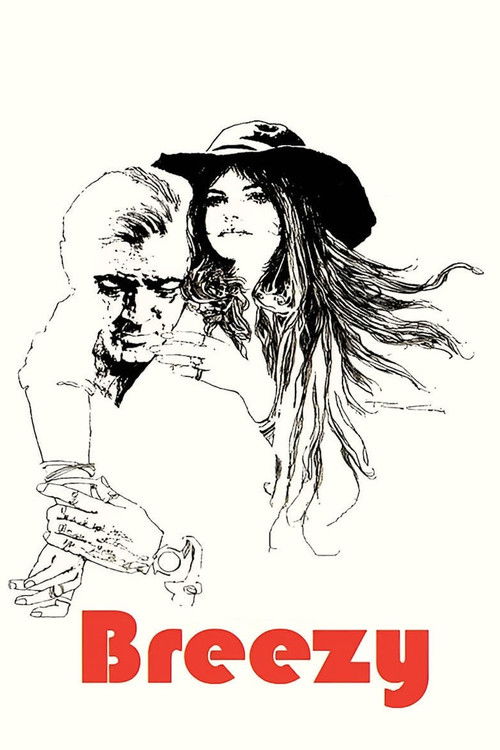 브리지1973 · 편집감독
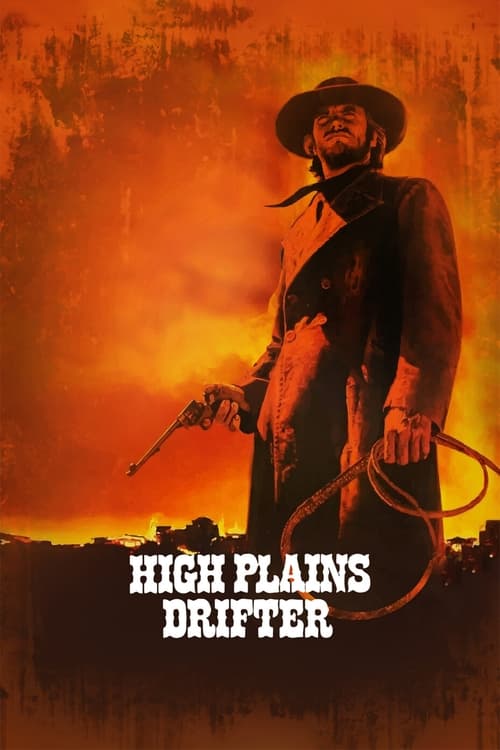 평원의 무법자1973 · 편집감독
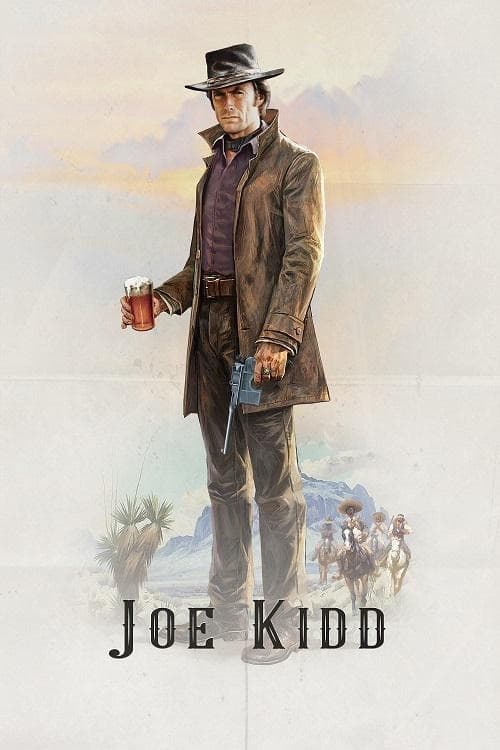 조 키드1972 · 편집감독
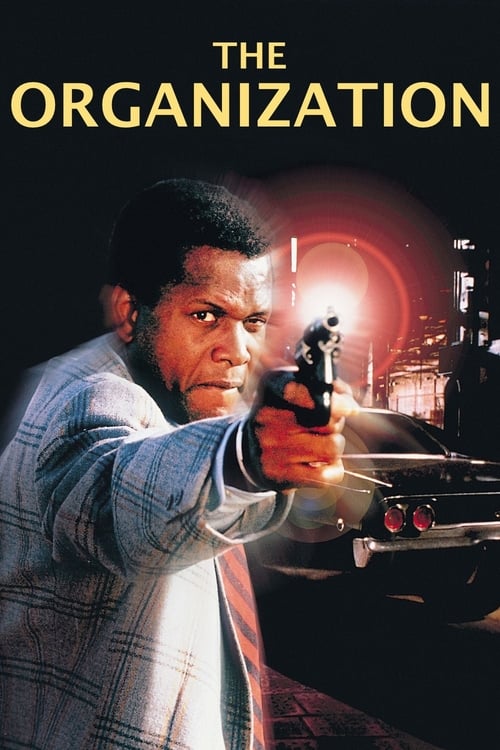 학습 중대혈투1971 · 편집감독
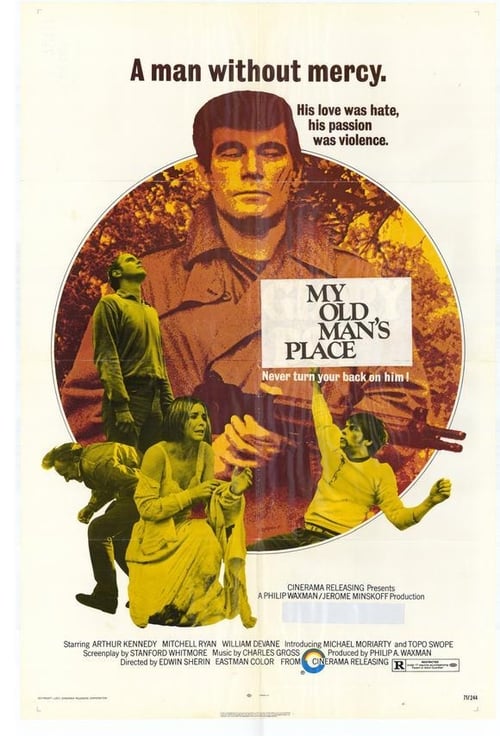 학습 중My Old Man's Place1971 · 편집감독
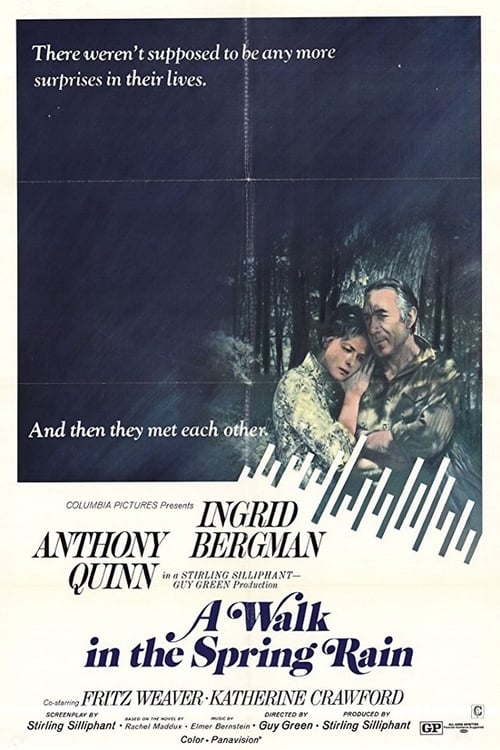 학습 중봄바람1970 · 편집감독
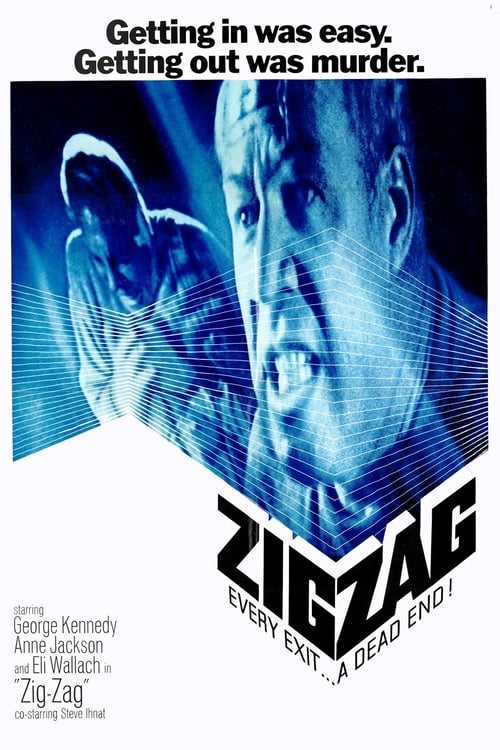 학습 중Zig Zag1970 · 편집감독
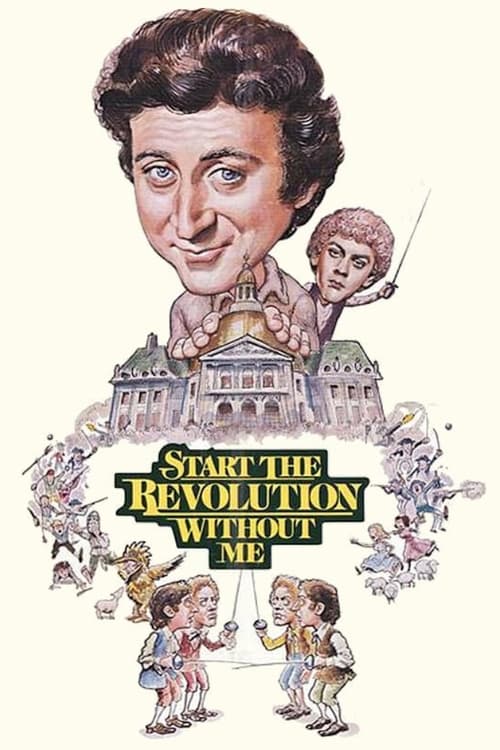 학습 중Start the Revolution Without Me1970 · 편집감독
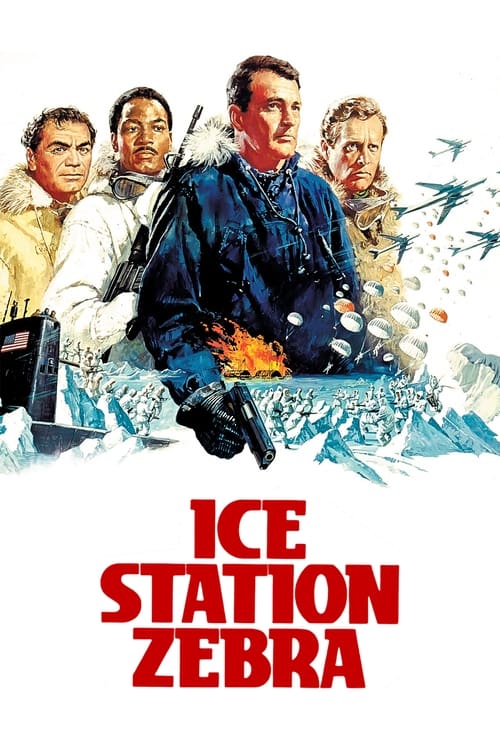 제브라 작전1968 · 편집감독
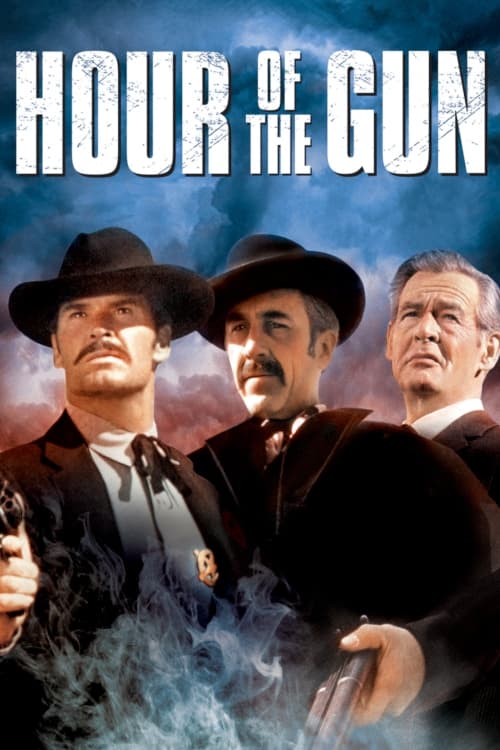 OK 목장의 결투 21967 · 편집감독
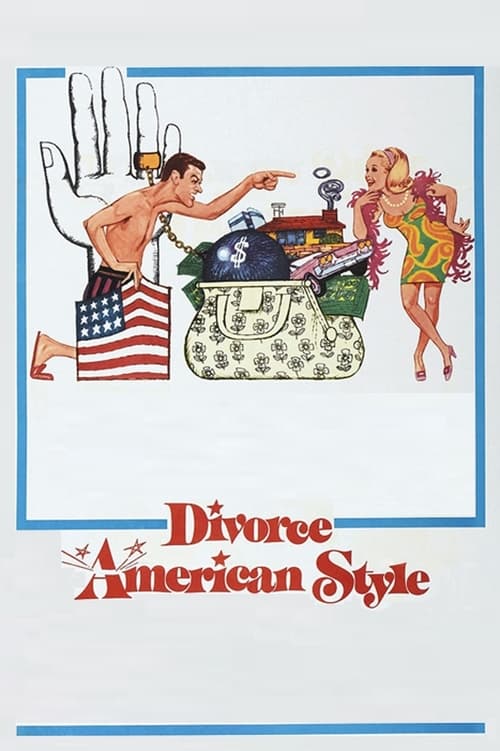 Divorce American Style1967 · 편집감독
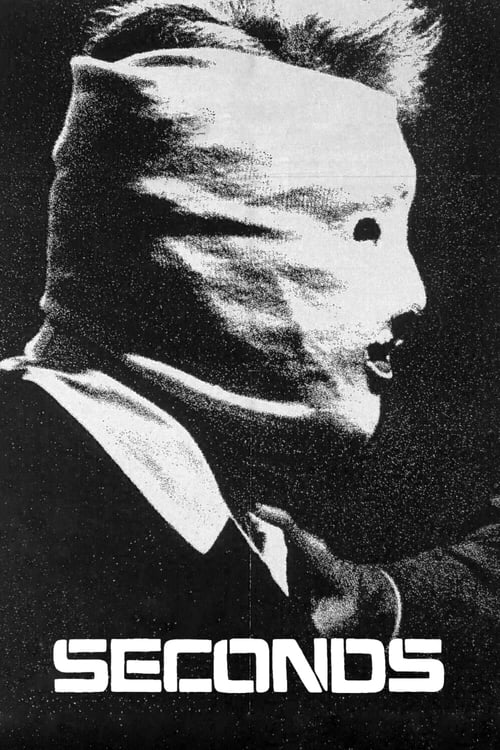 세컨드1966 · 편집감독
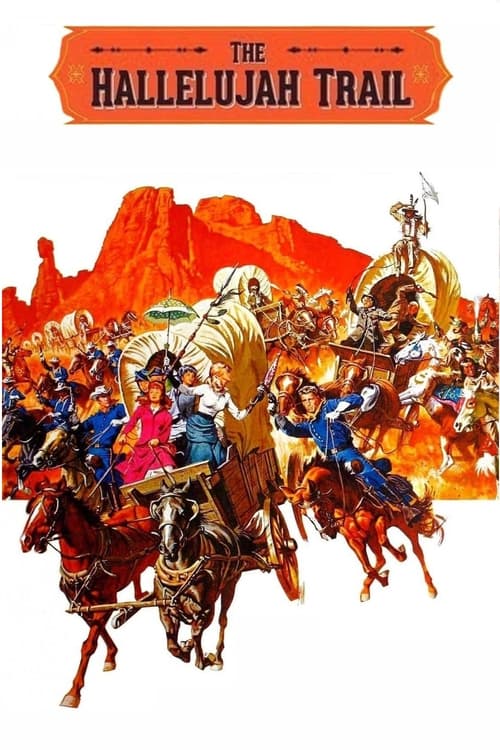 위스키 전쟁1965 · 편집감독
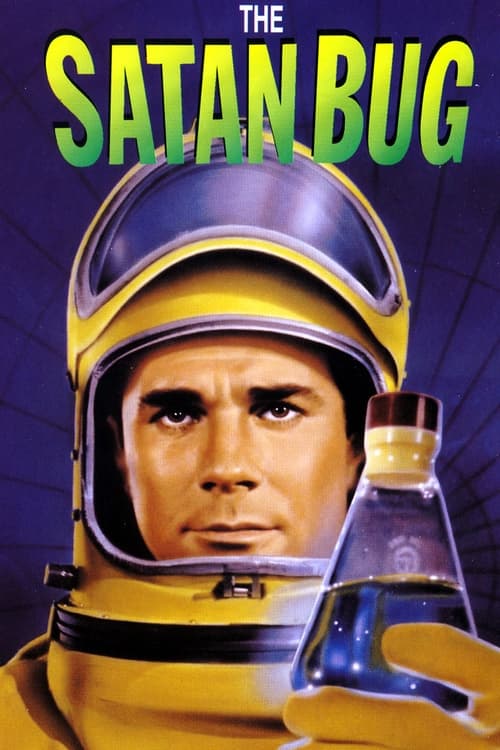 학습 중The Satan Bug1965 · 편집감독
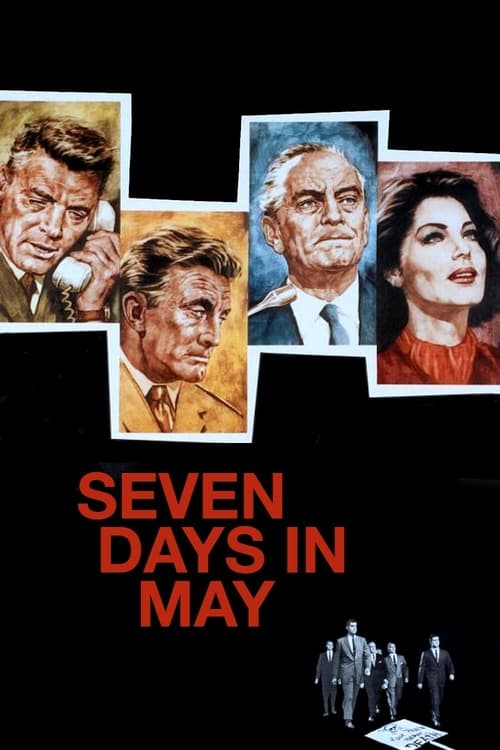 세븐 데이스 인 메이1964 · 배우, 편집감독
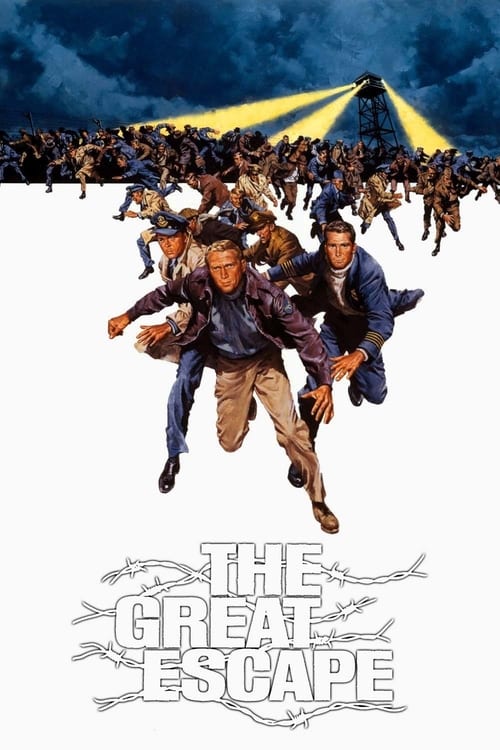 대탈주1963 · 편집감독
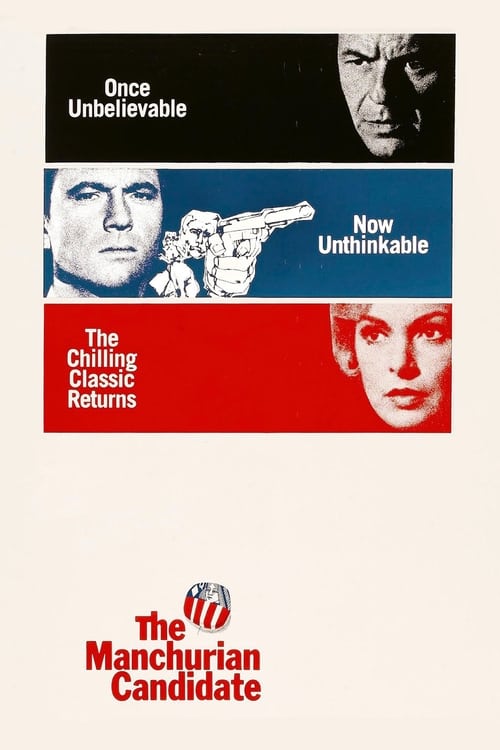 맨츄리안 캔디데이트1962 · 편집감독
 학습 중Sergeants 31962 · 편집감독
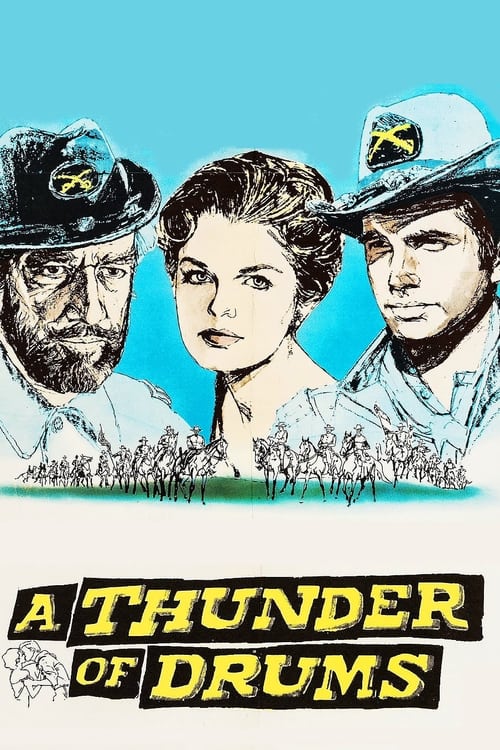 학습 중A Thunder of Drums1961 · 편집감독
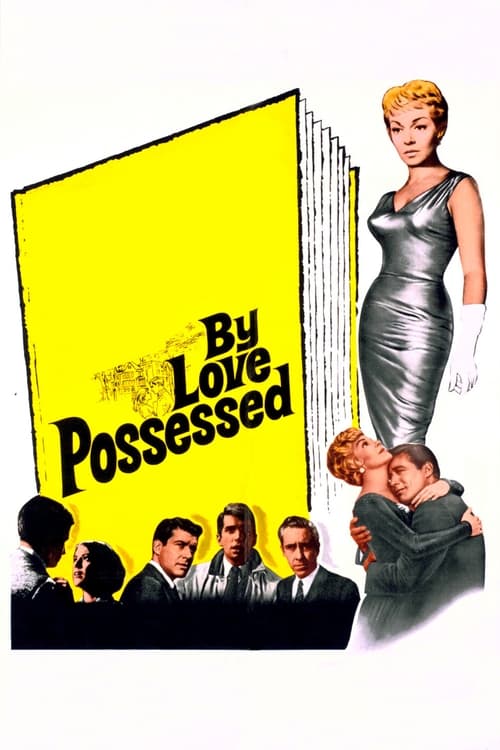 학습 중By Love Possessed1961 · 편집감독
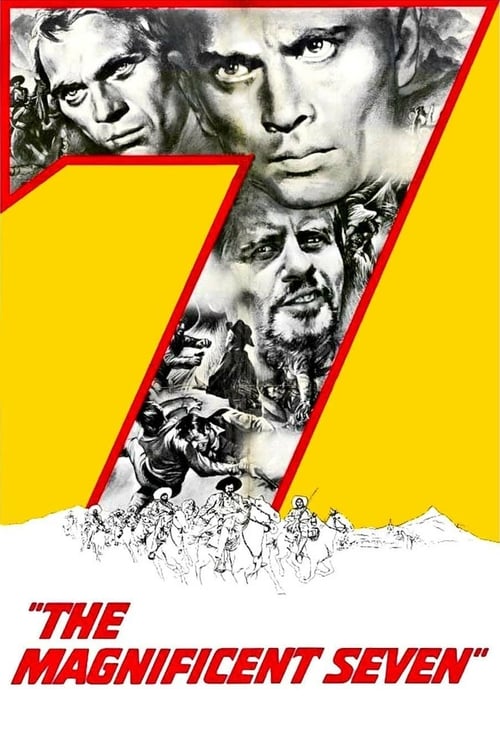 황야의 7인1960 · 편집감독
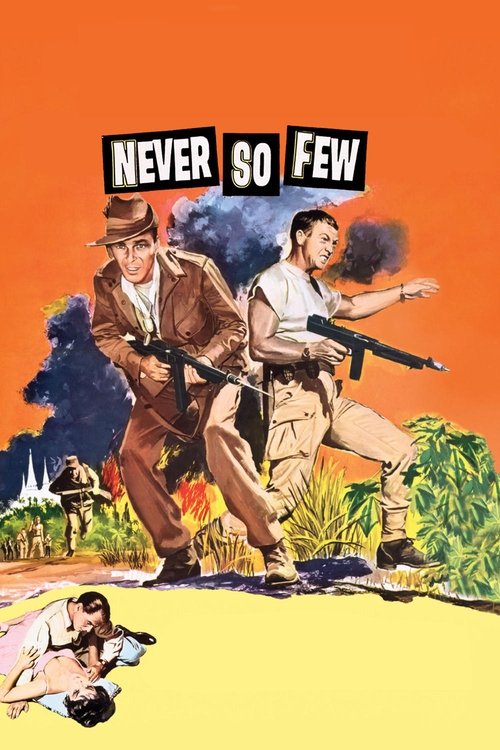 학습 중네버 소 퓨1959 · 편집감독
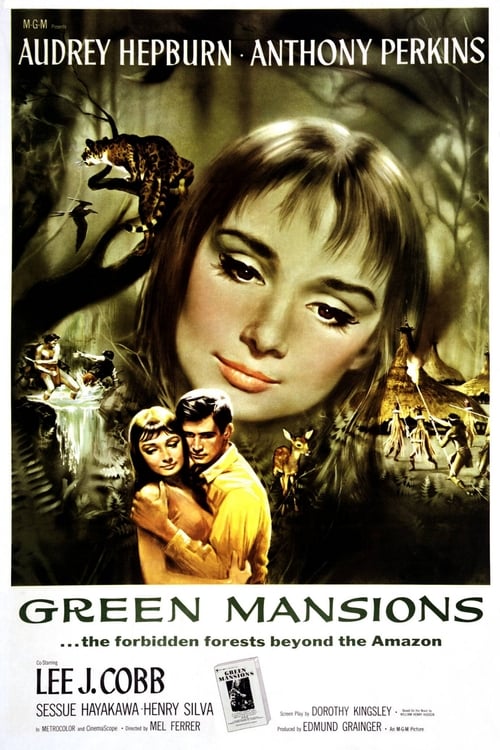 그린 맨션1959 · 편집감독
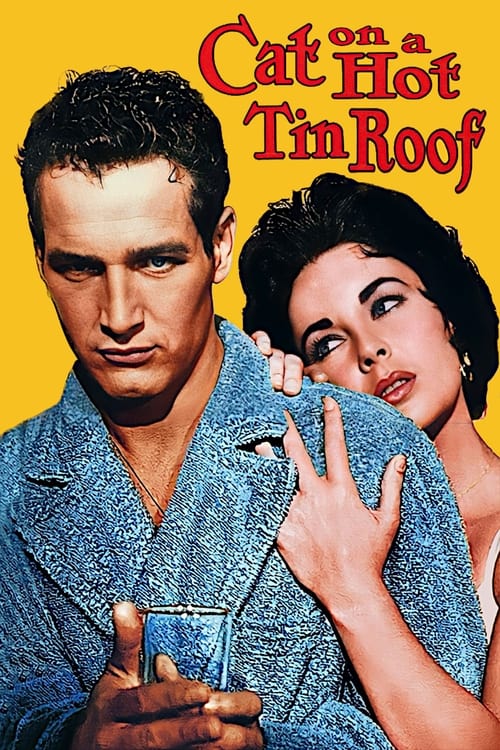 뜨거운 양철 지붕 위의 고양이1958 · 편집감독
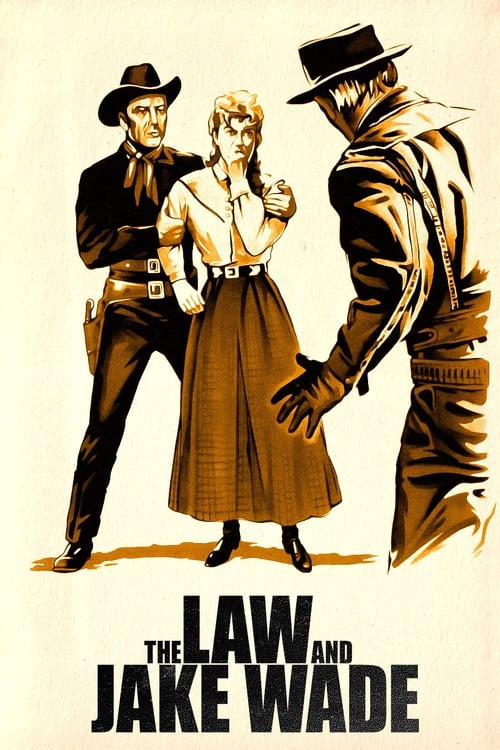 학습 중The Law and Jake Wade1958 · 편집감독
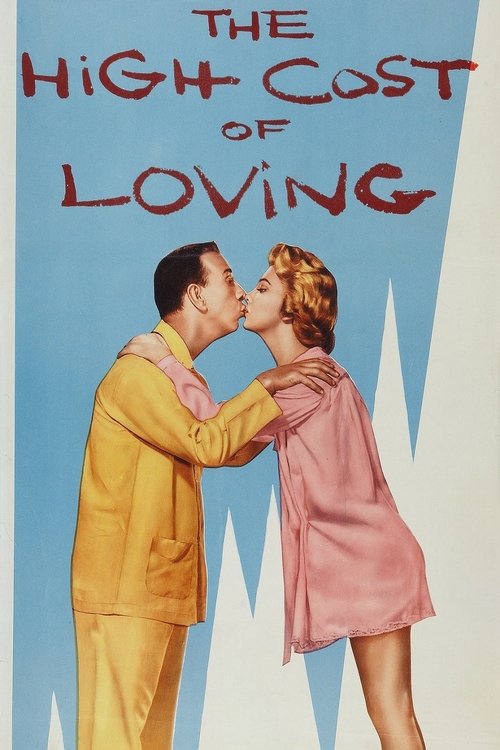 학습 중The High Cost of Loving1958 · 편집감독
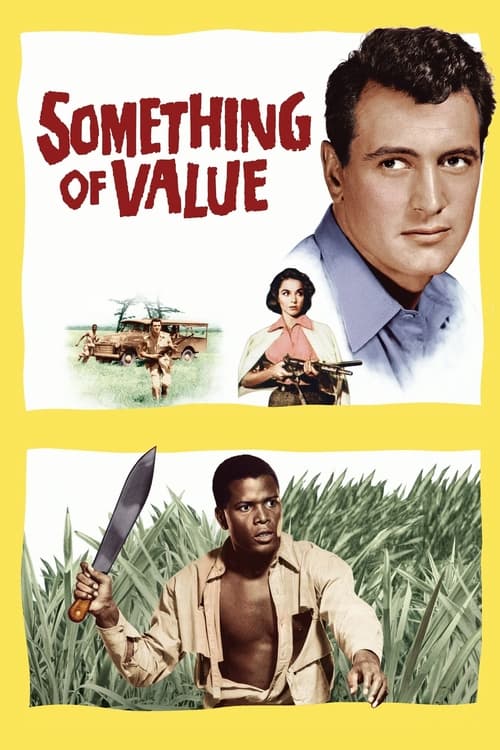 학습 중흑아1957 · 편집감독
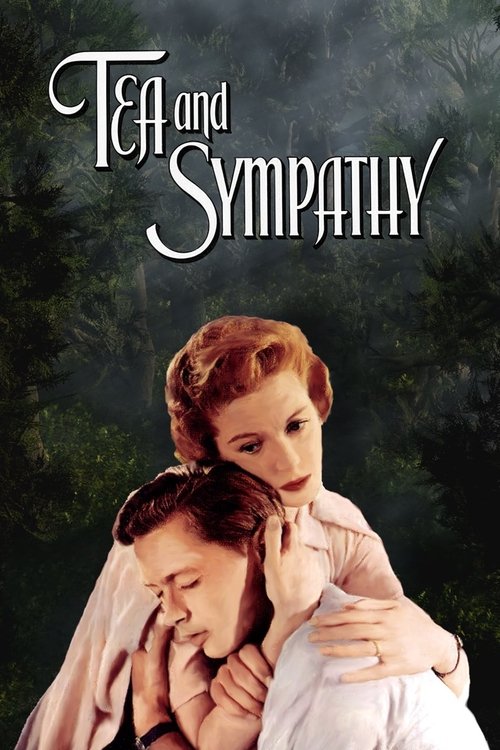 학습 중차와 동정1956 · 편집감독
 숙명의 일탄1956 · 편집감독
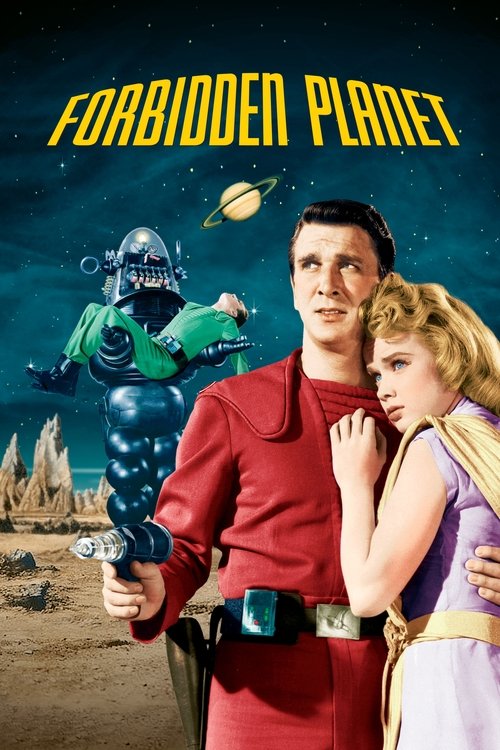 금지된 행성1956 · 편집감독
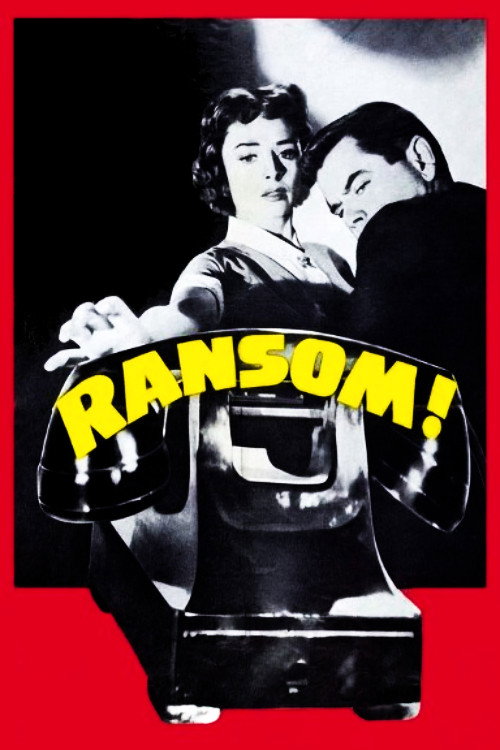 Ransom!1956 · 편집감독
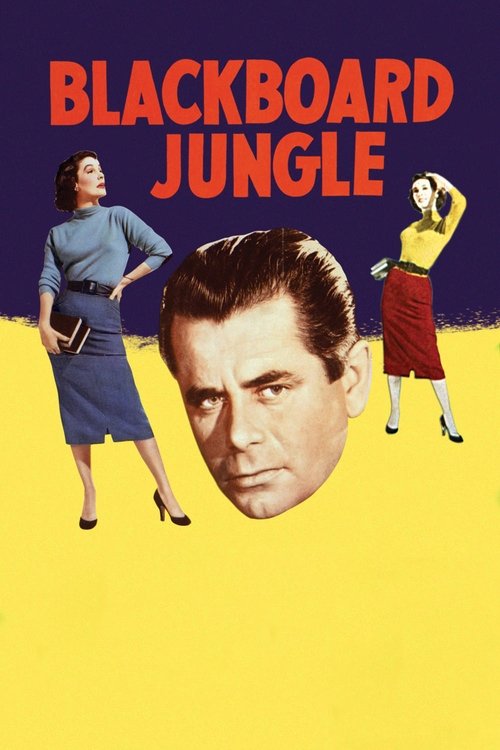 폭력 교실1955 · 편집감독
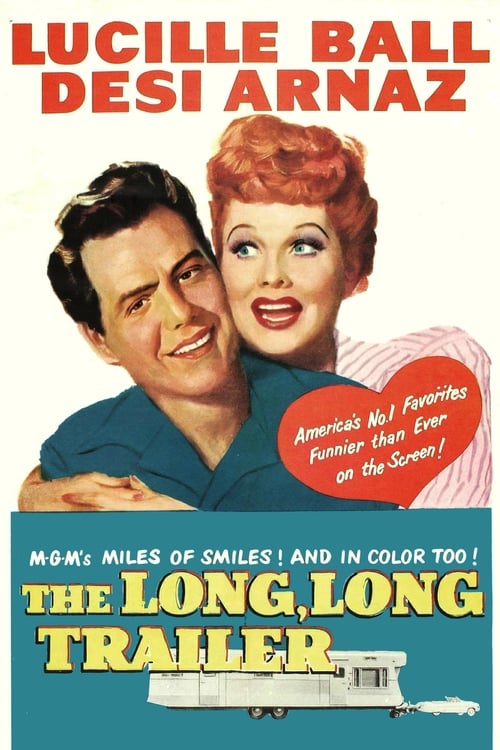 OK 부부의 신혼여행1954 · 편집감독
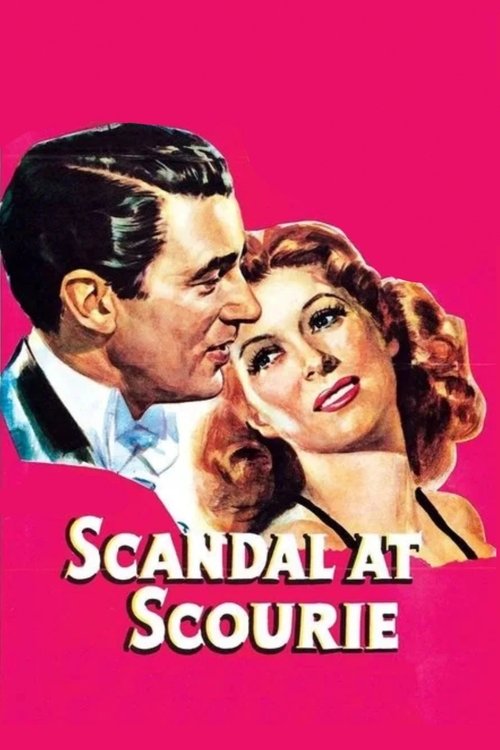 학습 중Scandal at Scourie1953 · 편집감독
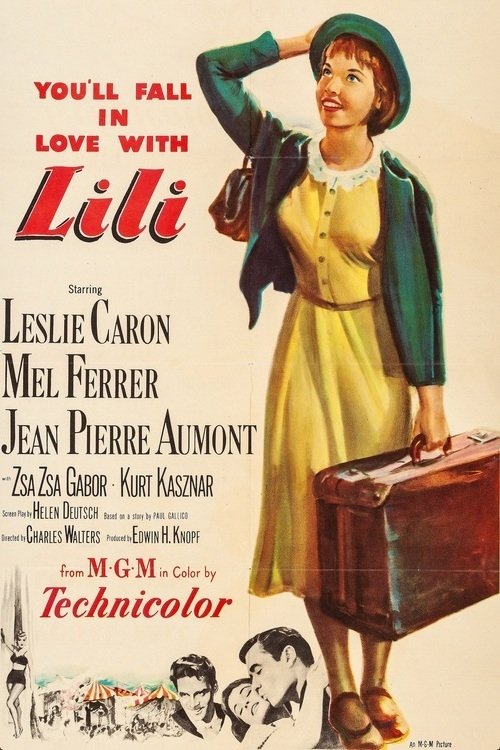 Lili1953 · 편집감독
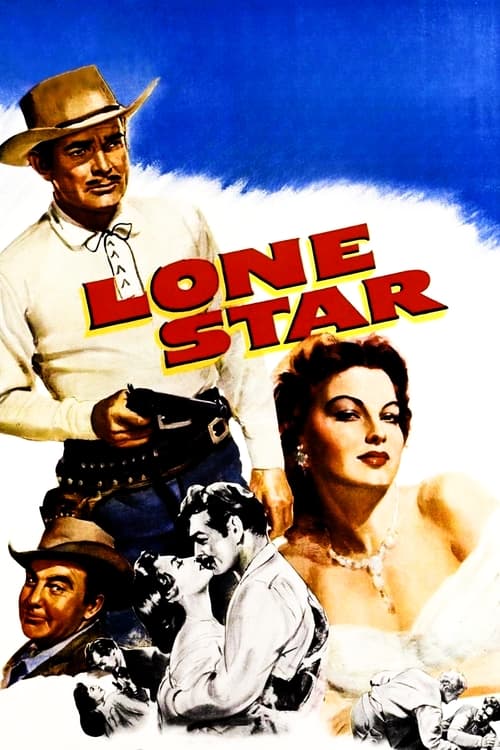 영광의 별 하나1952 · 편집감독
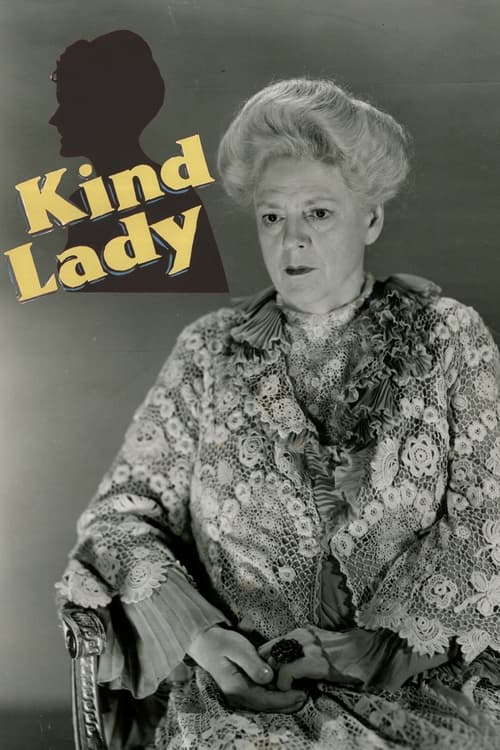 학습 중Kind Lady1951 · 편집감독
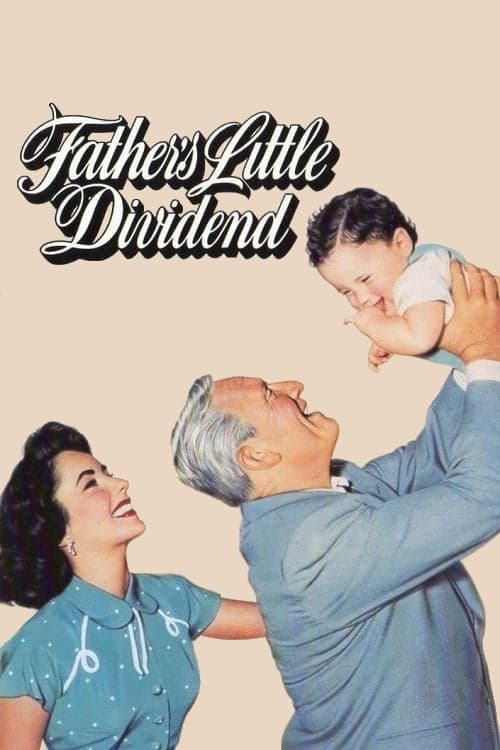 학습 중Father's Little Dividend1951 · 편집감독
 학습 중미스테리 스트리트1950 · 편집감독
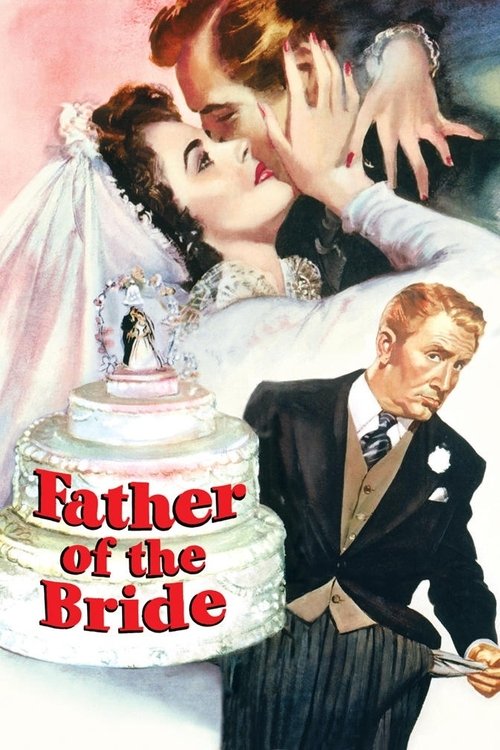 신부의 아버지1950 · 편집감독
 학습 중Please Believe Me1950 · 편집감독
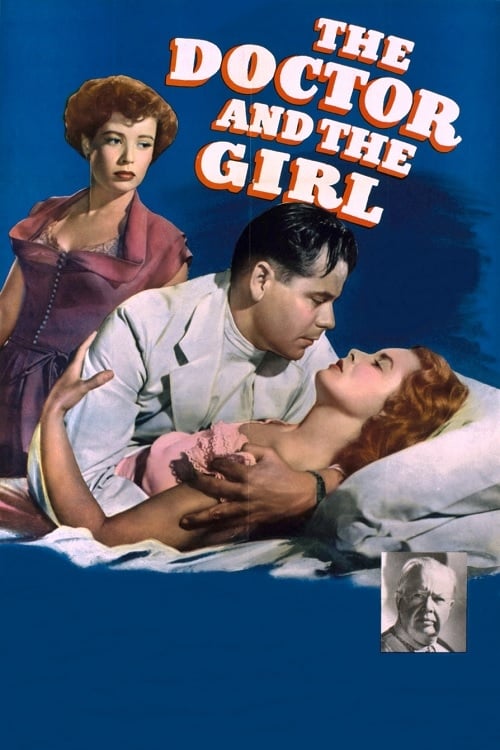 학습 중The Doctor and the Girl1949 · 편집감독
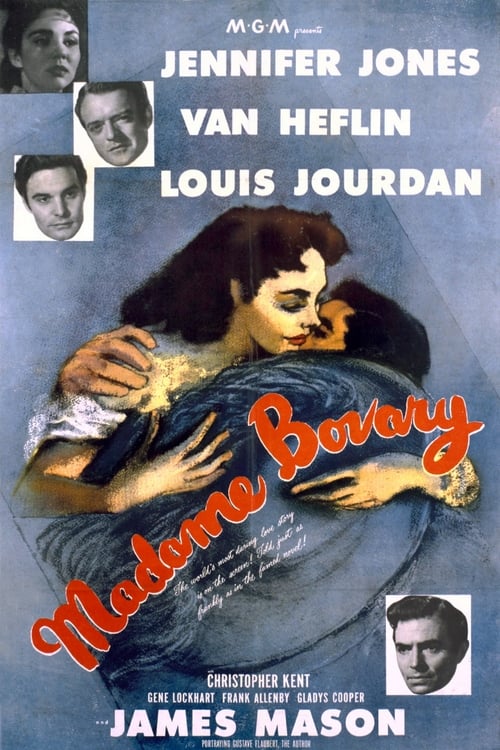 마담 보바리1949 · 편집감독
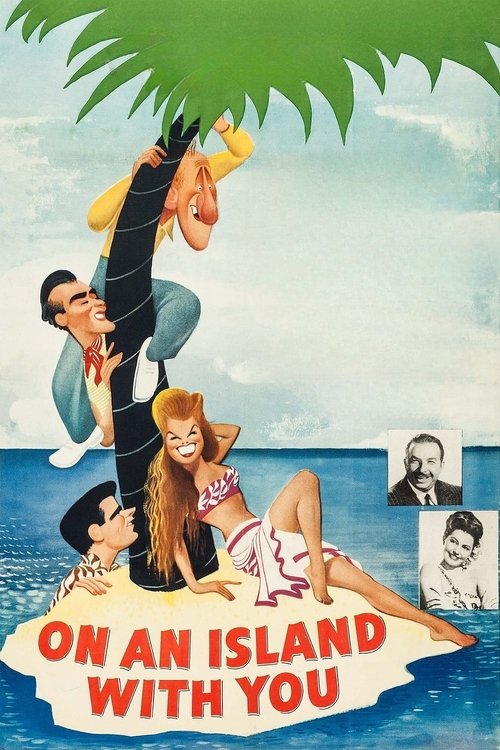 학습 중On an Island with You1948 · 편집감독
 학습 중Living in a Big Way1947 · 편집감독
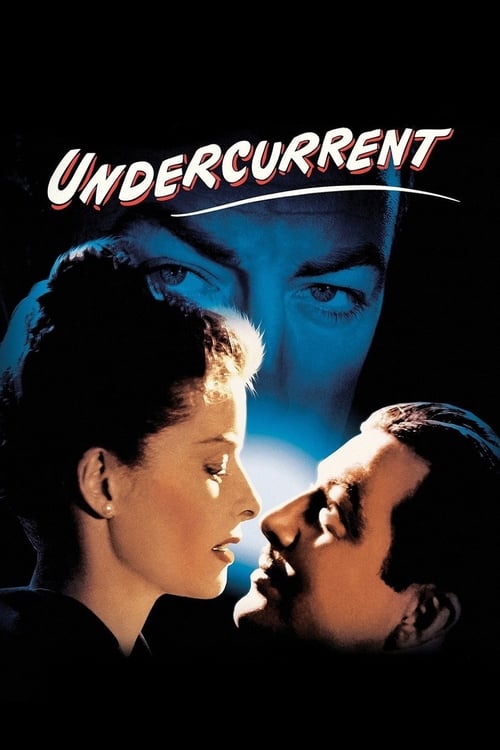 학습 중Undercurrent1946 · 편집감독
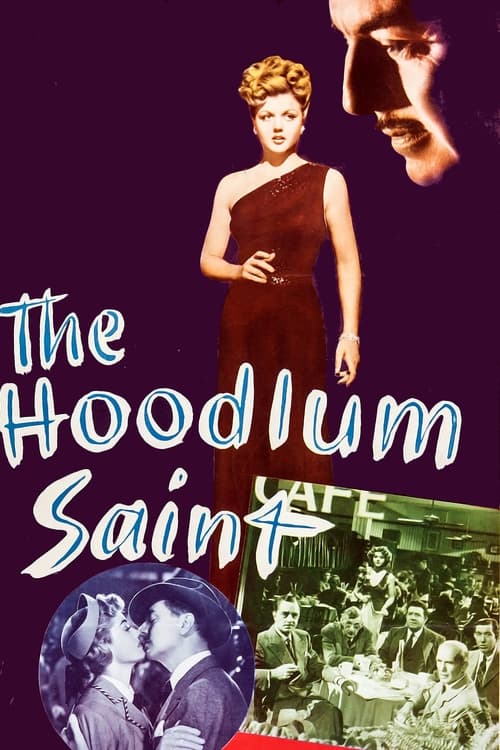 학습 중The Hoodlum Saint1946 · 편집감독
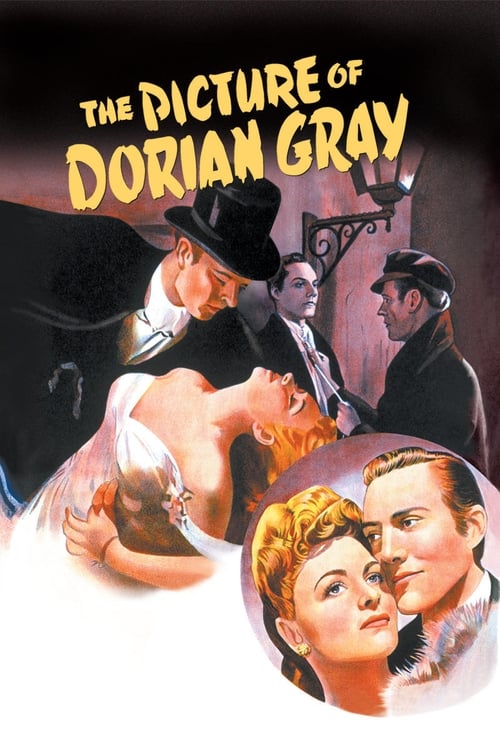 도리안 그레이의 초상1945 · 편집감독
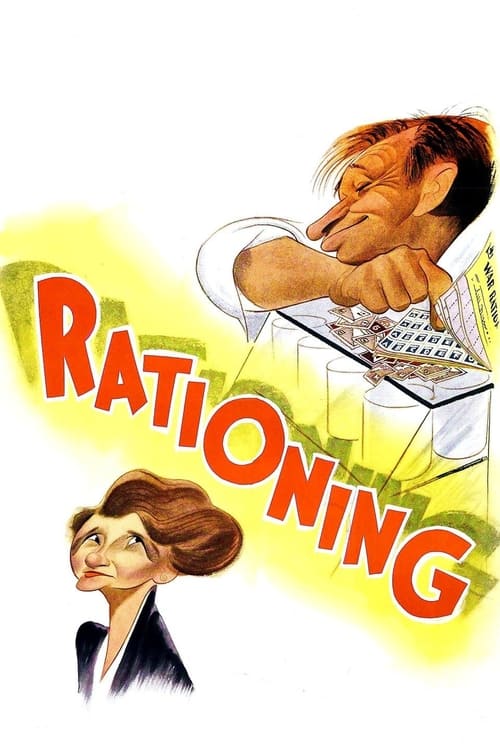 학습 중Rationing1944 · 편집감독
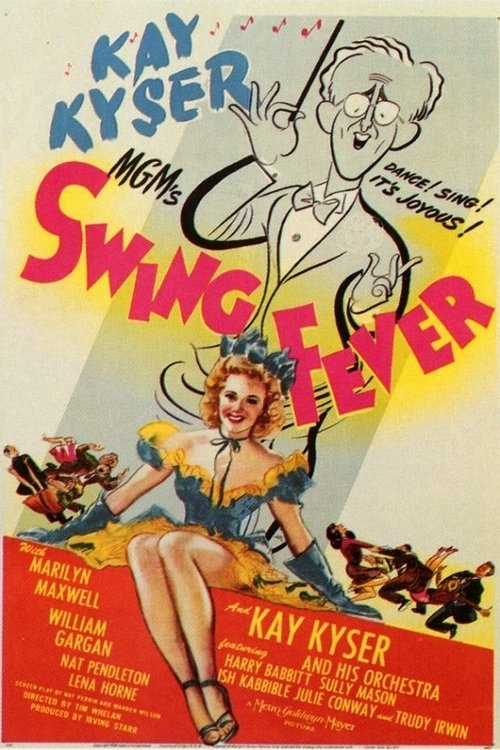 Swing Fever1943 · 편집감독