
W. Franke Harling
- 출생
- 1887년 1월 18일
- 사망
- 1958년 11월 22일
- 출생지
- London, England, UK
From Wikipedia, the free encyclopedia
더 보기접기
W. Franke Harling (January 18, 1887 – November 22, 1958) was a composer of film scores, operas, and popular music.
Born William Franke Harling in London, he was educated at the Grace Choir Church School in New York City. After working as an organist and choir director at the Church of the Resurrection in Brussels, he spent two years at the United States Military Academy at West Point, and composed both its hymn, called "The Corps," and its official march, "West Point Forever." In 1918, Harling contributed incidental music to the Broadway production of the 1898 play Pan and the Young Shepherd by Maurice Hewlett. In 1926, he collaborated with Laurence Stallings on Deep River, a voodoo-themed opera set in New Orleans in 1835. It opened on Broadway at the Imperial Theatre on October 4 and ran for 32 performances.
Harling began his Hollywood career in 1928. His film credits include The Vagabond King, This Is the Night, So Big!, A Bill of Divorcement, Blonde Venus, A Farewell to Arms, The Bitter Tea of General Yen, Monte Carlo, Souls at Sea, and Penny Serenade.
Harling won the Academy Award for Best Music Scoring for Stagecoach (1939) and was nominated for Souls at Sea (1937) and Three Russian Girls (1944).
Harling's popular songs include "Beyond the Blue Horizon" (with Richard A. Whiting) popularized by Jeanette MacDonald in 1930 and Lou Christie thirty years later, and "Sing, You Sinners", originally performed by Lillian Roth in 1930 and a hit for Tony Bennett in 1950.
Harling won the Bispham Memorial Medal Award for his jazz-oriented opera A Light from St. Agnes.
Harling died in Sierra Madre, California and is buried in Forest Lawn Memorial Park in Hollywood Hills.
소개 출처: TMDB
기타 참여 36
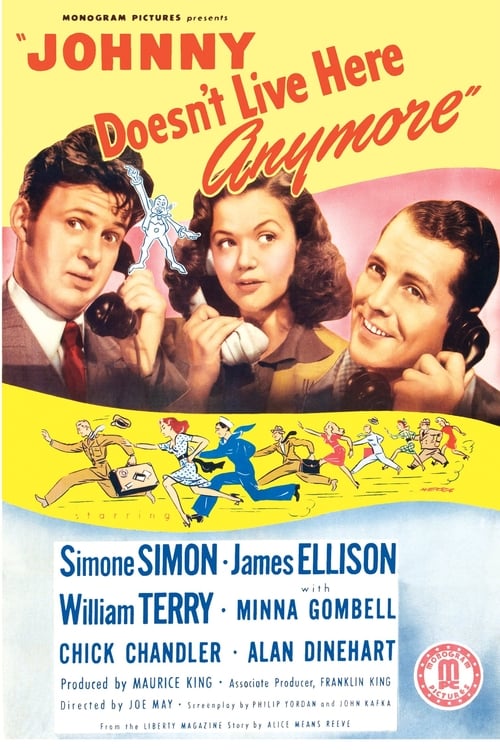 Johnny Doesn't Live Here Anymore1944 · 음악감독
 The Lady Is Willing1942 · 음악감독
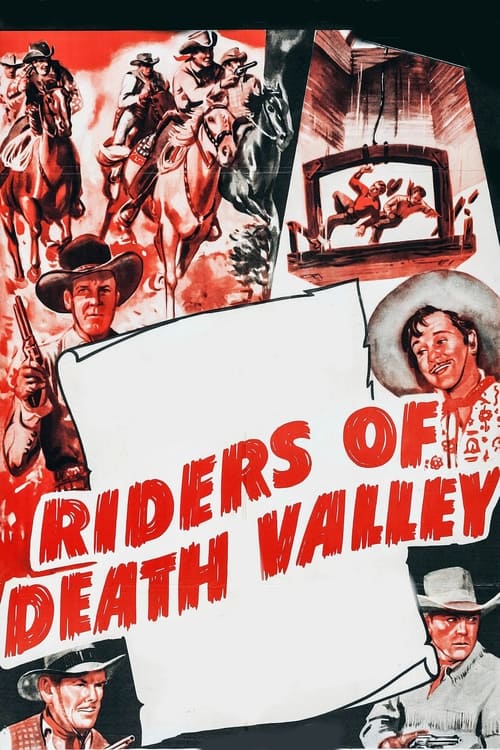 Riders of Death Valley1941 · 음악감독
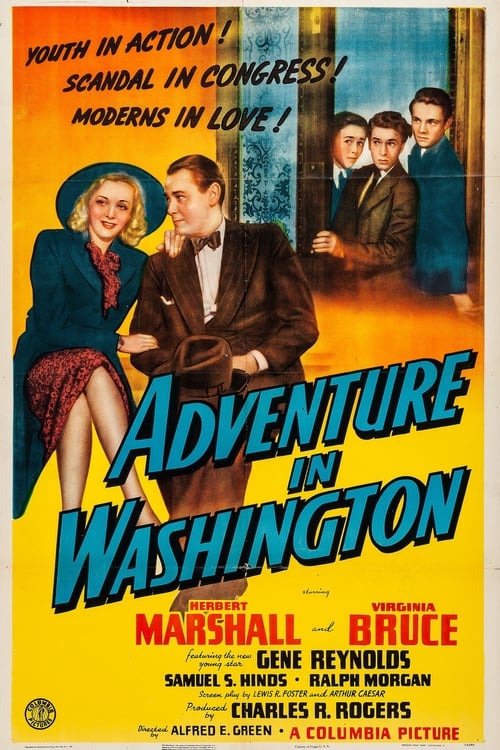 Adventure in Washington1941 · 음악감독
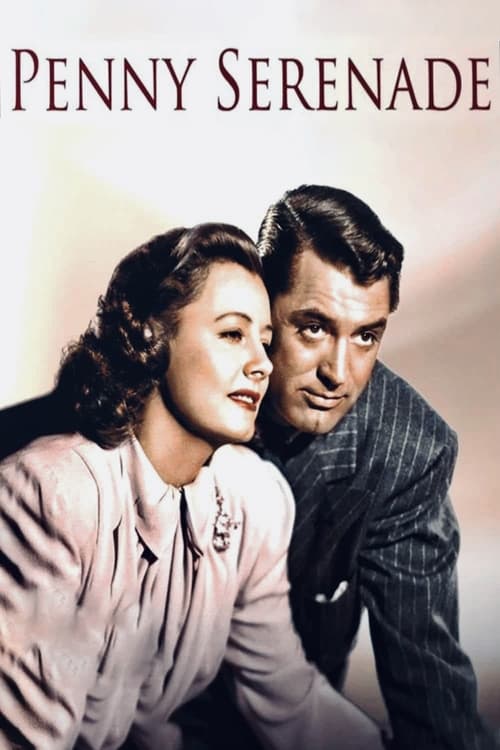 페니 세러네이드1941 · 음악감독
 아담의 네 아들1941 · 음악감독
 Men with Wings1938 · 음악감독
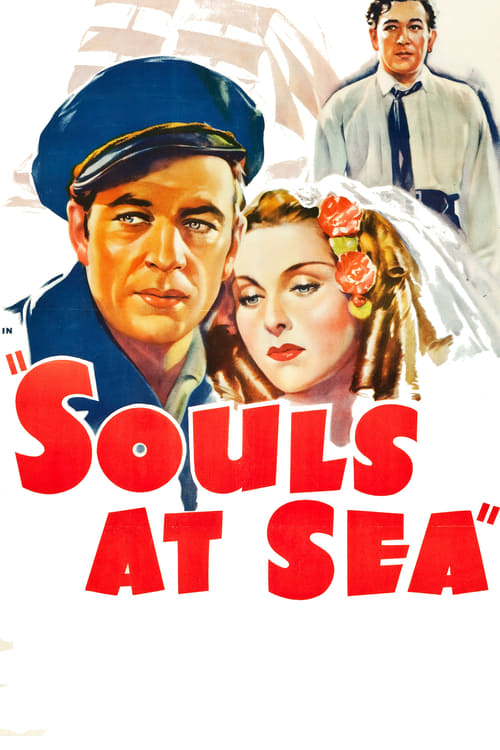 Souls at Sea1937 · 음악감독
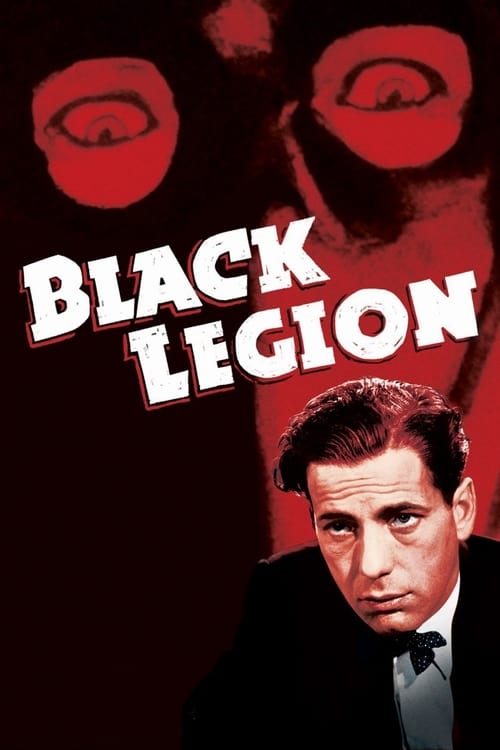 Black Legion1937 · 음악감독
 Isle of Fury1936 · 음악감독
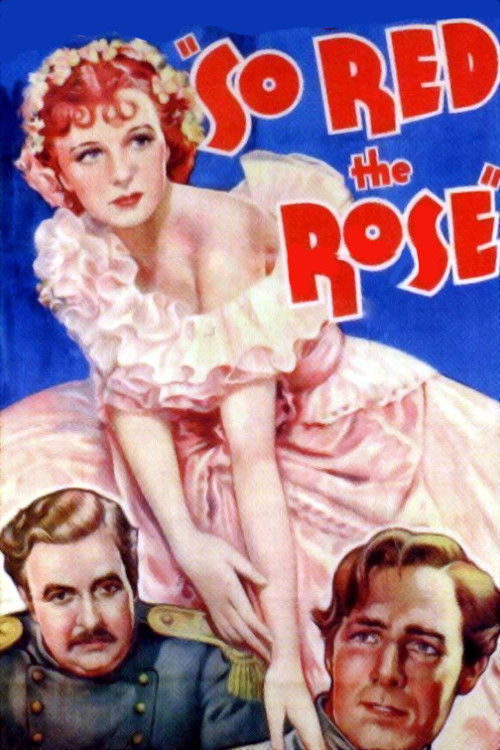 So Red the Rose1935 · 음악감독
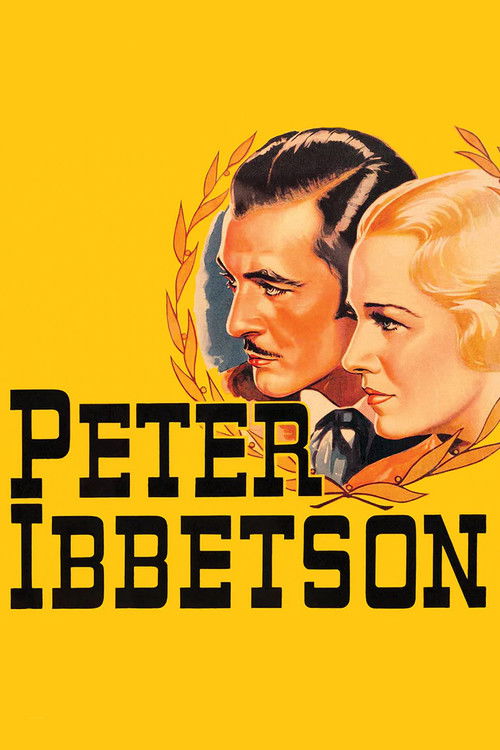 피터 이벳슨1935 · 음악감독
 One More River1934 · 음악감독
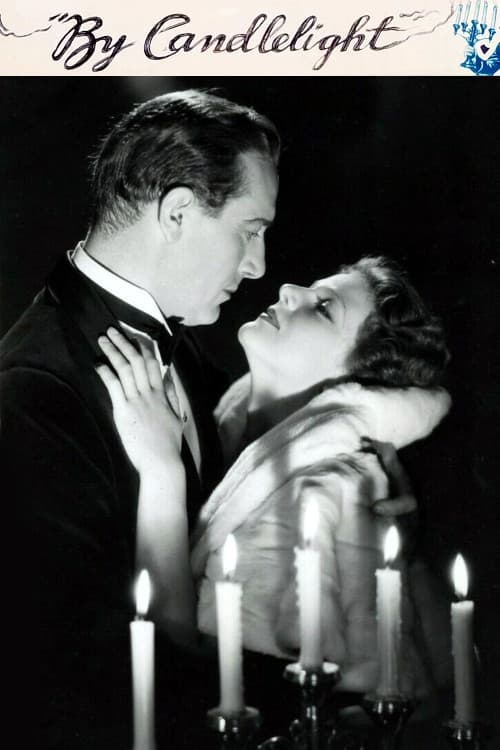 By Candlelight1933 · 음악감독
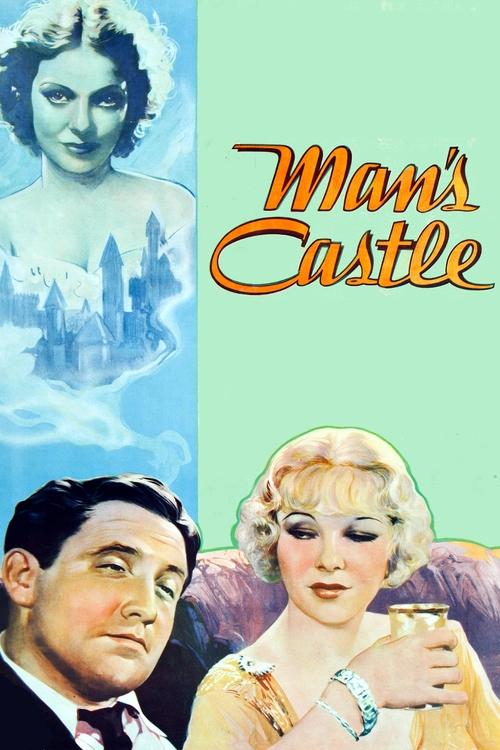 Man's Castle1933 · 음악감독
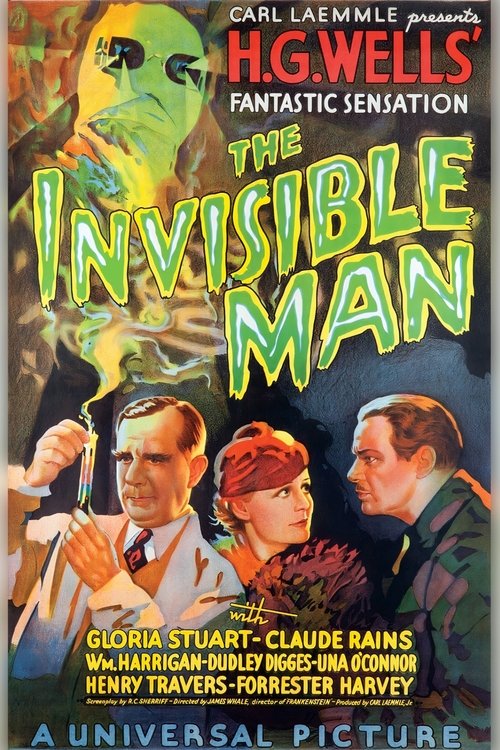 투명 인간1933 · 음악감독
 The Keyhole1933 · 음악감독
 옌 장군의 쓰디쓴 차1933 · 음악감독
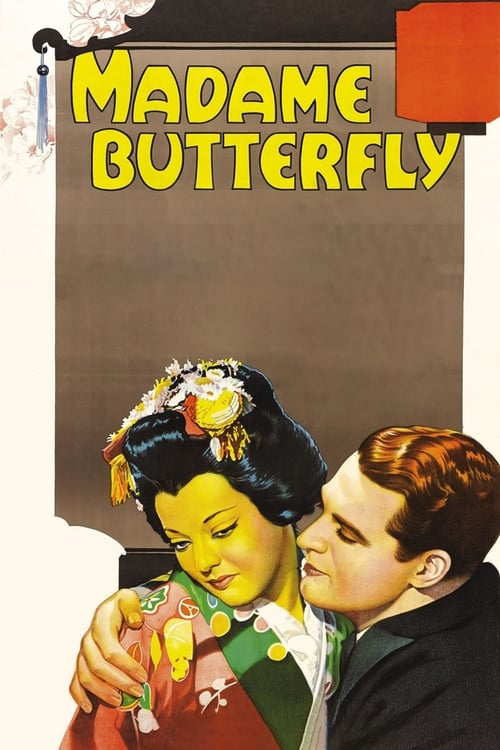 Madame Butterfly1932 · 음악감독
 무기여 잘 있거라1932 · 음악감독
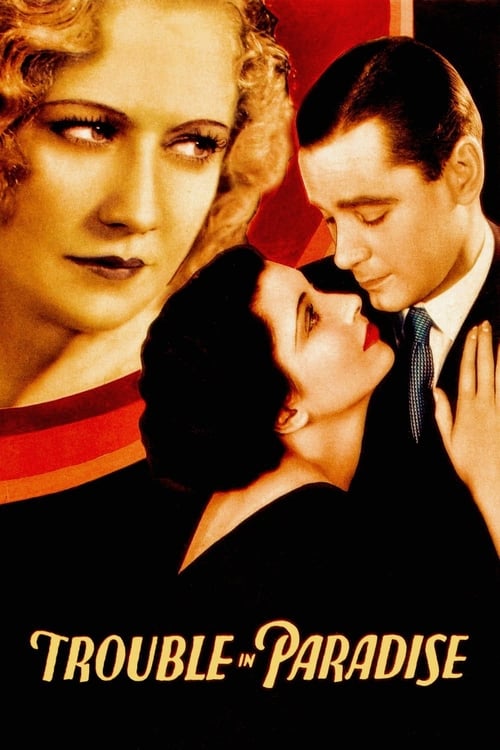 천국의 말썽1932 · 음악감독
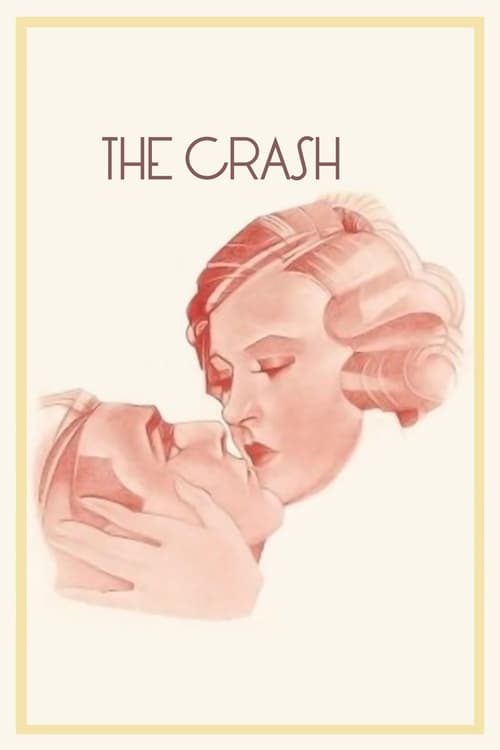 The Crash1932 · 음악감독
 이혼 증서1932 · 음악감독
 Blonde Venus1932 · 음악감독
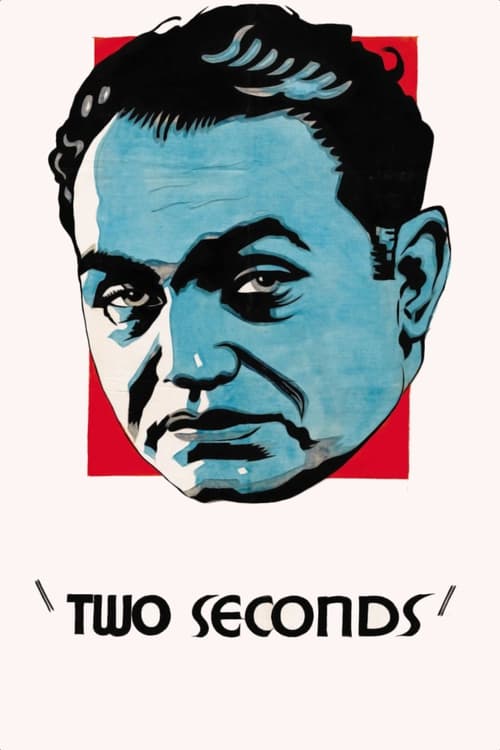 Two Seconds1932 · 음악감독
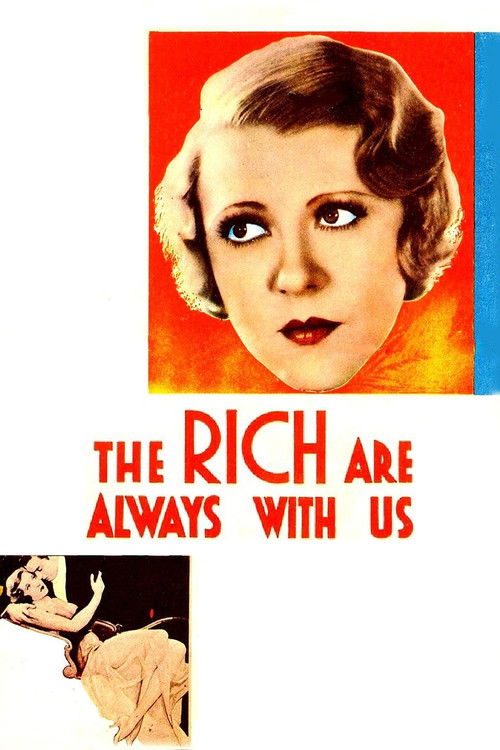 The Rich Are Always with Us1932 · 음악감독
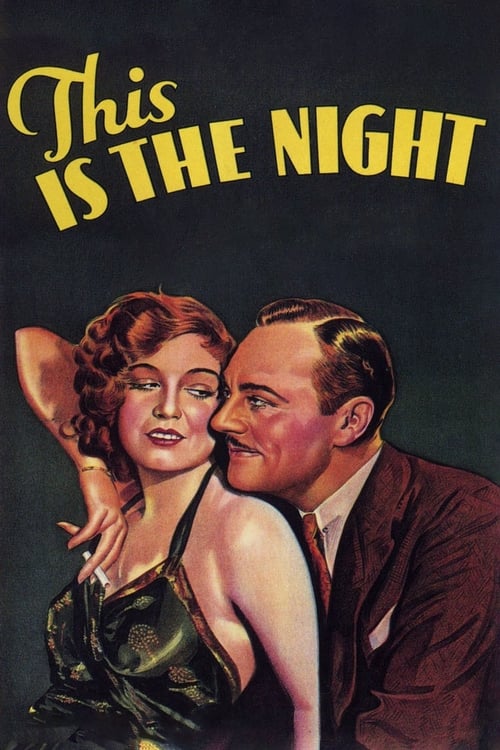 This Is the Night1932 · 음악감독
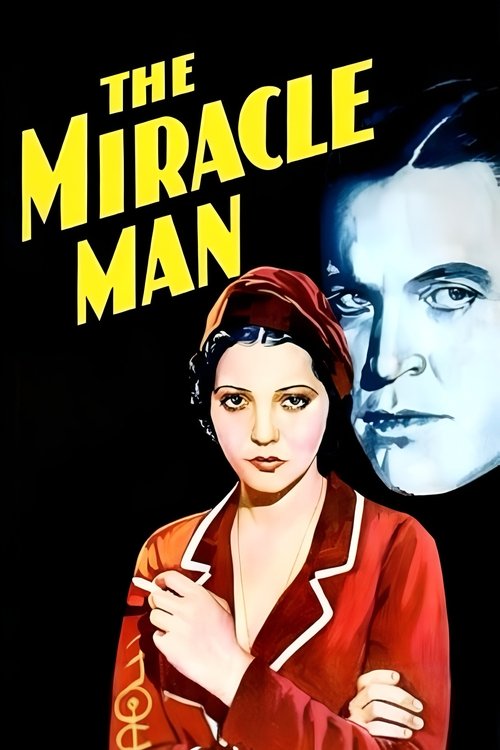 The Miracle Man1932 · 음악감독
 당신과 함께 한 1시간1932 · 음악감독
 상하이 익스프레스1932 · 음악감독
 내가 죽인 남자1932 · 음악감독
 Monte Carlo1930 · 음악감독
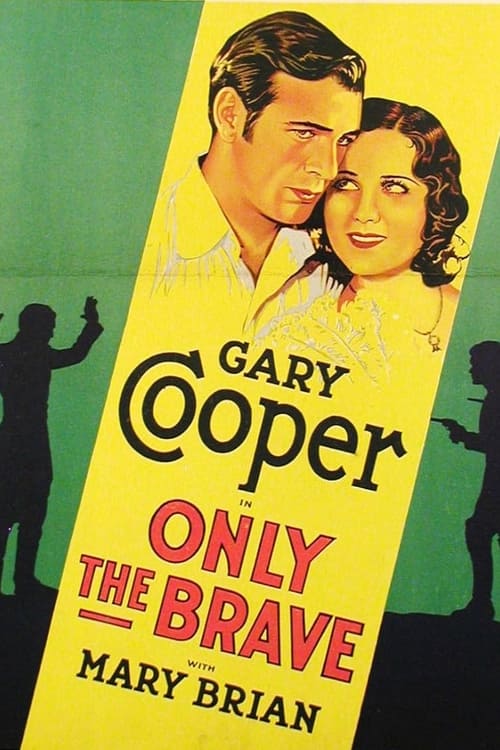 Only the Brave1930 · 음악감독
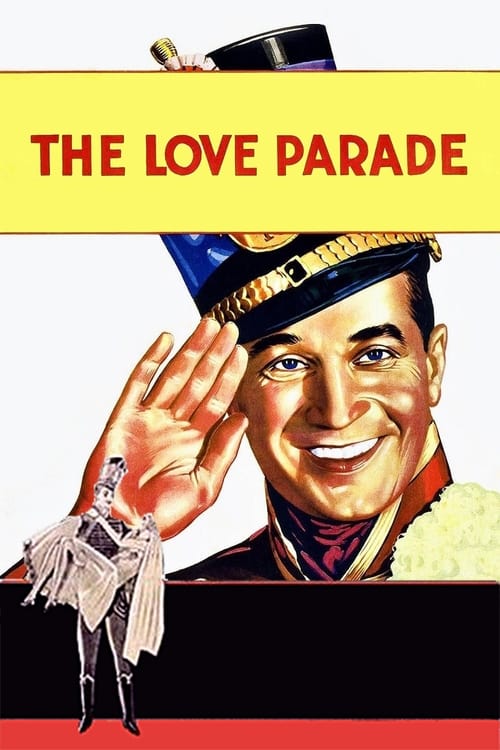 The Love Parade1929 · 음악감독
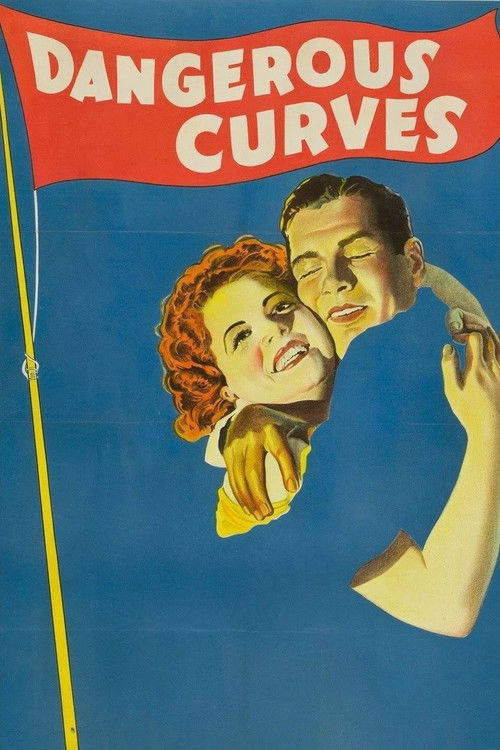 Dangerous Curves1929 · 음악감독
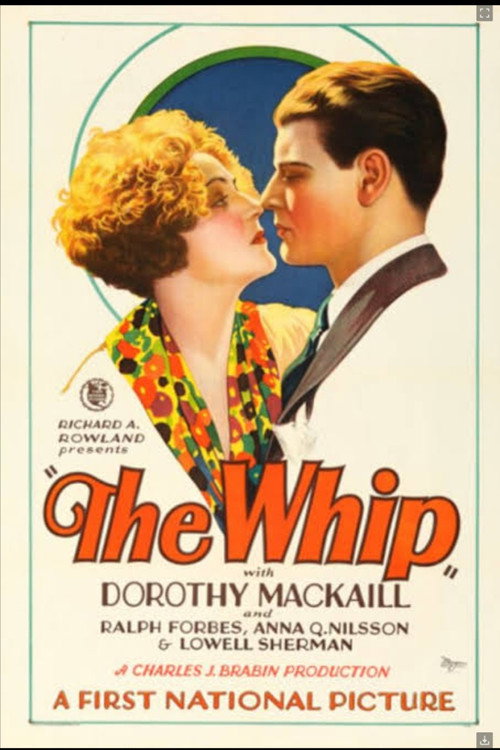 The Whip1928 · 음악감독