
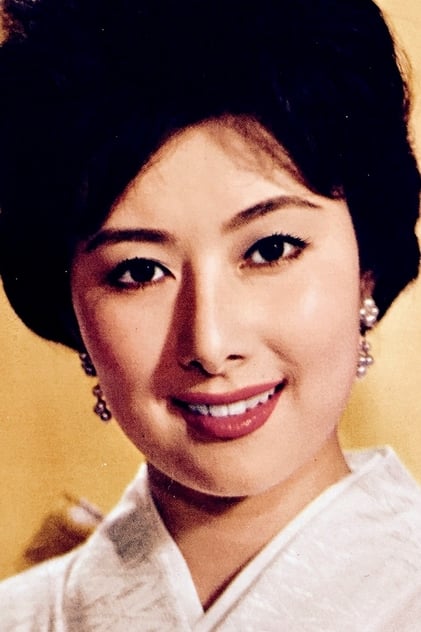
Fujiko Yamamoto
- Naissance
- 11 décembre 1931
- Origine
- Itachibori, Nishi, Osaka, Osaka, Japan
Fujiko Yamamoto (山本富士子, Yamamoto Fujiko) (born 11 December 1931) is a Japanese stage, film and television actress. She was the winner of the first Miss Nippon Grand Prix in 1950, and appeared in over 100 films between 1953 and 1963, including works by directors Yasujirō Ozu, Kon Ichikawa, Shirō Toyoda and Kōzaburō Yoshimura.
Afficher plusAfficher moins
Yamamoto was born on 11 December 1931 in Nishi ward, Osaka. In 1953, she made her film debut at Daiei Film, and became one of the studio's top actresses. Yamamoto was considered one of Japan's most beautiful women, with, in the words of film historian Catherine Russell, "noble" features that represented the classic ideal of Japanese beauty. As such, she was well-suited for costumed parts in the era's popular period dramas, with her less-frequent modern roles (in films like Ozu's Equinox Flower and Ichikawa's Being Two Isn't Easy) often shot in "movie star" closeups that placed her apart from the films' contemporary storytelling.
In 1963, when her contract came up for renewal, she insisted on changes. The head of Daiei, Masaichi Nagata, refused, dismissed her, and prevented her from finding work at other film studios via the Five-Company Agreement. After the Daiei dismissal, Yamamoto acted in the TV series Toshiba Sunday Theatre and on Fuji TV. Even though she has appeared frequently on stage and on television, she has not appeared in a film since then.
Biographie fournie par TMDB
Interprétation 73
 À l’étudePicNic1996
 À l’étudeMadame Aki1963
 À l’étudeLa Vengeance d'un acteur1963
 Being Two Isn't Easy1962
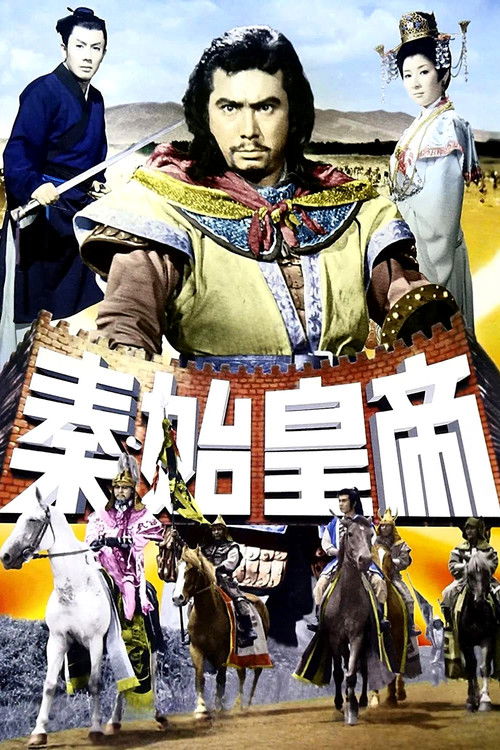 À l’étudeLa Grande Muraille1962
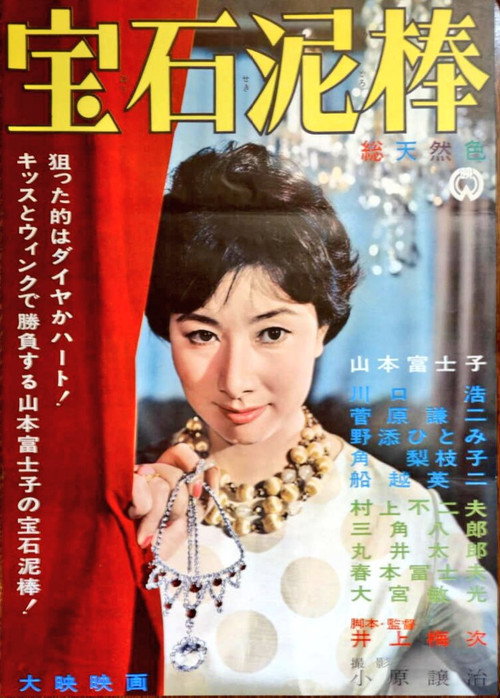 À l’étudeThe Venus' Tear1962
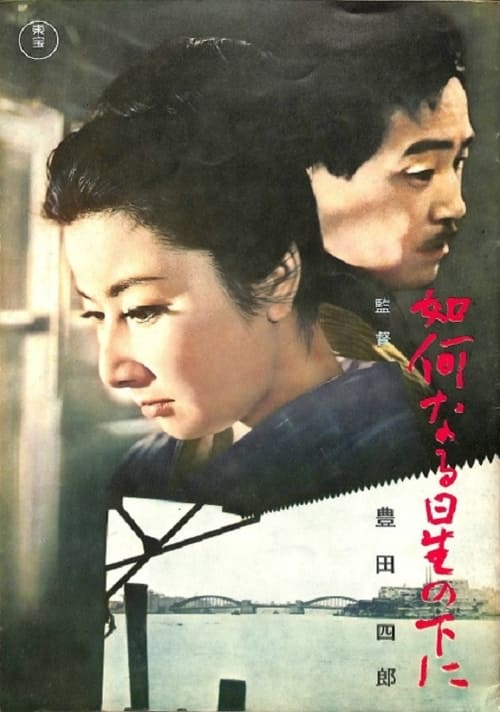 À l’étudeIka naru hoshi no moto ni1962
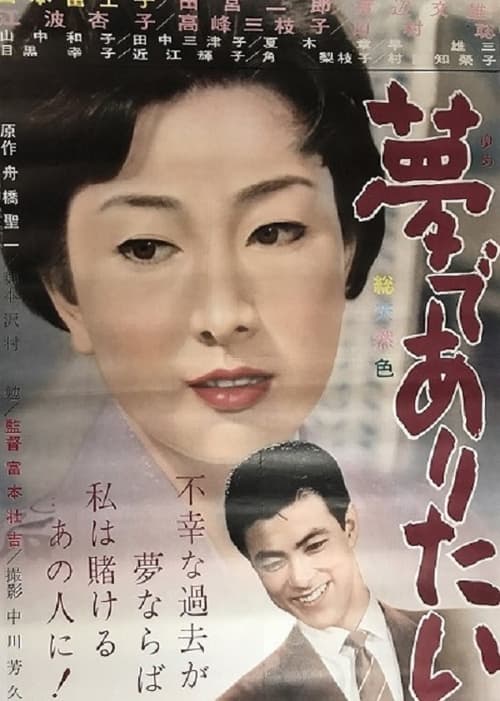 À l’étudeYume de aritai1962
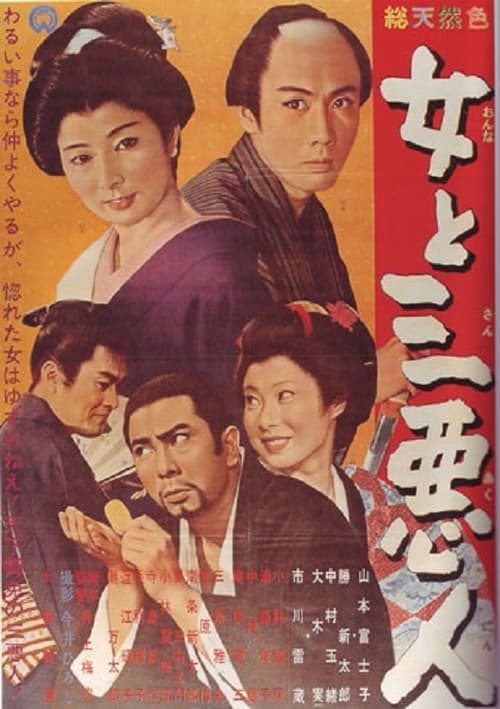 À l’étudeThe Actress and the Three Rascals1962
 À l’étudeBuddha1961
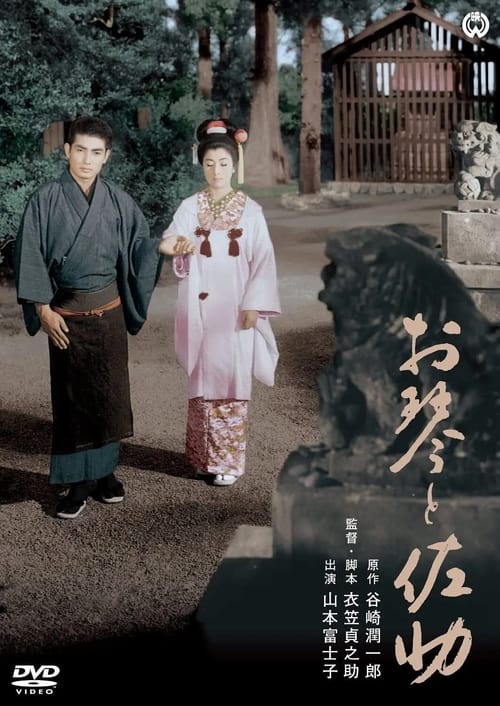 À l’étudeOkoto and Sasuke1961
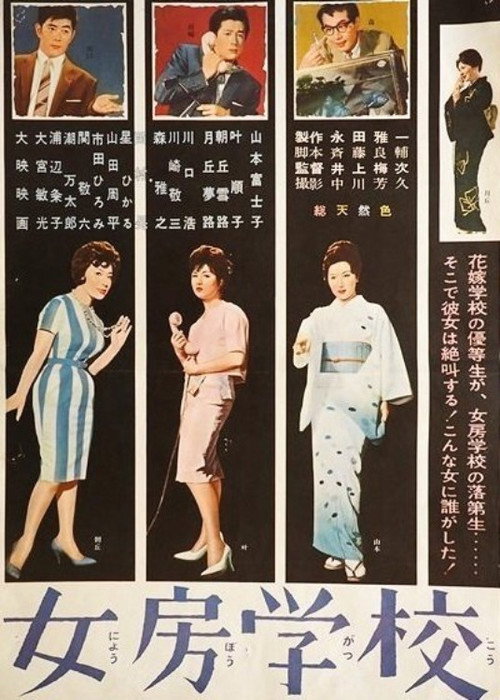 À l’étudeRefresher Course for Wives1961
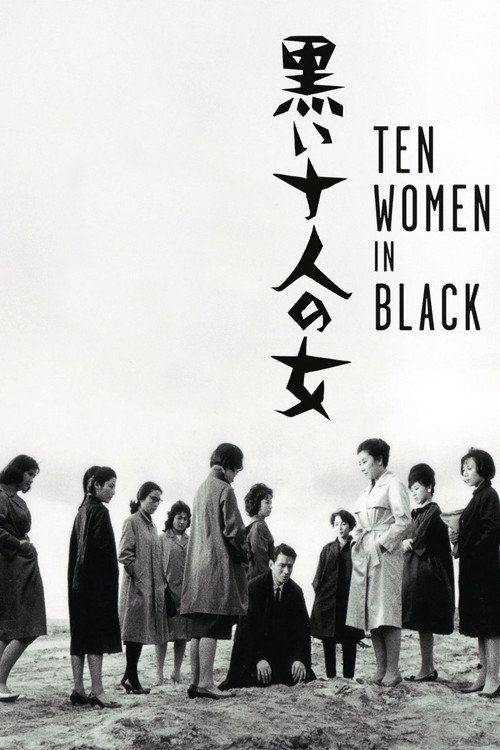 À l’étudeDix femmes en noir1961
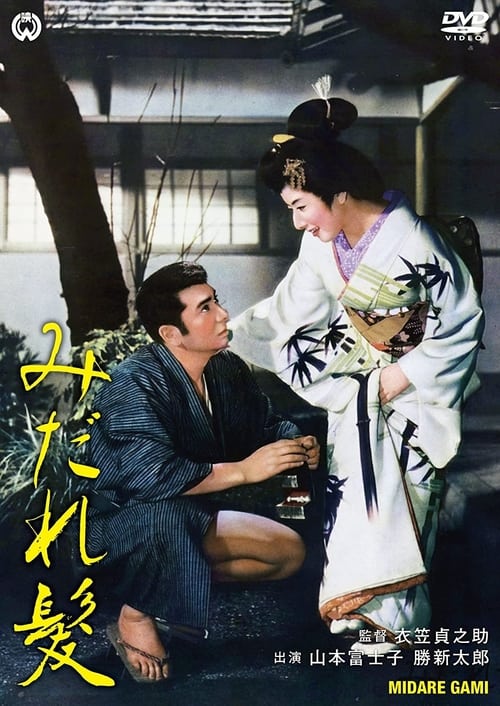 À l’étudeBlind Devotion1961
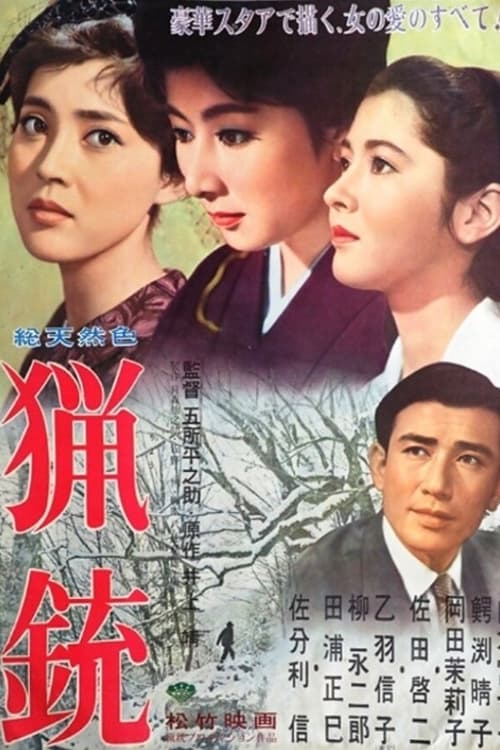 À l’étudeHunting Rifle1961
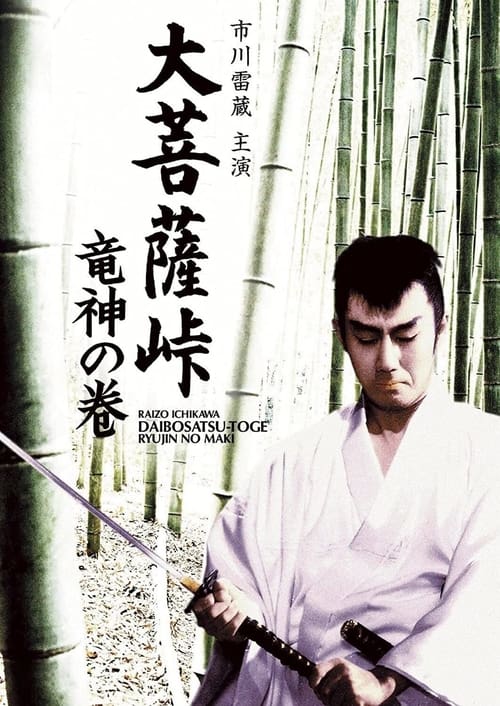 Le Passage du Grand Bouddha II1960
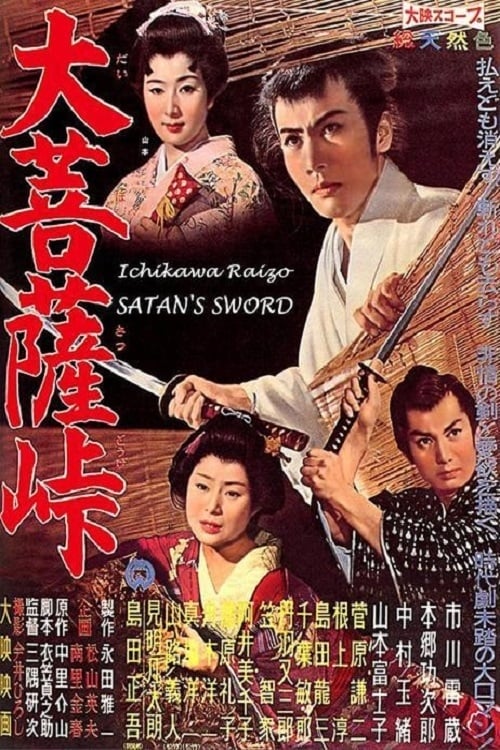 À l’étudeLe Passage du Grand Bouddha1960
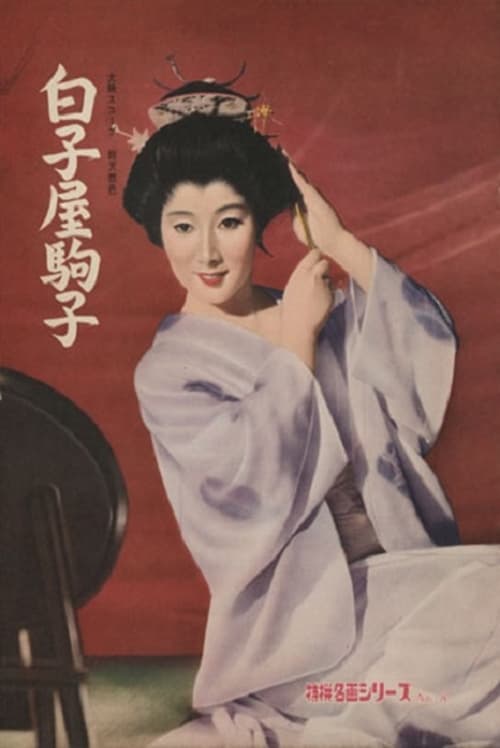 À l’étudeWhat Price Love?1960
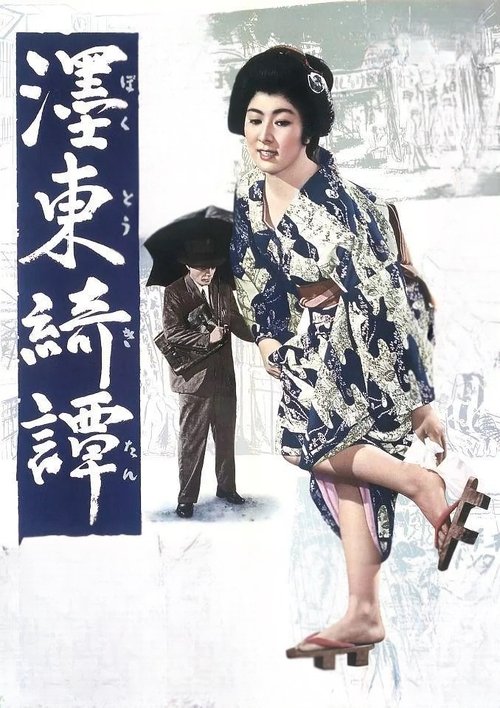 À l’étudeHistoire singulière à l'est du fleuve1960
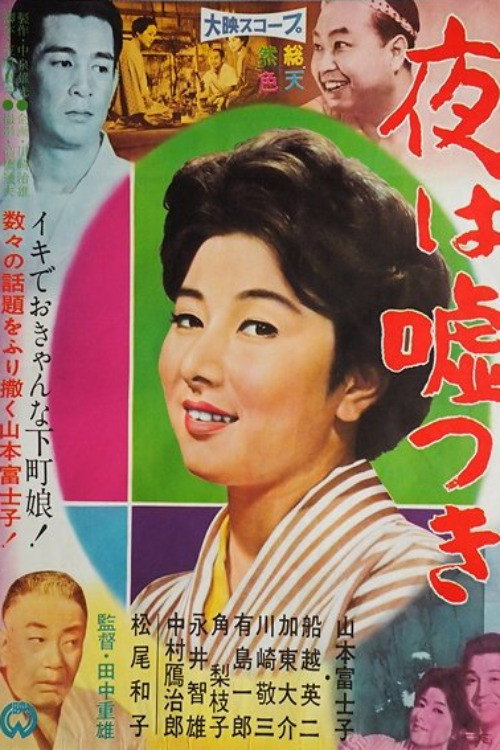 À l’étudeYoru wa usotsuki1960
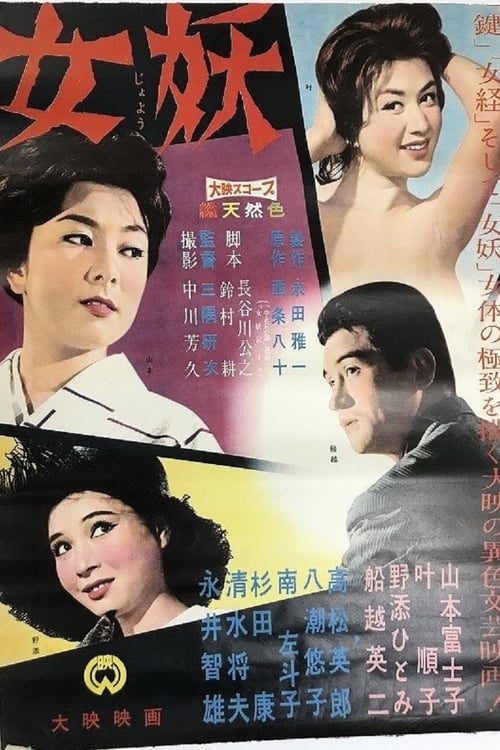 À l’étudePatterns of Love1960
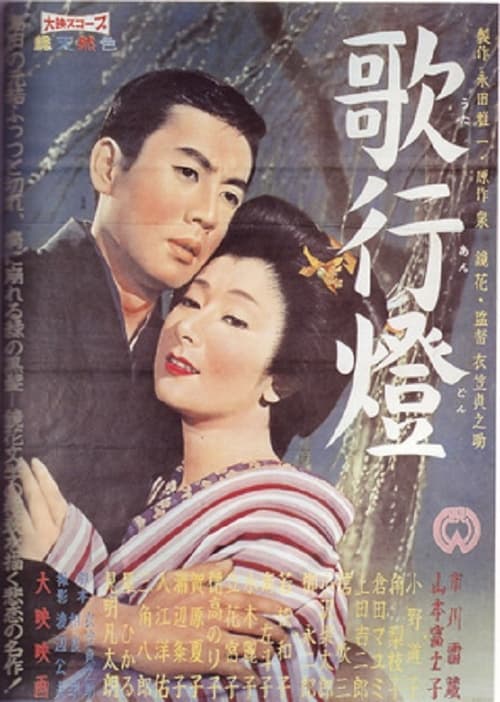 À l’étudeThe Song Lantern1960
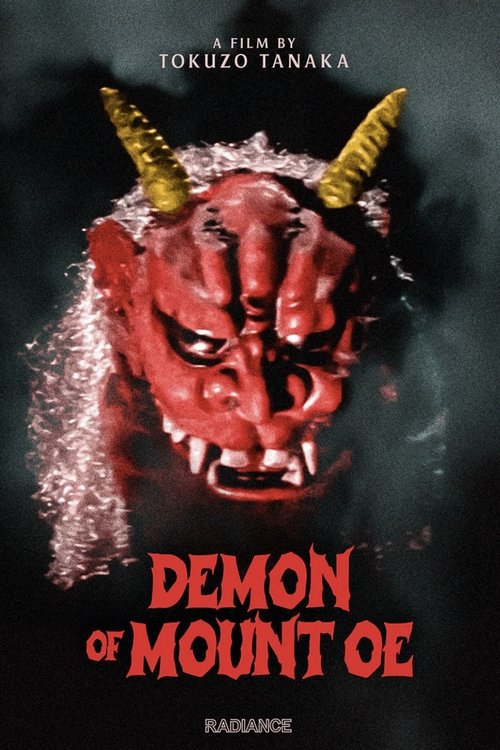 The Demon of Mount Oe1960
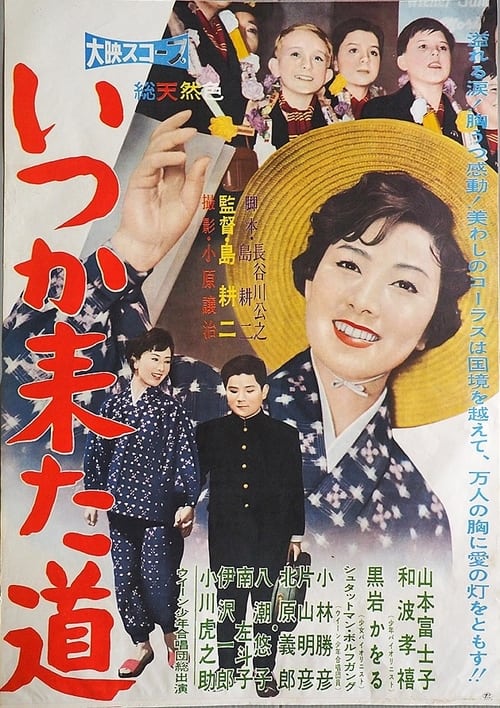 À l’étudeThe Path I Remember1959
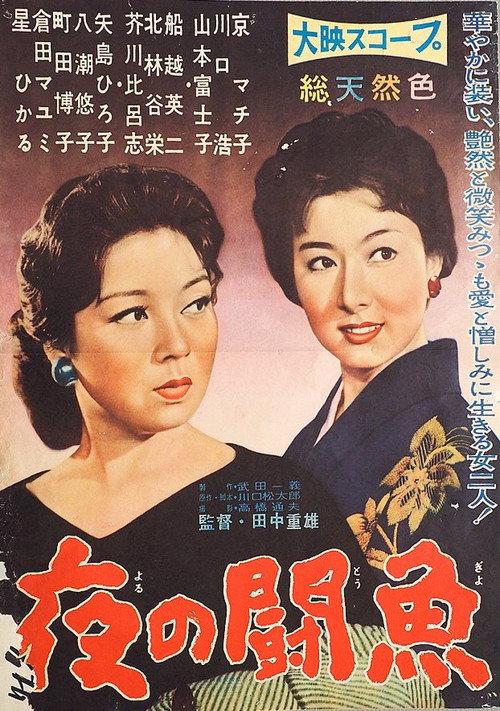 À l’étudePaper Pigeon1959
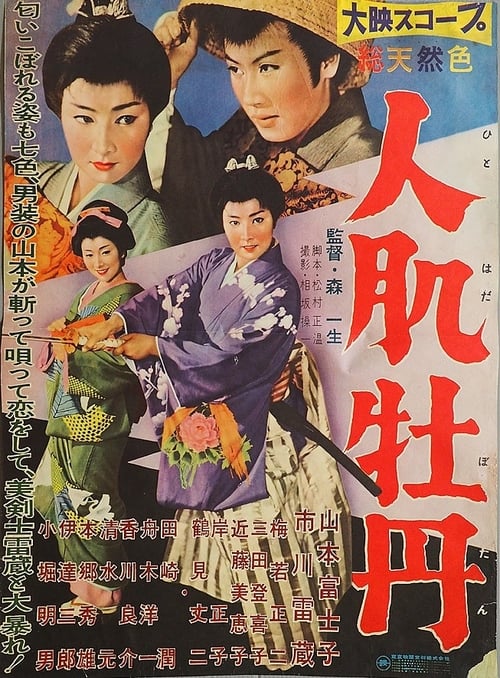 À l’étudePeony on the Skin1959
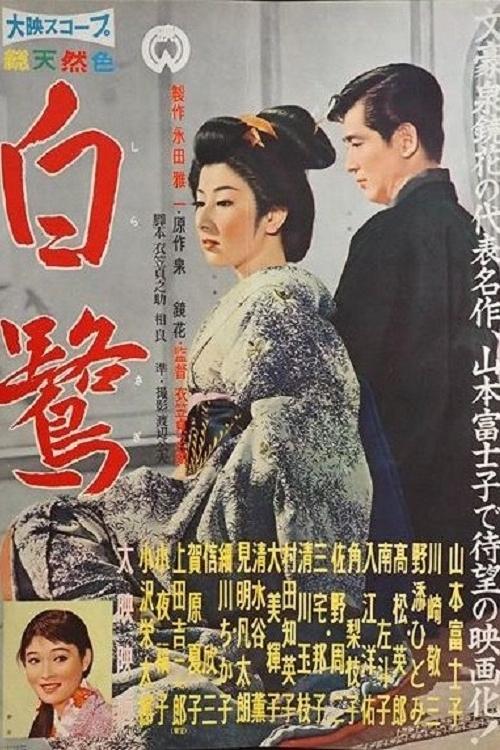 À l’étudeLe héron blanc1958
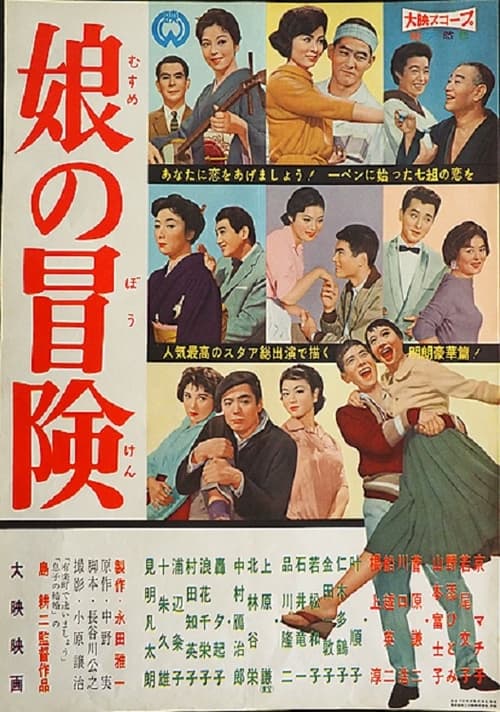 À l’étudeMusume no boken1958
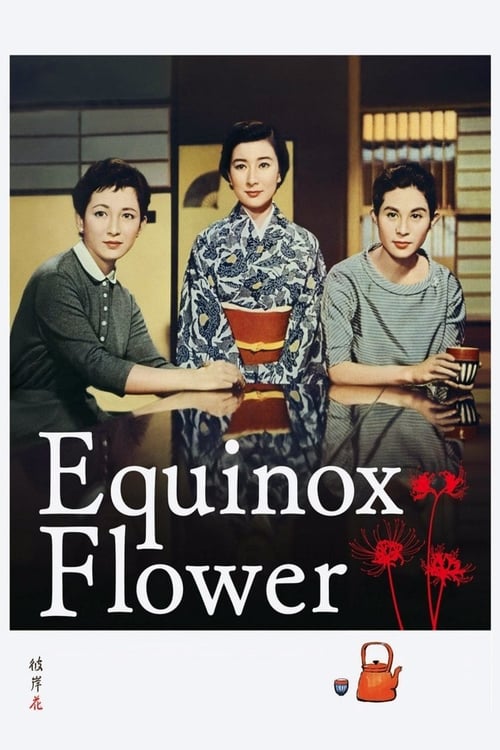 Fleurs d'équinoxe1958
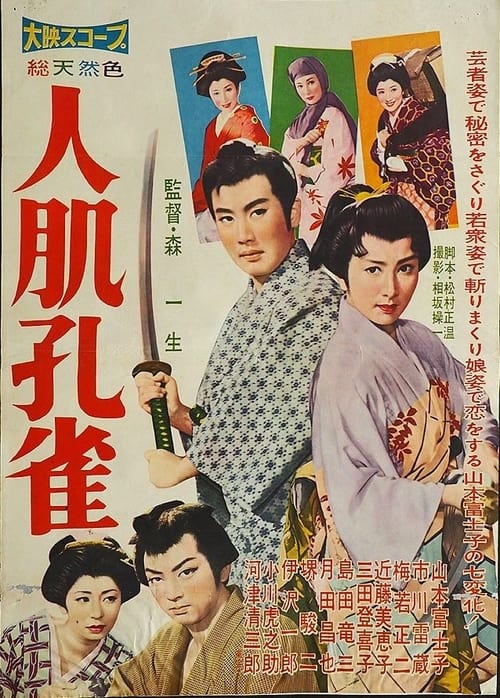 À l’étudeThe Swishing Sword1958
 À l’étudeThirst1958
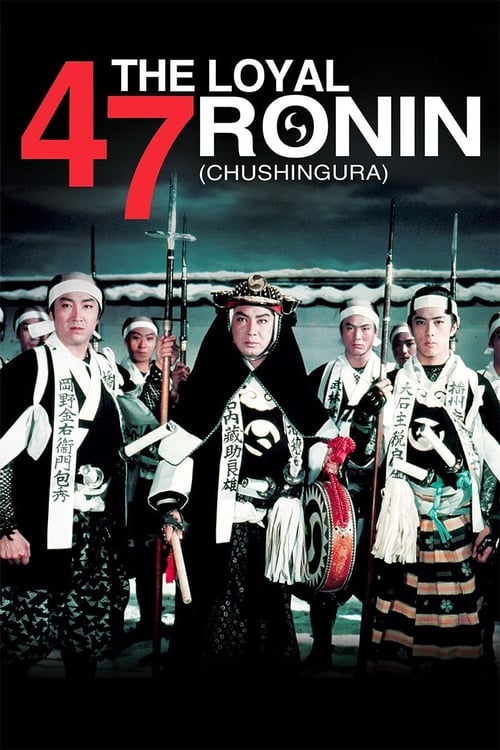 À l’étudeThe Loyal 47 Ronin1958
 À l’étudeThe Precipice1958
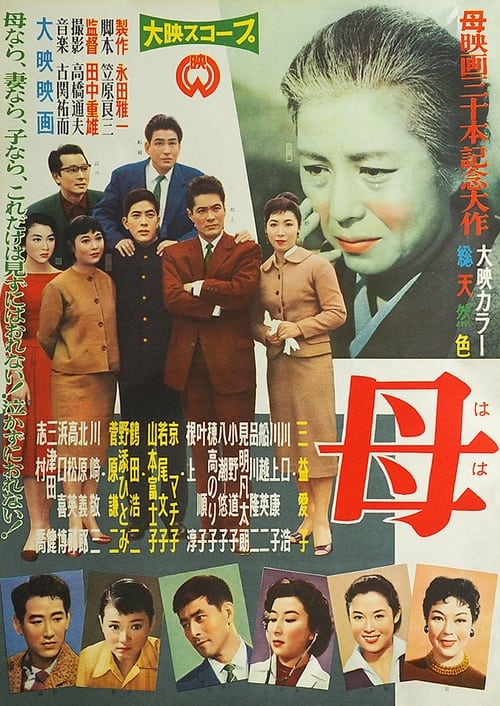 À l’étudeMother1958
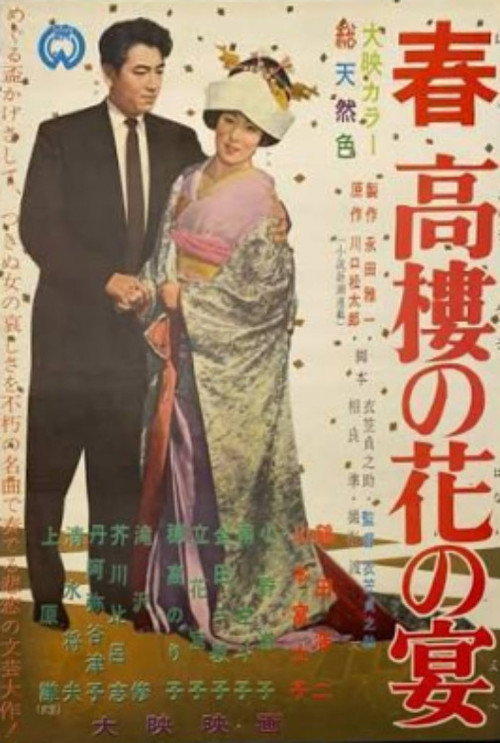 À l’étudeSymphony of Love1958
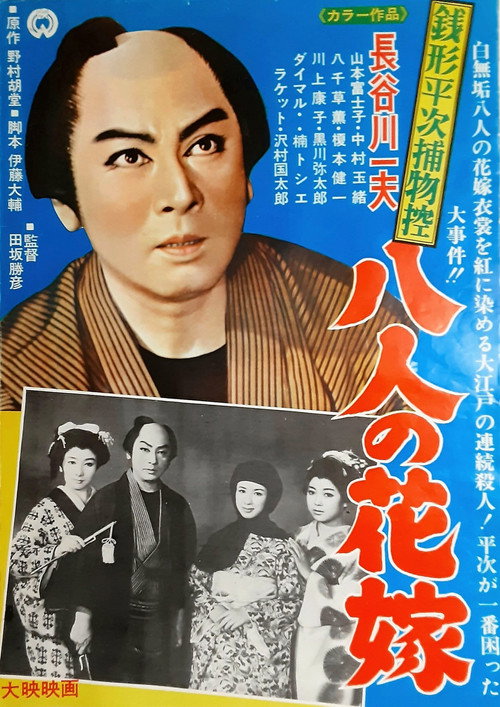 À l’étudeZenigata Heiji torimono hikae: hachi-nin no hanayome1958
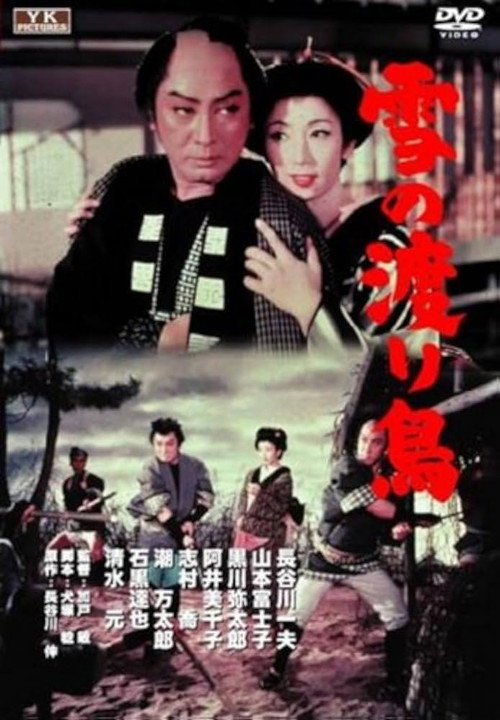 À l’étudeYuki no wataridori1957
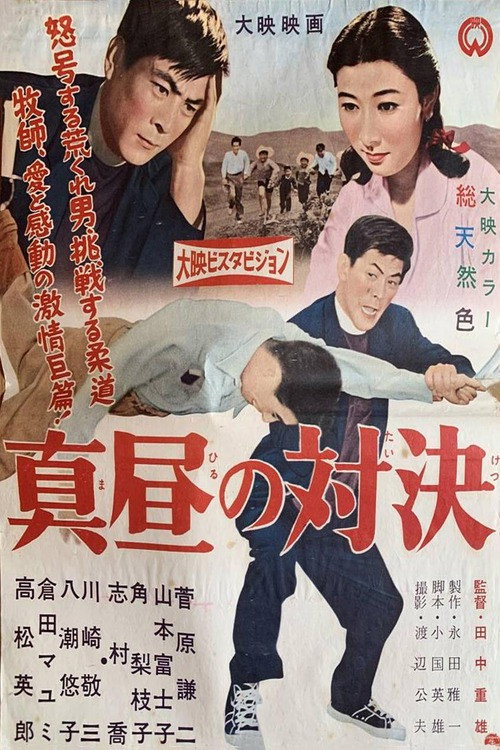 À l’étudeDuel at Noon1957
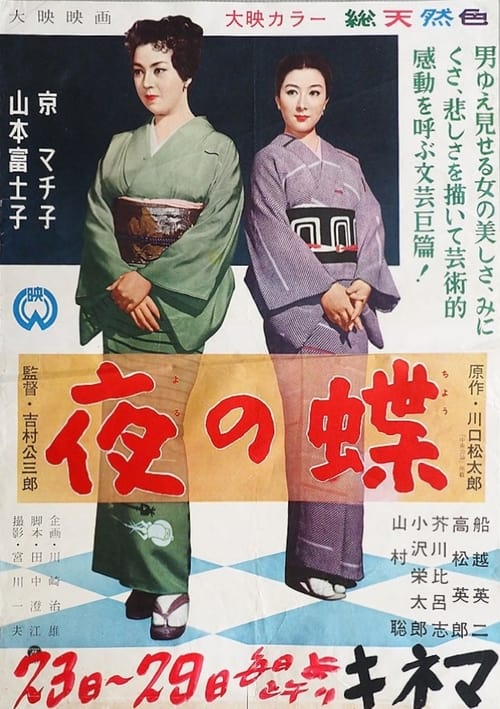 À l’étudeLes Papillons de la nuit1957
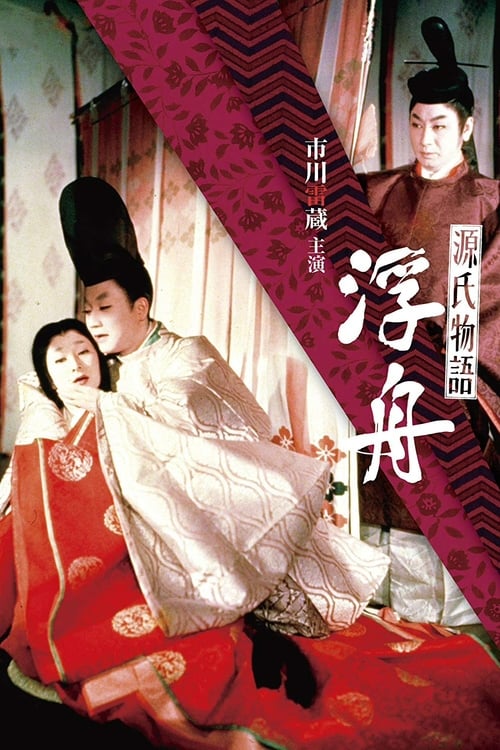 À l’étudeFloating Vessel1957
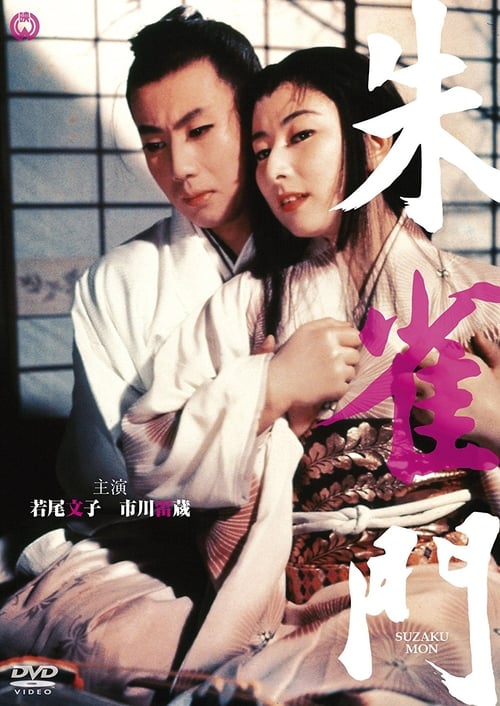 À l’étudeLove of the Princess1957
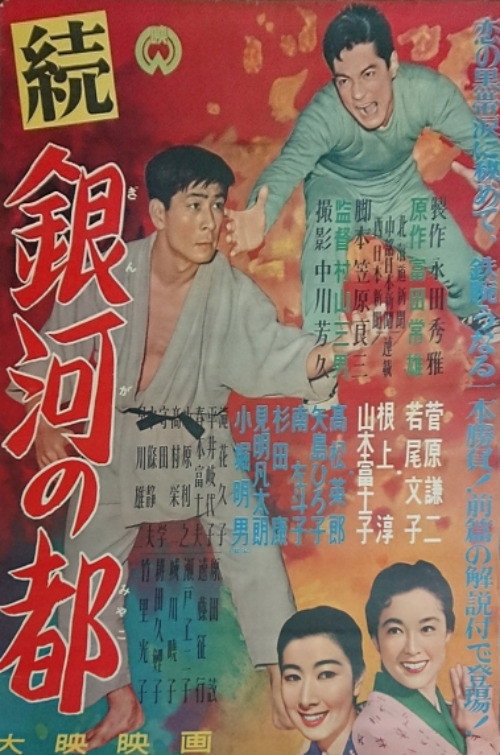 À l’étudeZoku ginga no miyako1957
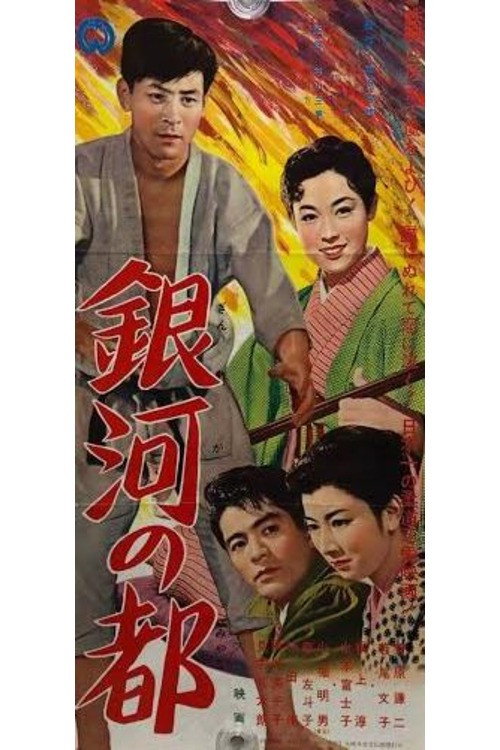 À l’étudeGinga no miyako1957
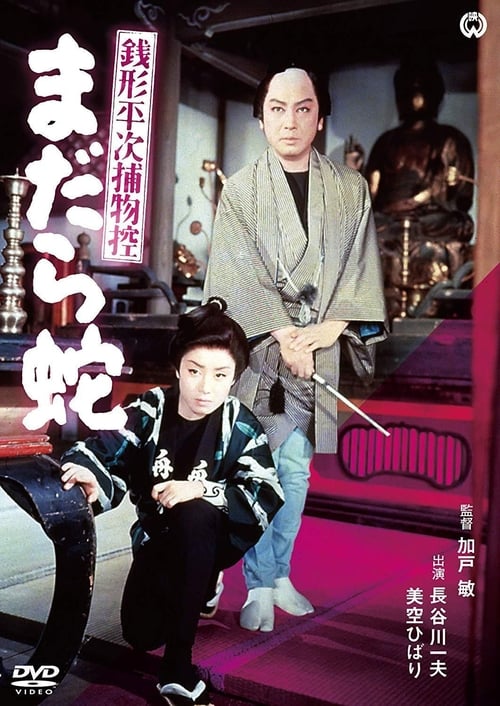 À l’étudeCase Files of Zenigata Heiji: The Cursed Coin1957
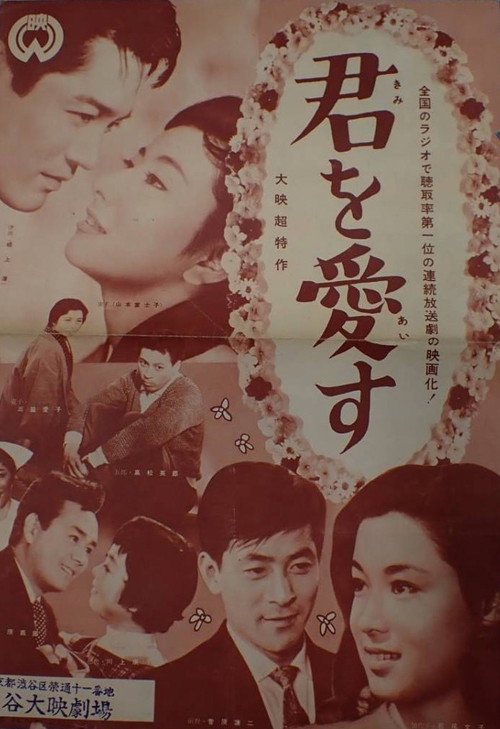 À l’étudeI Love You1956
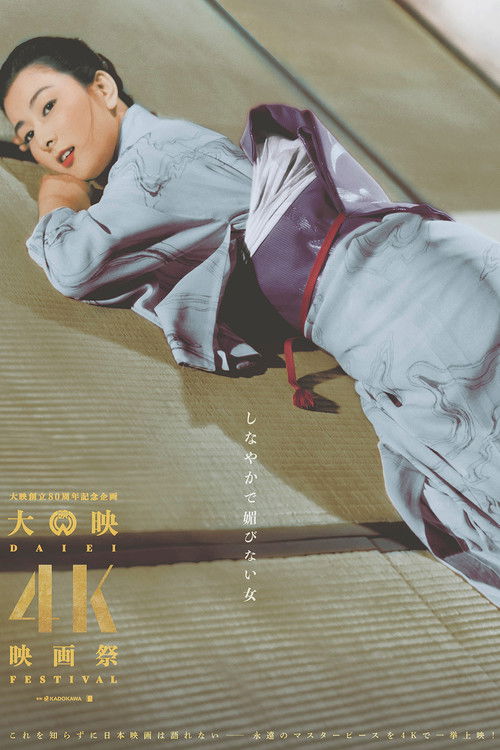 À l’étudeRivière de nuit1956
- Case Files of Zenigata Heiji: The Human-Skin SpiderÀ l’étudeCase Files of Zenigata Heiji: The Human-Skin Spider1956
- Studio wa ōsawagiÀ l’étudeStudio wa ōsawagi1956
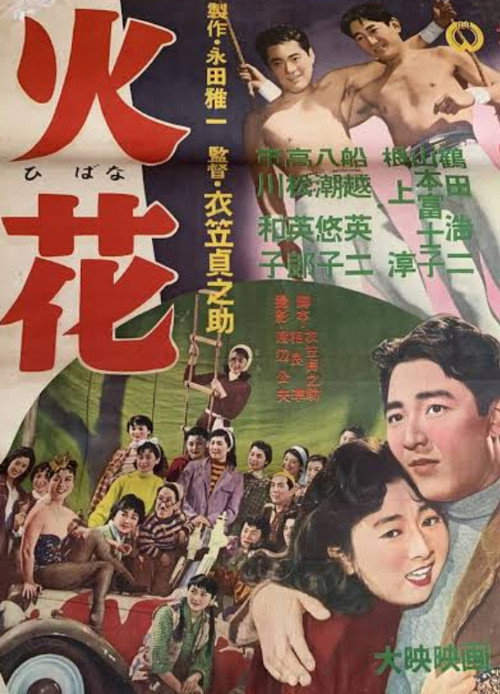 À l’étudeSpark1956
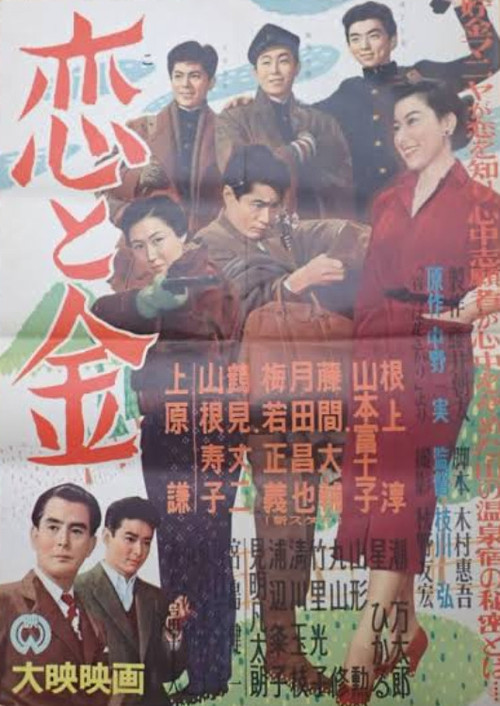 À l’étudeThe Buried Treasure1956
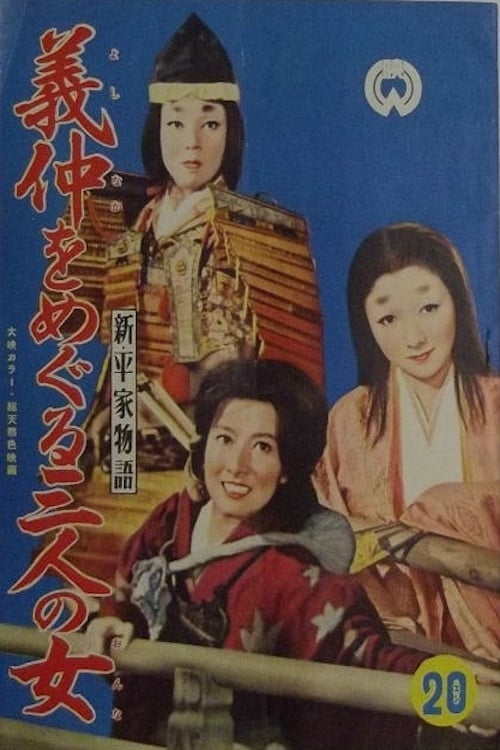 À l’étudeThree Women Around Yoshinaka1956
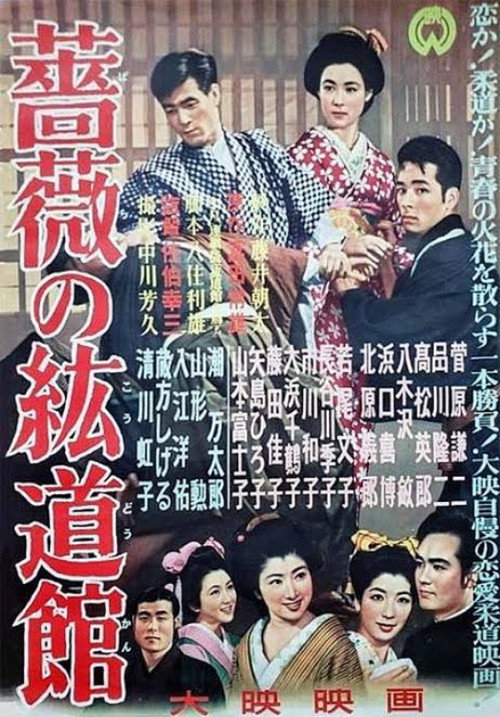 À l’étudeBara no kōdōkan1956
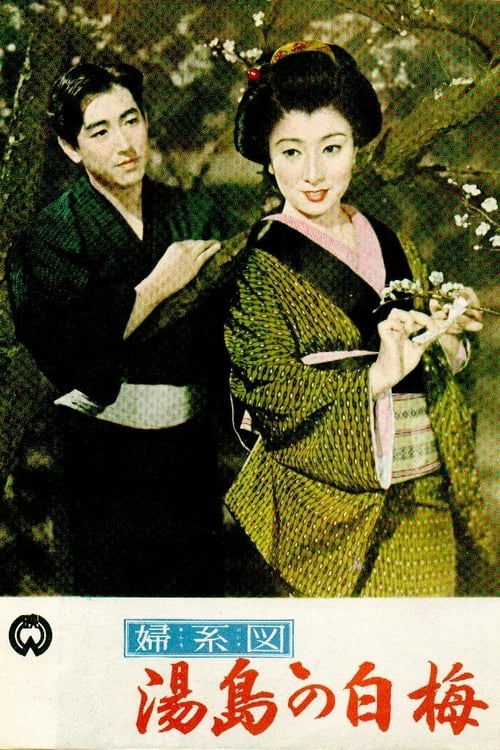 À l’étudeThe Romance of Yushima1955
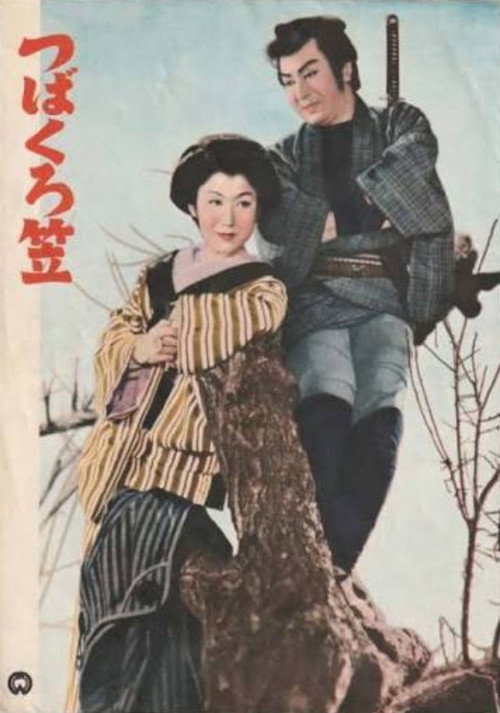 À l’étudeTsubakuro kasa1955
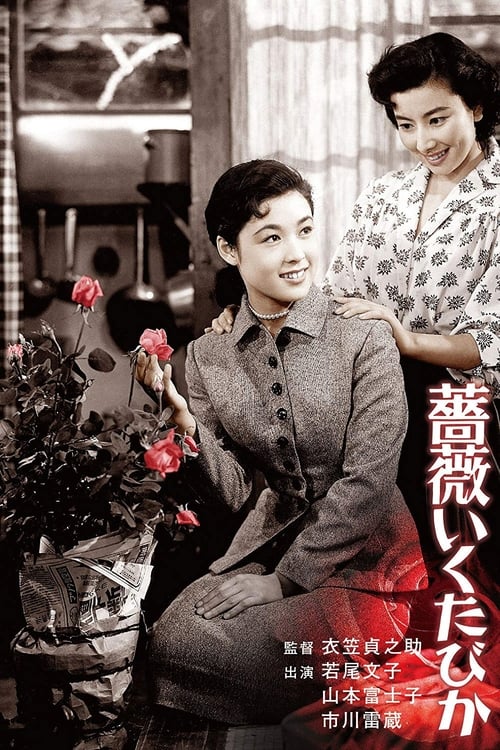 À l’étudeA Girl Isn't Allowed to Love1955
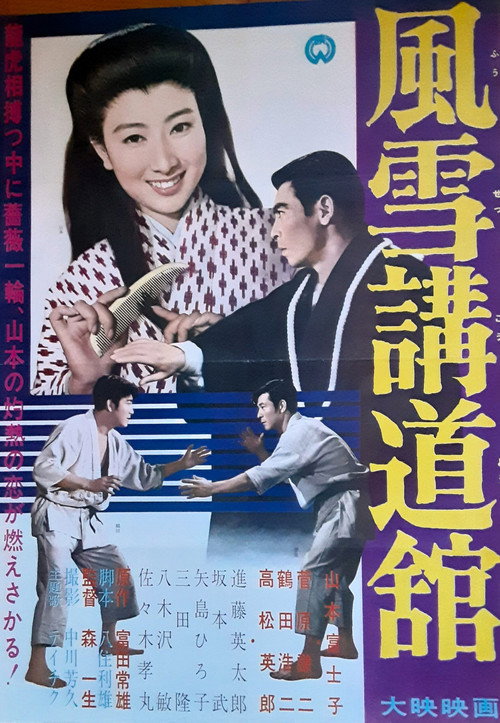 À l’étudeThe Birth of Judo1955
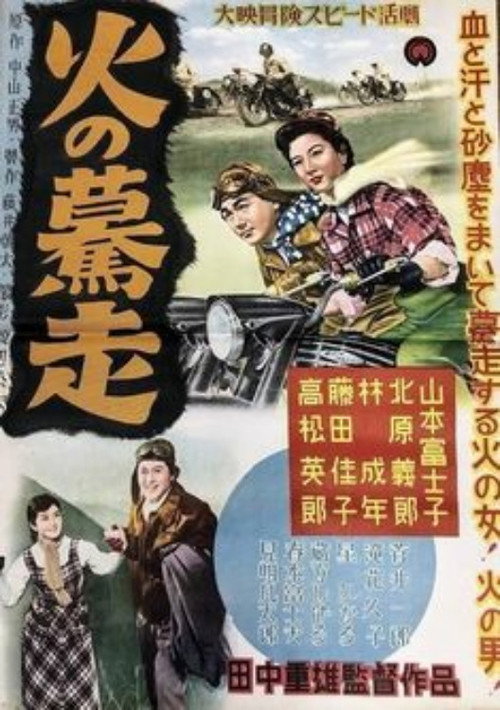 À l’étudeDriving Like Mad1955
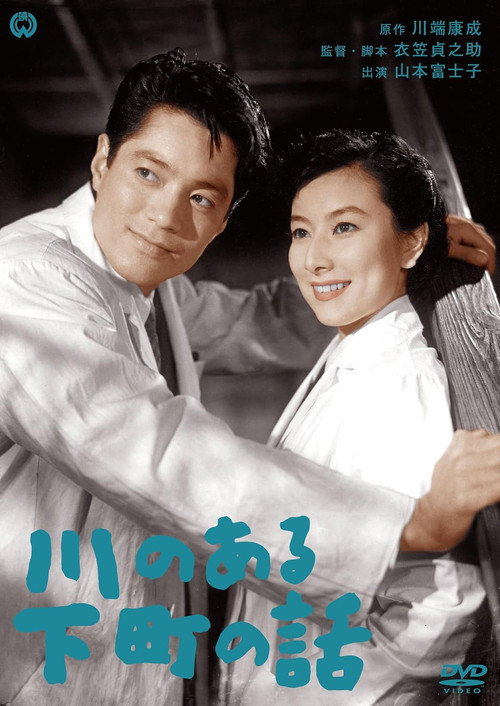 À l’étudeKawa no aru shitamachi no hanashi1955
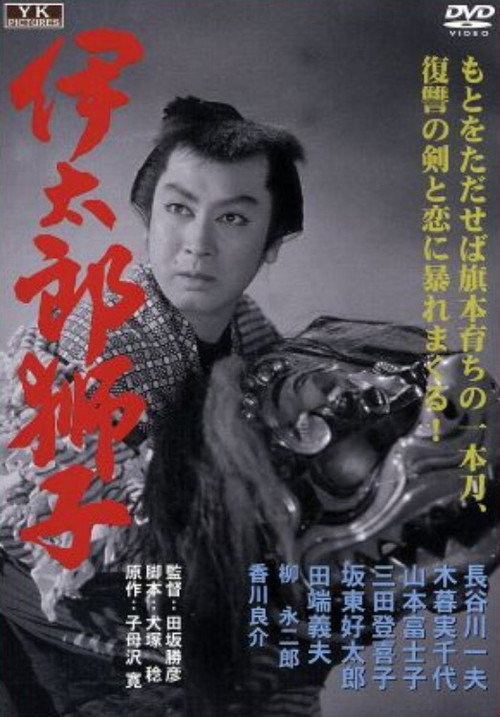 À l’étudeItarō jishi1955
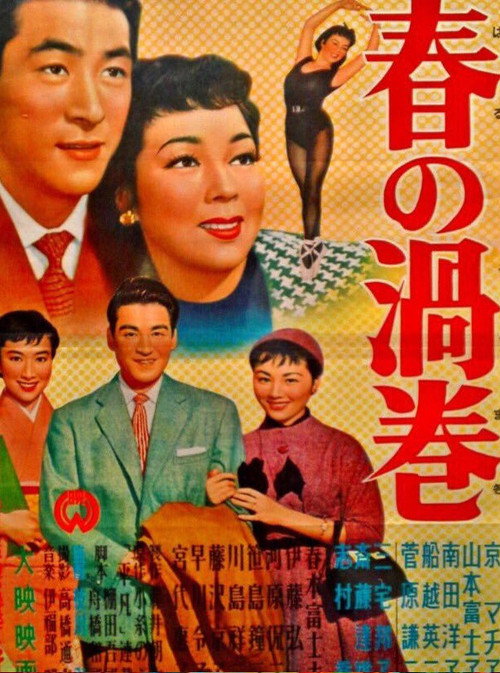 À l’étudeHaru no uzumaki1954
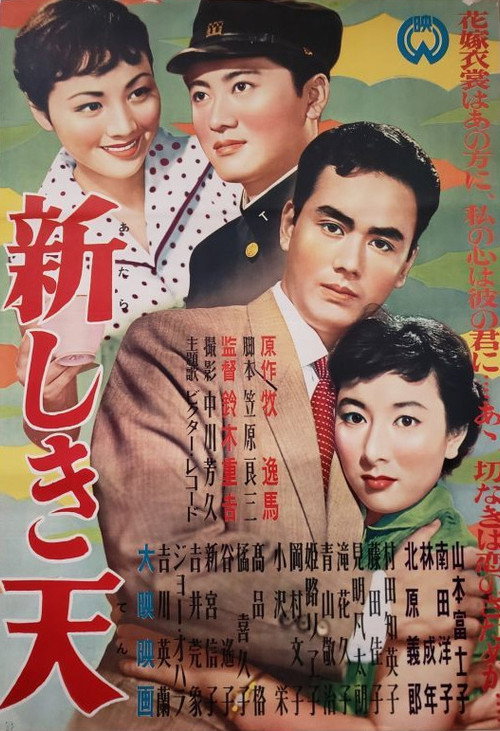 À l’étudeAtarashiki ten1954
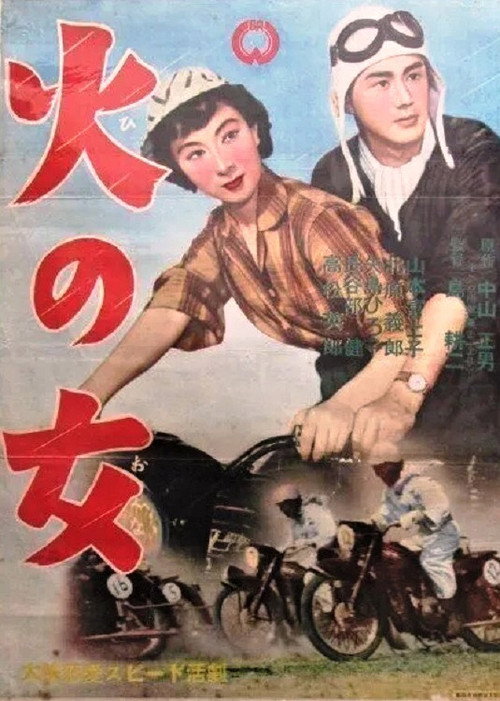 À l’étudeWoman of Fire1954
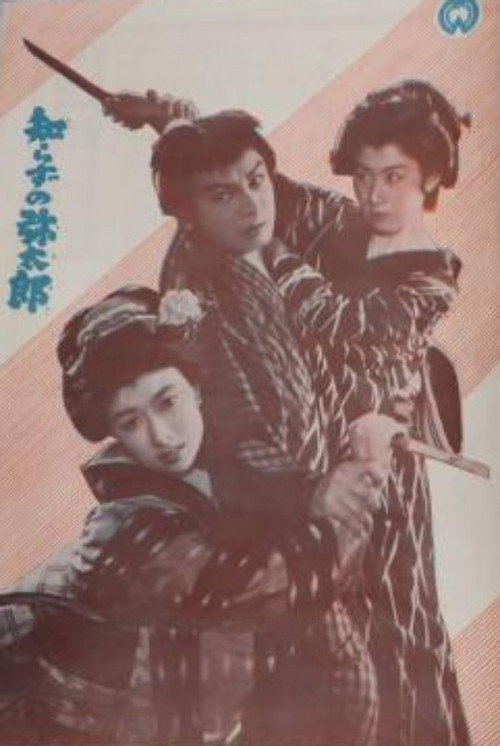 À l’étudeShirazu no Yatarō1954
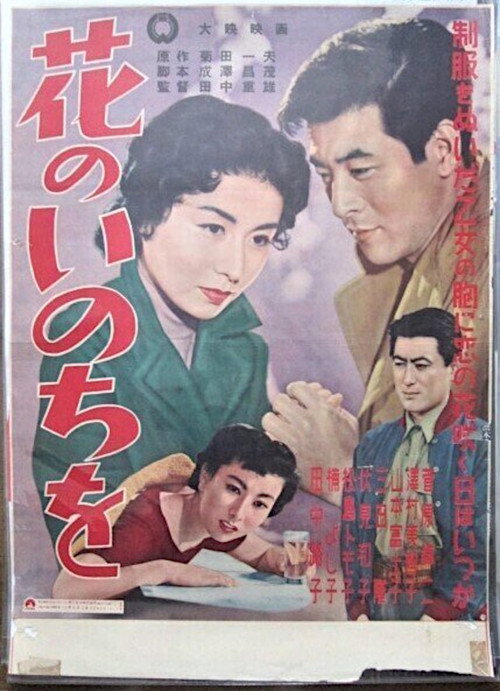 À l’étudeHana no Inochi wo1954
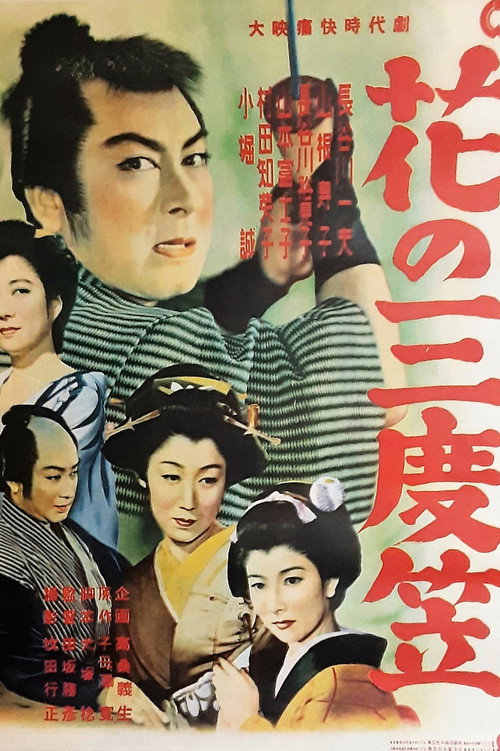 À l’étudeHana no sando gasa1954
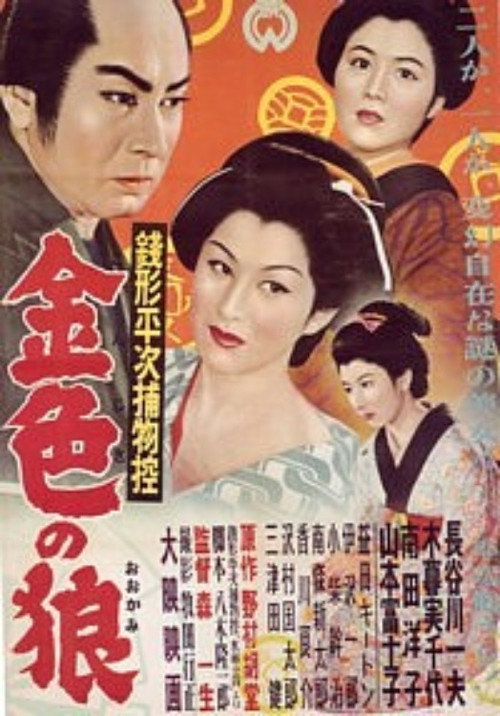 À l’étudeZenigata heiji torimono hikae: Kiniro no ōkami1953
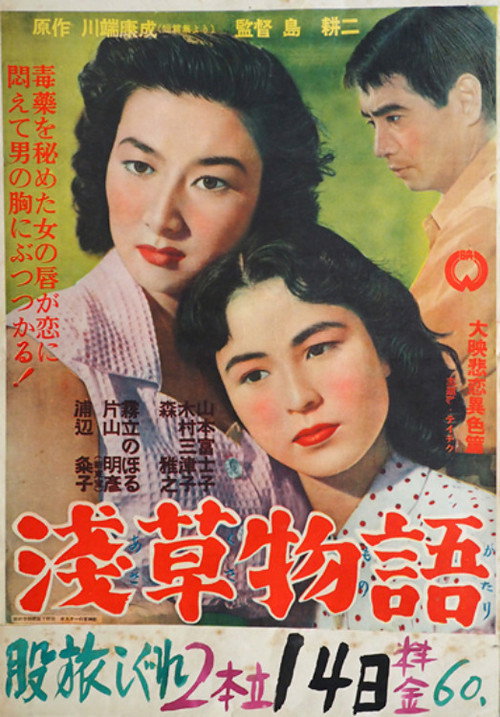 À l’étudeAsakusa monogatari1953
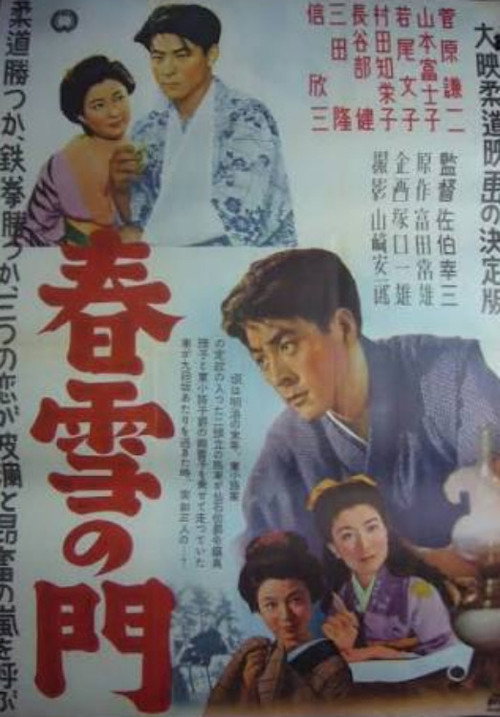 À l’étudeShunsetsu no mon1953
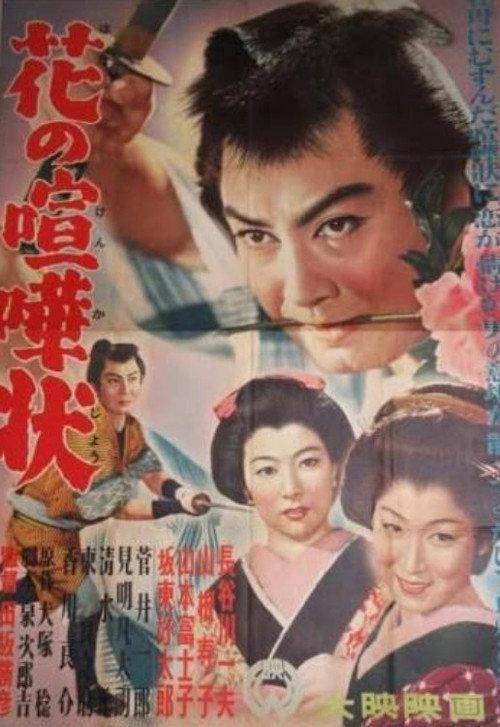 À l’étudeHana no kenkajō1953
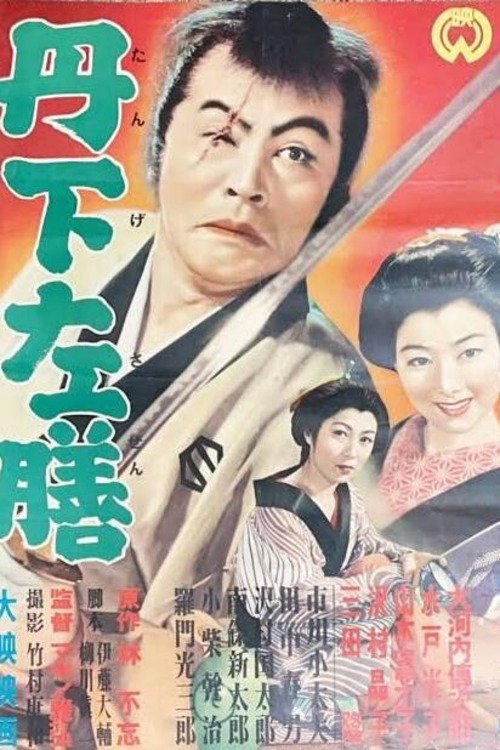 À l’étudeTange Sazen1953
- Seki no yatappeÀ l’étudeSeki no yatappe1953
- Coming Up of KodokanÀ l’étudeComing Up of Kodokan1953
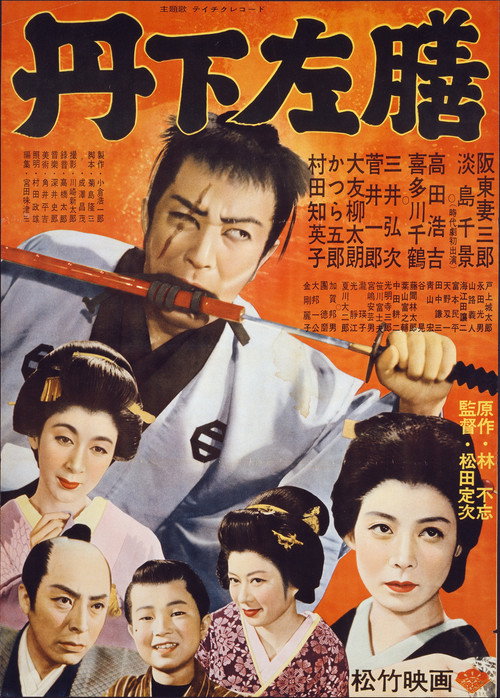 À l’étudeTange Sazen1952