
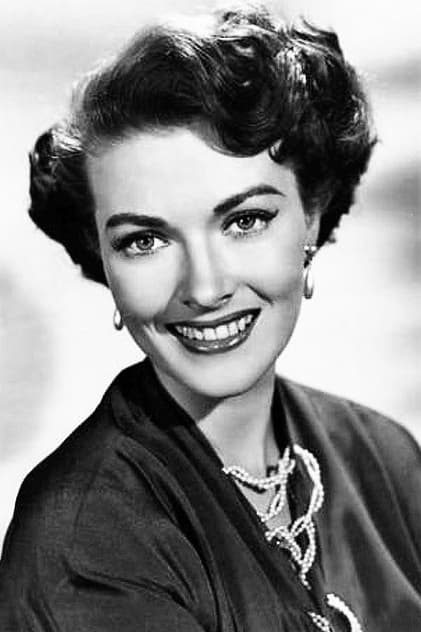
Paula Raymond
- Naissance
- 23 novembre 1924
- Décès
- 31 décembre 2003
- Origine
- San Francisco, California, USA
From Wikipedia, the free encyclopedia.
Afficher plusAfficher moins
Paula Raymond (November 23, 1924 – December 31, 2003) was an American model and actress.
In 1950, she was put under contract by MGM, where she played opposite such leading men as Cary Grant and Dick Powell. Earlier in her career, Raymond acted in film noir thrillers such as City That Never Sleeps (with Gig Young and Marie Windsor), but later in her career she developed a horror film reputation.
In 1952, she played the heroine in The Beast From 20,000 Fathoms. In the late 1950s and 1960 Raymond appeared in many television shows and low-budget horror movies including Perry Mason, Hawaiian Eye, 77 Sunset Strip, and Blood of Dracula's Castle with Alexander D'Arcy and John Carradine. She turned down the role of saloon keeper Kitty in the long-running western classic series Gunsmoke (the role went to Amanda Blake).
In 1962, Raymond was a passenger in a car that crashed into a tree on Sunset Boulevard. Her nose was severed by the rear view mirror. After only a little more than a year of extensive plastic surgery and recovery she returned to acting. In 1977, while working on the soap opera Days of our Lives, after only 3 appearances, she accidentally tripped on a telephone cord and broke her ankle. She was written out of the show. In 1984 she broke both hips, and in 1994 she broke her shoulder.
Raymond was previously married. In 1944, Raymond married Floyd Leroy Patterson. In 1946, they divorced shortly after the birth of their daughter, Raeme Dorene Patterson. In 1993, Raymond's daughter died. In 2003, Raymond died at the age of 79 from a series of respiratory ailments.
Biographie fournie par TMDB
Interprétation 23
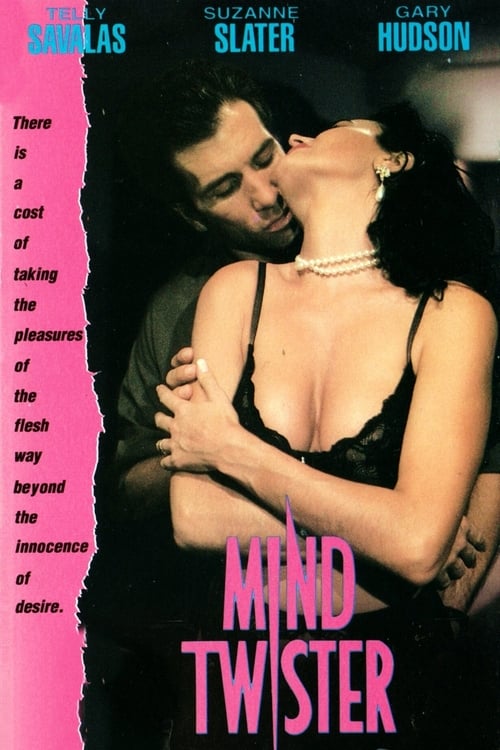 À l’étudeMind Twister1994
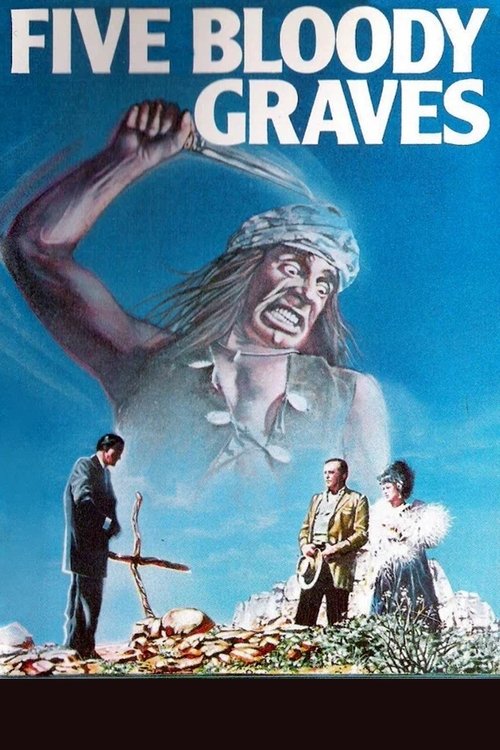 À l’étudeFive Bloody Graves1969
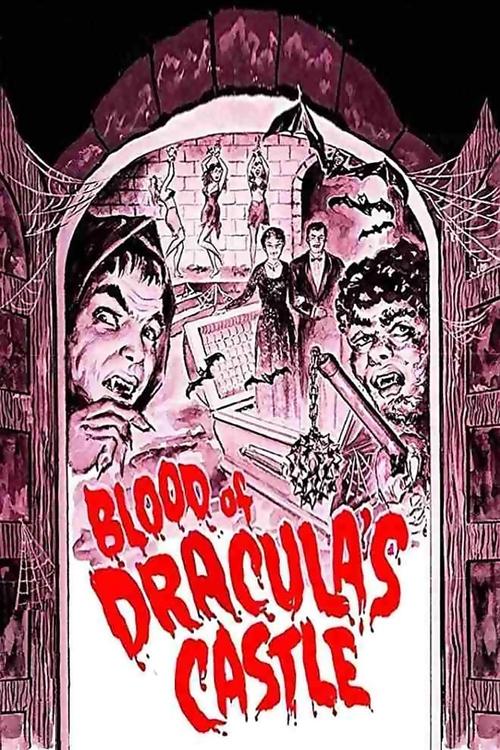 À l’étudeBlood of Dracula's Castle1969
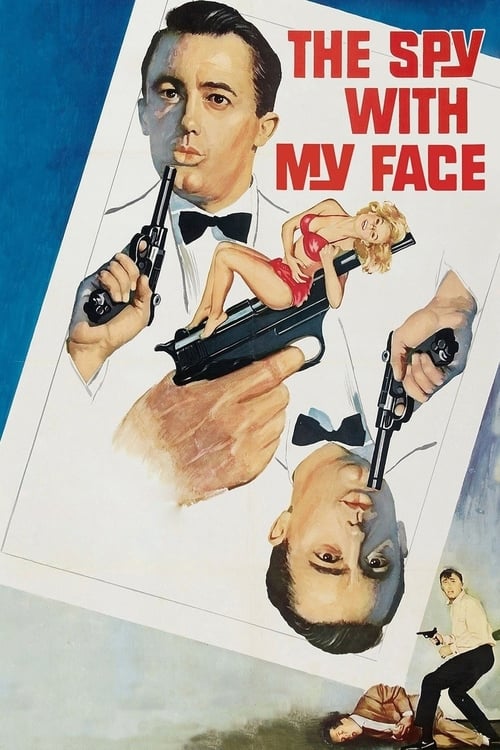 Le Mystère de la chambre forte1965
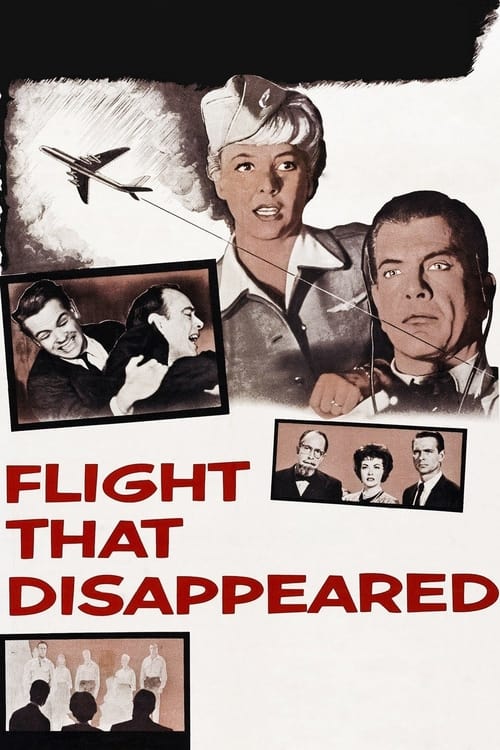 À l’étudeLe vol disparu1961
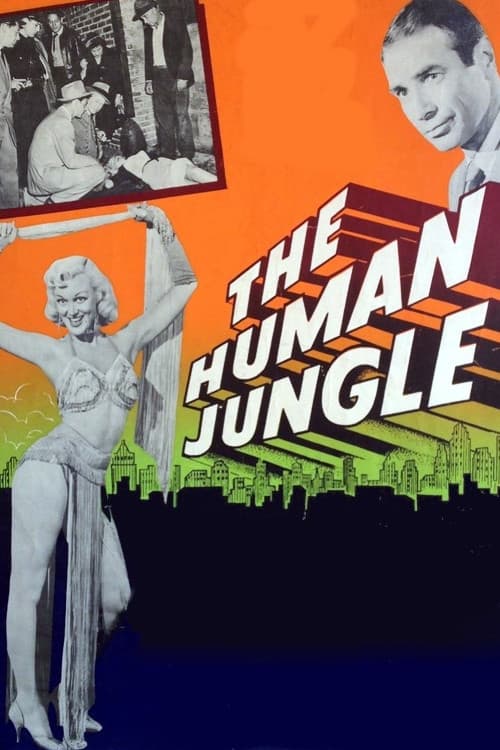 À l’étudeThe Human Jungle1954
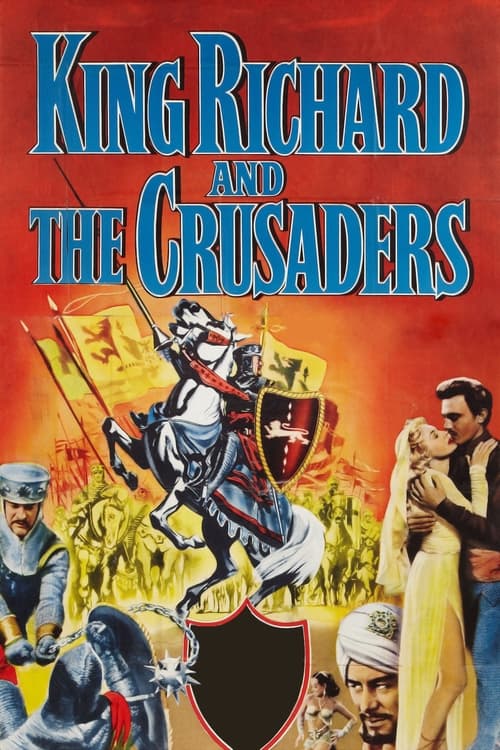 À l’étudeKing Richard and the Crusaders1954
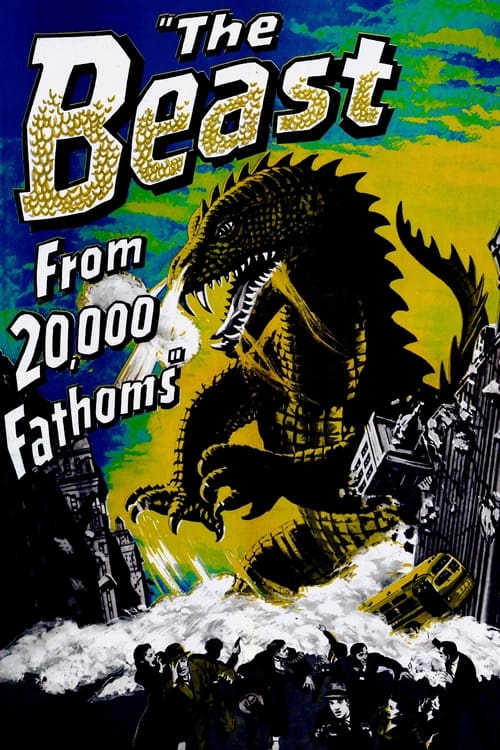 Le Monstre des temps perdus1953
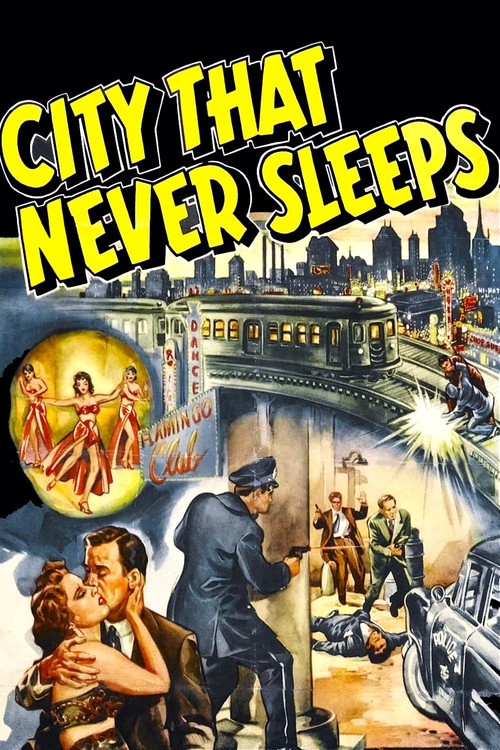 À l’étudeCity That Never Sleeps1953
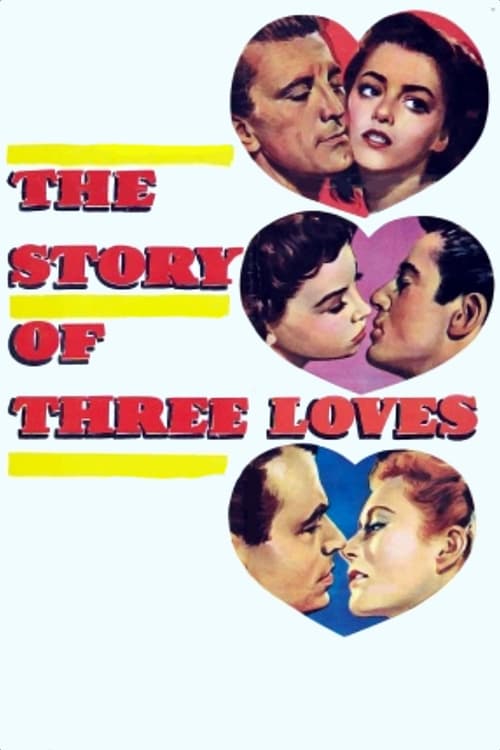 À l’étudeHistoire de trois amours1953
 À l’étudeThe Bandits of Corsica1953
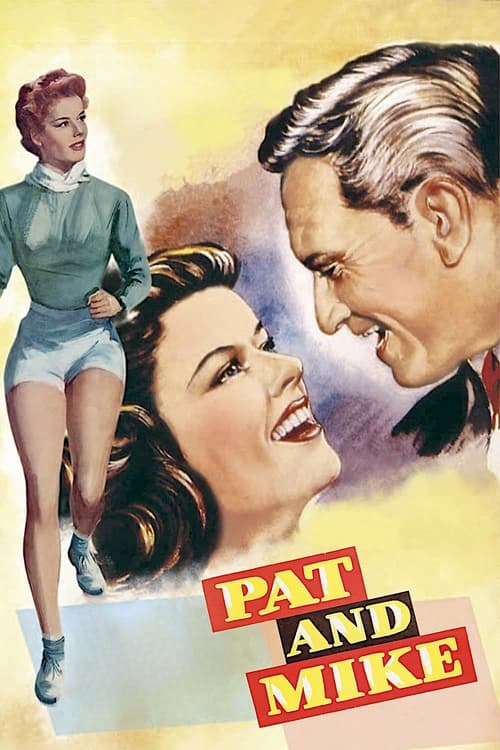 Mademoiselle Gagne-Tout1952
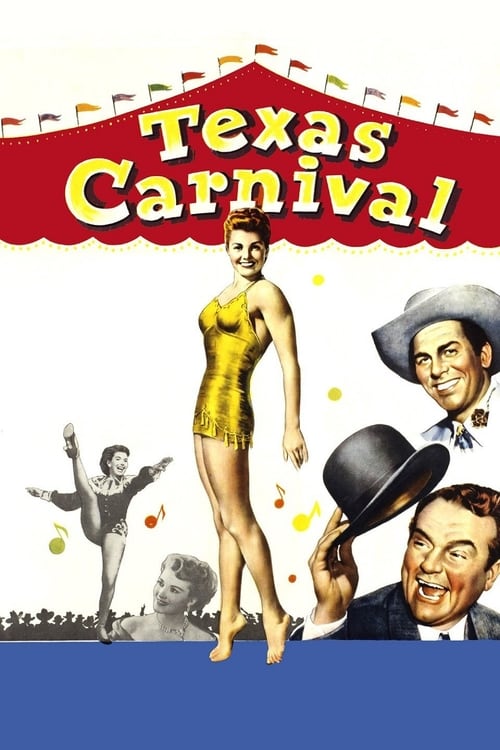 À l’étudeTexas Carnival1951
 À l’étudeLe Grand Attentat1951
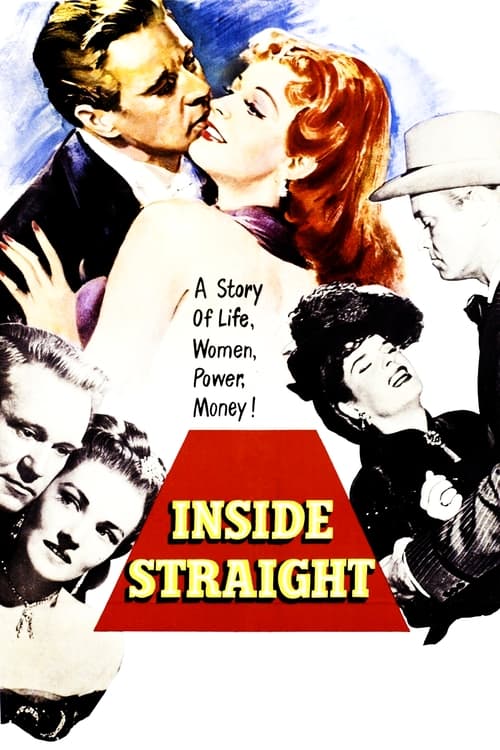 À l’étudeInside Straight1951
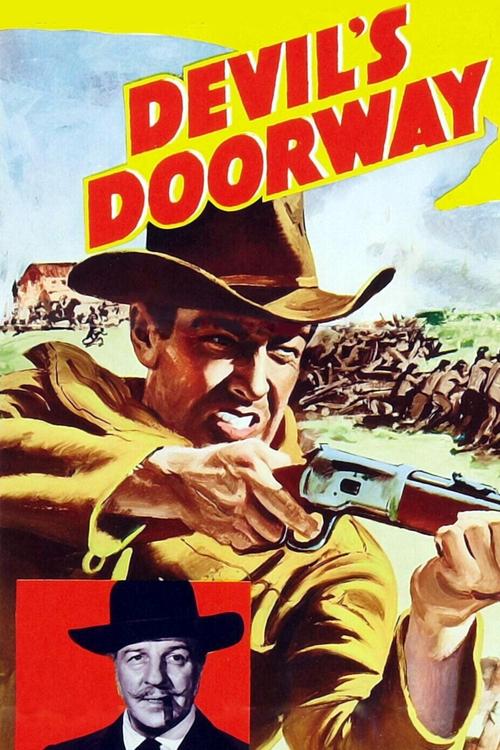 La Porte du diable1950
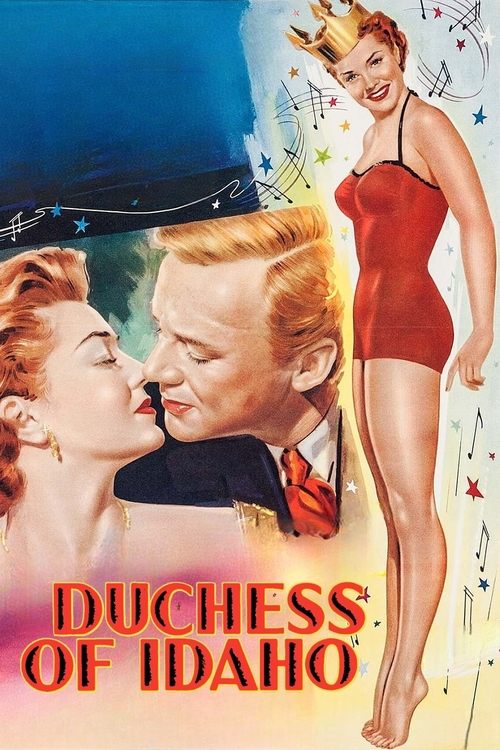 À l’étudeDuchess of Idaho1950
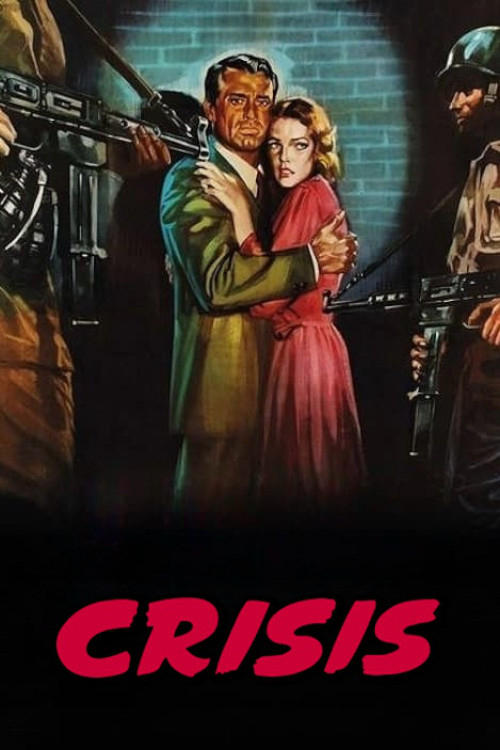 À l’étudeCas de conscience1950
 Un mariage compliqué1949
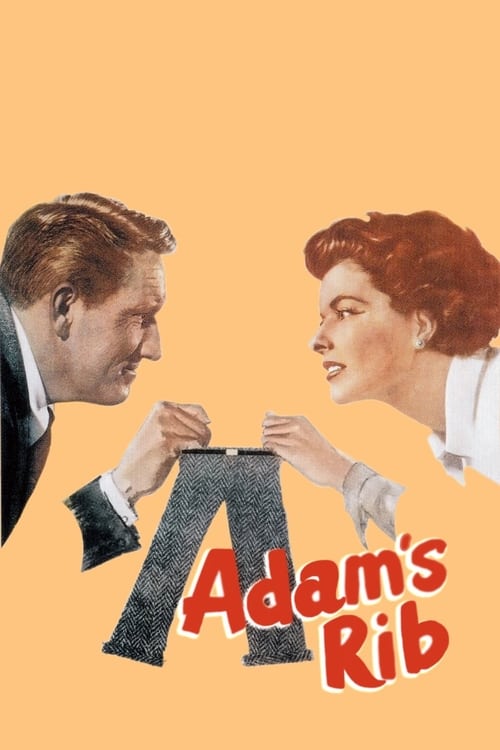 Madame porte la culotte1949
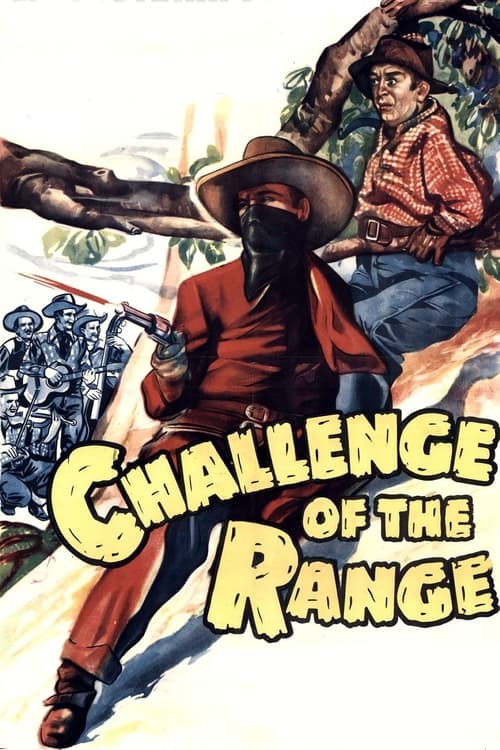 À l’étudeChallenge of the Range1949
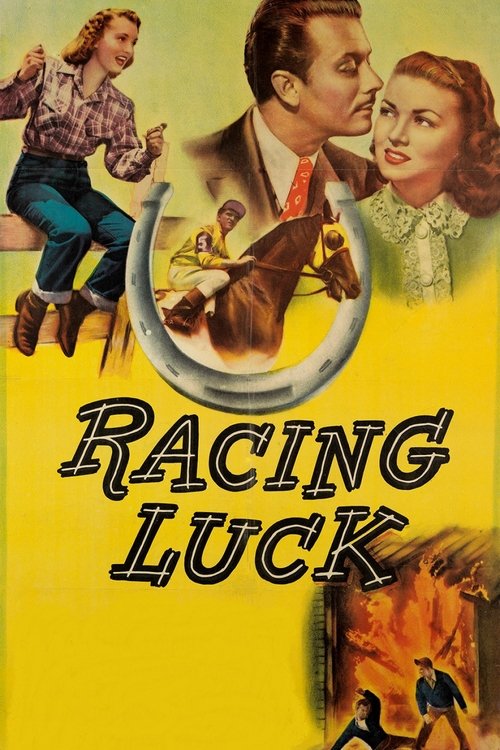 À l’étudeRacing Luck1948
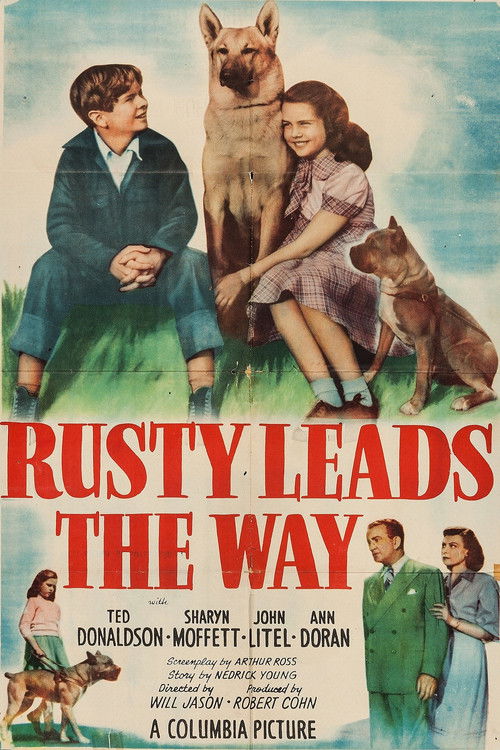 À l’étudeRusty Leads the Way1948