
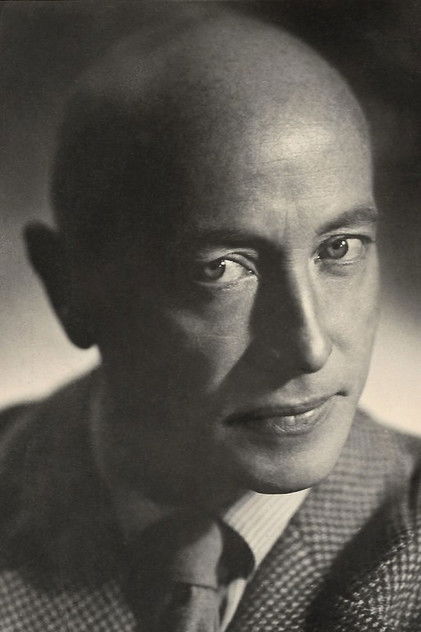
Hubert von Meyerinck
- Naissance
- 23 août 1896
- Décès
- 13 mai 1971
- Origine
- Potsdam, Germany
Hubert von Meyerinck was born in Potsdam on August 23, 1896, the son of a major. After his parents divorced, he was raised by his mother. From an early age he showed a strong interest in acting and began taking lessons as a child, despite his parents’ wish that he pursue a career as a priest. After completing school, he was drafted into military service during World War I but was discharged shortly afterward for health reasons.
Afficher plusAfficher moins
In 1917, he made his stage debut at the Berliner Schauspielhaus as Lieutenant von Hagen in "Kolberg." Following an engagement at the Hamburger Kammerspiele from 1918 to 1920, he performed at numerous Berlin theatres and variety venues, including the revue "Es liegt was in der Luft" alongside Marlene Dietrich. He earned acclaim both for his cabaret performances at the famed Tingeltangel and for dramatic stage roles such as Mephisto in "Faust" and Mackie Messer in "Die Dreigroschenoper."
At the beginning of the 1920s, von Meyerinck transitioned to film. After a significant early role in Georg Jacoby’s serial "Der Mann ohne Namen," he appeared in supporting roles in silent films including Artur Robison’s "Manon Lescaut" (1926) and Wilhelm Dieterle’s "Ich lebe für Dich" (1929). His distinctive appearance—bald head, monocle, thin moustache—quickly made him recognizable, and he became a popular character actor. He was often typecast as aristocrats, bourgeois figures, authoritarian officials, eccentrics, or crooks. With the arrival of sound film, his raspy voice further defined his screen persona.
Among his notable early sound films were Max Ophüls’ "Die verliebte Firma" (1931/32), Franz Wenzler’s "Wenn die Liebe Mode macht" (1932), and Kurt Gerron’s "Der weiße Dämon" (1932). During the Nazi era, he remained one of Germany’s most prolific and popular supporting actors, appearing in more than 90 productions between 1933 and 1945. These ranged from comedies such as "Ein falscher Fuffziger" (1935) to Willi Forst’s adaptation of Maupassant’s "Bel Ami" (1939) and Helmut Käutner’s "Kitty und die Weltkonferenz" (1939). He also took smaller roles in propagandistic films including "Ein Volksfeind" (1937) and "Trenck, der Pandur" (1940). Although it was widely known that he was homosexual, he was not prosecuted by the regime.
In the 1950s and 1960s, von Meyerinck successfully parodied his established authoritarian image in numerous comedies. In 1957 alone he appeared in 13 films, including the popular "Der tolle Blomberg" and "Das Wirtshaus im Spessart." He received the Prize of the German Film Critics in 1960 for "Ein Mann geht durch die Wand" and again in 1961 for "Das Spukschloß im Spessart." Another highlight was his role as an exuberant aristocrat in Billy Wilder’s Cold War satire "One, Two, Three." Between 1965 and 1969, he regularly appeared as Sir Arthur, head of Scotland Yard, in the Edgar Wallace film series.
Despite appearing in around 250 films, von Meyerinck remained committed to the stage and joined the ensemble of Hamburg’s Thalia Theatre in 1966. In 1968, he received a lifetime achievement award at the German Film Prize and published his memoirs. He died in Hamburg on May 13, 1971.
Biographie fournie par TMDB
Interprétation 81
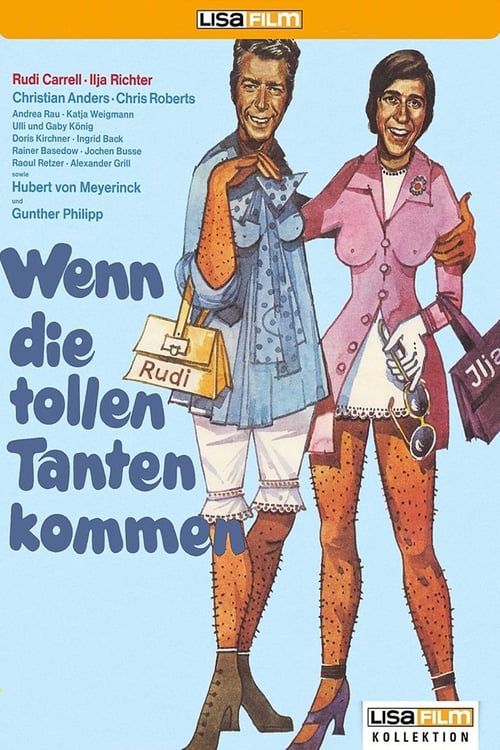 À l’étudeWenn die tollen Tanten kommen1970
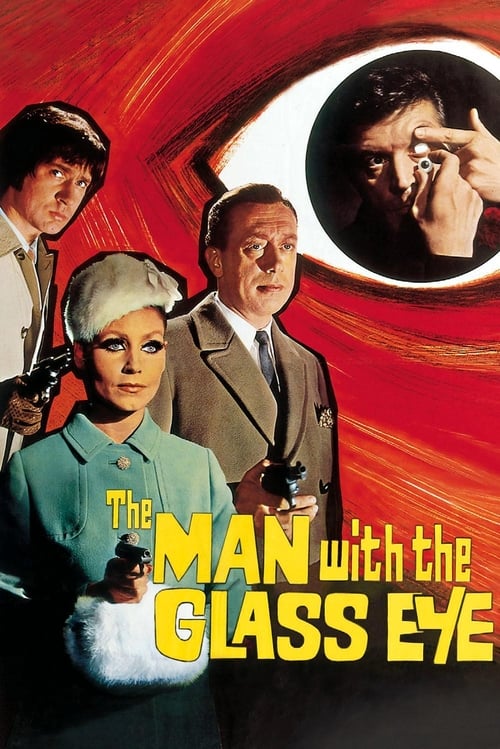 À l’étudeDer Mann mit dem Glasauge1969
 À l’étudeDer Gorilla von Soho1968
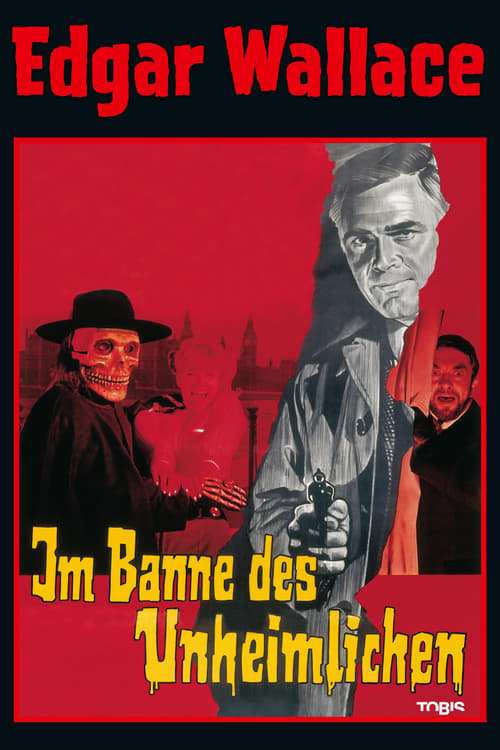 À l’étudeLa Vengeance du Scorpion d'Or1968
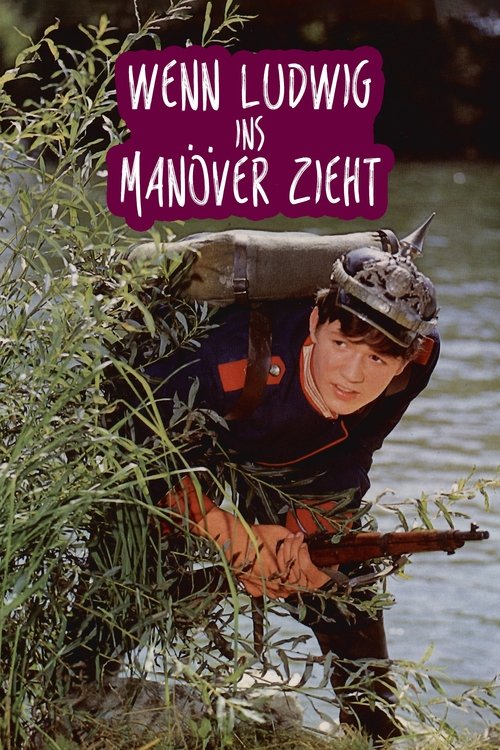 À l’étudeWenn Ludwig ins Manöver zieht1967
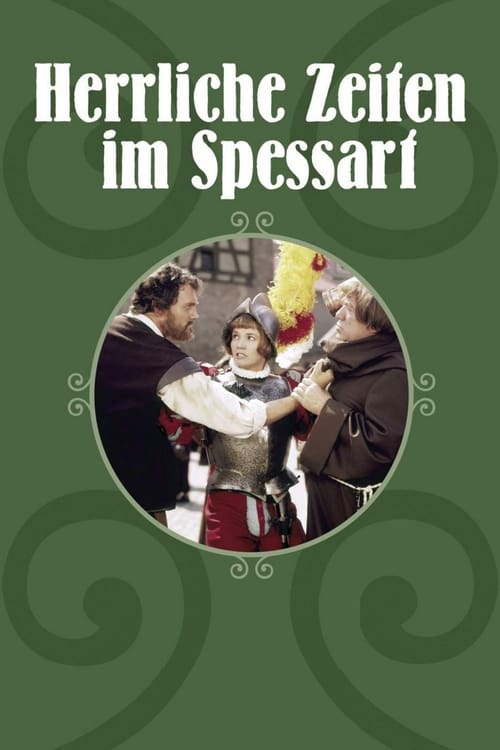 À l’étudeHerrliche Zeiten im Spessart1967
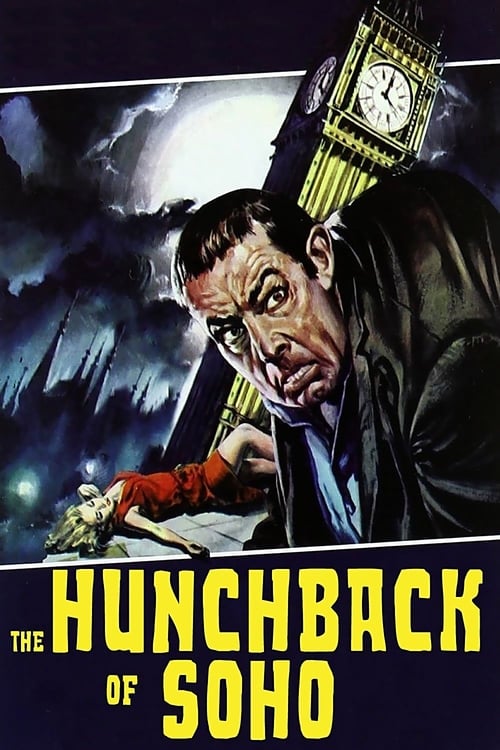 À l’étudeLe bossu de Londres1966
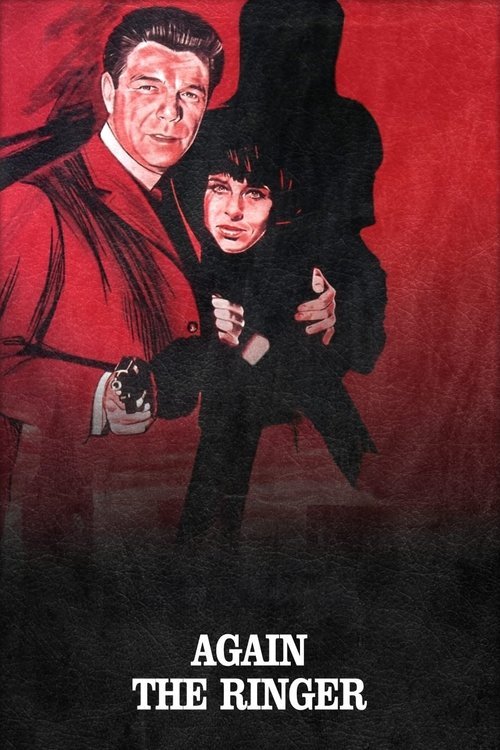 À l’étudeNeues vom Hexer1965
 À l’étudeSo toll wie anno dazumal1962
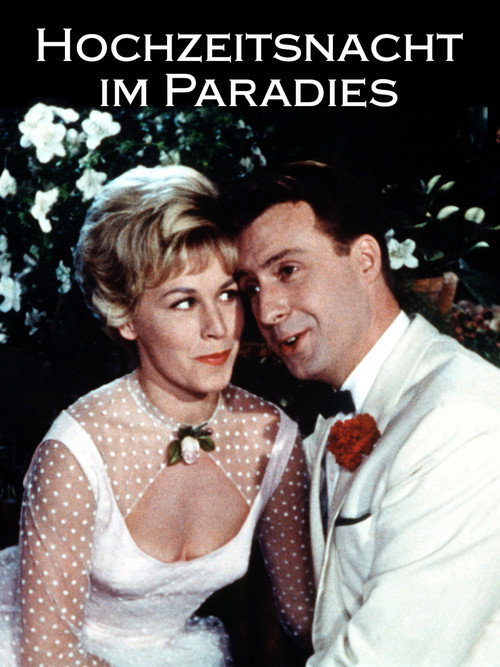 À l’étudeHochzeitsnacht im Paradies1962
 À l’étudeDie türkischen Gurken1962
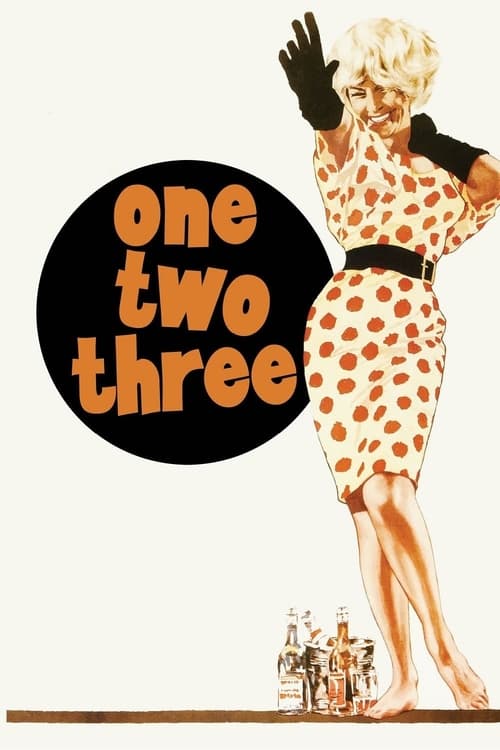 Un, deux, trois1961
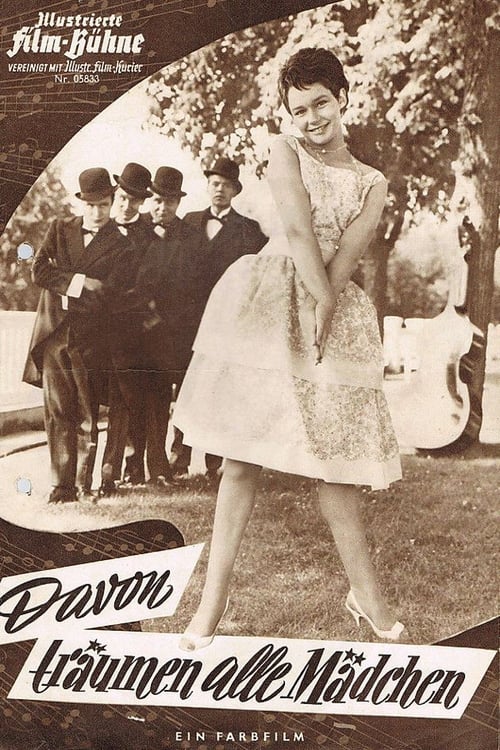 À l’étudeDavon träumen alle Mädchen1961
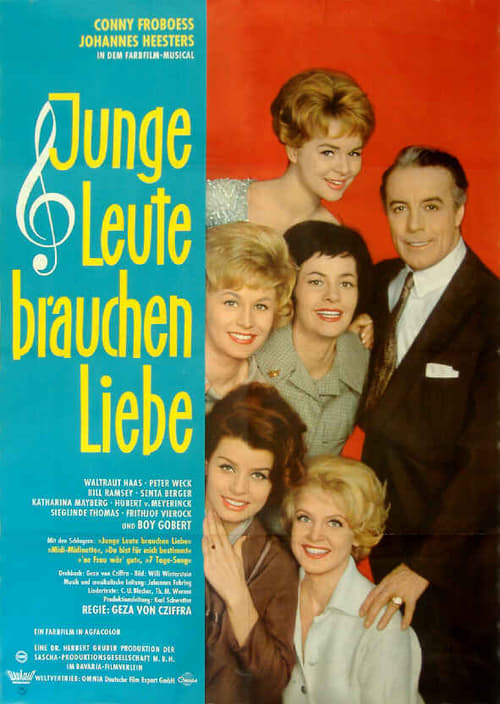 À l’étudeJunge Leute brauchen Liebe1961
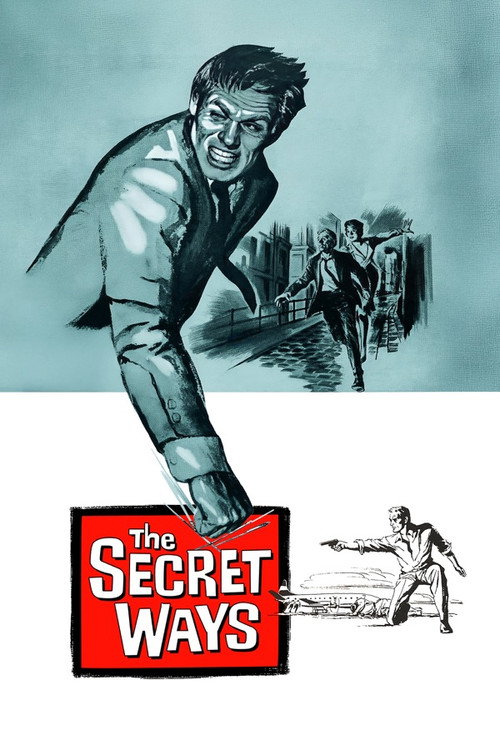 Le Dernier Passage1961
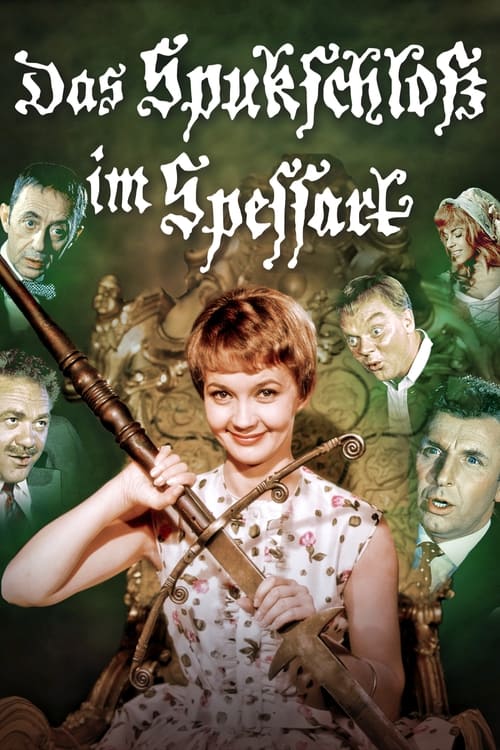 À l’étudeL'Auberge du Spessart1960
 À l’étudeDer Stern von Santa Clara1958
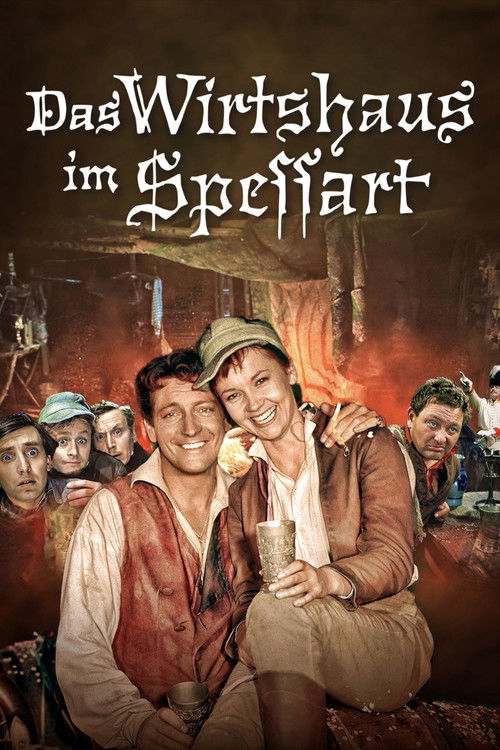 À l’étudeDas Wirtshaus im Spessart1958
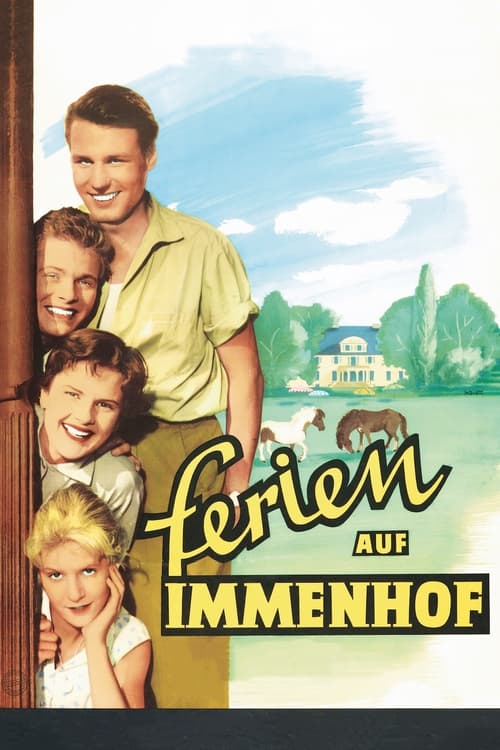 À l’étudeFerien auf Immenhof1957
 À l’étudeDer tolle Bomberg1957
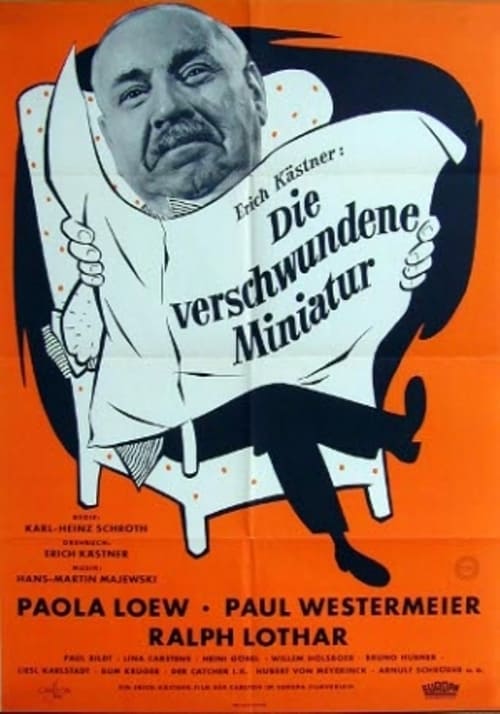 À l’étudeDie verschwundene Miniatur1954
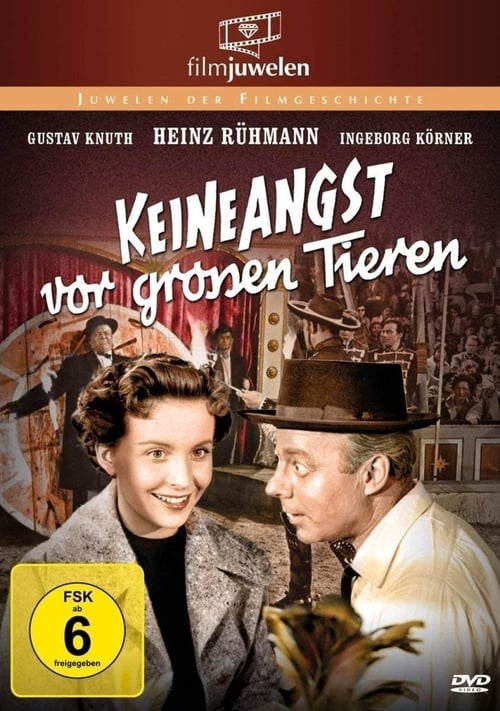 À l’étudeKeine Angst vor großen Tieren1953
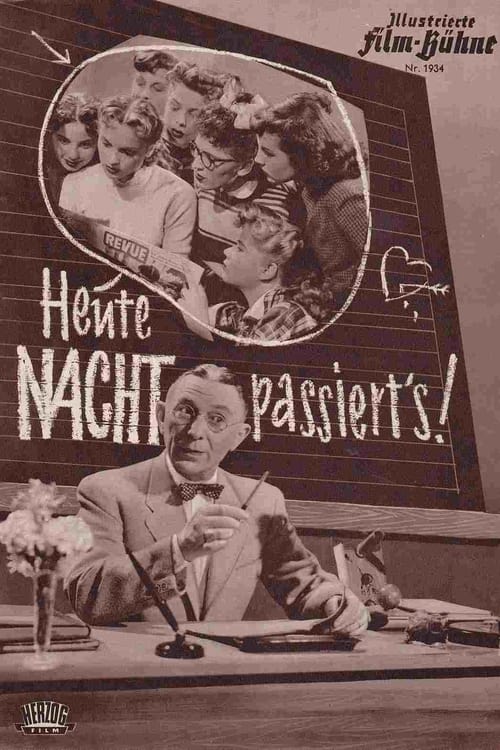 À l’étudeHeute nacht passiert’s1953
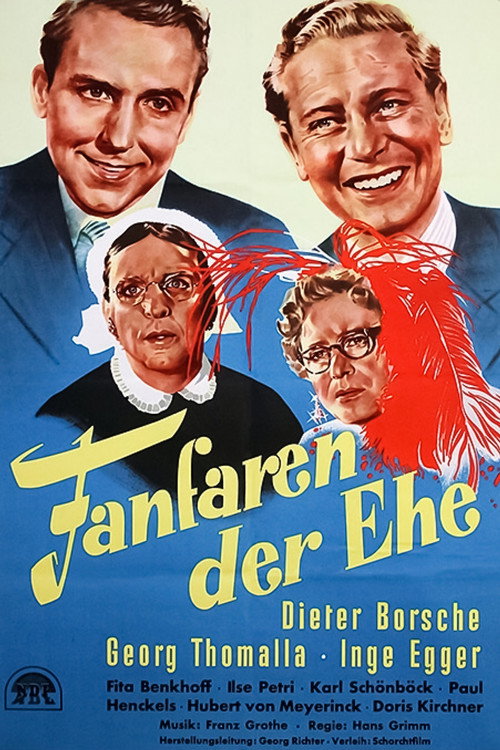 À l’étudeFanfaren der Ehe1953
- Ich warte auf dichÀ l’étudeIch warte auf dich1952
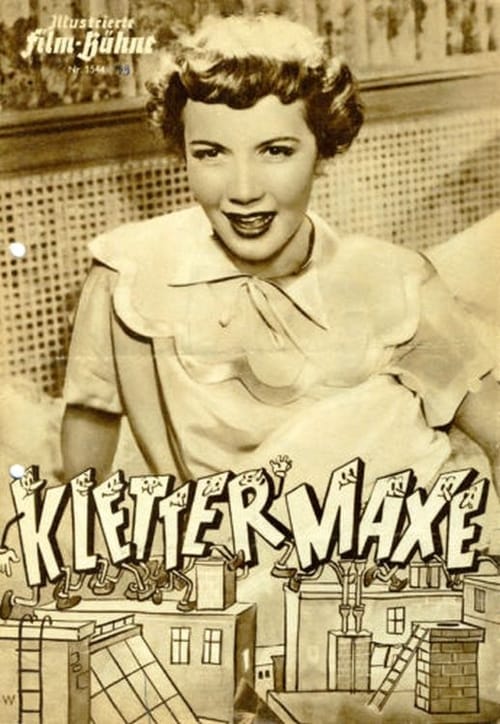 À l’étudeKlettermaxe1952
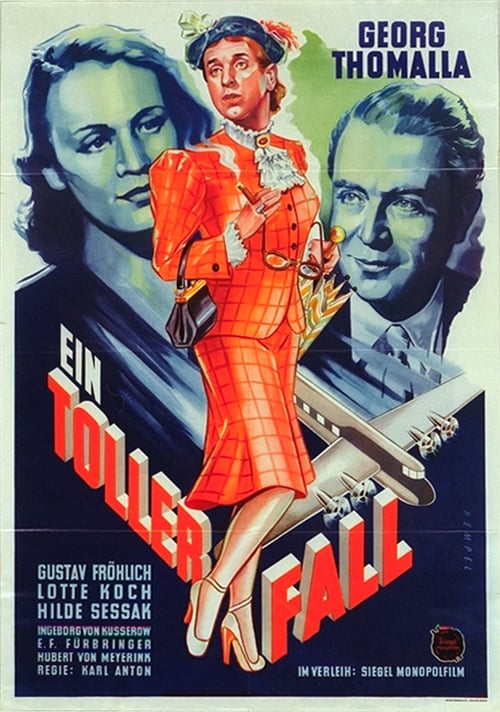 À l’étudeDer große Fall1949
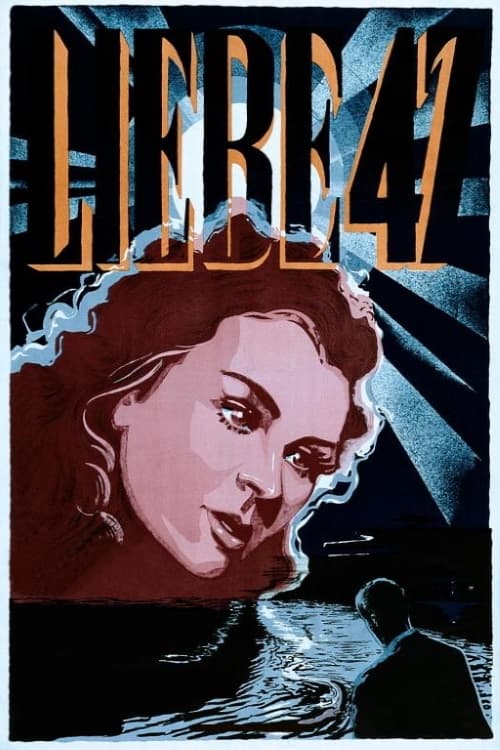 À l’étudeLiebe 471949
- Im Tempel der VenusÀ l’étudeIm Tempel der Venus1948
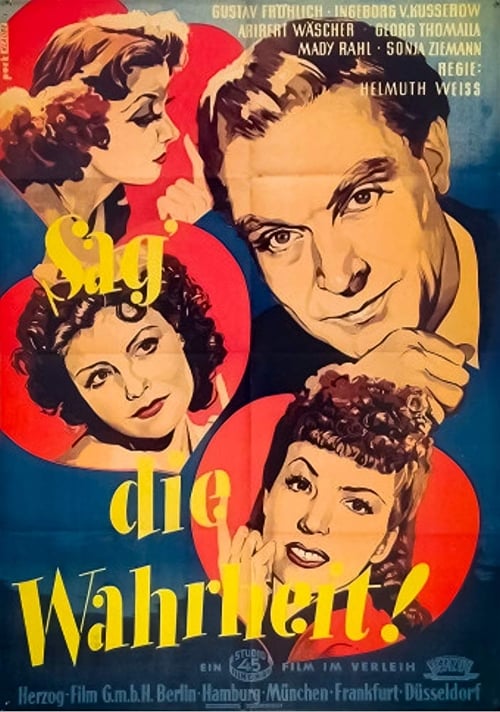 À l’étudeSag die Wahrheit1946
- Ich habe von dir geträumtÀ l’étudeIch habe von dir geträumt1944
 À l’étudeLes aventures fantastiques du baron de Münchhausen1943
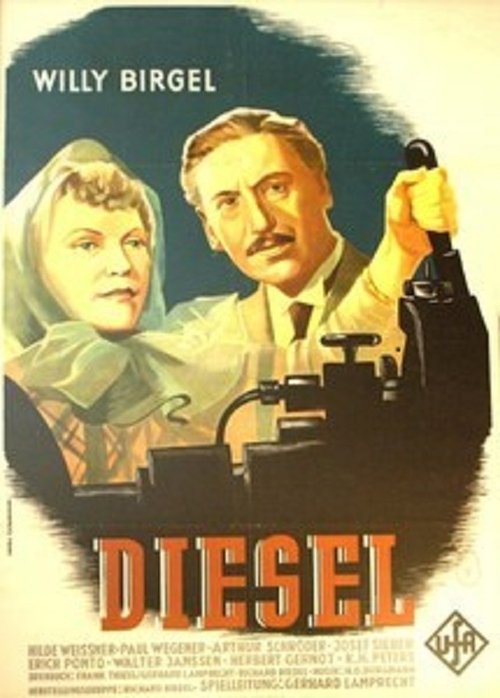 À l’étudeDiesel1943
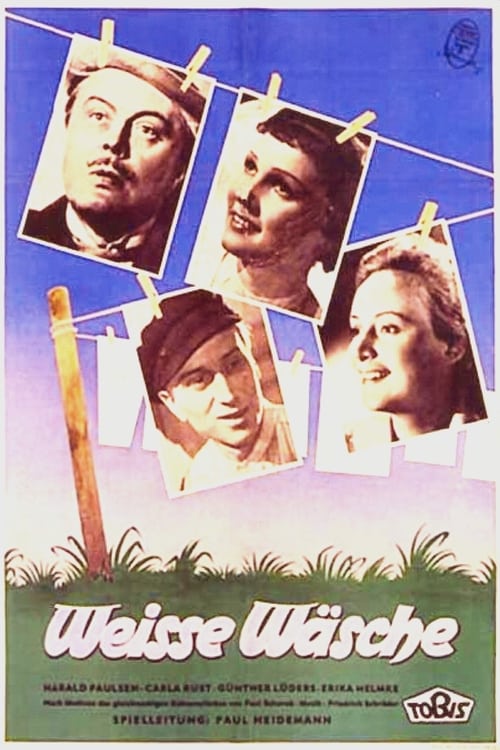 À l’étudeWeiße Wäsche1942
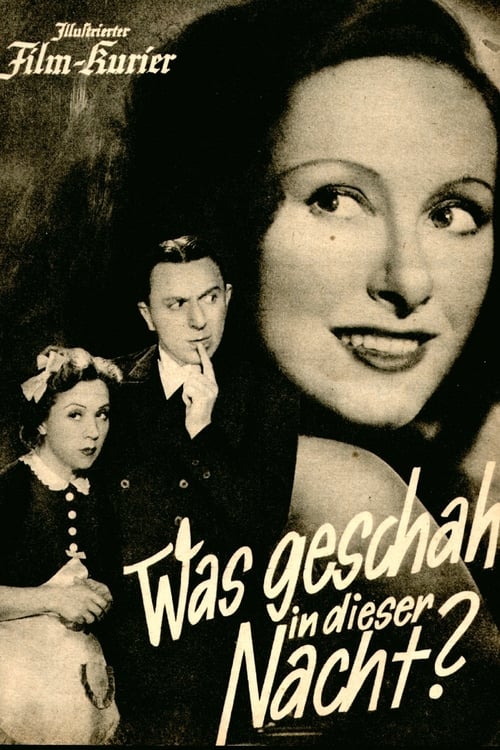 À l’étudeWas geschah in dieser Nacht?1941
- Frau LunaÀ l’étudeFrau Luna1941
 À l’étudeDie keusche Geliebte1940
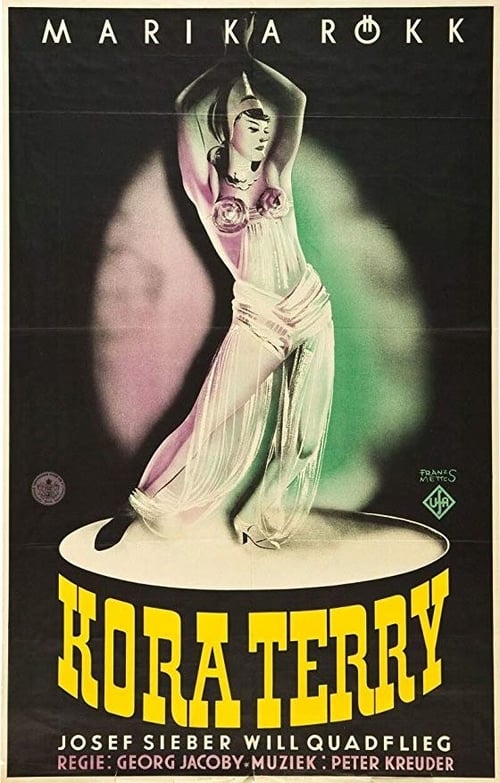 À l’étudeKora Terry1940
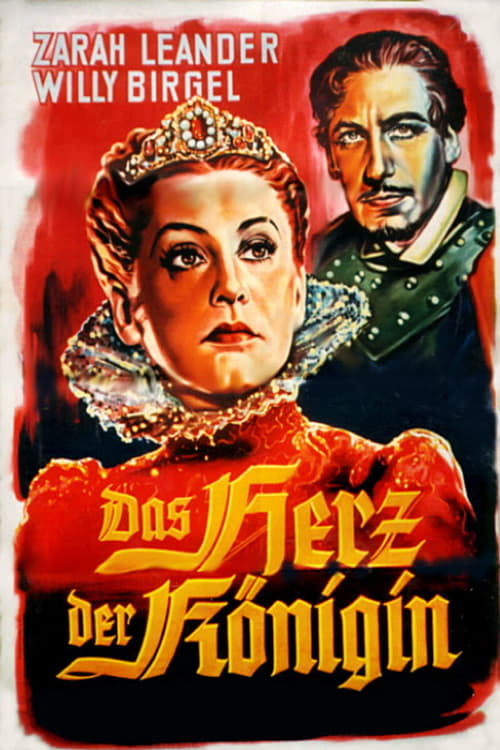 À l’étudeDas Herz der Königin1940
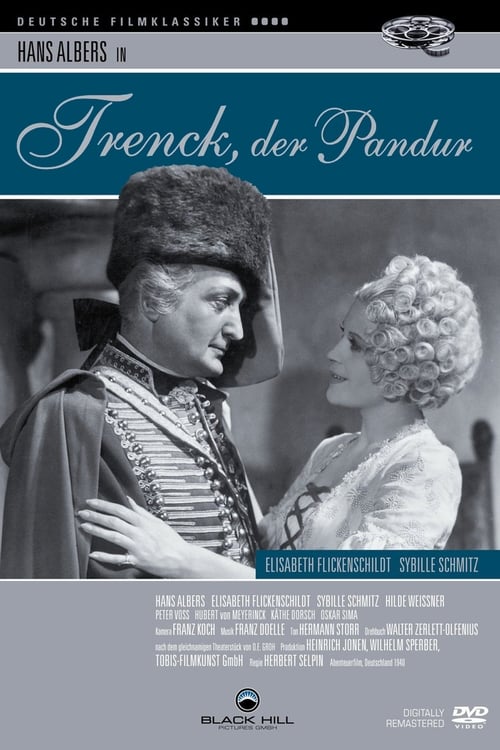 À l’étudeTrenck, der Pandur1940
 À l’étudeLes Rothschilds1940
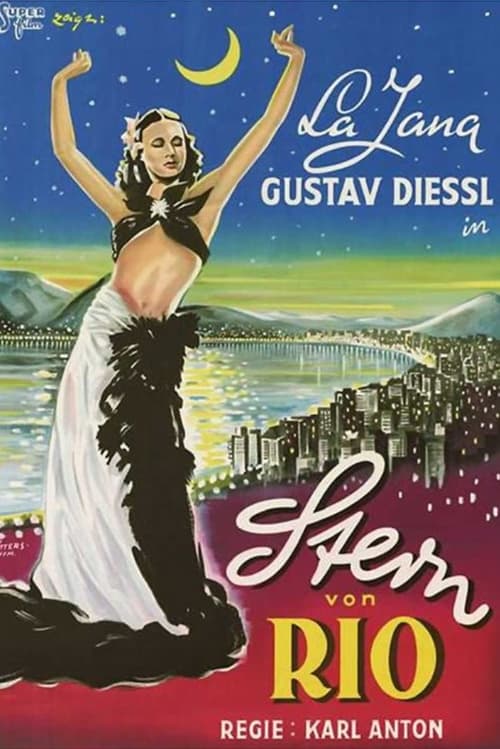 À l’étudeStern von Rio1940
- AngelikaÀ l’étudeAngelika1940
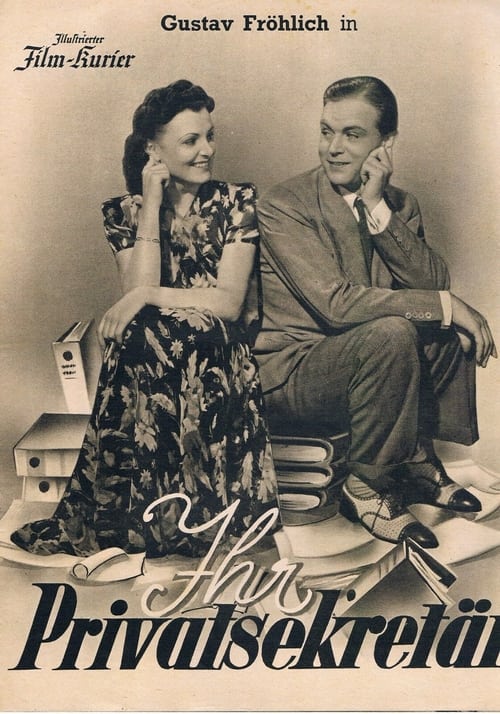 À l’étudeIhr Privatsekretär1940
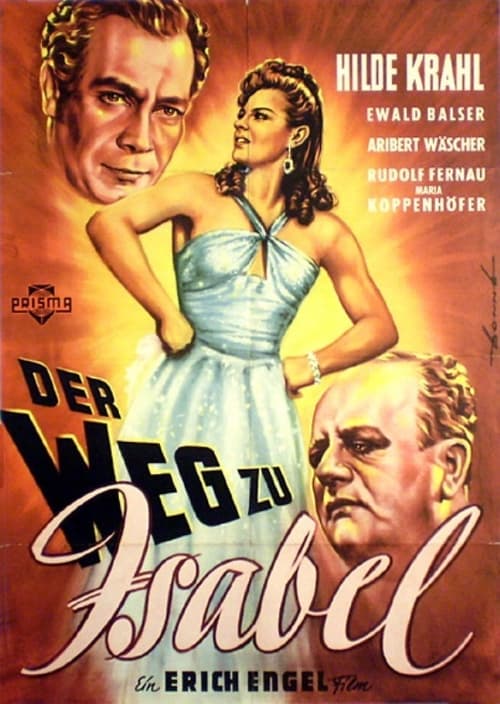 À l’étudeDer Weg zu Isabel1940
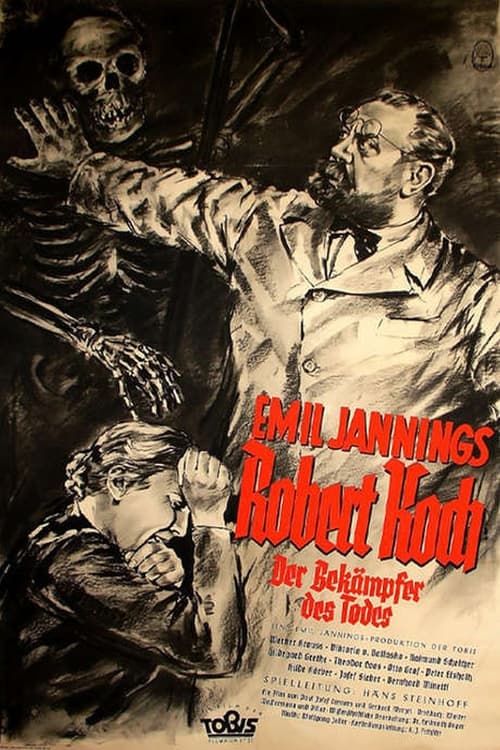 À l’étudeRobert Koch, der Bekämpfer des Todes1939
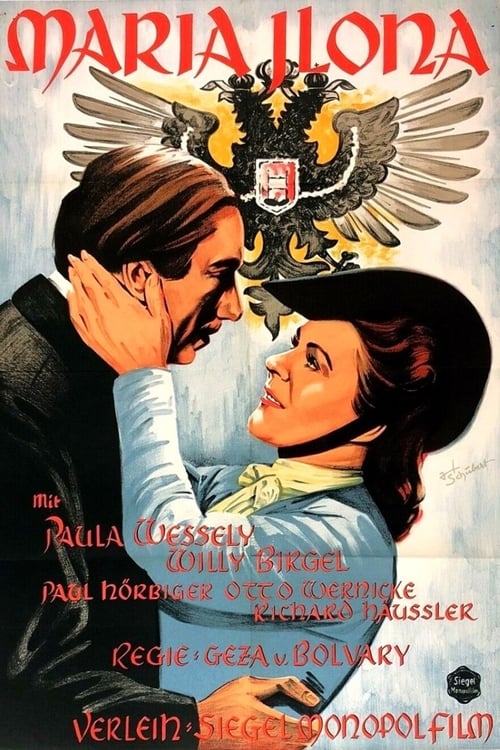 À l’étudeMaria Ilona1939
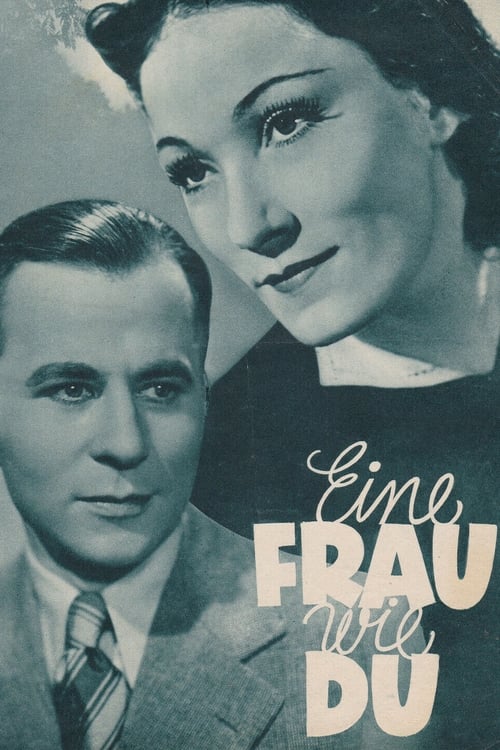 À l’étudeEine Frau wie Du1939
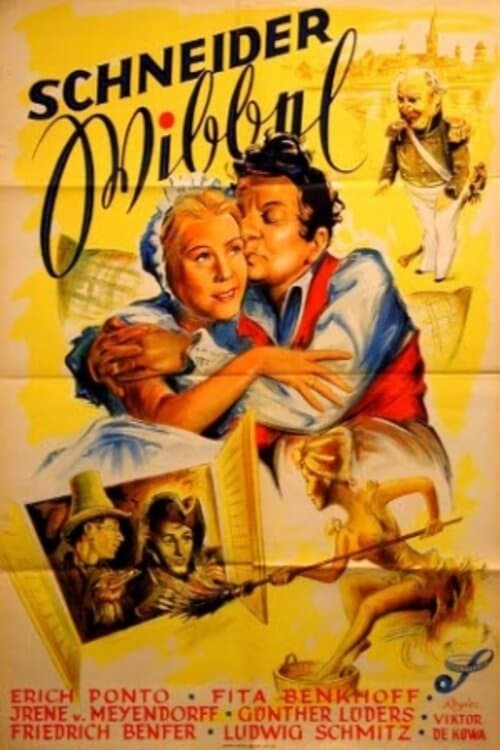 À l’étudeSchneider Wibbel1939
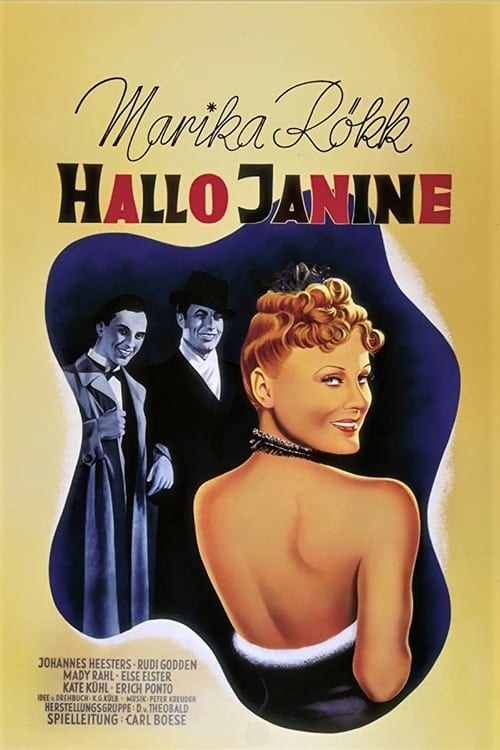 À l’étudeHallo Janine1939
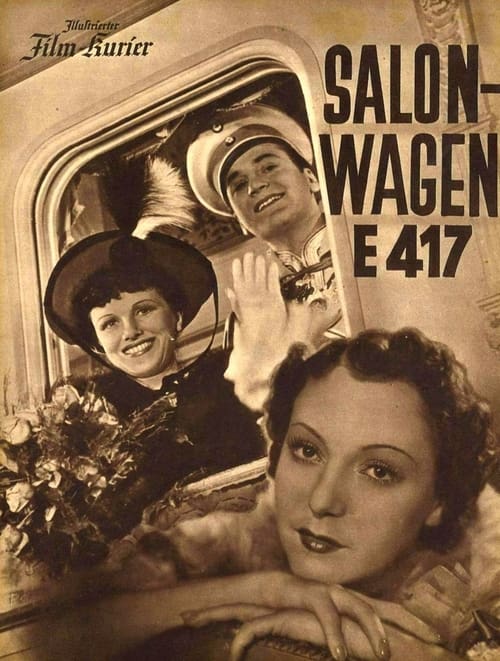 À l’étudeSalonwagen E 4171939
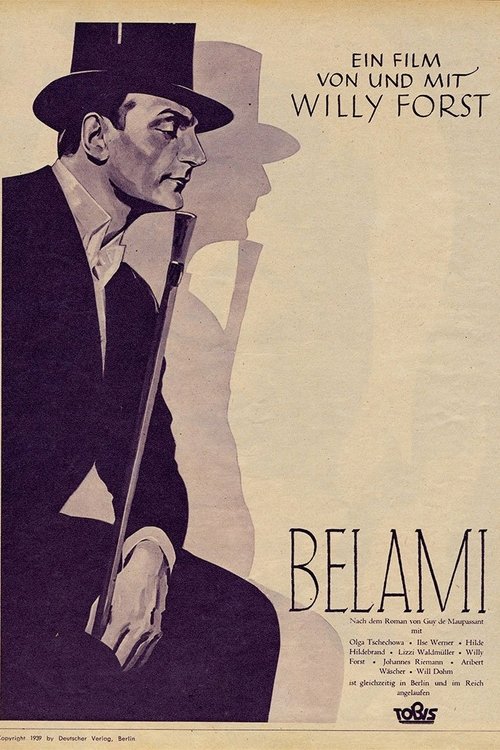 À l’étudeBel Ami1939
 À l’étudeFrauen für Golden Hill1938
- Der Fall DerugaÀ l’étudeDer Fall Deruga1938
 À l’étudeAnna Favetti1938
- FrühlingsluftÀ l’étudeFrühlingsluft1938
 À l’étudeAb Mitternacht1938
 À l’étudeFanny Elßler1937
 À l’étudeEin Volksfeind1937
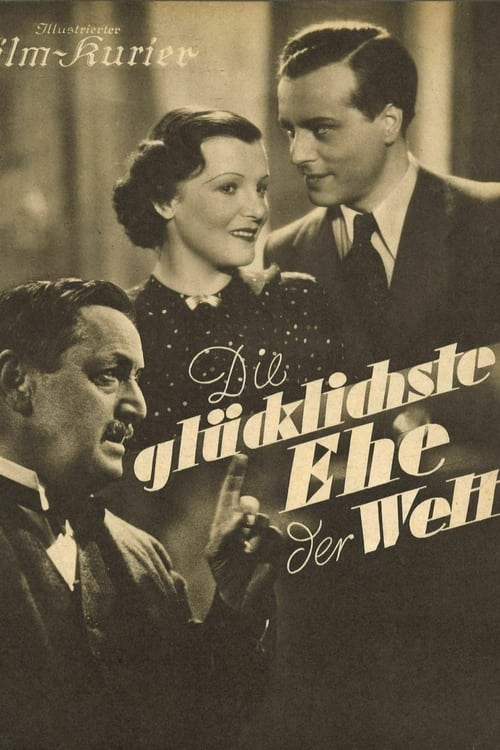 À l’étudeDie glücklichste Ehe der Welt1937
- Die Stimme des HerzensÀ l’étudeDie Stimme des Herzens1937
- Spiel an BordÀ l’étudeSpiel an Bord1936
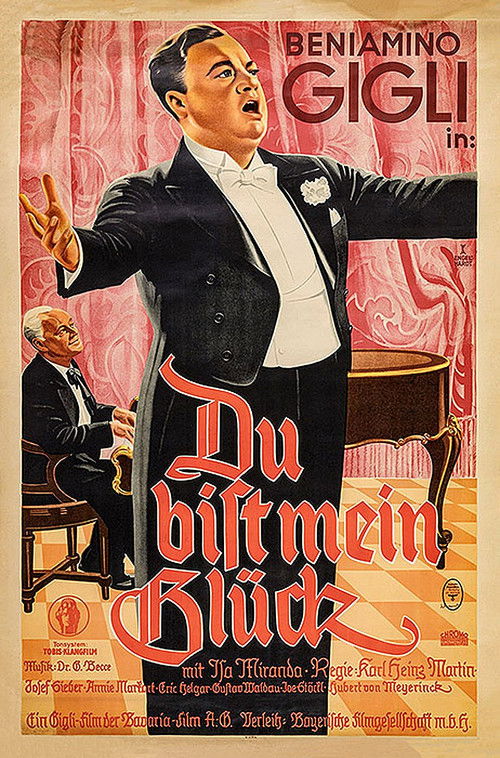 À l’étudeDu bist mein Glück1936
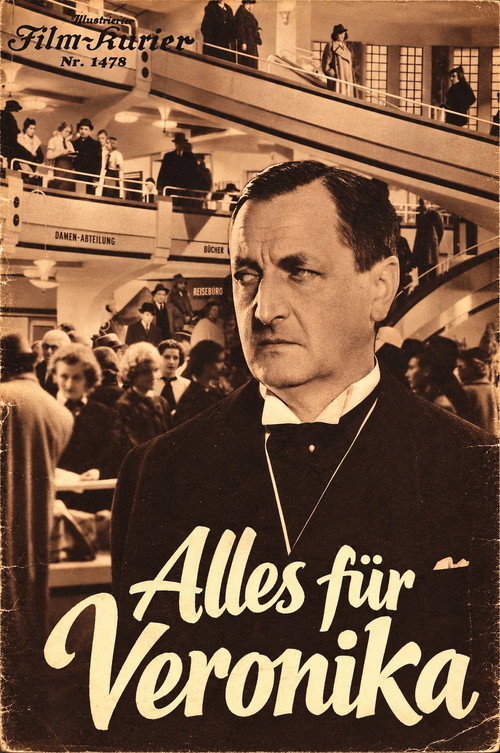 À l’étudeFräulein Veronika1936
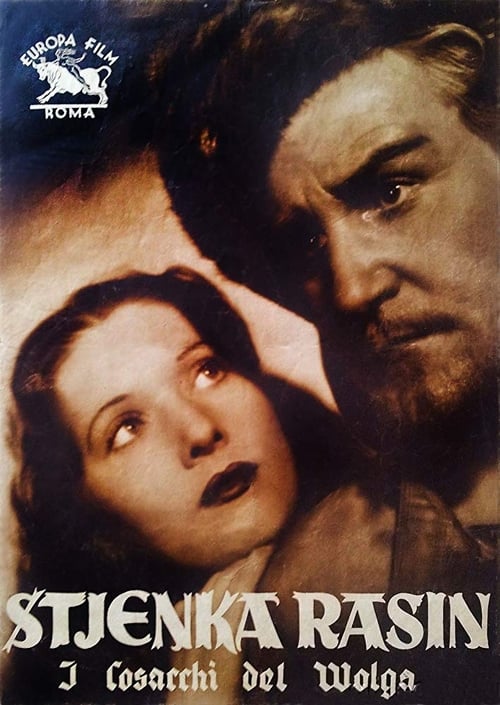 À l’étudeStjenka Rasin1936
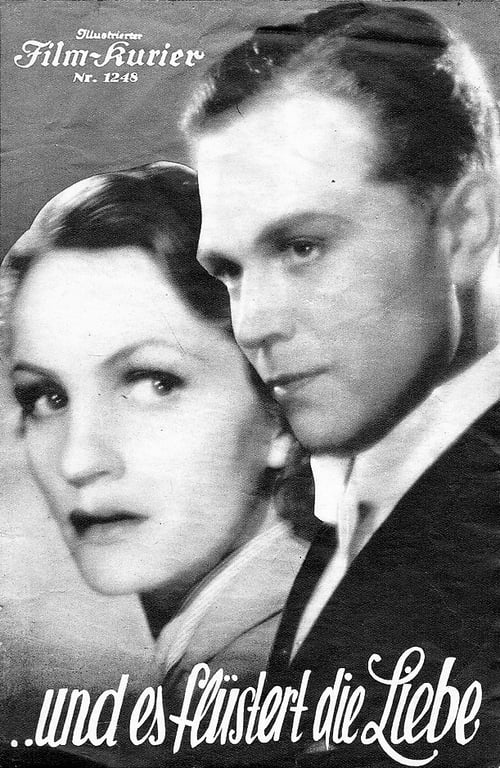 À l’étudeEs flüstert die Liebe1935
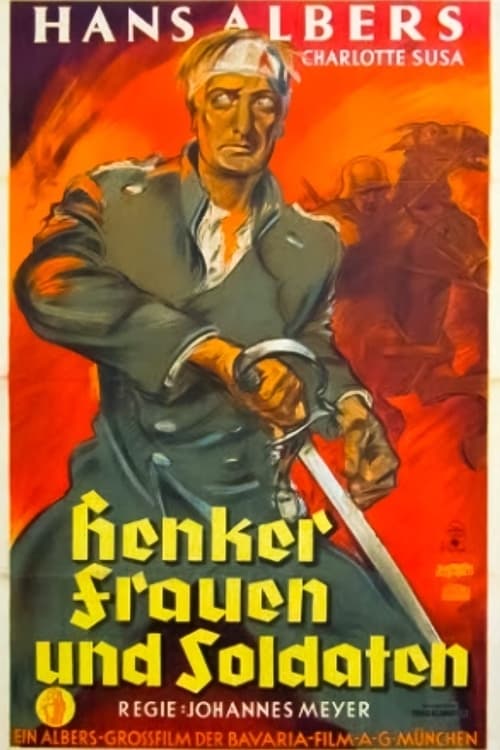 À l’étudeHenker, Frauen und Soldaten1935
- KönigstigerÀ l’étudeKönigstiger1935
- Wenn die Musik nicht wärÀ l’étudeWenn die Musik nicht wär1935
- Der Gefangene des KönigsÀ l’étudeDer Gefangene des Königs1935
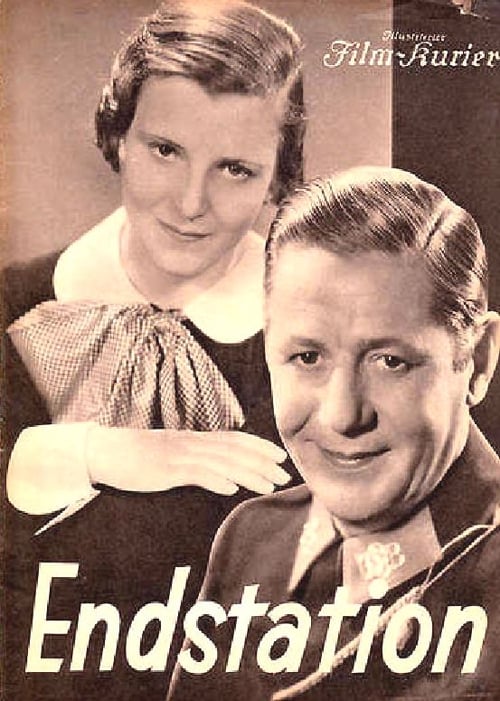 À l’étudeEndstation1935
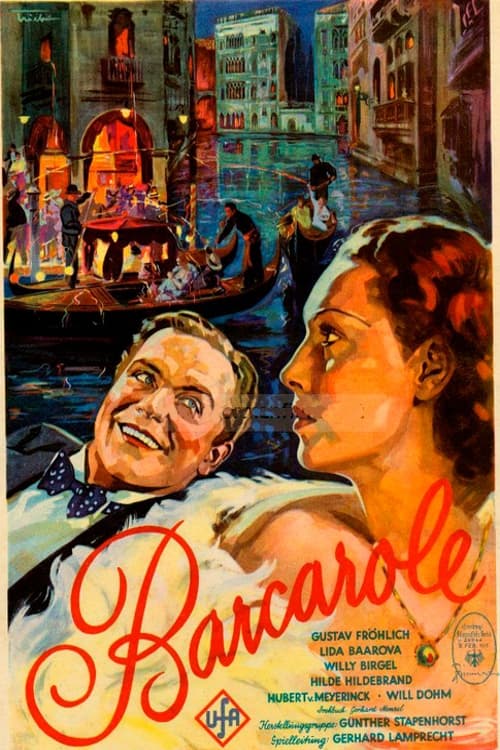 À l’étudeBarcarole1935
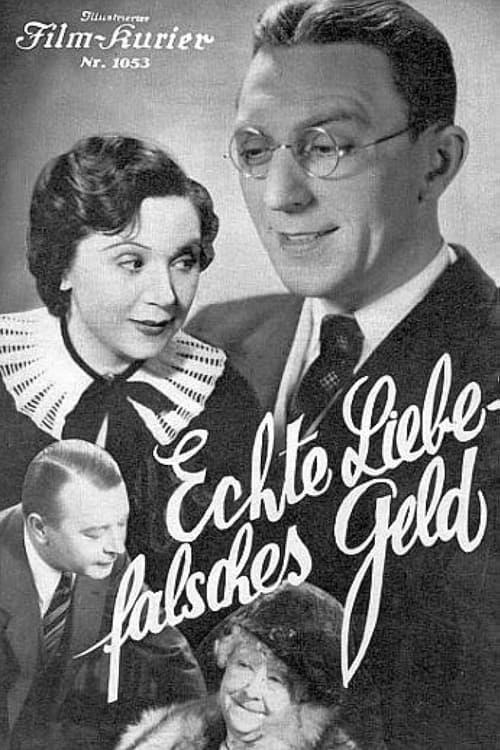 À l’étudeEin falscher Fuffziger1935
- Alles um eine FrauÀ l’étudeAlles um eine Frau1935
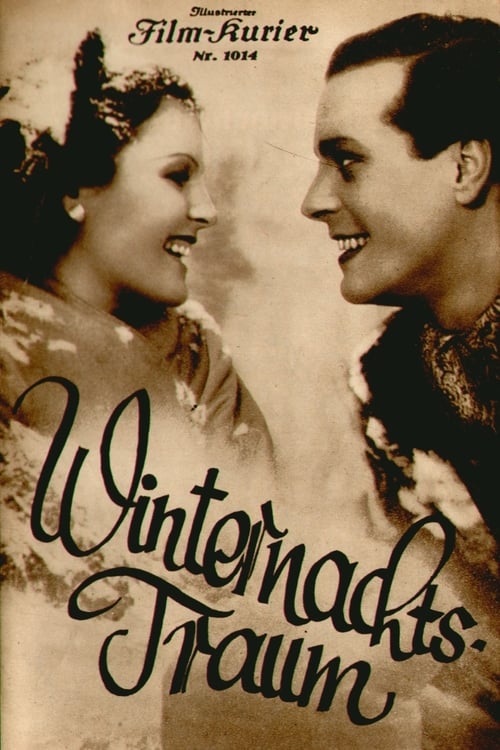 À l’étudeWinternachtstraum1935
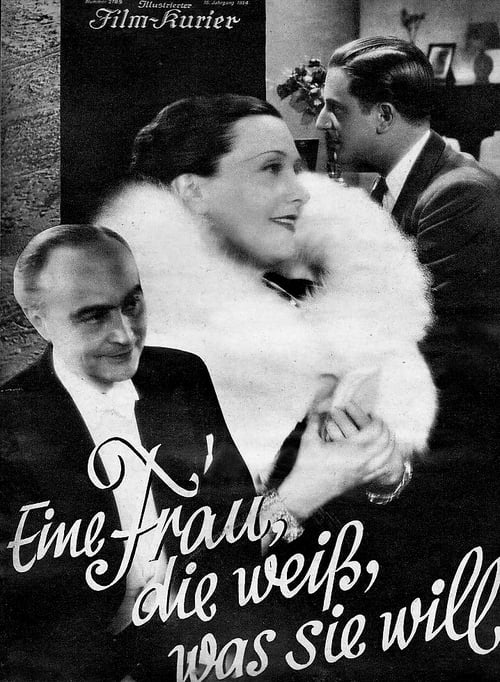 À l’étudeEine Frau die weiß, was sie will1934
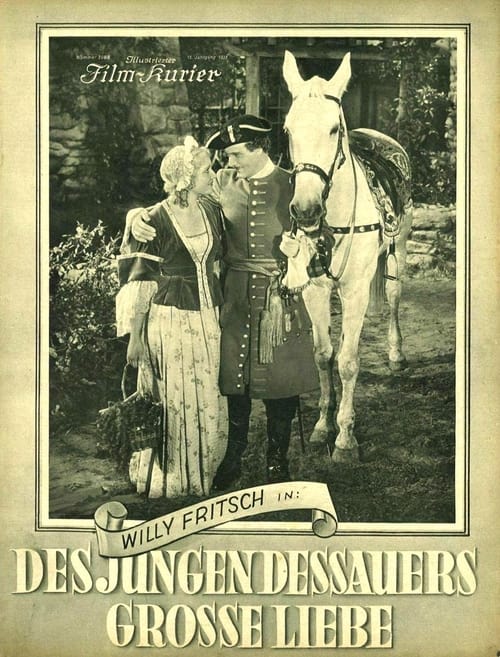 À l’étudeDes jungen Dessauers grosse Liebe1933
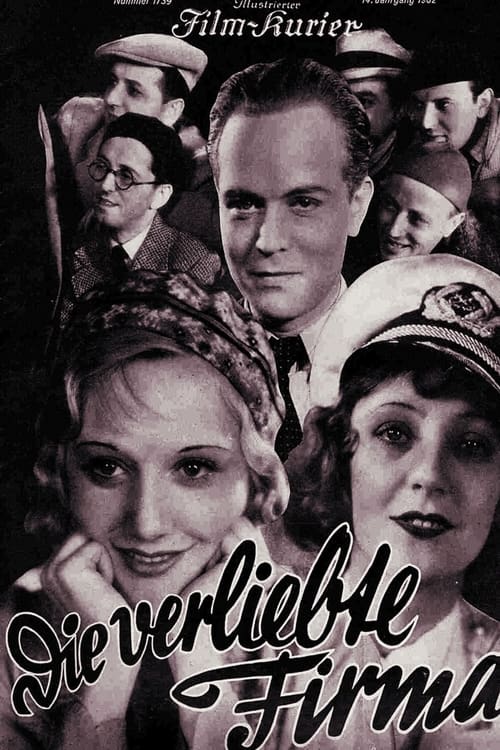 À l’étudeLe Studio amoureux1932
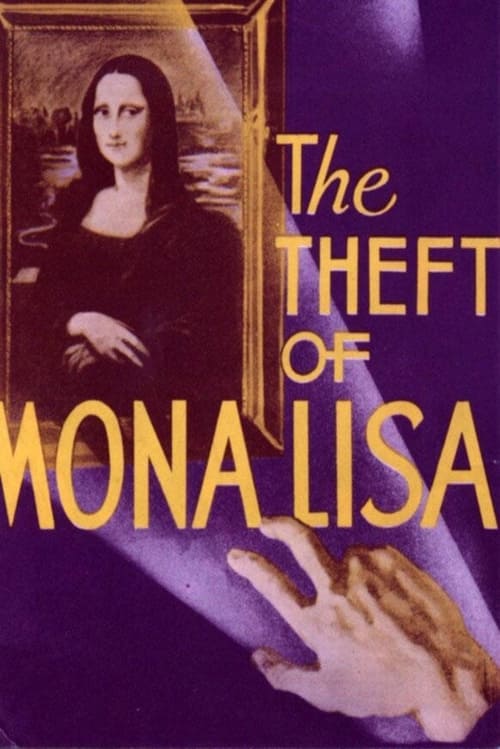 À l’étudeDer Raub der Mona Lisa1931
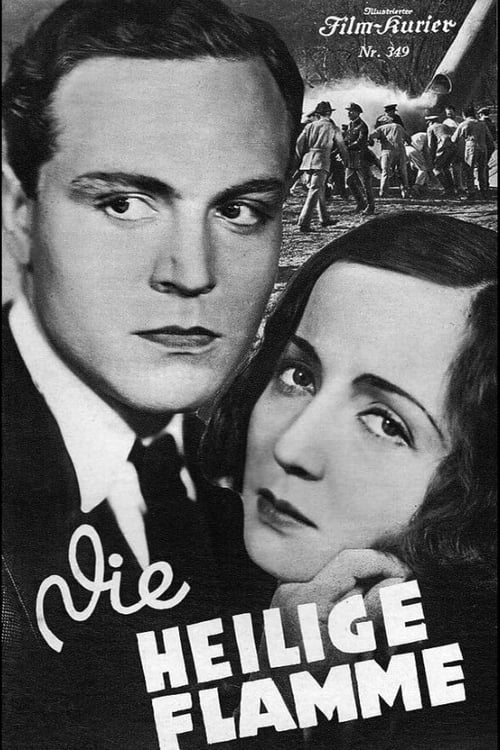 À l’étudeDie heilige Flamme1931
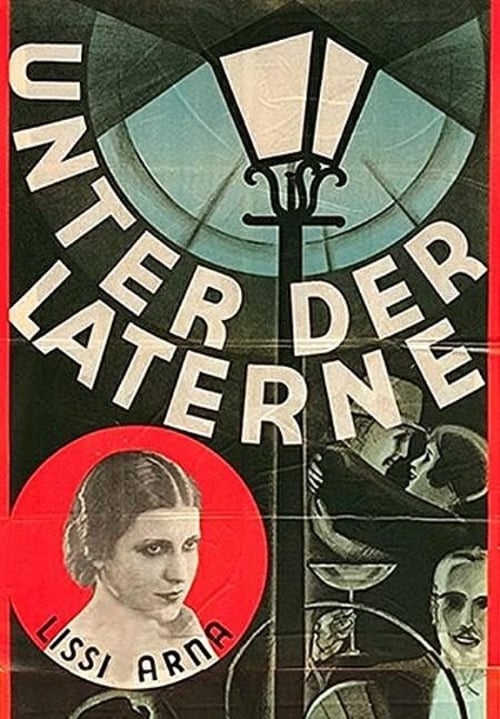 À l’étudeUnter der Laterne1928