
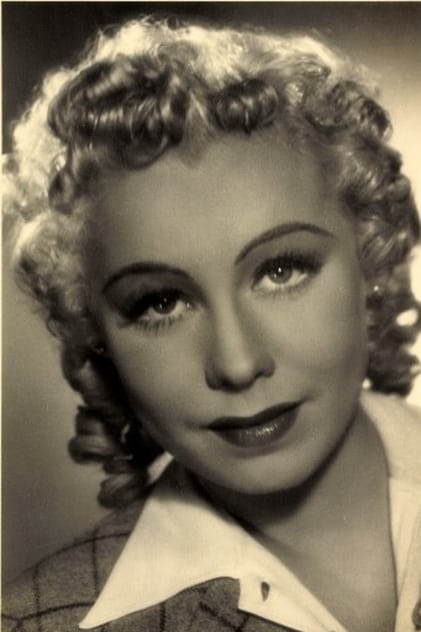
Charlott Daudert
- Naissance
- 27 décembre 1913
- Décès
- 19 janvier 1961
- Origine
- Kaliningrad (Russia)
Whatever her limitations as an actress, Charlott Daudert made up for with wide-eyed effervescence and a cute, feisty personality. The bubbly blonde began working life as editor of the children's section of a newspaper (as 'Aunty Charlotte') in her home town of Königsberg, East Prussia. She also dabbled in drafting costume designs. The abandonment of her journalistic career seems to have come about all of a sudden and quite by accident: accompanying a friend to a theatrical audition as 'moral support' resulted in Charlotte, not the friend, being signed up for drama school. Her 'discovery' is generally credited to the renowned actor Max Pallenberg who took on the role of her mentor. Known by her peers as 'Charly', she made her debut in a minuscule part in Shakespeare's "Much Ado About Nothing" and spent the next three years at Tilsit's Stadttheater under Pallenberg's direction. Following a brief stint in local radio, she then moved on to wider canvases in Berlin where she underwent further tuition by Leopold Jessner. By 1933, Charly had developed into an accomplished comedienne and come to the attention of Trude Hesterberg. She began performing comedy routines and singing in various popular cabarets, including "Musenschaukel" and "Die Katakombe". At the same time, she spiced up the screen as perpetually naive, sexy friends of the heroine. Her output was rather heavily weighted towards escapist entertainments, some of them not at all bad: April, April! (1935), Der Etappenhase (1937), Kitty und die Weltkonferenz (1939). Resuming in the same vein in the aftermath of World War II, the ever likeable, pert, dizzy Charlott warbled a popular hit song ("Ach du liebe Zeit, hat den kein Mensch mehr für die Liebe Zeit") in the ruins of Berlin in Nacht ohne Sünde (1950). There were diverse other supporting roles in box-office hits, including the caper comedies Klettermaxe (1952) and Der blaue Stern des Südens (1951). Sadly, despite her enduring popularity as a conveyor of uncomplicated happiness, genuine stardom was never to be on the cards. The decline of Charly's career was to be exacerbated by depression and alcoholism. On occasion, she would come on stage and forget or fumble her lines. By the autumn of 1960, she was making plans to retire from acting and run an artists B & B in Monaco. It never came to pass. Just four months later she was dead from a blood disorder at the age of 47.
Afficher plusAfficher moins
- IMDb mini biography by: I.S.Mowis
Biographie fournie par TMDB
Interprétation 24
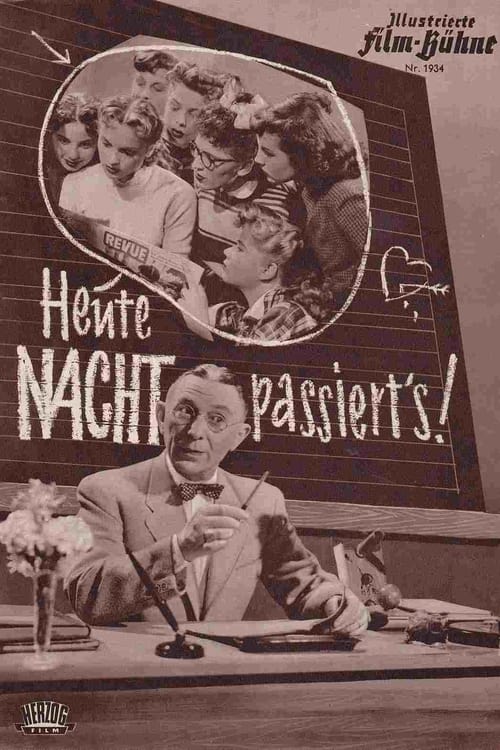 À l’étudeHeute nacht passiert’s1953
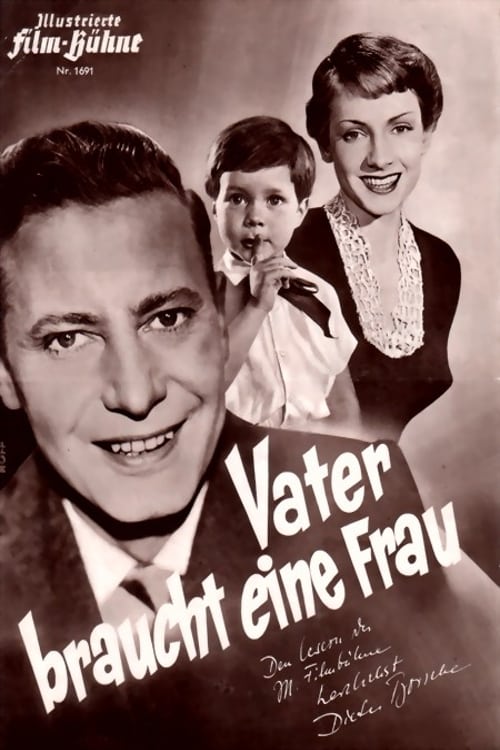 À l’étudeVater braucht eine Frau1952
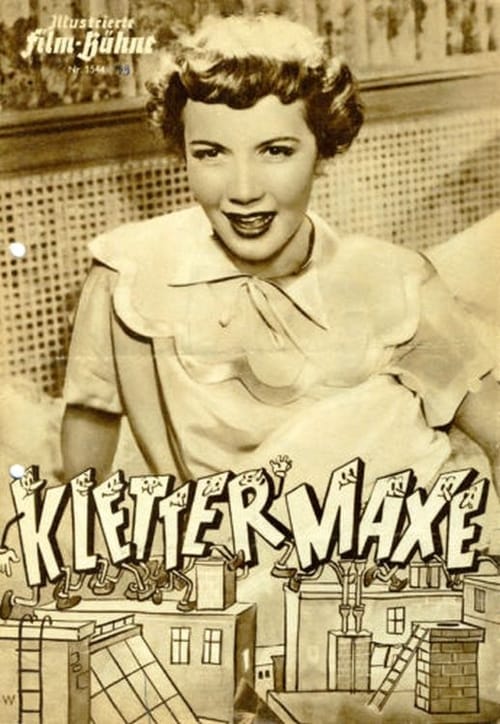 À l’étudeKlettermaxe1952
 À l’étudeDer Theodor im Fußballtor1950
- Frech und verliebtÀ l’étudeFrech und verliebt1950
- Der Mann im SattelÀ l’étudeDer Mann im Sattel1945
- Ich habe von dir geträumtÀ l’étudeIch habe von dir geträumt1944
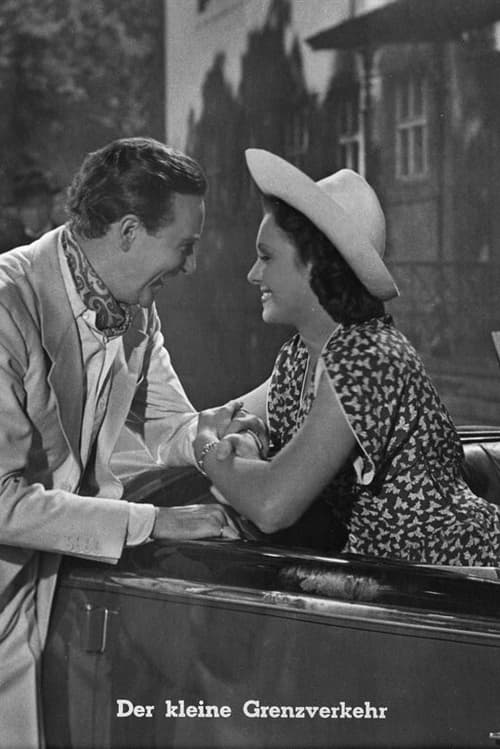 À l’étudeDer kleine Grenzverkehr1943
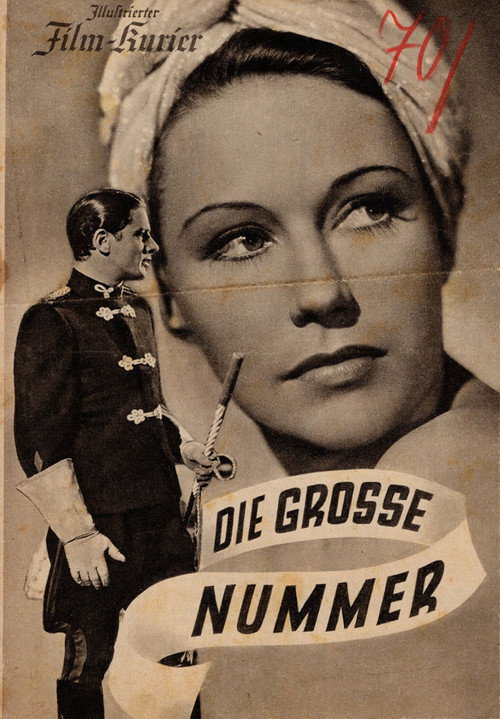 À l’étudeDie große Nummer1943
- Wenn du noch eine Heimat hastÀ l’étudeWenn du noch eine Heimat hast1942
- Das himmelblaue AbendkleidÀ l’étudeDas himmelblaue Abendkleid1941
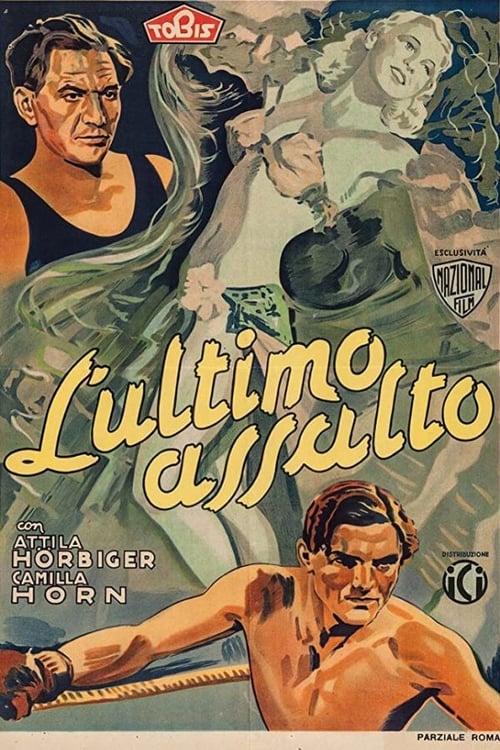 À l’étudeDie letzte Runde1940
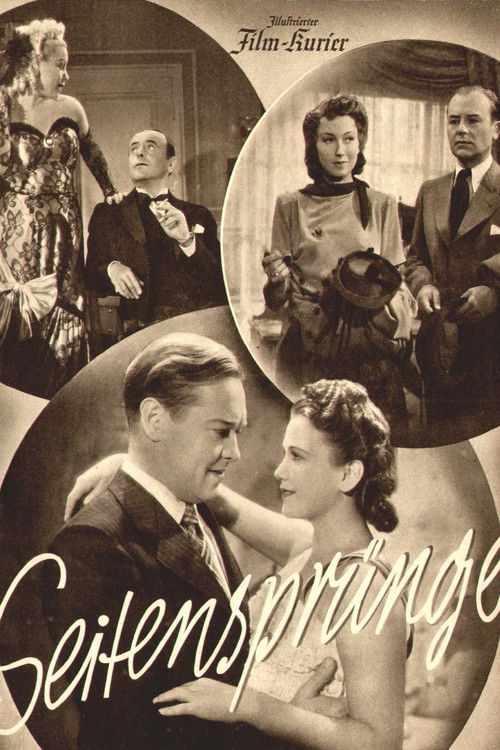 À l’étudeSeitensprünge1940
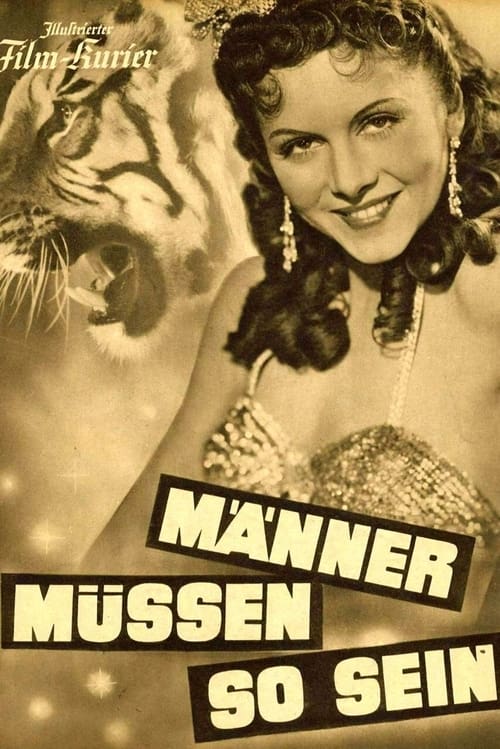 À l’étudeMänner müssen so sein1939
- Der Vierte kommt nichtÀ l’étudeDer Vierte kommt nicht1939
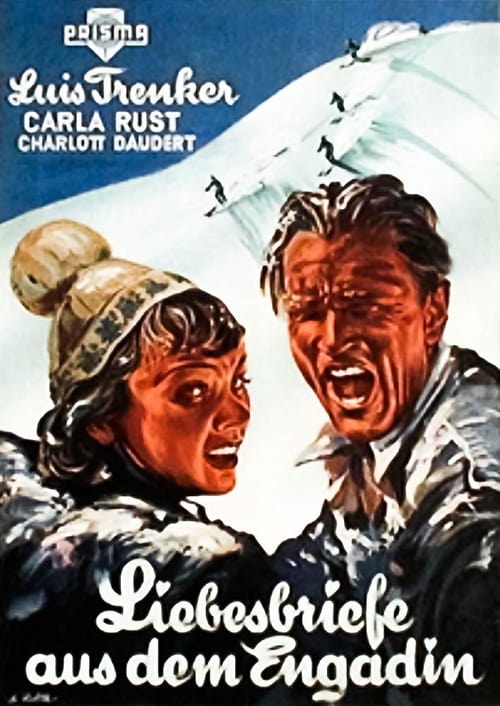 À l’étudeLiebesbriefe aus dem Engadin1938
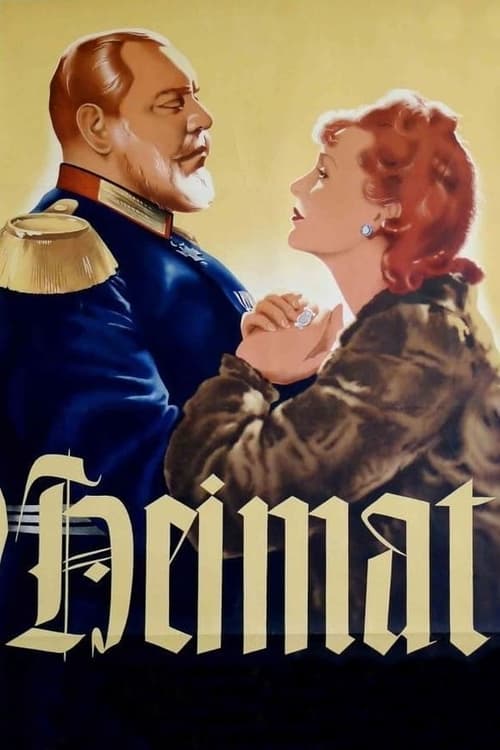 À l’étudeMagda1938
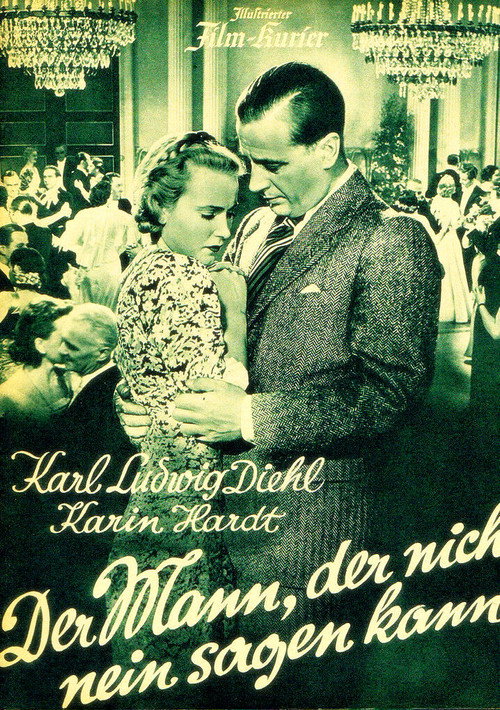 À l’étudeDer Mann, der nicht nein sagen kann1938
- Gauner im FrackÀ l’étudeGauner im Frack1937
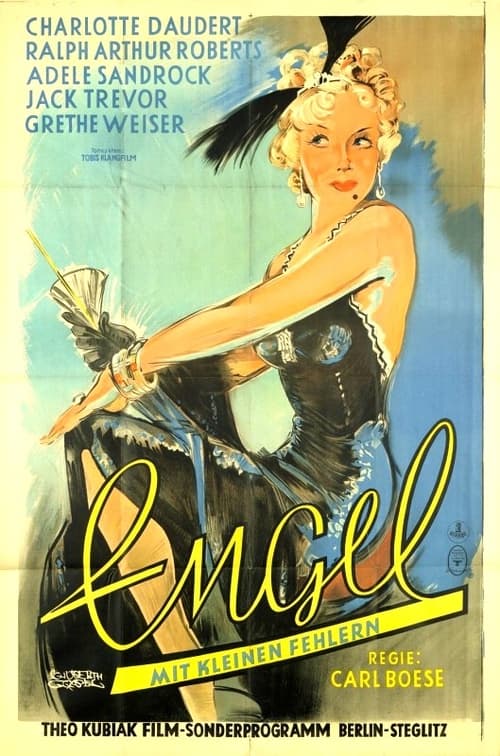 À l’étudeEngel mit kleinen Fehlern1936
 À l’étudeDie klugen Frauen1936
- Da stimmt was nichtÀ l’étudeDa stimmt was nicht1934
- Alte KameradenÀ l’étudeAlte Kameraden1934
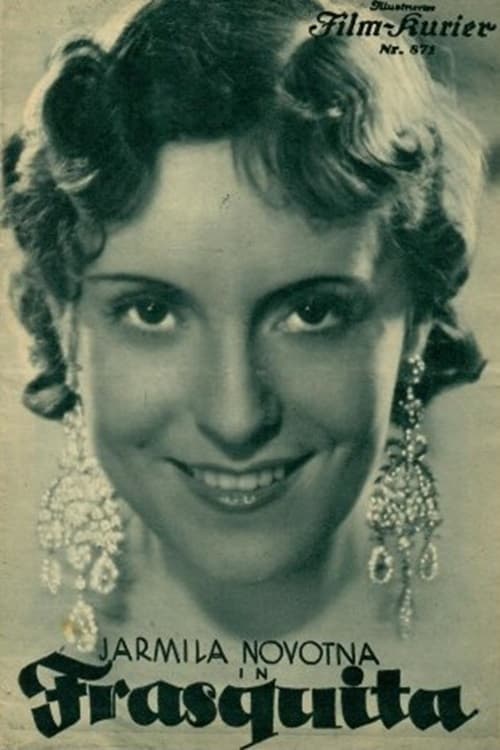 À l’étudeFrasquita1934