
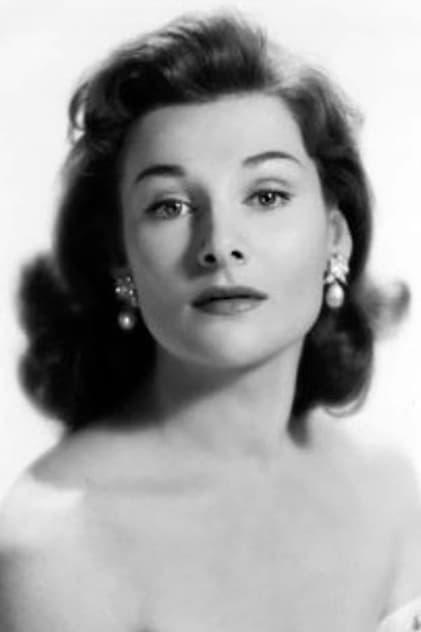
Adrienne Corri
- Naissance
- 13 novembre 1930
- Décès
- 13 mars 2016
- Origine
- Glasgow, Lanarkshire, Scotland, UK
Adrienne Corri (born 13 November 1930 in Edinburgh, Scotland) is an actress of Italian parentage.
Afficher plusAfficher moins
She is probably best known for her role as the rape victim Mrs. Alexander in the 1971 Stanley Kubrick film A Clockwork Orange, and for her appearances as Valerie in Jean Renoir's The River (1951) and as Lara's mother in David Lean's Dr. Zhivago (1965). She appeared in many horror and suspense films in the 1950s until the 1970s including Devil Girl from Mars, The Tell-Tale Heart, A Study in Terror and Vampire Circus. She also appeared as Therese Duval in Revenge of the Pink Panther. She also was in the 1969 science fiction movie Moon Zero Two and in the 1969 Twelfth Night, directed by John Sichel, as the Countess Olivia opposite Alec Guinness as Malvolio.
Her numerous television credits include Angelica in Sword of Freedom (1958), a regular role in A Family At War and You're Only Young Twice, a 1971 television play by Jack Trevor Story, as Mena in the Doctor Who story "The Leisure Hive" and guest starred as the mariticidal Liz Newton in the UFO episode "The Square Triangle".
She had a major stage career. There is a story that, when the audience booed on the first night of John Osborne's The World Of Paul Slickey, Corri responded with her own abuse: she raised two fingers to the audience and shouted "Go fuck yourselves".
Corri has married and divorced twice, to the actors Daniel Massey (1961-1967) and Derek Fowlds.
Her book The Search for Gainsborough (Jonathan Cape: 1984) contained much original research, including examination of banking records, and made a plausible case for 1726 as his birth year.
Biographie fournie par TMDB
Interprétation 26
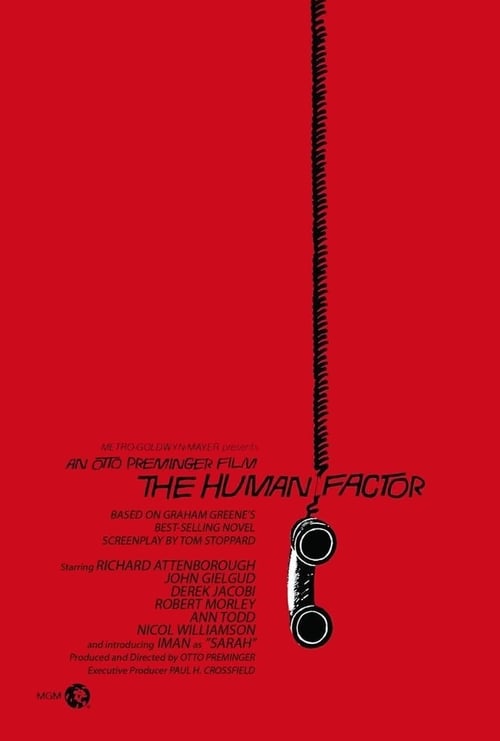 La Guerre des otages1979
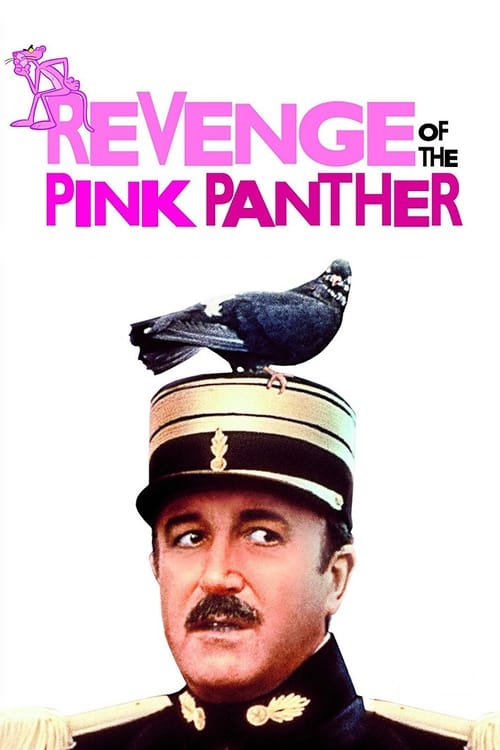 La Malédiction de la Panthère rose1978
 À l’étudeRosebud1975
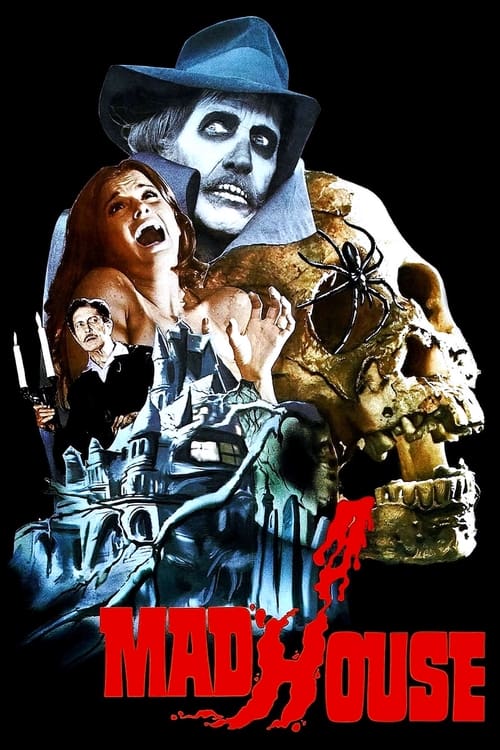 À l’étudeMadhouse1974
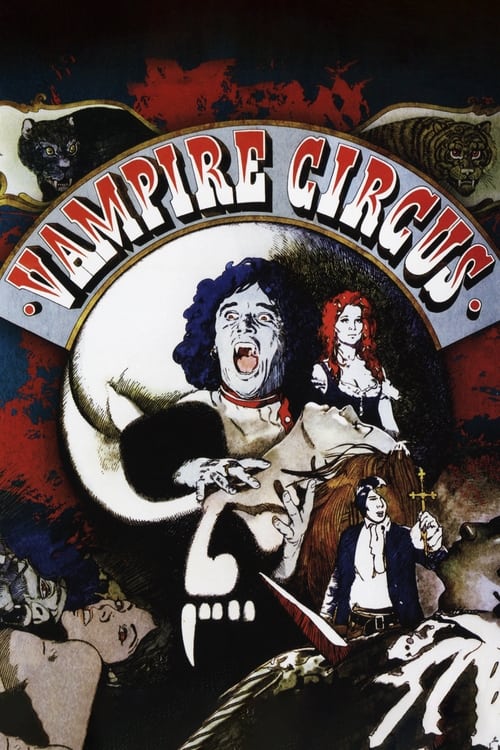 À l’étudeLe Cirque des vampires1972
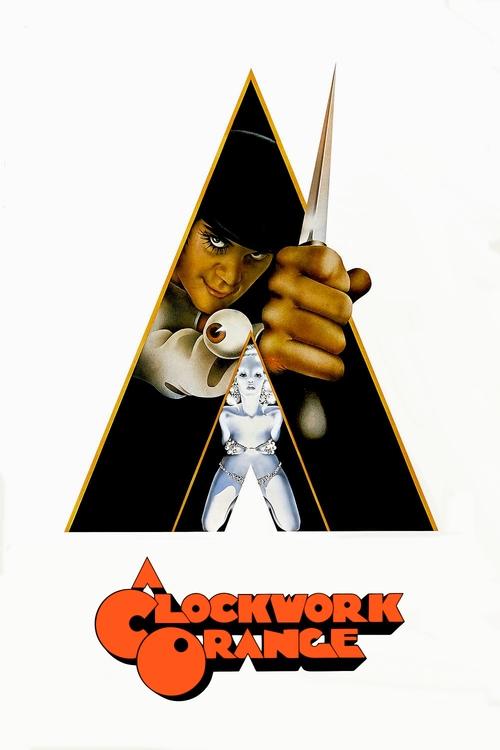 Orange mécanique1971
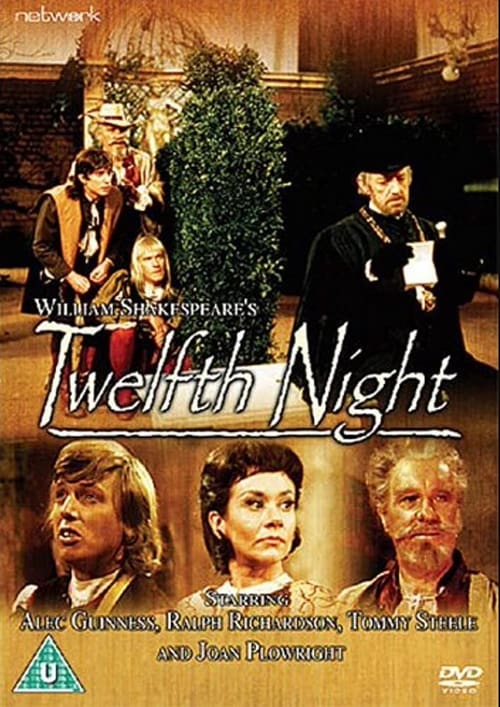 À l’étudeTwelfth Night1970
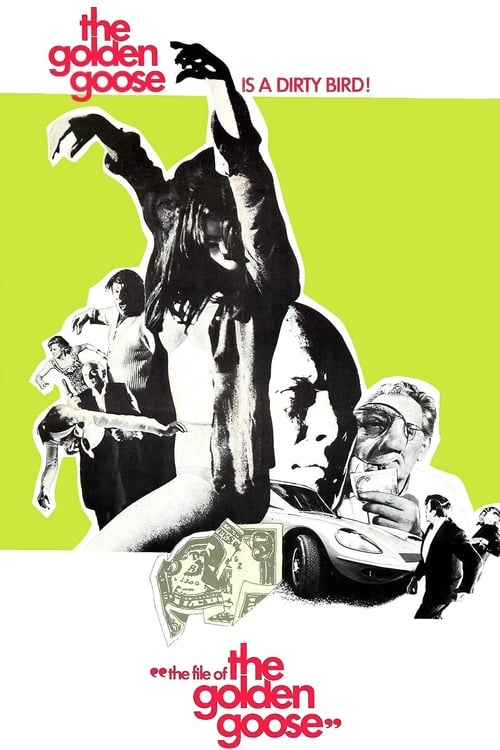 À l’étudeThe File of the Golden Goose1969
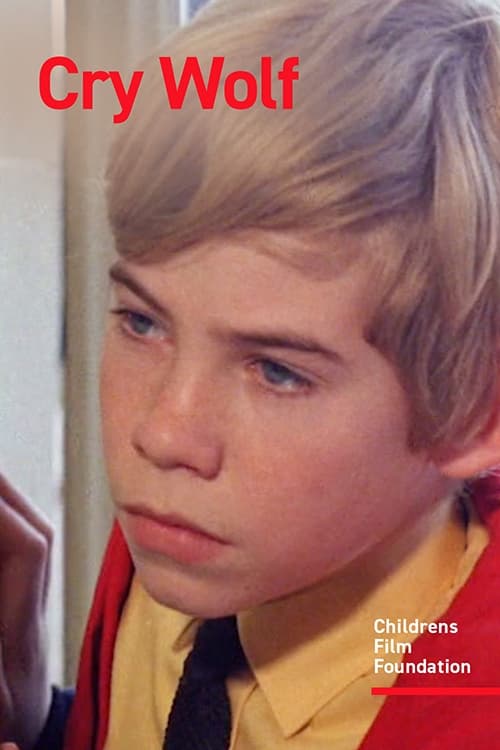 À l’étudeCry Wolf1968
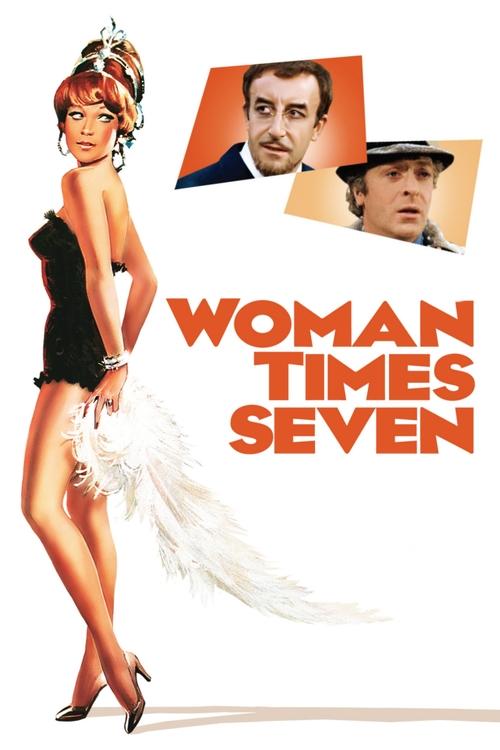 Sept fois femme1967
 À l’étudeThe Viking Queen1967
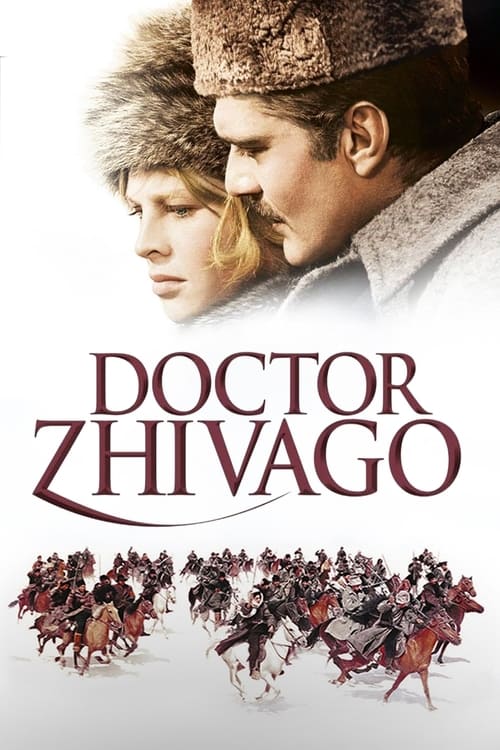 Le Docteur Jivago1965
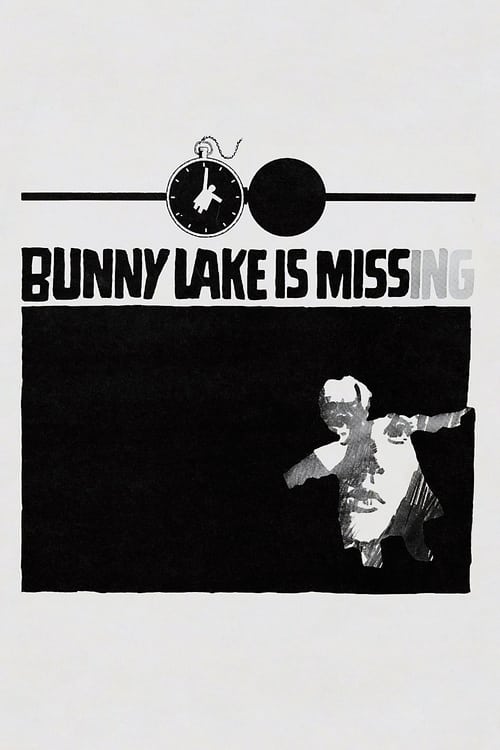 À l’étudeBunny Lake Is Missing1965
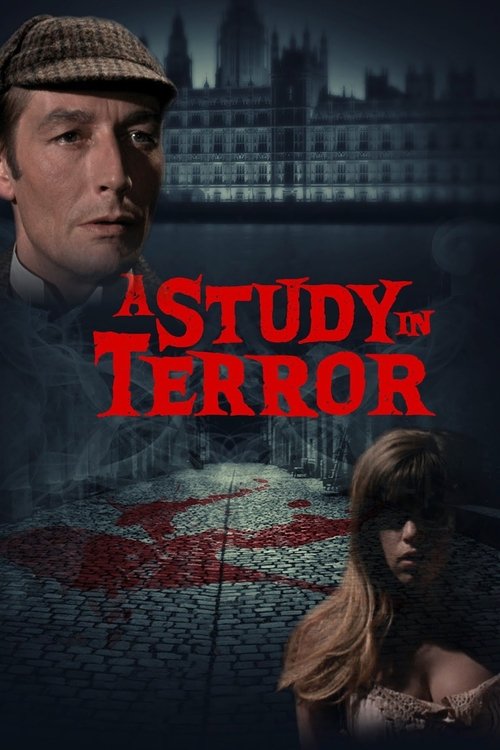 Sherlock Holmes contre Jack l'Éventreur1965
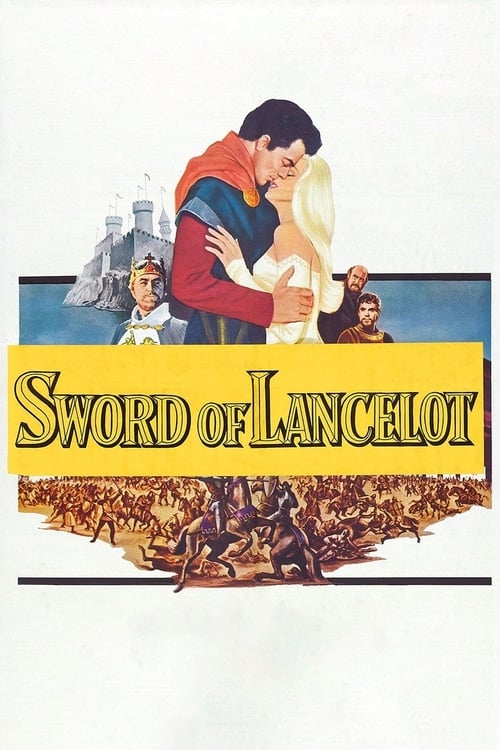 À l’étudeLancelot, Chevalier De La Reine1963
 À l’étudeDynamite Jack1961
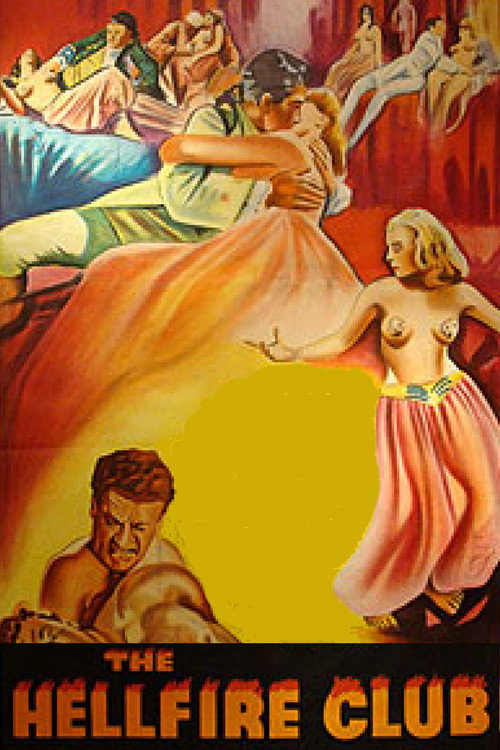 À l’étudeLes Chevaliers du Démon1961
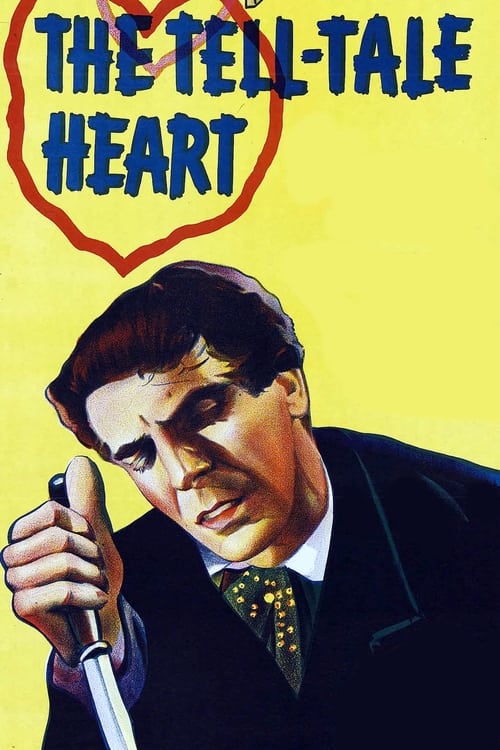 À l’étudeThe Tell-Tale Heart1960
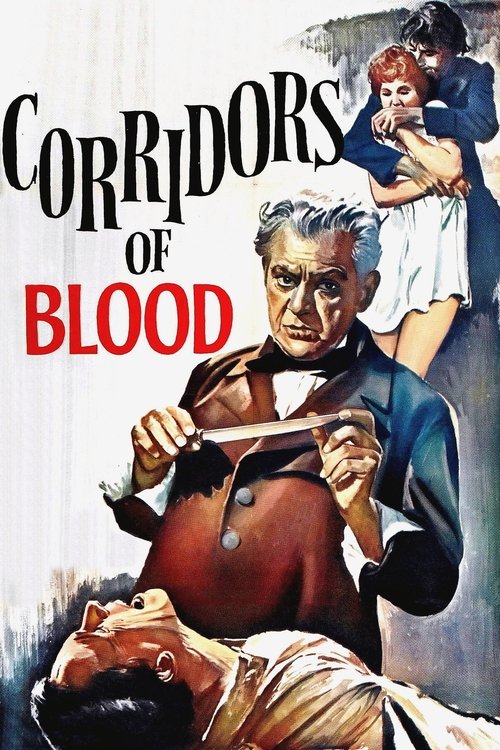 À l’étudeCorridors of Blood1958
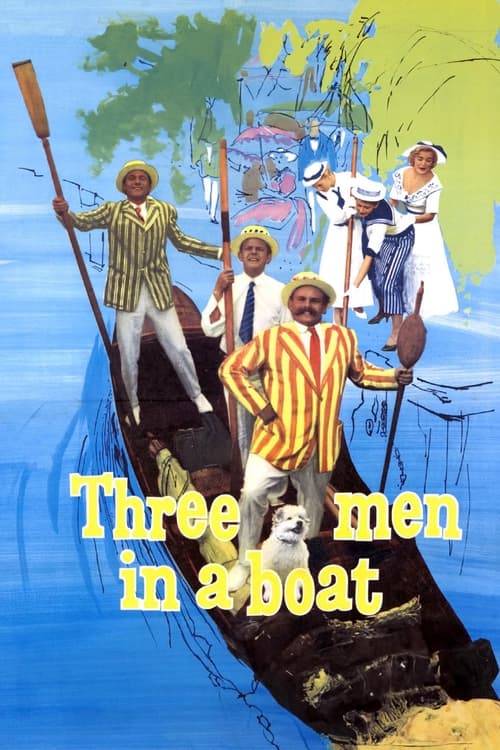 À l’étudeThree Men in a Boat1956
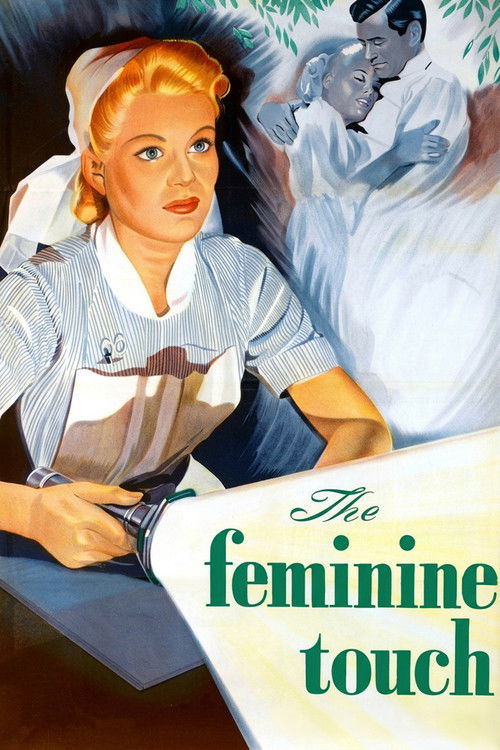 À l’étudeThe Feminine Touch1956
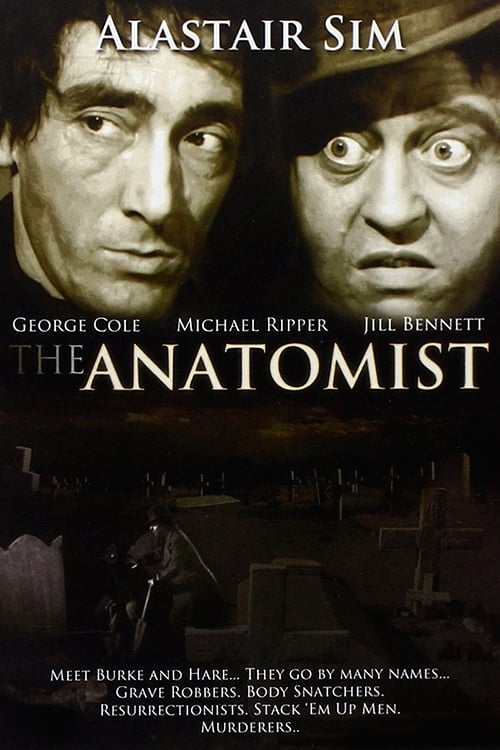 À l’étudeThe Anatomist1956
 À l’étudeLease of Life1954
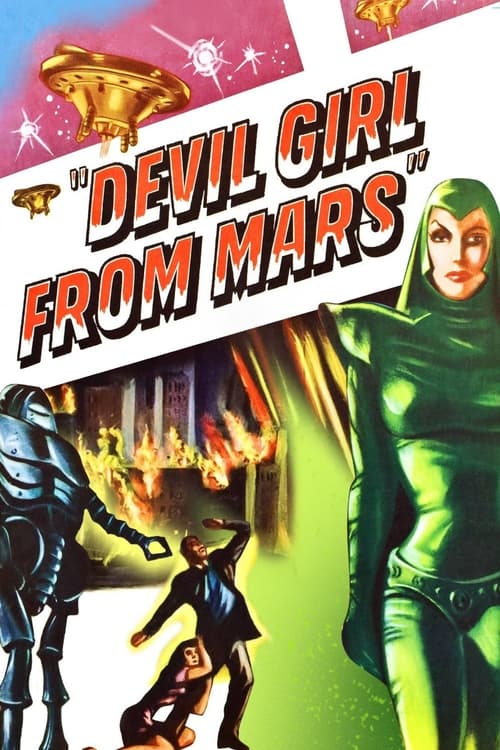 À l’étudeLa martienne diabolique1954
 Quo Vadis1951
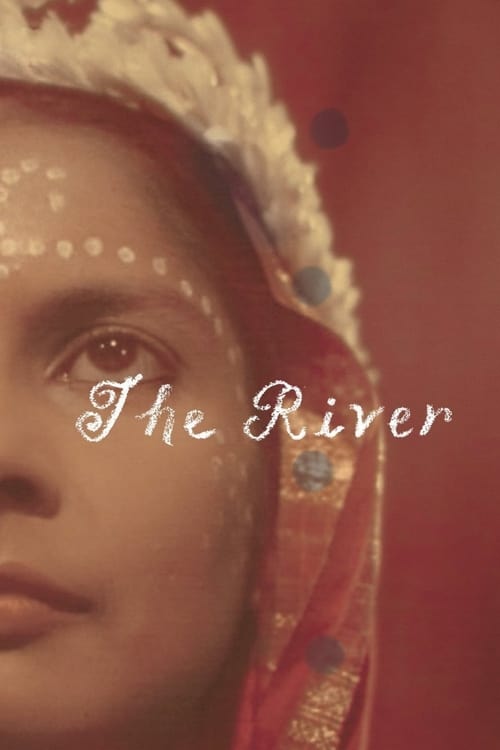 À l’étudeLe Fleuve1951