
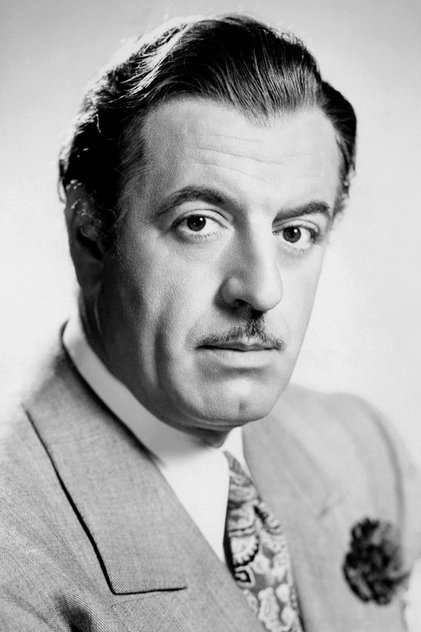
Fortunio Bonanova
- Naissance
- 13 janvier 1895
- Décès
- 2 avril 1969
- Origine
- Palma de Mallorca, Mallorca, Balearic Islands, Spain
Fortunio Bonanova, pseudonym of Josep Lluís Moll, (13 January 1895 – 2 April 1969) was a Spanish baritone singer and a film, theater, and television actor. He occasionally worked as a producer and director.
Afficher plusAfficher moins
According to Lluis Fàbregas Cuixart, the pseudonym Fortunio Bonanova referred to his desire to seek fortune, and his love of the Bonanova neighborhood in his native Palma.
As a young man, living under his birthname, he was a professional telegraph operator. He studied music with the Italian Giovachini. In 1921, he debuted as a singer in Tannhäuser, at the Teatre Principal in Palma. That year, along with a group of Majorcan intellectuals and Jorge Luis Borges (who was briefly living in Majorca with his parents and sister), he signed the Ultraist Manifesto, using the name Fortunio Bonanova.
Also in 1921, he appeared in a silent film of Don Juan Tenorio by the brothers Baños, which was shown the following year in New York City and Hollywood. He later directed his own Don Juan in 1924.
In 1927, he acted in Love of Sunya, directed by Albert Parker and starring Gloria Swanson. In 1932 he had small parts in Hollywood productions featuring Joan Bennett and Mary Astor. In the same period, he appeared in New York in several operas as well as the zarzuelas La Canción del Olvido ("The song of forgetting"), La Duquesa del Tabarín ("The Duchess of Tabarín"), Los Gavilanes, and La Montería. In 1934, he returned to Spain, where he had a major role in the film El Desaparecido ("The disappeared one") written and directed by Antonio Graciani. In 1935 he acted and sang in the film Poderoso Caballero ("A Big Guy"), directed by Màximo Nossik.
In 1936, with the outbreak of the Spanish Civil War, he returned to the United States, where he played the role of Captain Bill in a film called Capitán Tormenta, directed by Jules Bernhardt. A sequence of increasingly larger acting and singing roles mostly in English-language films followed, especially after 1940. Among his roles were Signor Matiste, Susan Alexander Kane's opera coach in Citizen Kane (1941); General Sebastiano in Five Graves to Cairo (1943); Don Miguel in The Black Swan (1942); Fernando in For Whom the Bell Tolls (1943); Sam Garlopis in Double Indemnity (1944); and a singing Christopher Columbus in Where Do We Go From Here?. He continued for the next several decades in a miscellany of character roles.
Biographie fournie par TMDB
Interprétation 49
 À l’étudeAgent 077, opération Jamaïque1964
 À l’étudeThe Running Man1963
 À l’étudeCaravane vers le soleil1959
 À l’étudeThe Saga of Hemp Brown1958
 Elle et lui1957
 En quatrième vitesse1955
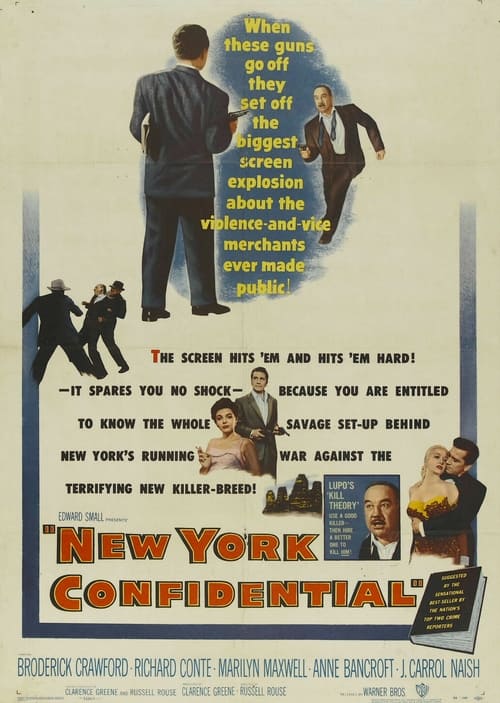 À l’étudeNew York Confidential1955
 À l’étudeDie Jungfrau auf dem Dach1953
 À l’étudeConquest of Cochise1953
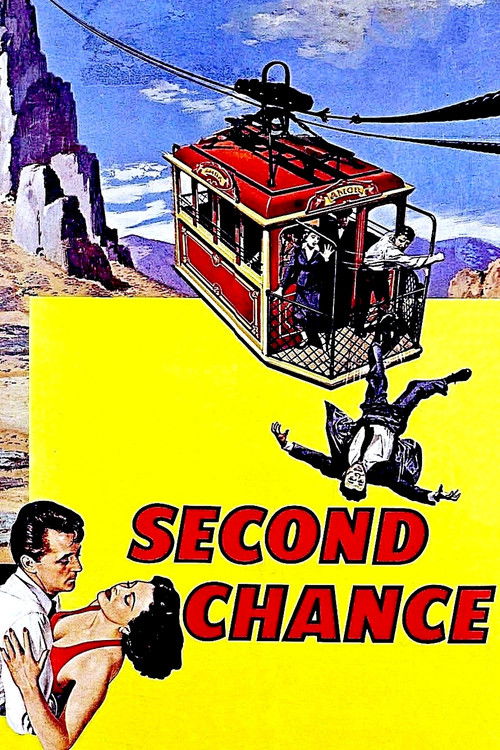 À l’étudePassion sous les tropiques1953
 À l’étudeSo This Is Love1953
 À l’étudeLa Lune était bleue1953
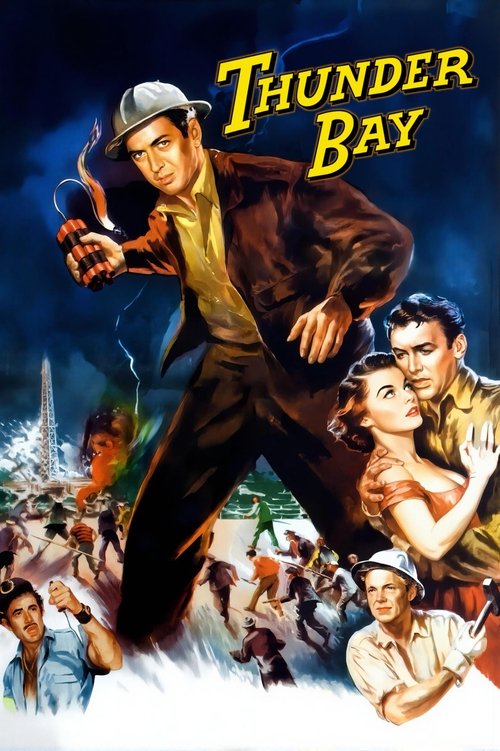 À l’étudeLe Port des passions1953
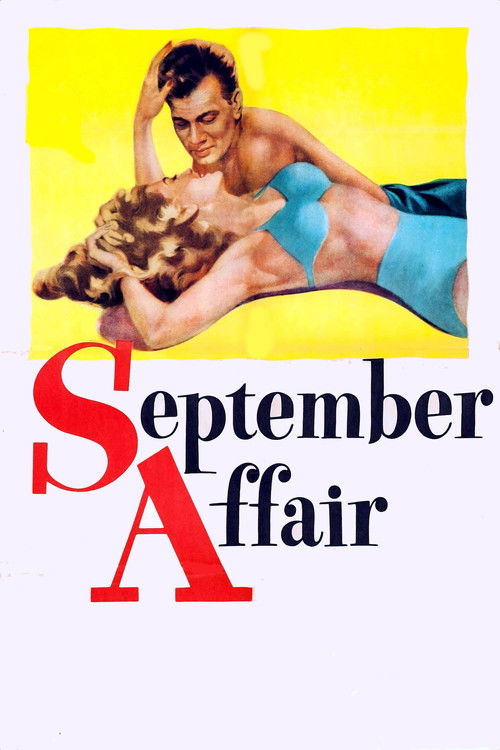 À l’étudeLes Amants de Capri1950
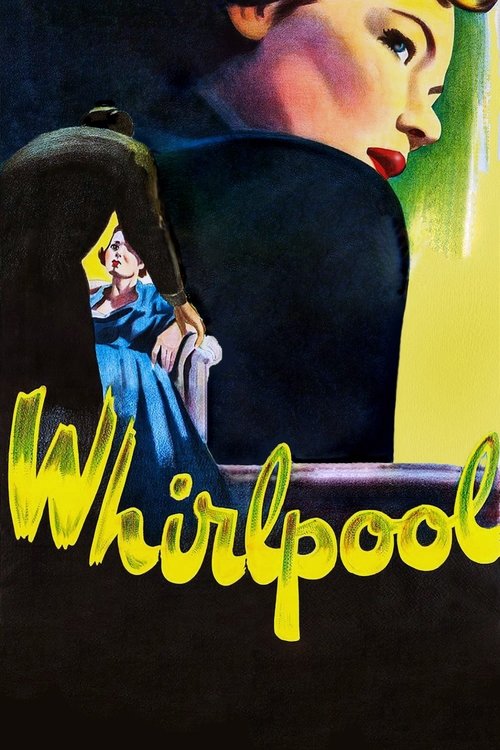 À l’étudeLe Mystérieux Docteur Korvo1950
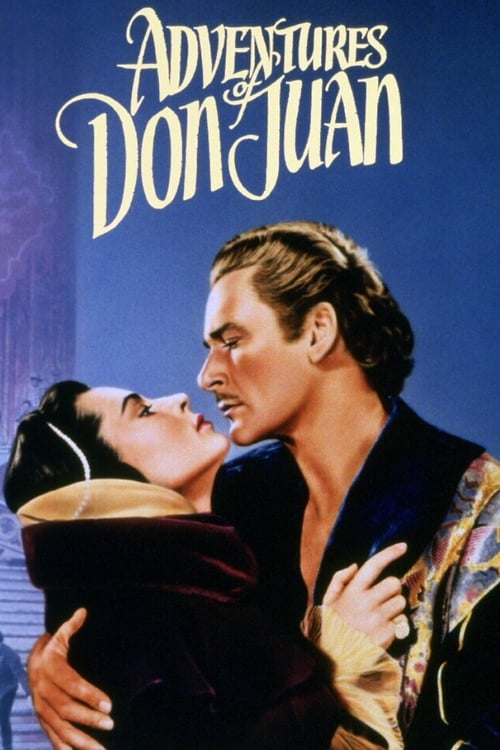 À l’étudeAdventures of Don Juan1948
 À l’étudeAngel on the Amazon1948
 À l’étudeRomance on the High Seas1948
 À l’étudeThe Fugitive1947
 À l’étudeLa Déesse agenouillée1947
 À l’étudeLe Joyeux Barbier1946
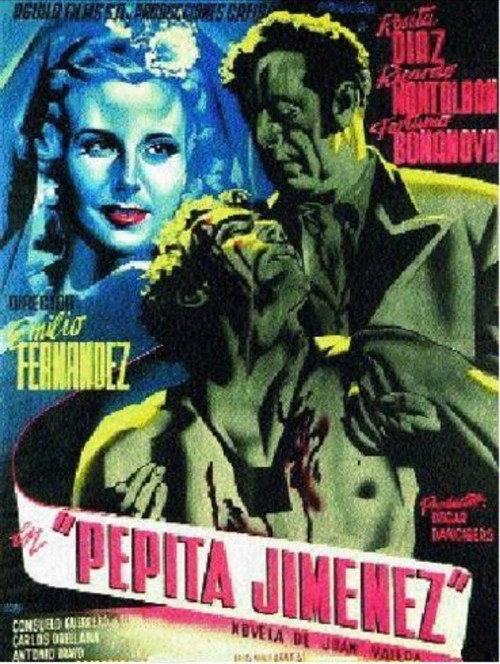 À l’étudePepita Jiménez1946
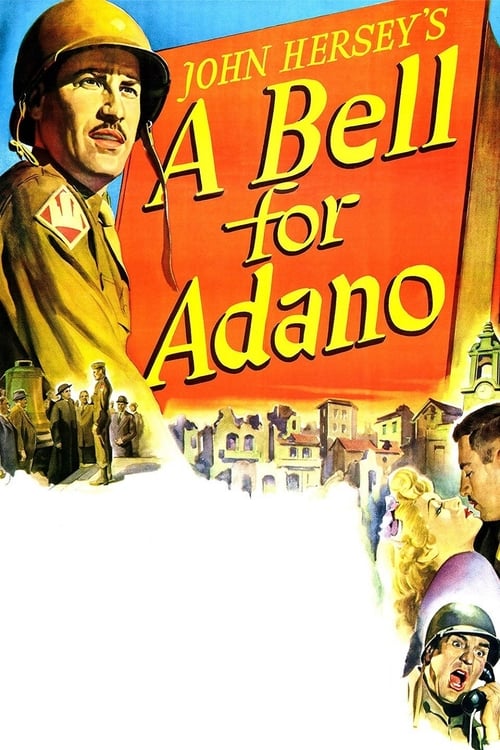 À l’étudeA Bell for Adano1945
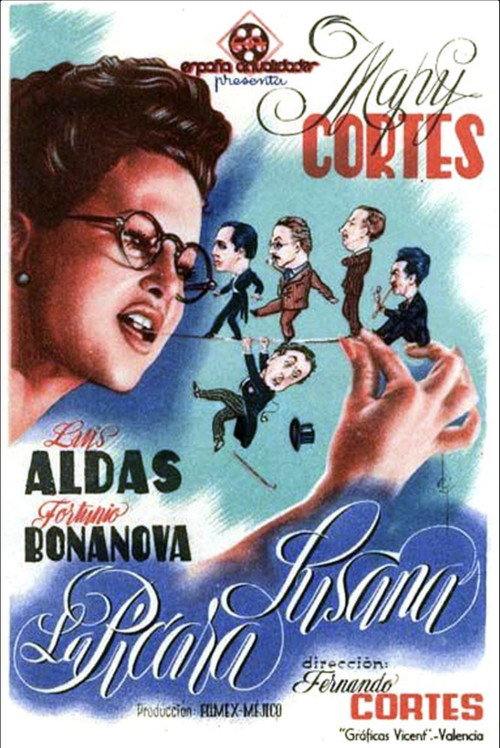 À l’étudeLa pícara Susana1945
 À l’étudeBrazil1944
 À l’étudeMrs. Parkington1944
 Assurance sur la mort1944
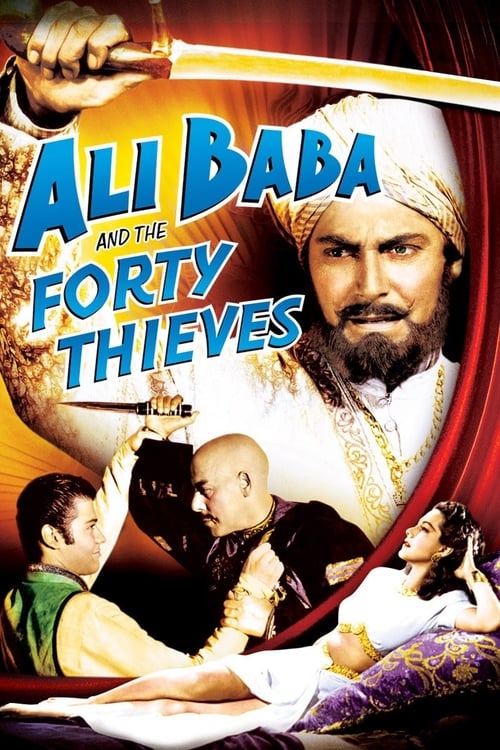 Ali Baba et les Quarante Voleurs1944
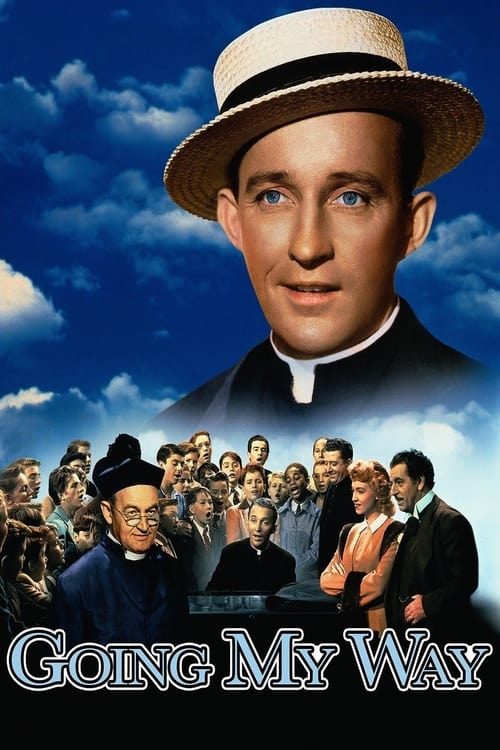 La Route semée d'étoiles1944
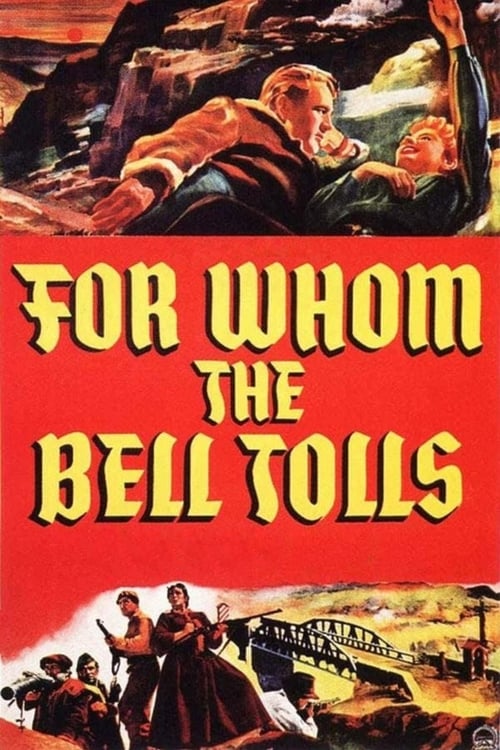 Pour qui sonne le glas1943
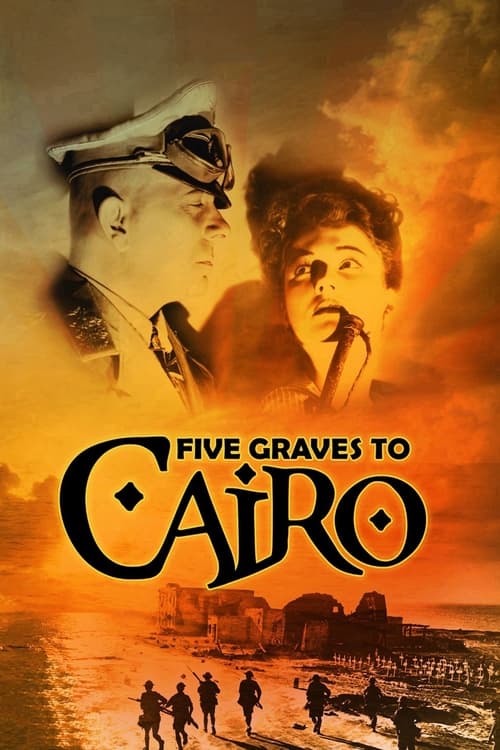 À l’étudeFive Graves to Cairo1943
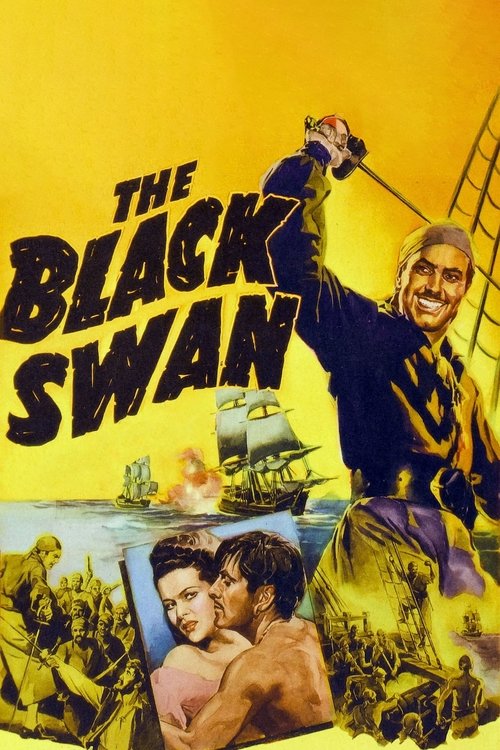 Le Cygne Noir1942
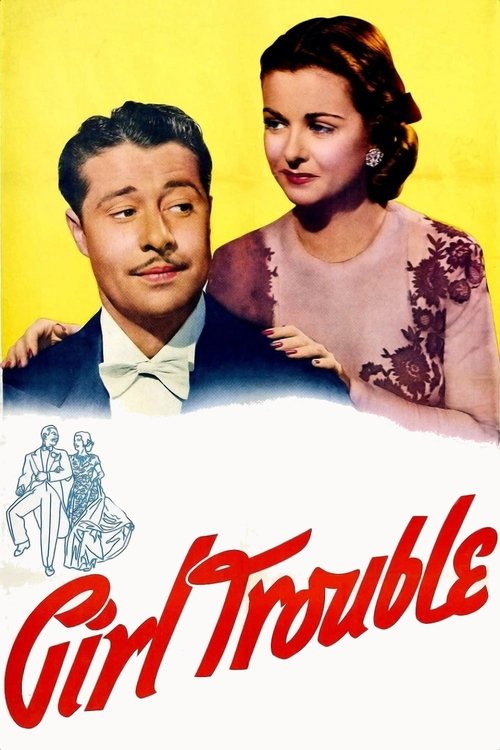 À l’étudeGirl Trouble1942
 À l’étudeLarceny, Inc.1942
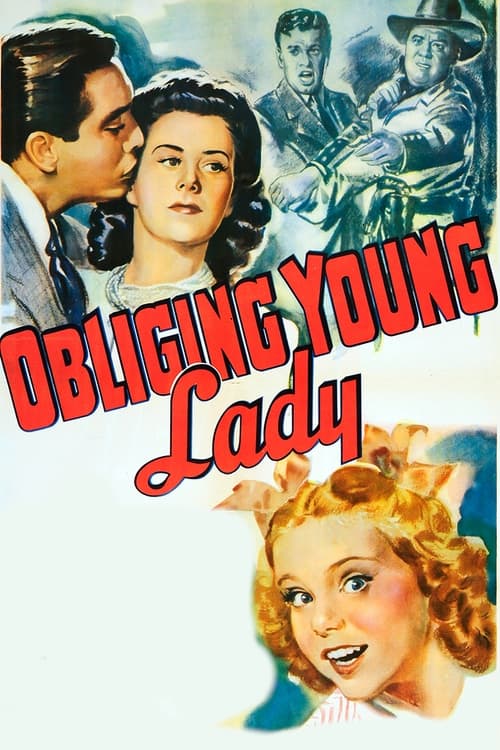 À l’étudeObliging Young Lady1942
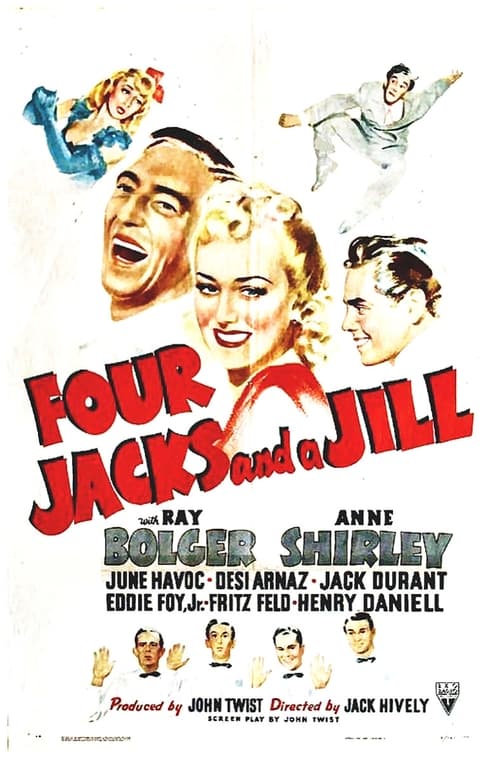 À l’étudeFour Jacks and a Jill1942
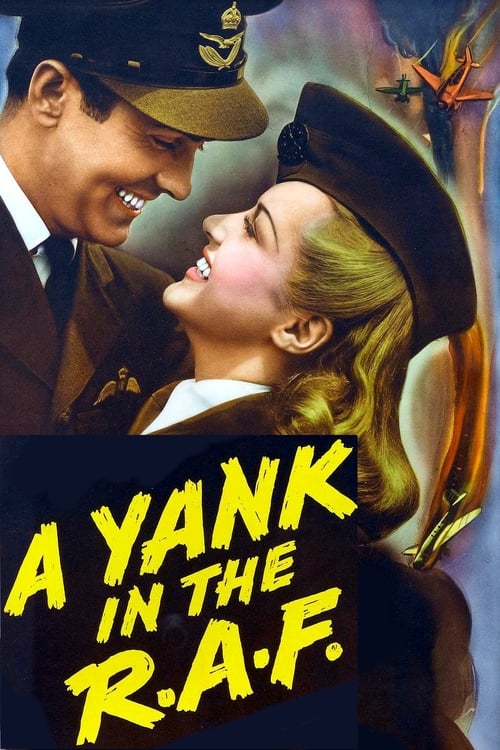 À l’étudeUn Yankee dans la R.A.F.1941
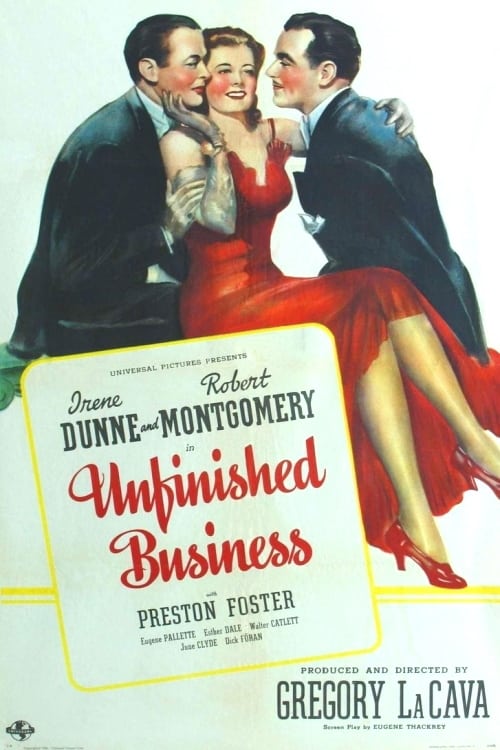 À l’étudeUnfinished Business1941
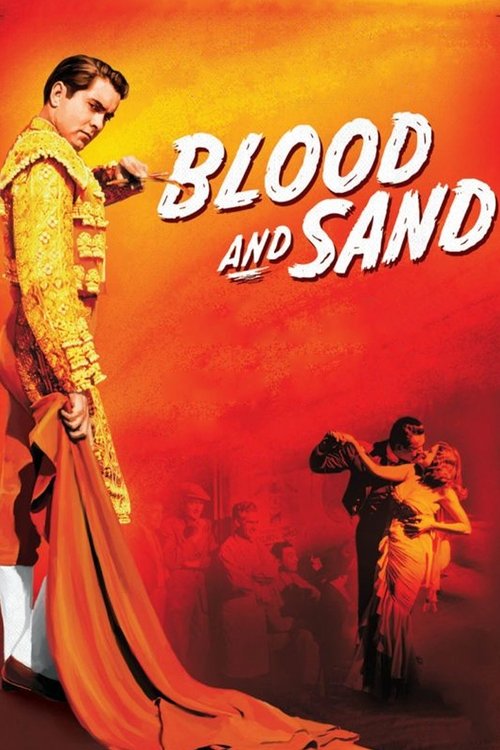 À l’étudeArènes sanglantes1941
 À l’étudeThey Met in Argentina1941
 Citizen Kane1941
 À l’étudeThat Night in Rio1941
 Le signe de Zorro1940
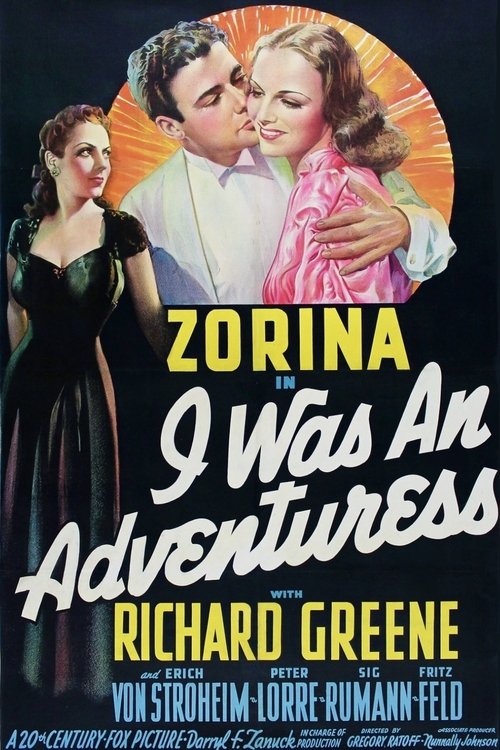 À l’étudeÉtais-je une aventurière1940
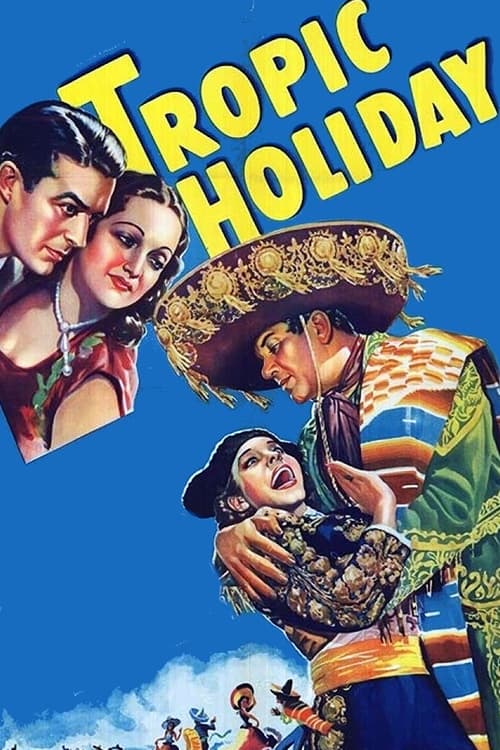 À l’étudeTropic Holiday1938
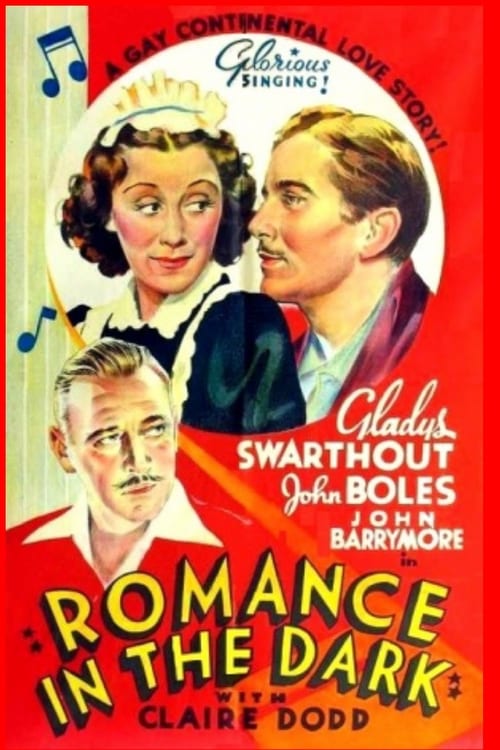 À l’étudeRomance in the Dark1938
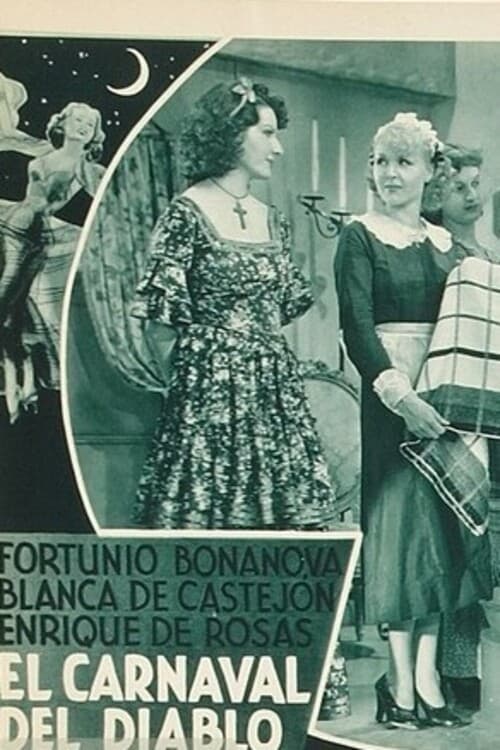 À l’étudeEl carnaval del diablo1936
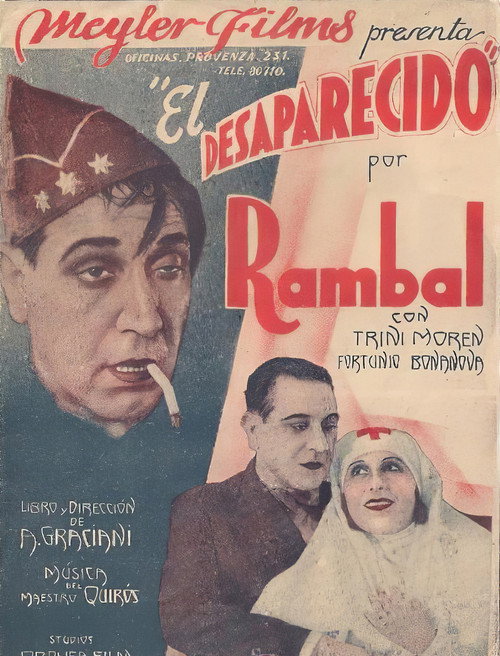 À l’étudeEl desaparecido1934
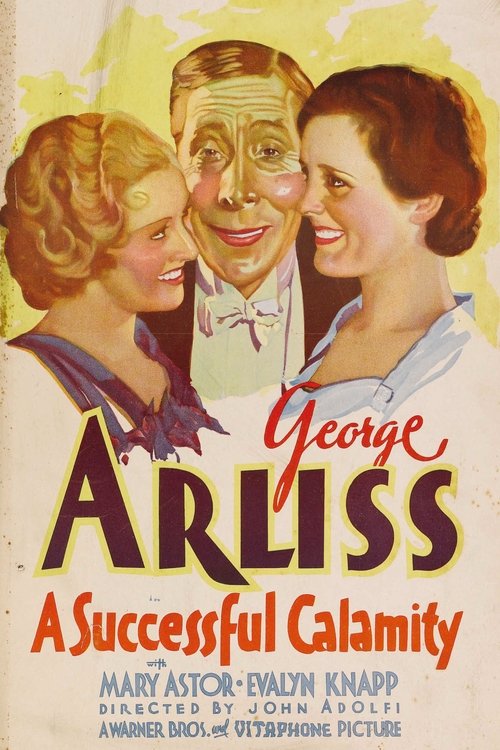 À l’étudeA Successful Calamity1932