Frank Borzage
- Naissance
- 23 avril 1894
- Décès
- 19 juin 1962
- Origine
- Salt Lake City, Utah, USA
From Wikipedia, the free encyclopedia
Afficher plusAfficher moins
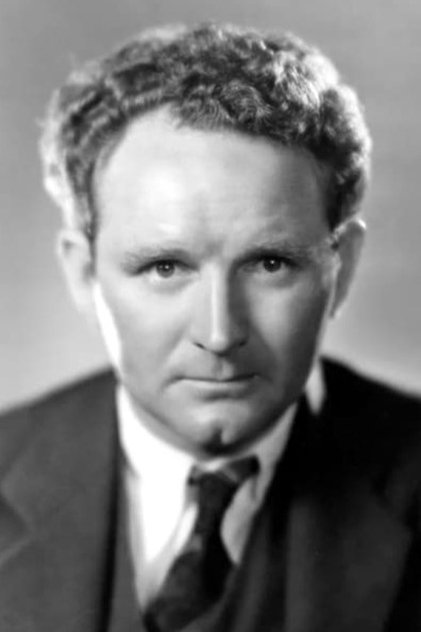
Frank Borzage (April 23, 1894 – June 19, 1962) was an Academy Award-winning American film director and actor, known for directing 7th Heaven (1927), Street Angel (1928), Bad Girl (1931), A Farewell to Arms (1932), Man's Castle (1933), History Is Made at Night (1937), The Mortal Storm (1940) and Moonrise (1948).
In 1912 Borzage found employment as an actor in Hollywood; he continued to work as an actor until 1917. His directorial debut came in 1915 with the film The Pitch o' Chance.
He was a successful director throughout the 1920s, but reached his peak in the late silent and early sound era. Absorbing visual influences from the German director F.W. Murnau, who was also resident at Fox at this time, Borzage developed his own style of lushly visual romanticism in a hugely successful series of films starring Janet Gaynor and Charles Farrell, including 7th Heaven (1927), for which he won the first Academy Award for Best Director, Street Angel (1928) and Lucky Star (1929). He won a second Oscar for 1931's Bad Girl.
He directed 14 films between 1917 and 1919 alone. His greatest success in the silent era was with Humoresque, a box office winner starring Vera Gordon.
Borzage's trademark was intense identification with the feelings of young lovers in the face of adversity, with love in his films triumphing over such trials as World War I (7th Heaven and A Farewell to Arms), disability (Lucky Star), the Depression (Man's Castle), a thinly disguised version of the Titanic disaster in History Is Made at Night, and the rise of Nazism, a theme which Borzage had virtually to himself among Hollywood filmmakers from Little Man, What Now? (1933) to Three Comrades (1938) and The Mortal Storm (1940).
His work took a spiritual turn in such films as Green Light (1937), Strange Cargo (1940) and The Big Fisherman (1959). Of his later work only the film noir Moonrise (1948) has enjoyed much critical acclaim. After 1948, Borzage's output was sporadic.
In 1955 and 1957, he was awarded The George Eastman Award, given by George Eastman House for distinguished contribution to the art of film.
Frank Borzage died of cancer in 1962, aged 68.
Biographie fournie par TMDB
Réalisation 39
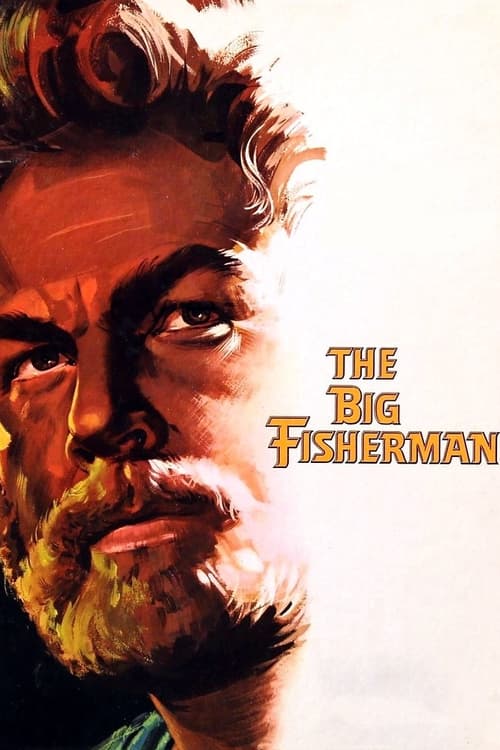 À l’étudeThe Big Fisherman1959
 À l’étudeChina Doll1958
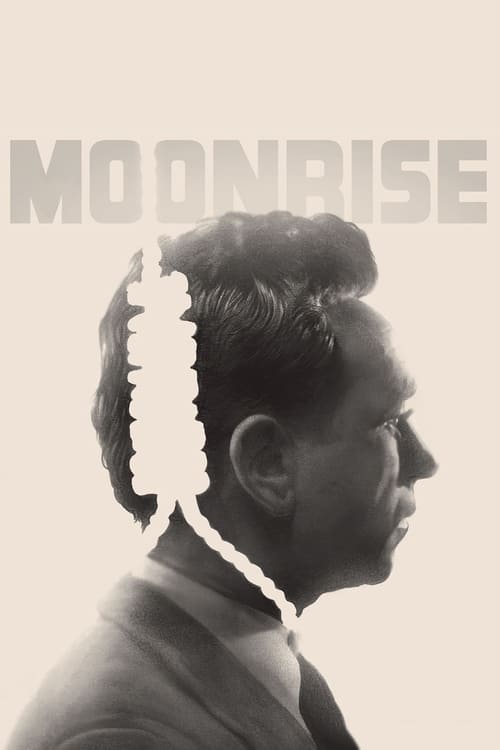 À l’étudeLe Fils du pendu1948
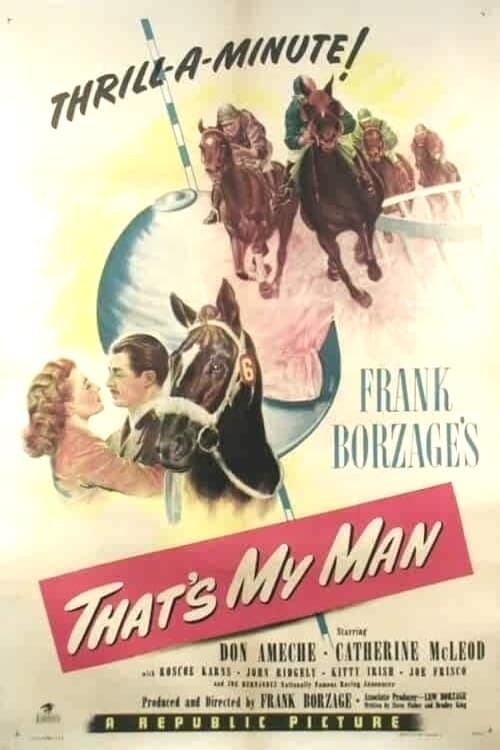 À l’étudeThat's My Man1947
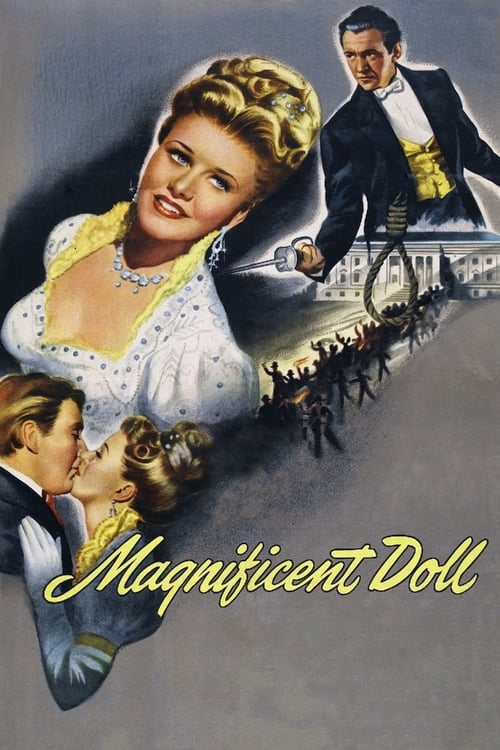 À l’étudeMagnificent Doll1946
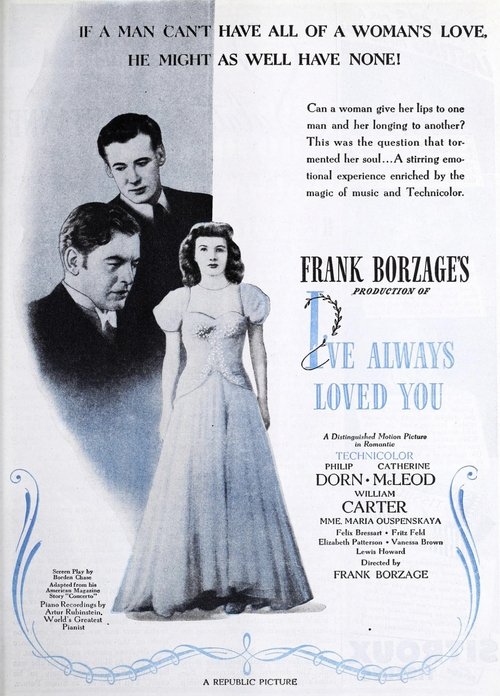 À l’étudeI've Always Loved You1946
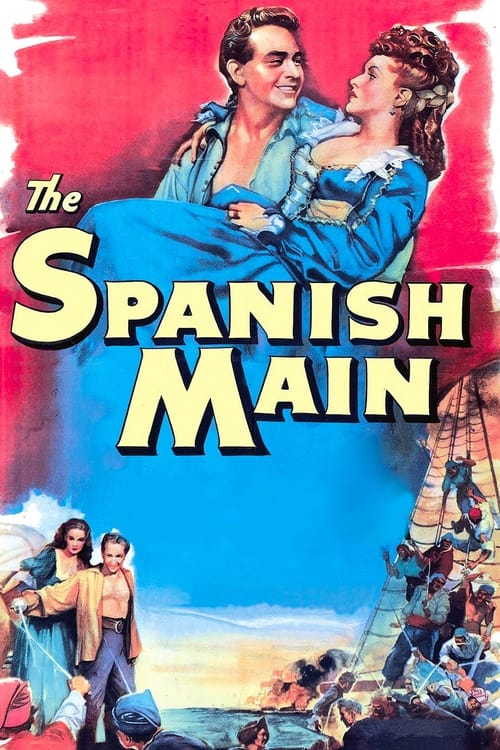 À l’étudePavillon noir1945
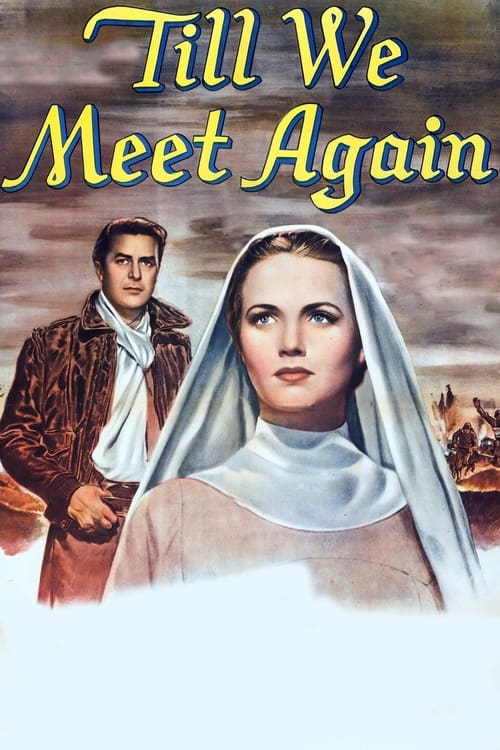 À l’étudeVoyage sans retour1944
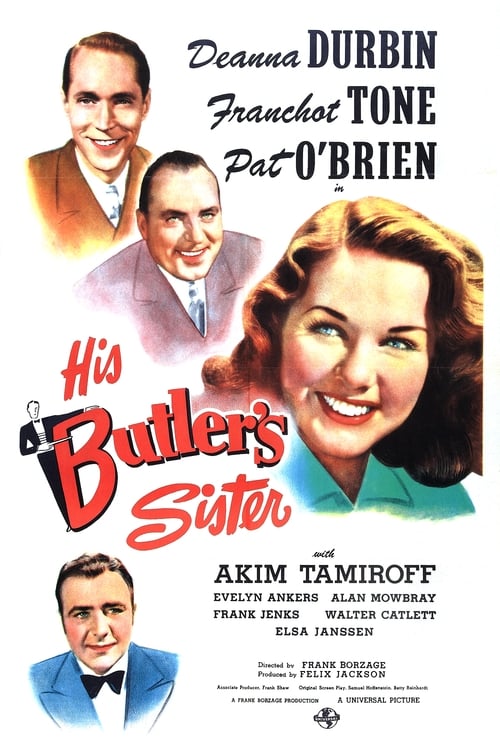 À l’étudeHis Butler's Sister1943
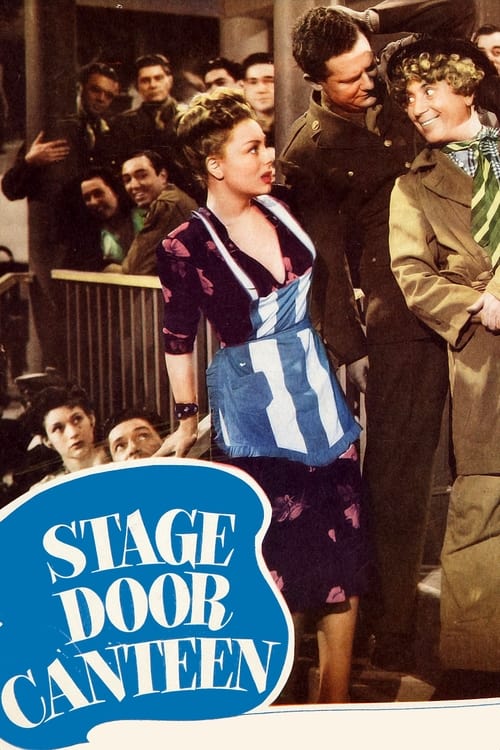 À l’étudeLe Cabaret des étoiles1943
 À l’étudeSeven Sweethearts1942
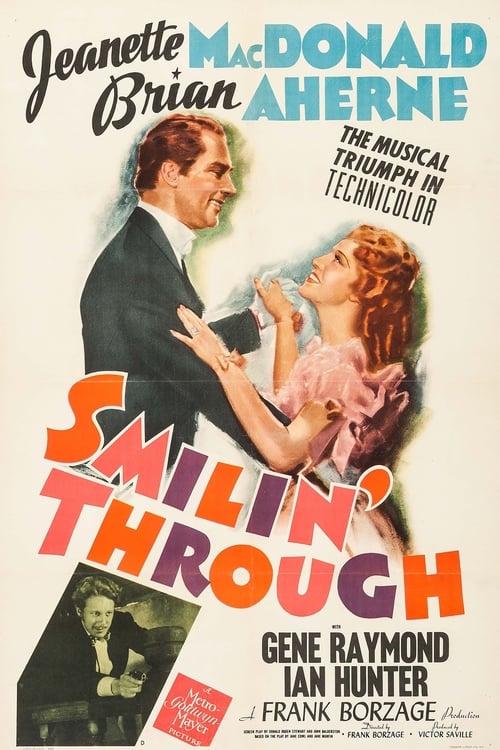 À l’étudeChagrins d'amour1941
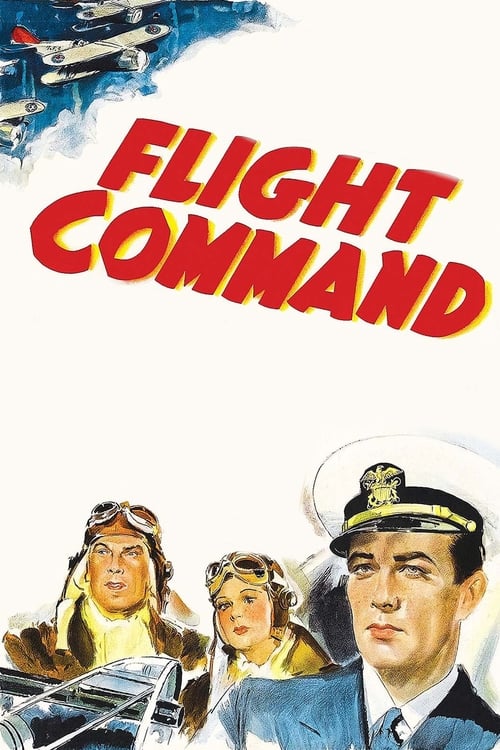 À l’étudeL'appel des Ailes1940
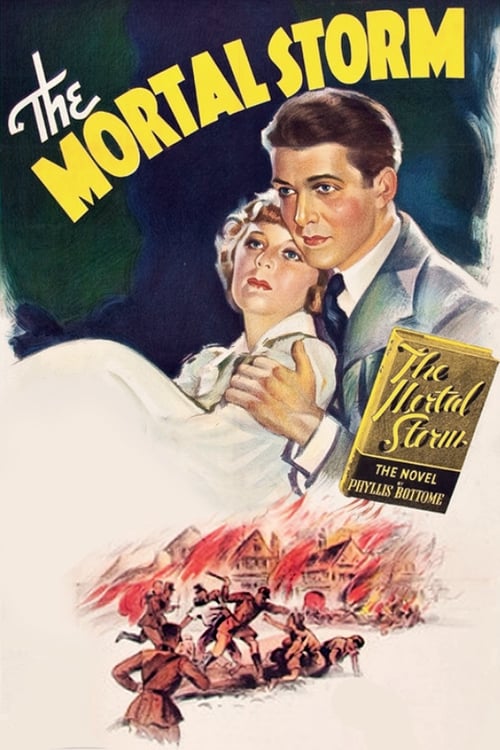 À l’étudeLa Tempête qui tue1940
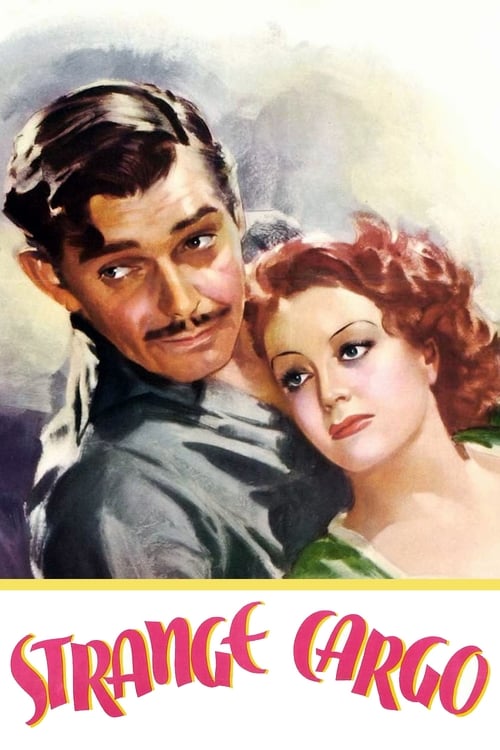 À l’étudeLe cargo maudit1940
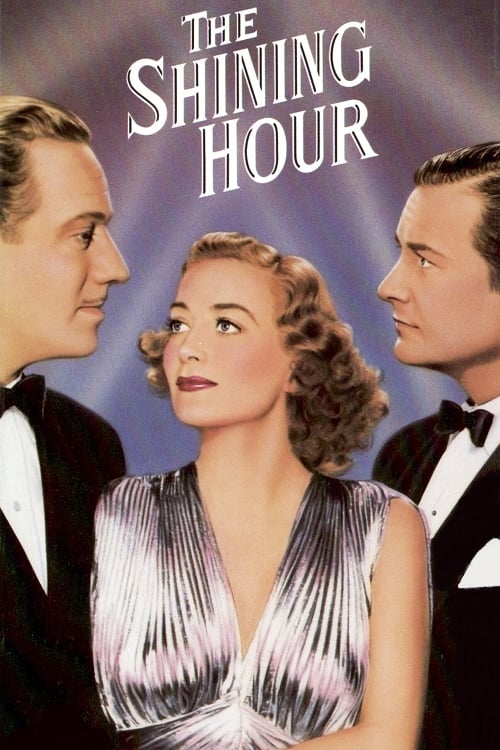 À l’étudeL'Ensorceleuse1938
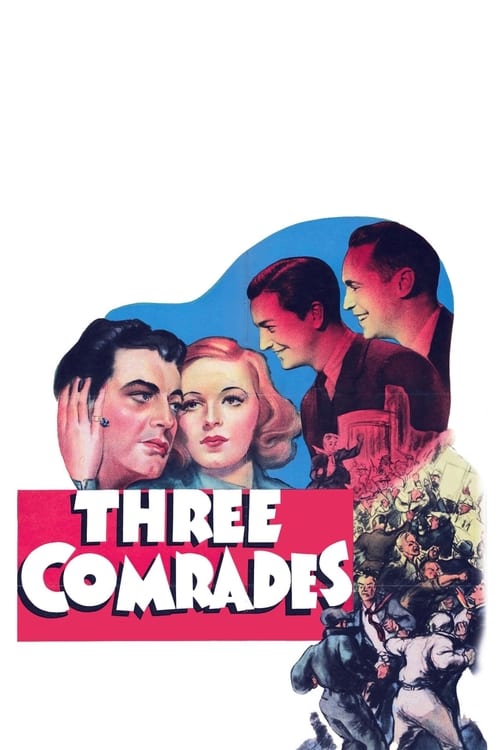 À l’étudeTrois camarades1938
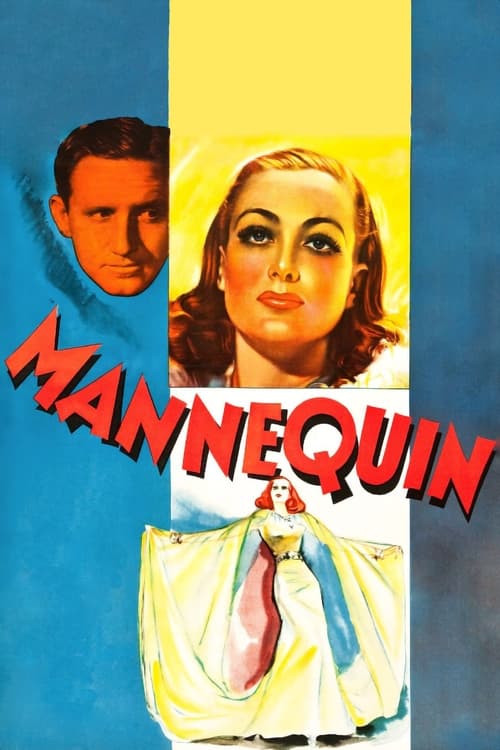 À l’étudeMannequin1938
 À l’étudeLa Grande Ville1937
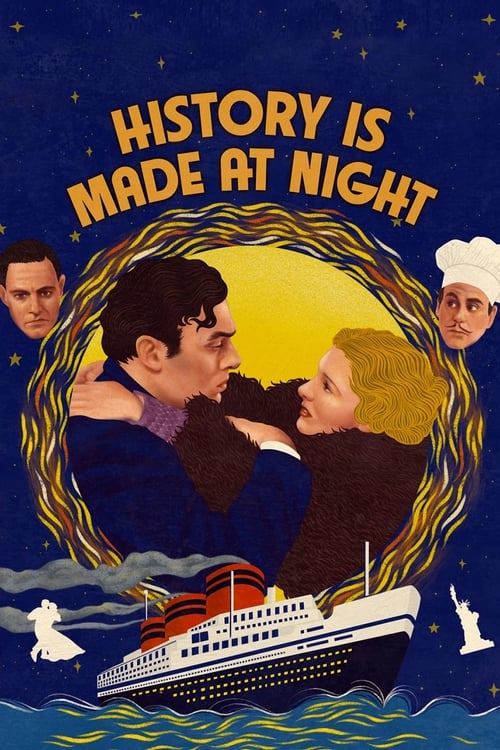 À l’étudeLe destin se joue la nuit1937
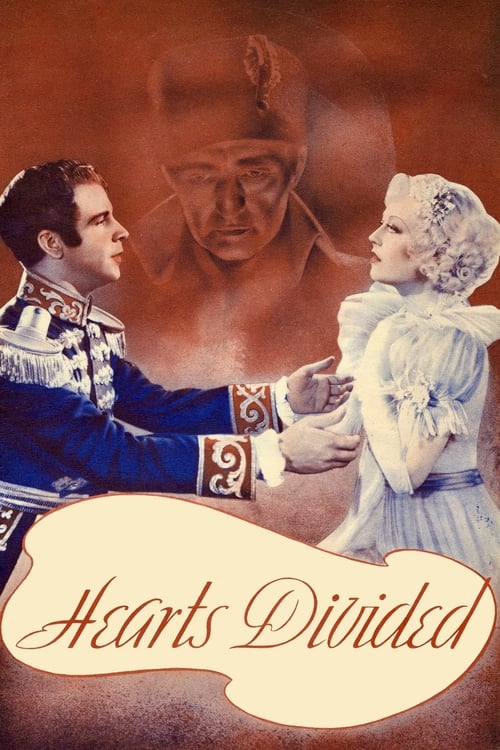 À l’étudeHearts Divided1936
 À l’étudeDesire1936
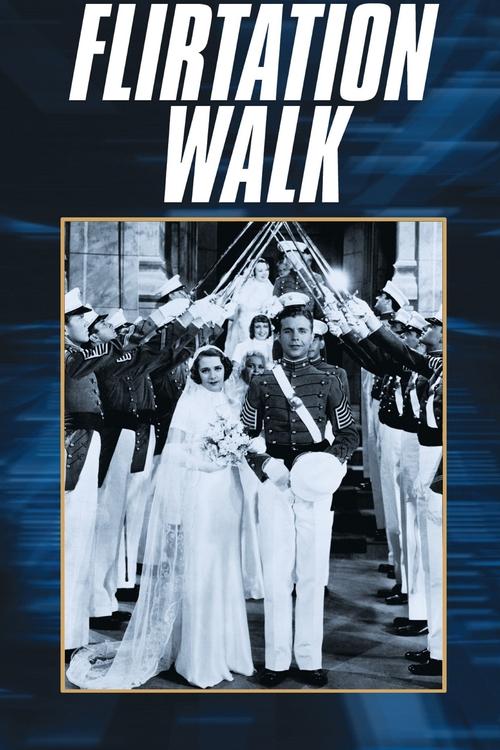 Flirtation Walk1934
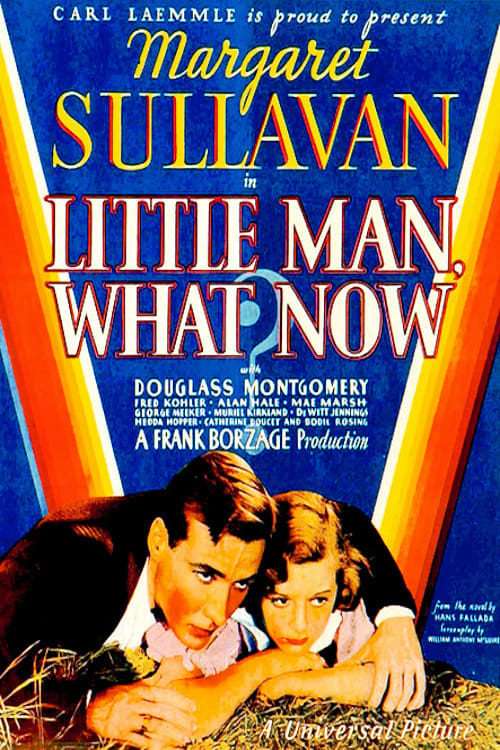 À l’étudeEt Demain ?1934
 À l’étudeNo Greater Glory1934
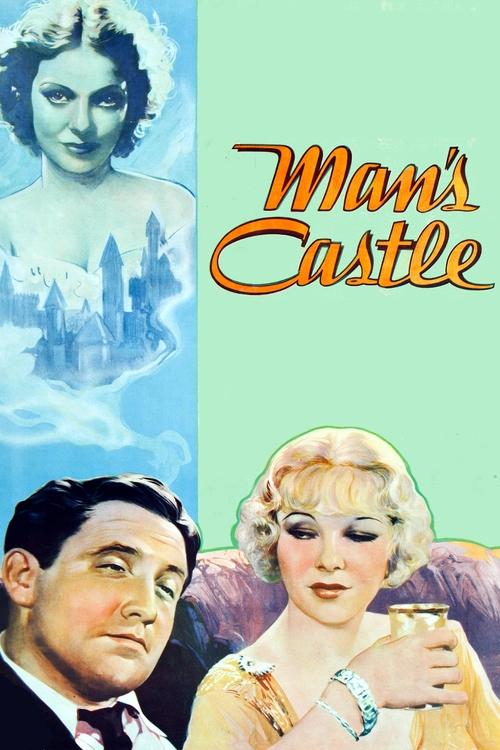 À l’étudeCeux de la zone1933
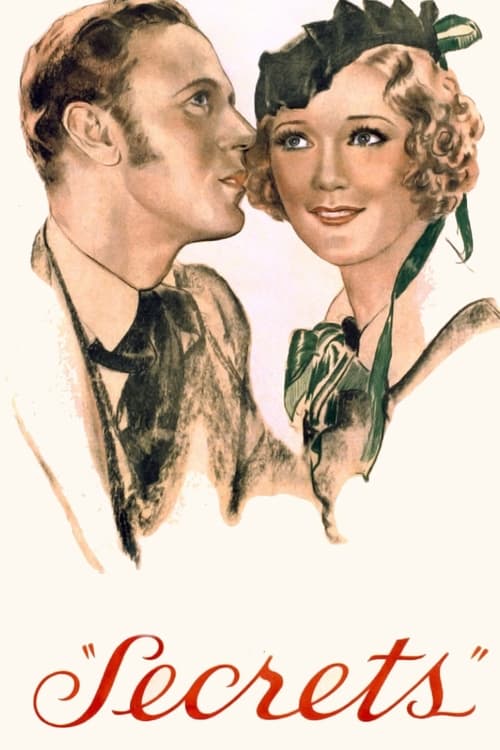 À l’étudeSecrets1933
 À l’étudeL'Adieu aux armes1932
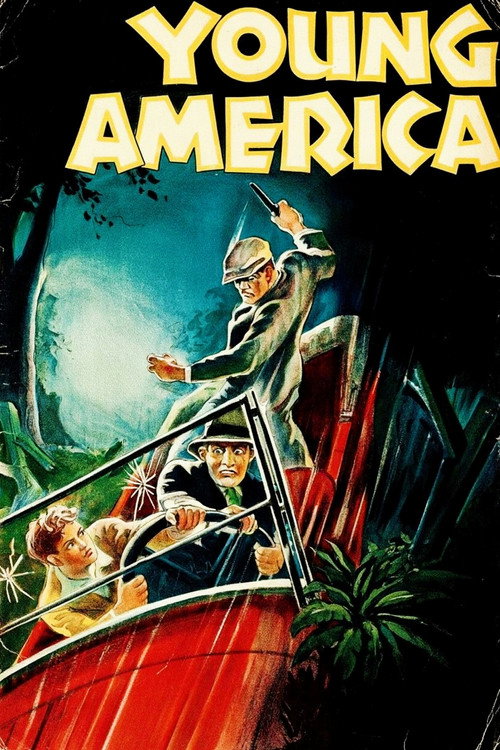 À l’étudeJeune Amérique1932
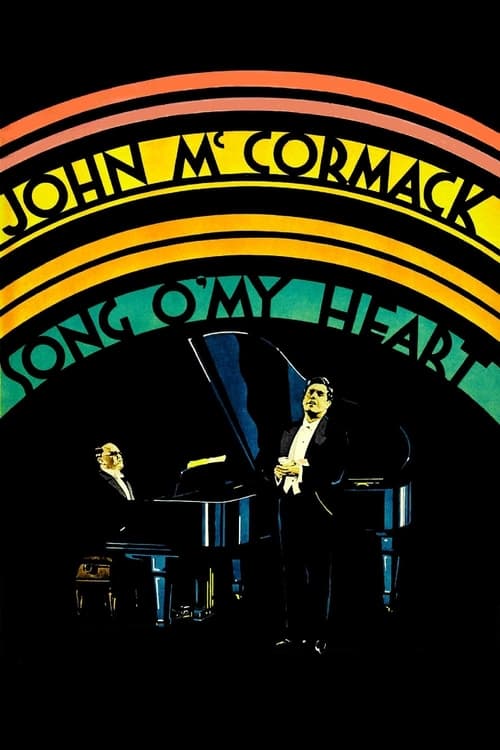 À l’étudeSong o' My Heart1930
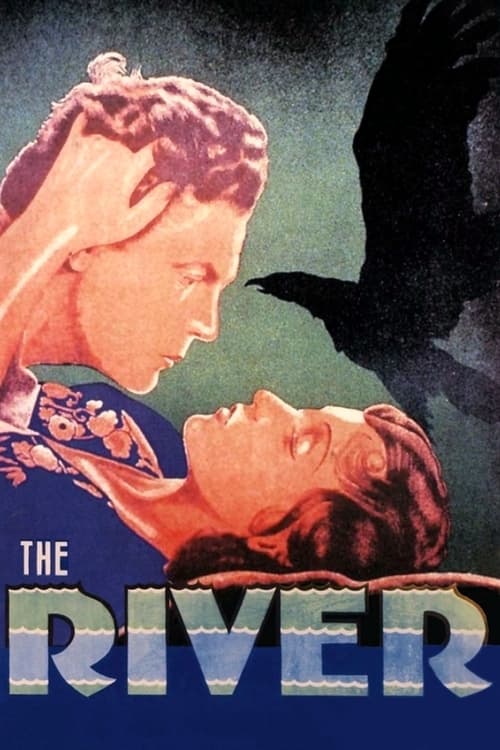 À l’étudeThe River1929
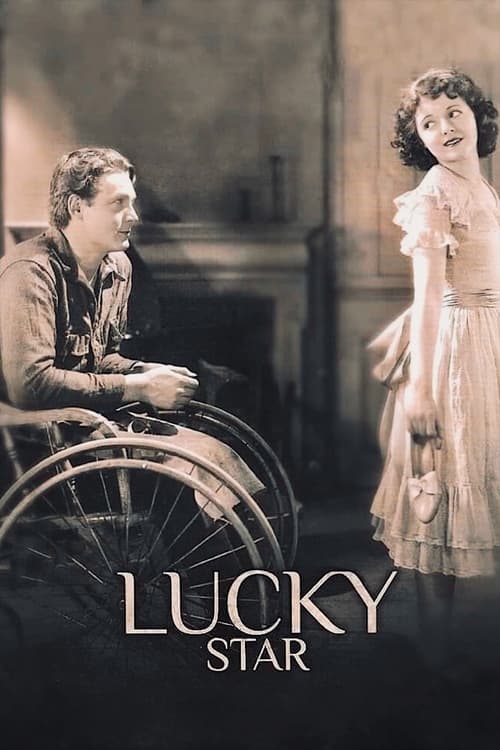 À l’étudeL’Isolé1929
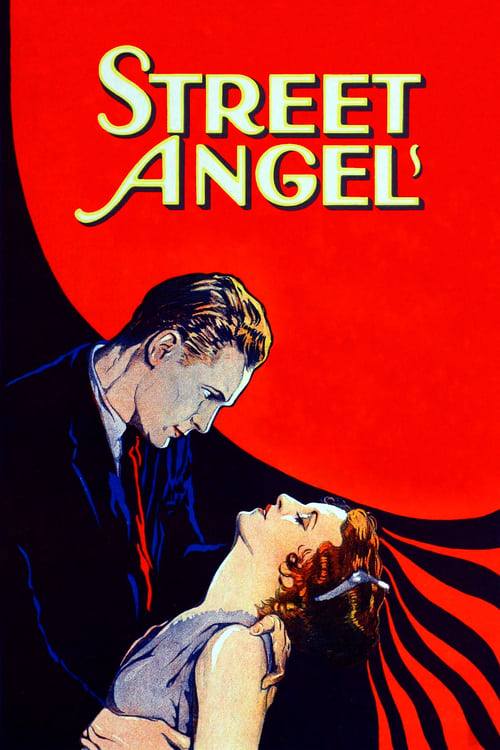 À l’étudeL'Ange de la rue1928
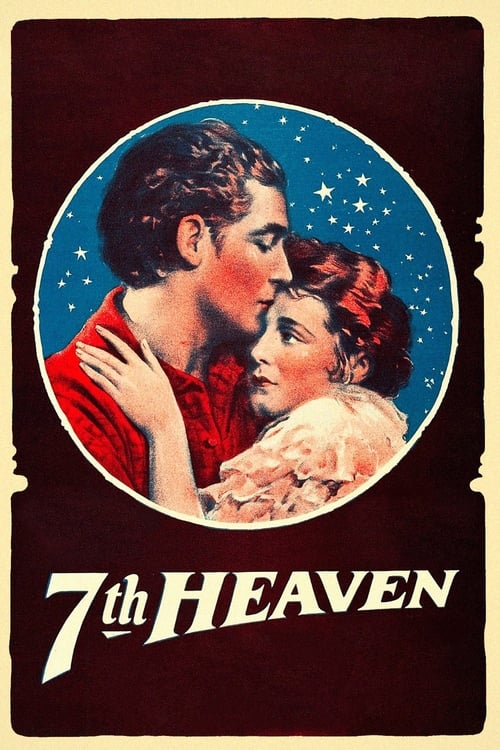 À l’étudeL'Heure suprême1927
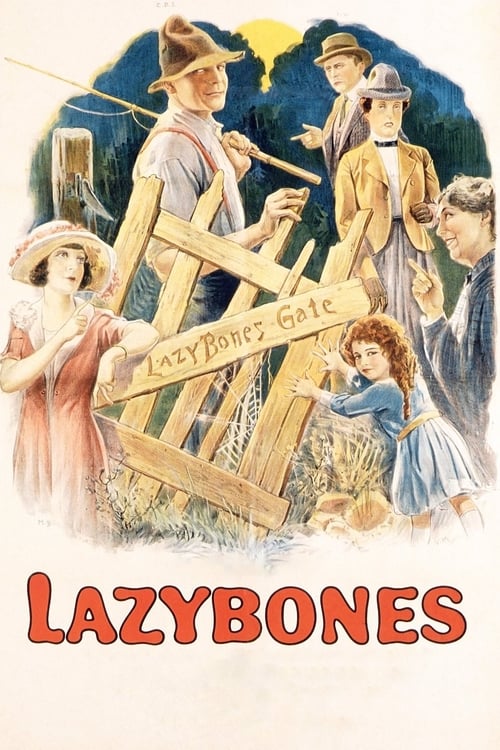 À l’étudeLazybones1925
 À l’étudeBilly Jim1922
 À l’étudeBack Pay1922
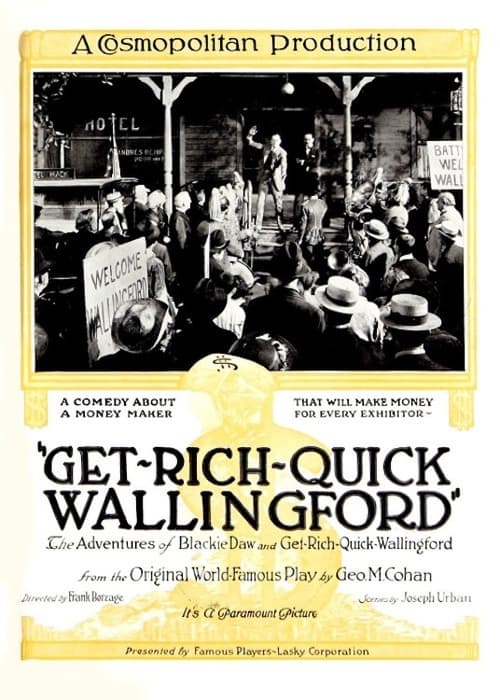 À l’étudeGet-Rich-Quick Wallingford1921
 À l’étudeThe Atom1918
Interprétation 4
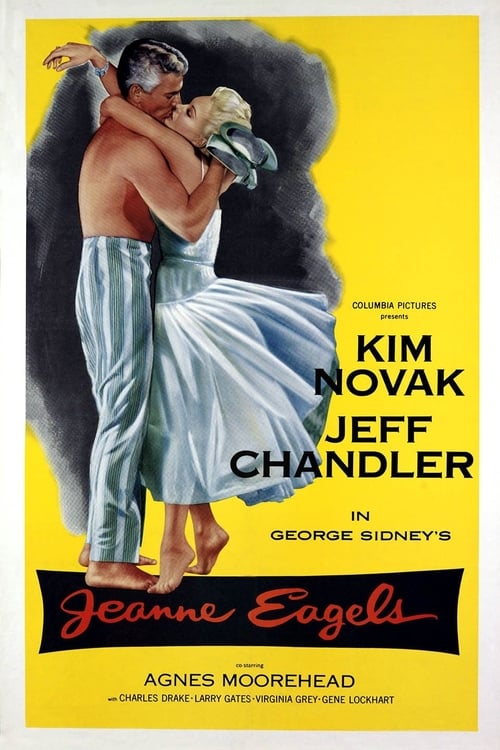

Scénario 1
Production 19
- À l’étudeChina Doll1958
- À l’étudeThat's My Man1947
- À l’étudeI've Always Loved You1946
- À l’étudePavillon noir1945
- À l’étudeLe Cabaret des étoiles1943
- À l’étudeSeven Sweethearts1942
- À l’étudeChagrins d'amour1941
- À l’étudeLa Tempête qui tue1940
- À l’étudeLe cargo maudit1940
- À l’étudeL'Ensorceleuse1938
- À l’étudeMannequin1938
- À l’étudeHearts Divided1936
- À l’étudeDesire1936
- Flirtation Walk1934
- À l’étudeNo Greater Glory1934
- À l’étudeCeux de la zone1933
- À l’étudeL'Adieu aux armes1932
- À l’étudeSong o' My Heart1930
- À l’étudeLazybones1925