
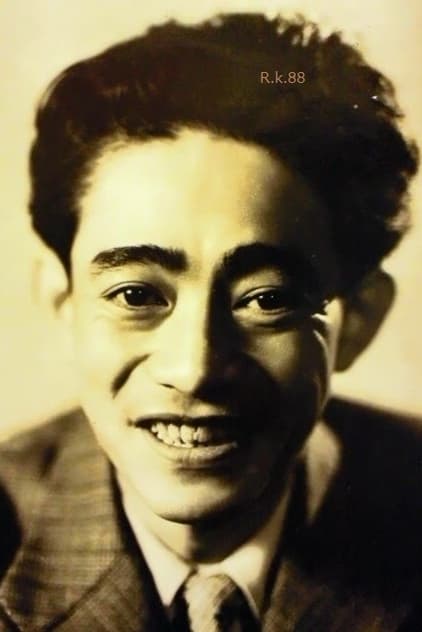
Kenichi Enomoto
- Naissance
- 11 octobre 1904
- Décès
- 7 janvier 1970
- Origine
- Aoyama, Tokyo
From Wikipedia, the free encyclopedia.
Afficher plusAfficher moins
Kenichi Enomoto (October 11, 1904 – January 7, 1970) was a popular Japanese singing comedian, mostly known by his stage name Enoken.
A major innovator during his heyday, Enoken's stage shows, radio appearances, and film roles were a major influence within Tokyo theatre before World War II, and was a catalyst for the revival of comedy in the postwar period.
Born in Aoyama, Tokyo, the son of rice cracker shop owners, Enomoto fell under the spell of such stars of the Asakusa Opera as Taya Rikizo and Fujiwara Yoshie, and in 1922 he made his stage debut at age 18 as a chorus member of the Asakusa Kinryukan Theatre. The Great Kanto Earthquake of the following year dealt a great blow to the opera world in Tokyo, at which time Enomoto shifted to comic theatre. Playing small roles in various comedy productions, he returned to the Asakusa stage in 1929 as part of the troupe Casino Folly. The following year saw him launch his own troupe, Enoken Gekidan, which would firmly establish him as a leading figure in Tokyo theatrical circles. In 1934, he starred in the movie Enoken no Seishun Suikoden (Enoken’s Tale of Youth’s Folly), and gained national popularity. His subsequent film career saw him parody a whole parade of Japanese historical personages, including Kondo Isami and Sakamoto Ryoma, in a series of "jidai-geki" (historical dramas) and "chanbara" (samurai drama) films, including some directed by Kajirō Yamamoto, Nobuo Nakagawa and Akira Kurosawa.
Enomoto became afflicted with necrosis of the right leg in the 1950s, which required amputation, curtailing his film and stage career. He did, however, make a legendary comeback at the Shinjuku Koma Theatre 1963 wearing a prosthetic leg. He died in 1970, and is entombed in Hase Temple in Nishi-Azabu, Minato, Tokyo, on whose tombstone is inscribed "The King of Comedy".
Biographie fournie par TMDB
Interprétation 33
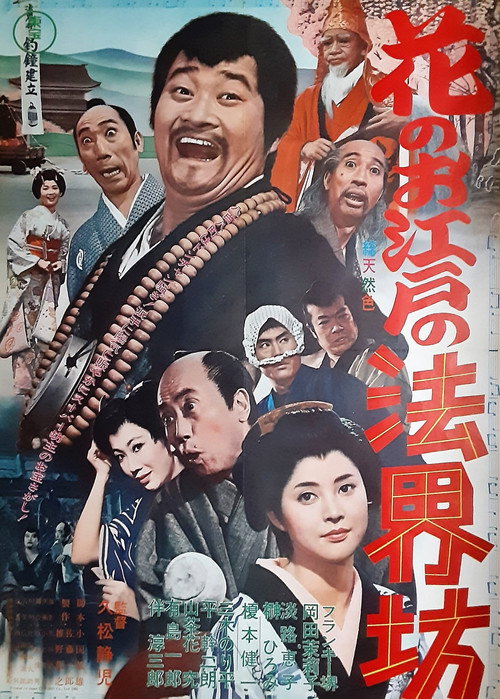 À l’étudeA Monk in the Big City of Edo1965
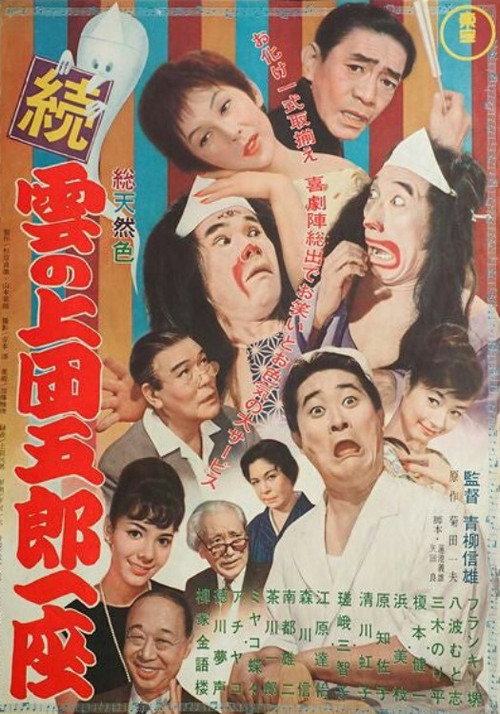 À l’étudeDangoro's 'Above the Clouds' Group' Sequel1963
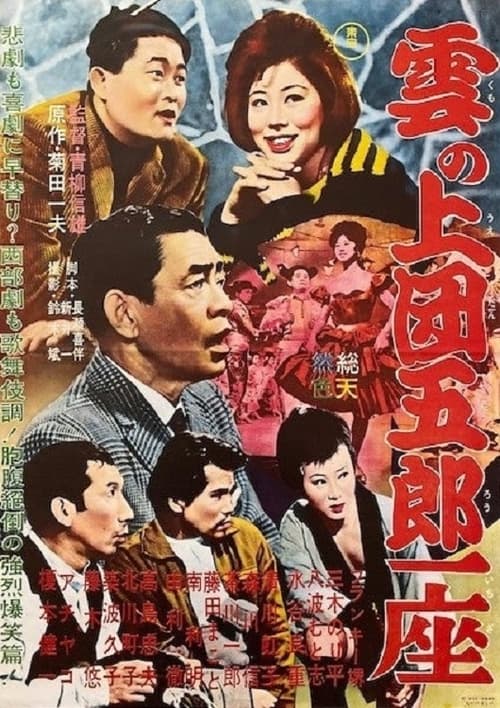 À l’étudeThe Dangoro Party in the Sky1962
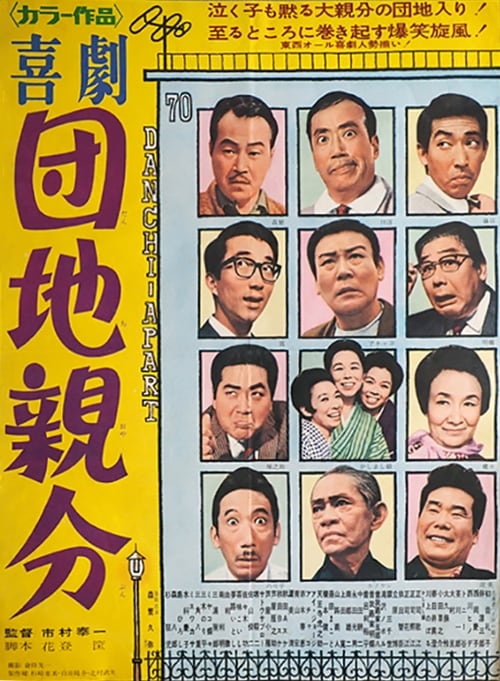 À l’étudeA Country Boss1962
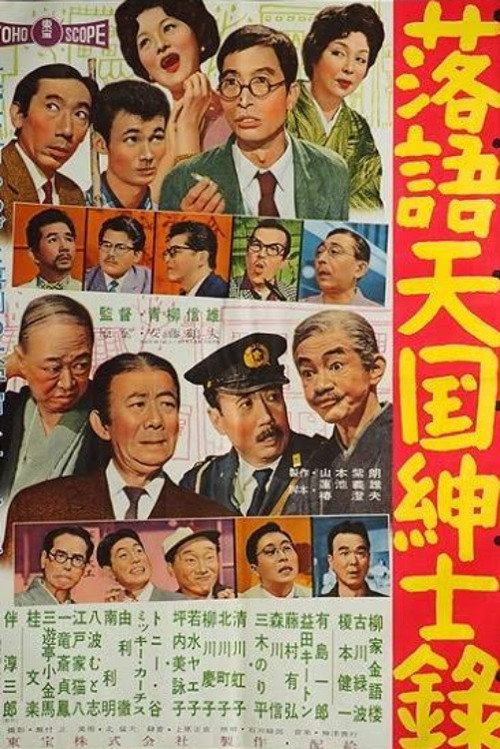 À l’étudeHeavenly Comic Story of a Gentleman1960
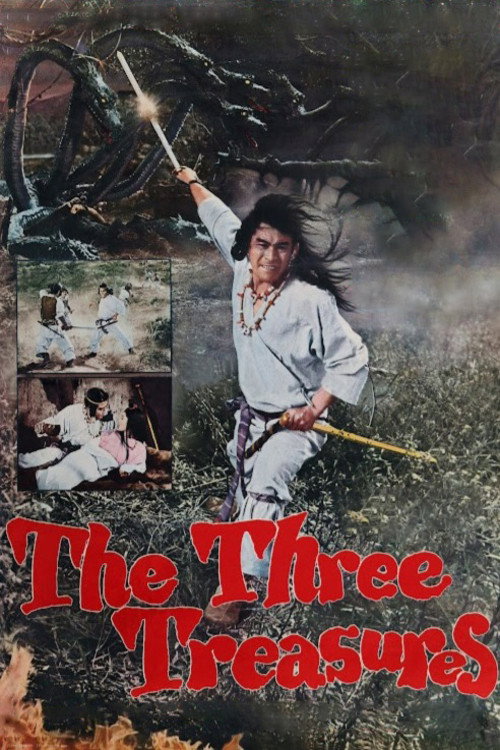 The Three Treasures1959
- Big Laugh Festival of the Edo-itesÀ l’étudeBig Laugh Festival of the Edo-ites1959
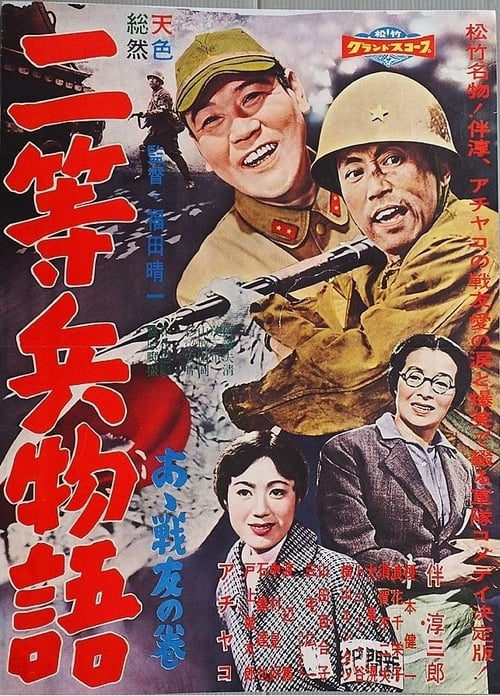 À l’étudeNitōhei monogatari: Aa senyū no maki1958
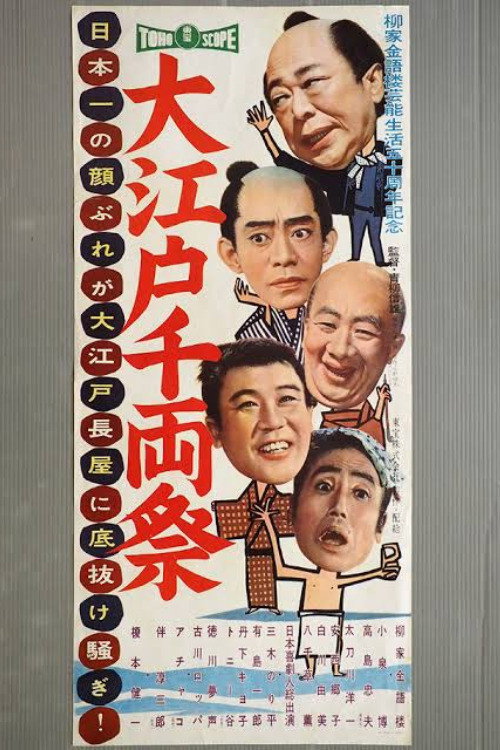 À l’étudeBig Edo's 1,000 Ryo Festival1958
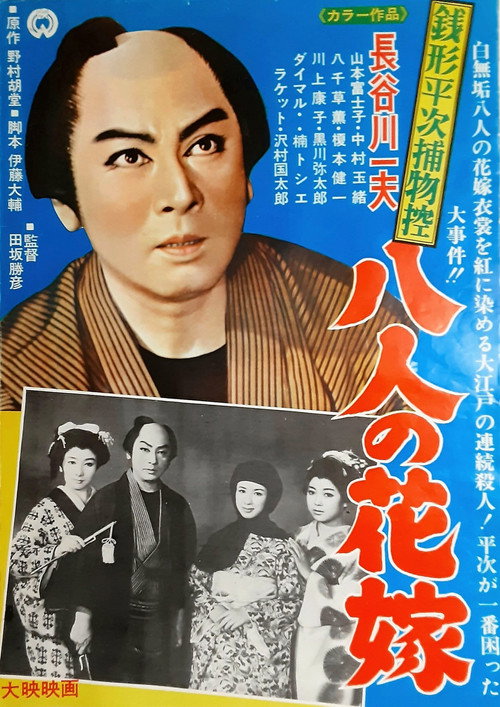 À l’étudeZenigata Heiji torimono hikae: hachi-nin no hanayome1958
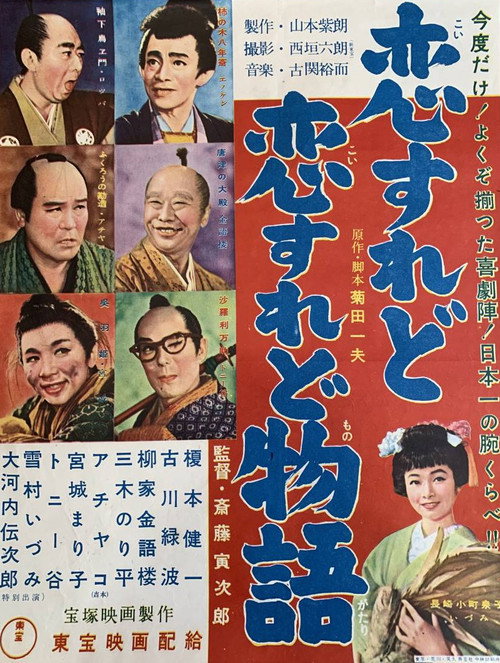 À l’étudeThe More-You-Fall-In-Love Story1956
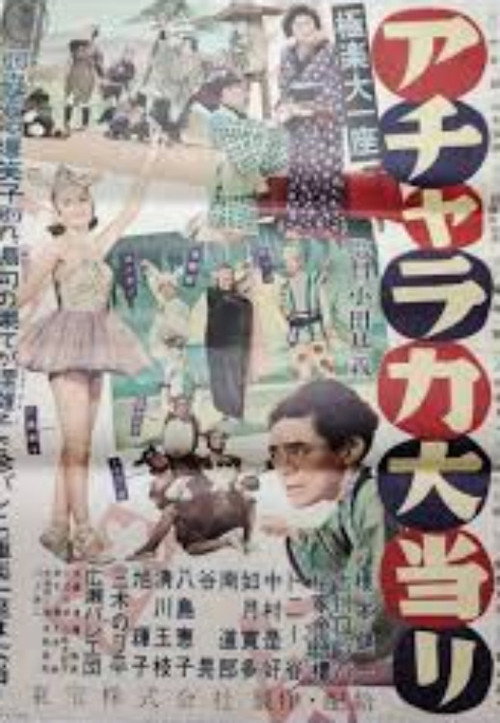 À l’étudeThe Band in Paradise: Acharaka's Big Hit1956
 À l’étudeThe Band in Paradise: Acharaka Is Born1956
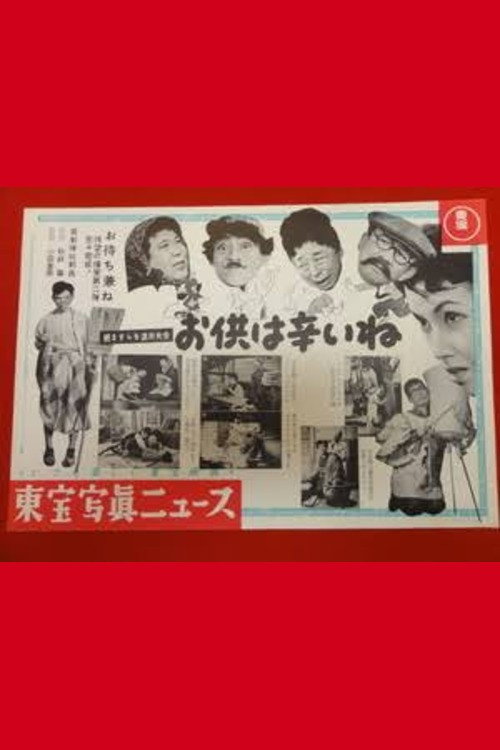 À l’étudeMasura no Hashitsu Sequel: It's Hard to Be a Company1956
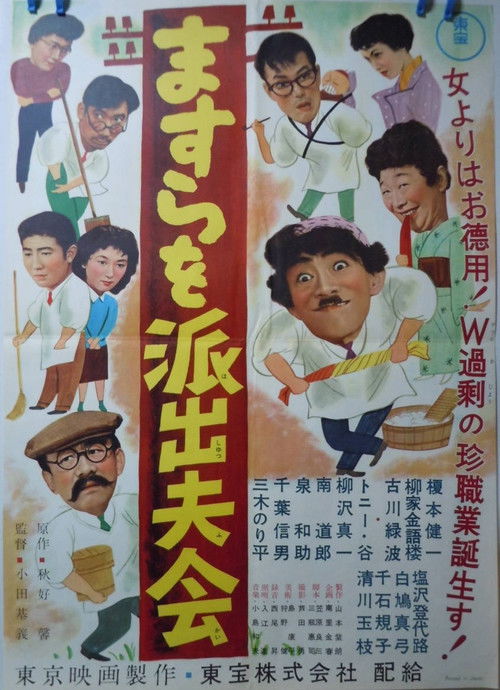 À l’étudeMasura o hashutsu fukai1956
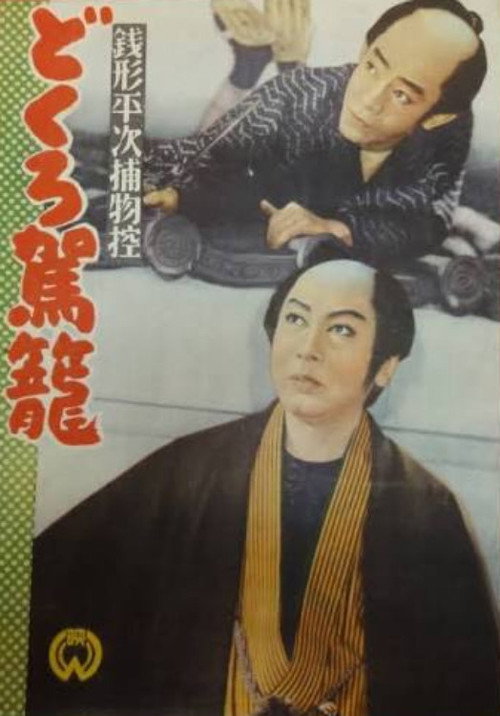 À l’étudeZenigata heiji torimono hikae: Dokuro kago1955
 À l’étudeMuttsuri Umon's Detective Stories: The Demon Mask Mansion1955
 À l’étudeNonki saiban1955
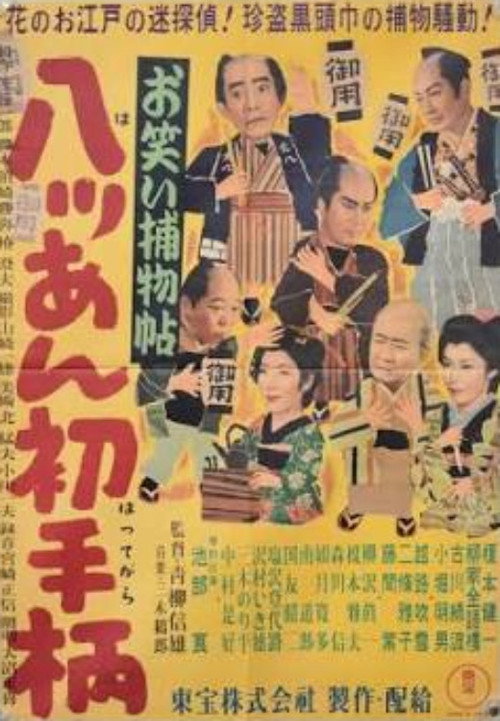 À l’étudeComical Detective Story: Hatchan's First Adventure1955
- Love ExpressÀ l’étudeLove Express1954
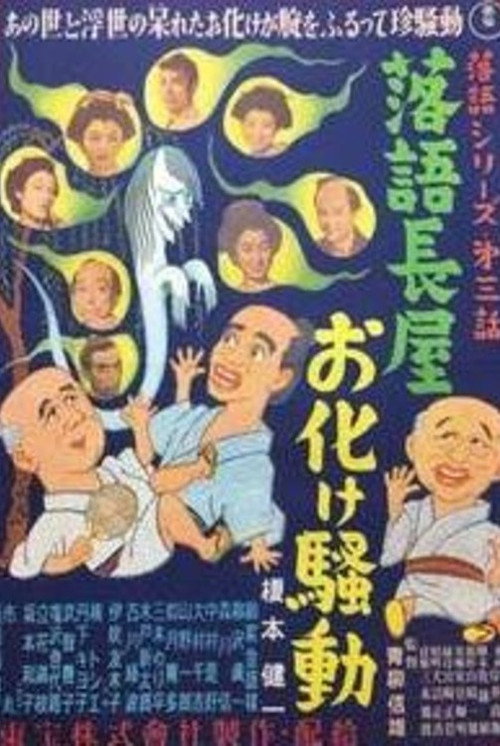 À l’étudeA Long Comic Story-Houses' Ghost Affairs1954
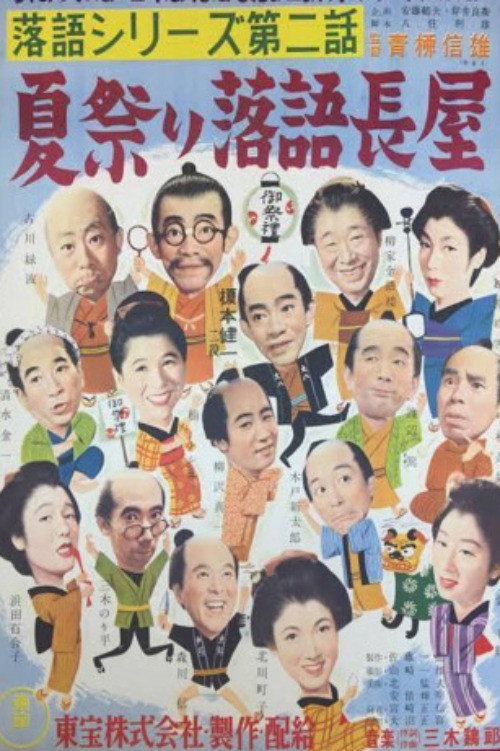 À l’étudeA Long, Comic Story — Houses at the Summer Festival1954
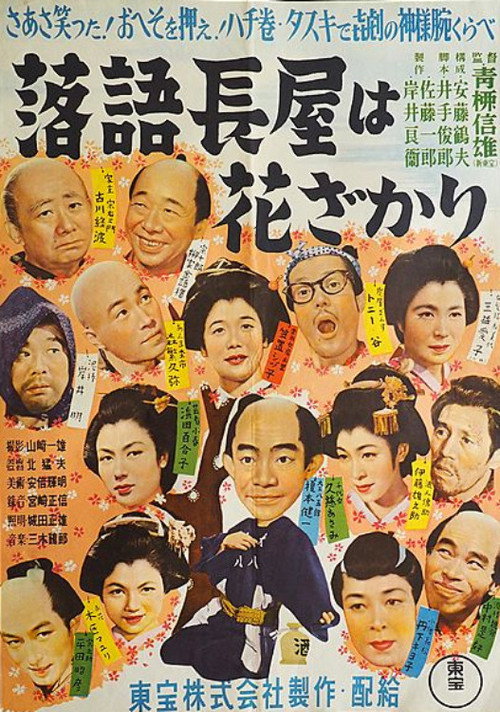 À l’étudeA Long, Comic Story of Houses in Their Prime1954
- Nonsense Detective Story: The Phantom WomanÀ l’étudeNonsense Detective Story: The Phantom Woman1952
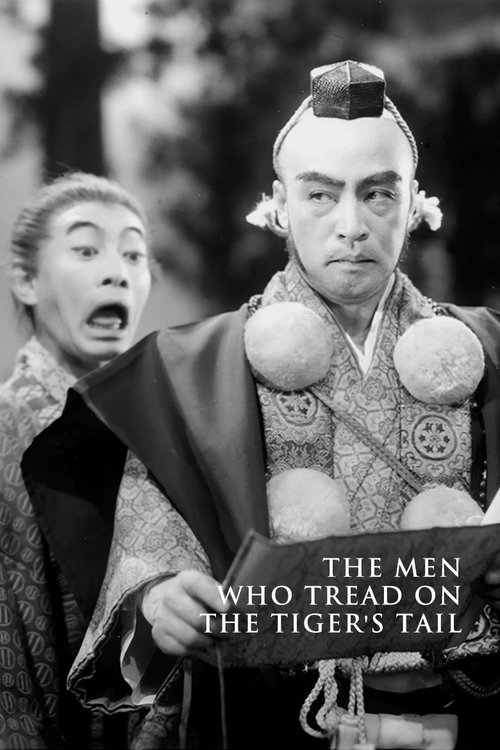 À l’étudeLes Hommes qui marchèrent sur la queue du tigre1952
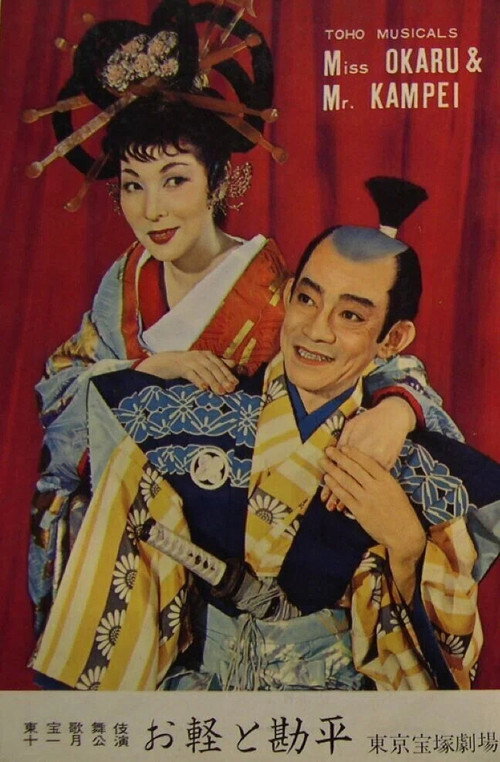 À l’étudeGrease Paint Serenade1952
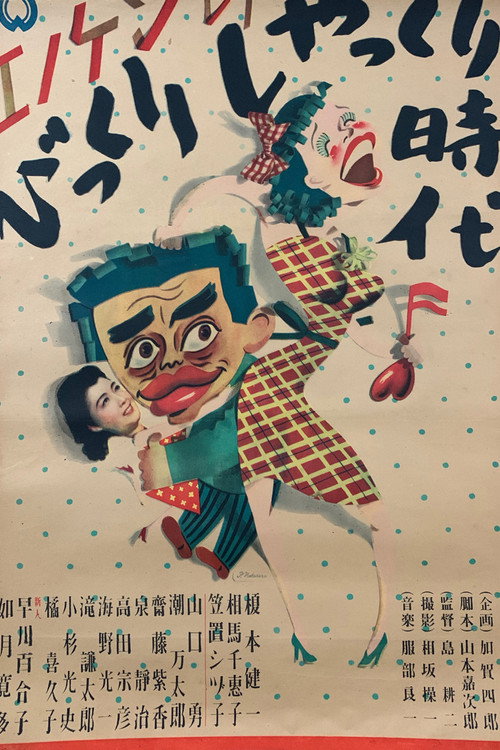 À l’étudeEnoken no bikkuri shakkuri jidai1948
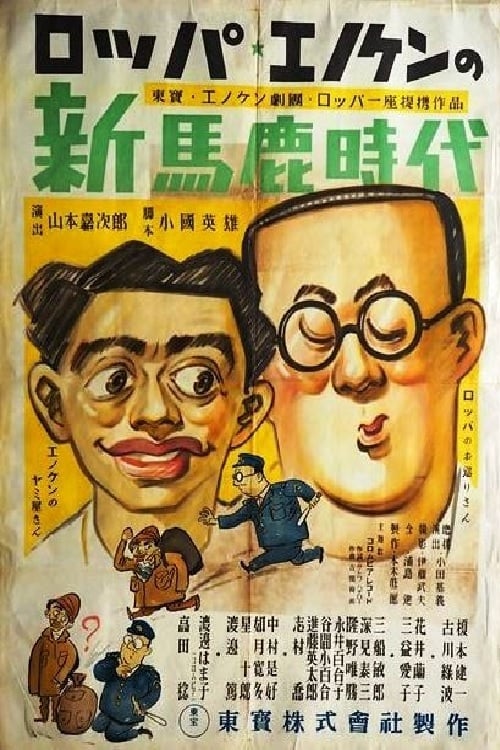 À l’étudeThese Foolish Times1947
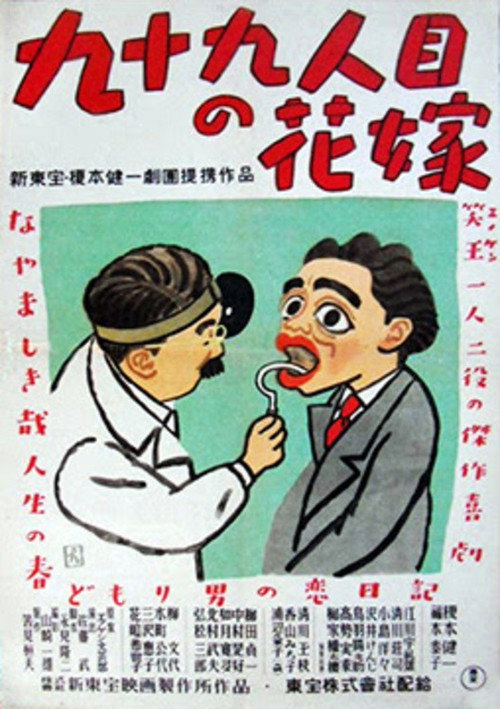 À l’étudeThe 99th Bride1947
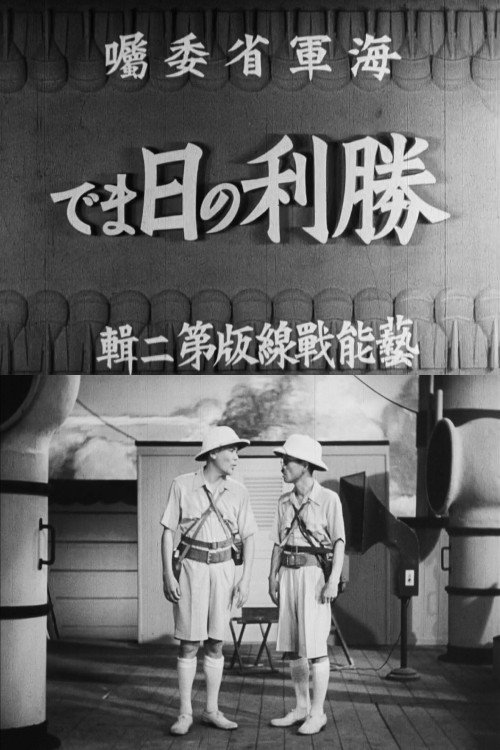 À l’étudeUntil Victory Day1945
 À l’étudeEnoken's Bow-Wow General1940
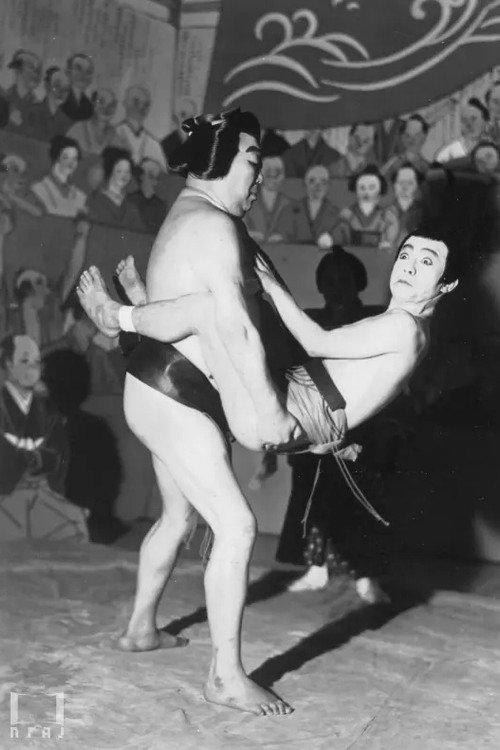 À l’étudeEnoken Enters the Ring1940
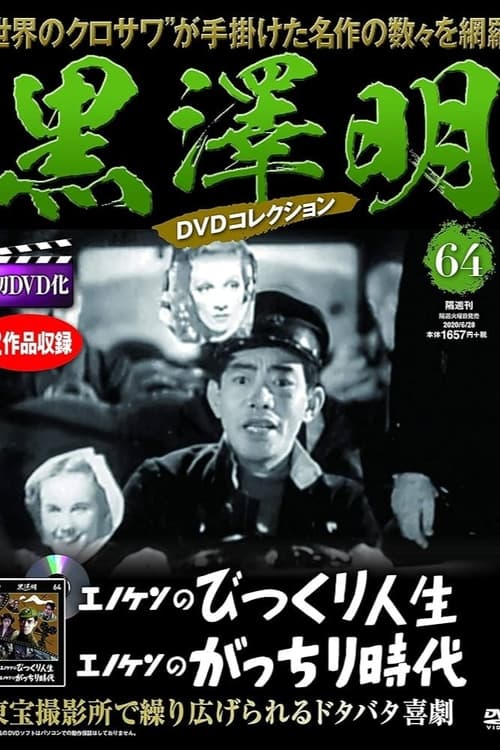 À l’étudeEnoken's Surprising Life1938