
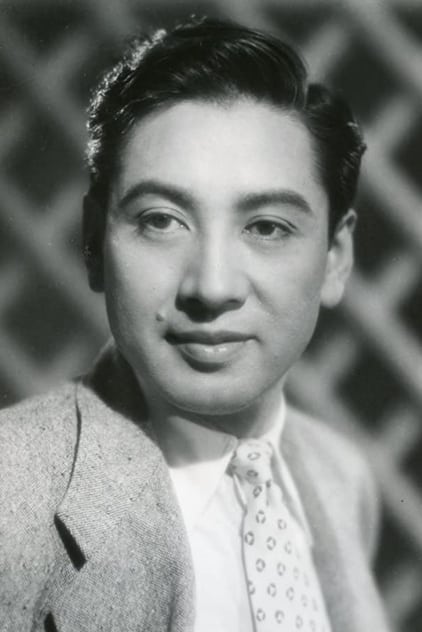
Kazuo Hasegawa
- Nacimiento
- 27 de febrero de 1908
- Fallecimiento
- 6 de abril de 1984
- Origen
- Kyoto, Kyoto, Japan
Kazuo Hasegawa was a Japanese film and stage actor. He appeared in over 300 films from 1927 to 1963.
Mostrar másMostrar menos
Born to a sake brewing family in Kyoto, he first appeared on stage at age five in a theater run by his family as a side business. In 1918, he became a student of Nakamura Ganjirō I and performed kabuki in the Kansai region. He joined the Shochiku studio in 1927 and made his film debut in Chigo no kenpō under the name Chōjirō Hayashi. His good looks and graceful fighting style made him a major jidaigeki star, and he appeared in more than 120 films for Shochiku in 11 years, with the best works being directed by Teinosuke Kinugasa. He moved to the Toho studio in 1937. On 11 November 1937, however, he was attacked by ruffians and his face slashed with razor blades. According to the historian Daisuke Miyao, "Even though there was no clear evidence, it was widely assumed that this violent incident was Shochiku's retaliatory measure against Hayashi's so-called betrayal." He recovered and changed his stage name to his real name, Kazuo Hasegawa. Hasegawa appeared in many successful films for Toho, including several "national-policy pictures with Chinese settings," such as Song of the White Orchid (1939) and China Night (1940), with co-star Ri Koran. He moved to Daiei Film in 1950 and continued appearing in the popular Zenigata Heiji series. He also appeared in many classic films including Kozaburo Yoshimura's The Tale of Genji (1951), Kinugasa's Gate of Hell (1953), and Kenji Mizoguchi's The Crucified Lovers (1954). He was appointed to Daiei's board of directors in 1957. To celebrate his 300th film, Hasegawa appeared in a new version of Yukinojō henge (known abroad as An Actor's Revenge) in 1963, directed by Kon Ichikawa. He left Daiei that year and continued to appear on stage and television, including starring in the second NHK Taiga drama Akō Rōshi in 1964. He also directed the Takarazuka Revue version of The Rose of Versailles in 1974.
Biografía tomada de TMDB
Actuación 76
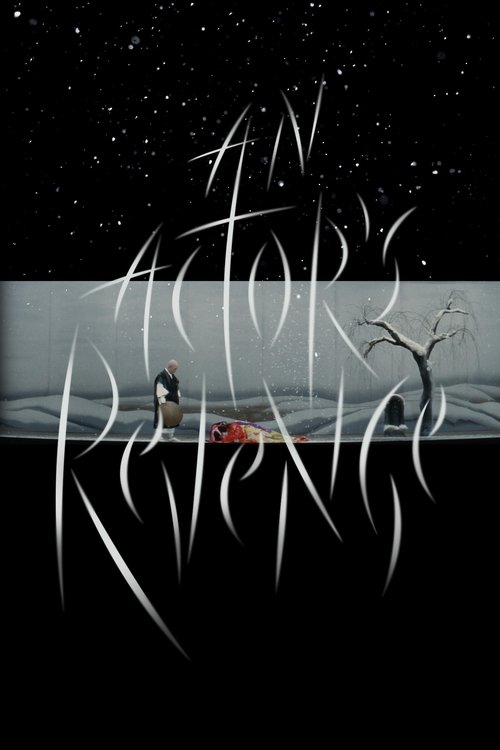 AprendiendoLa venganza de un actor1963
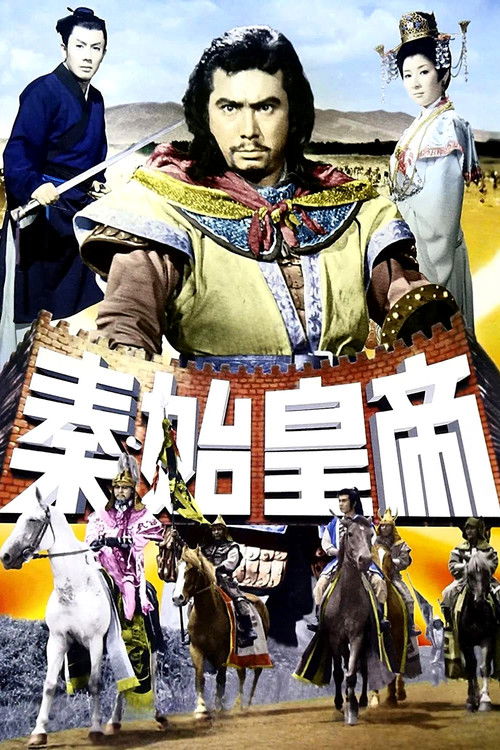 AprendiendoLa gran muralla1962
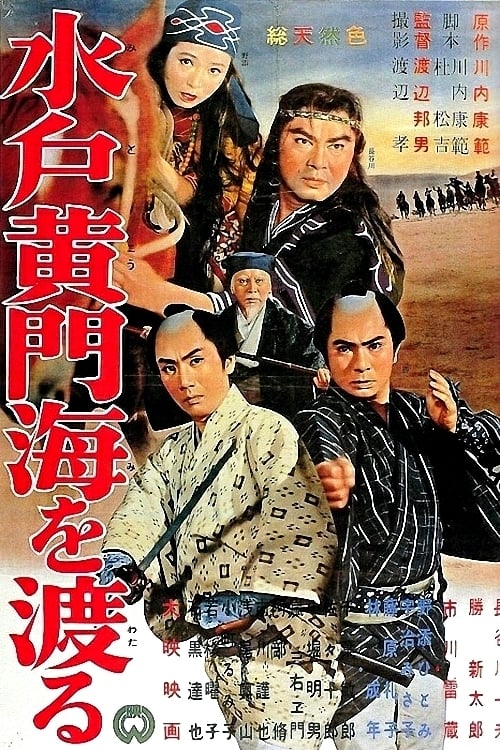 AprendiendoMito Komon’s Journey to Ezo1961
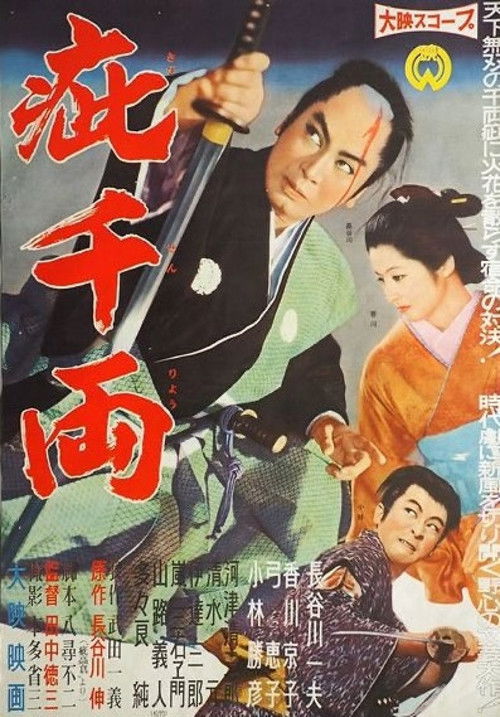 AprendiendoScars of Honor1960
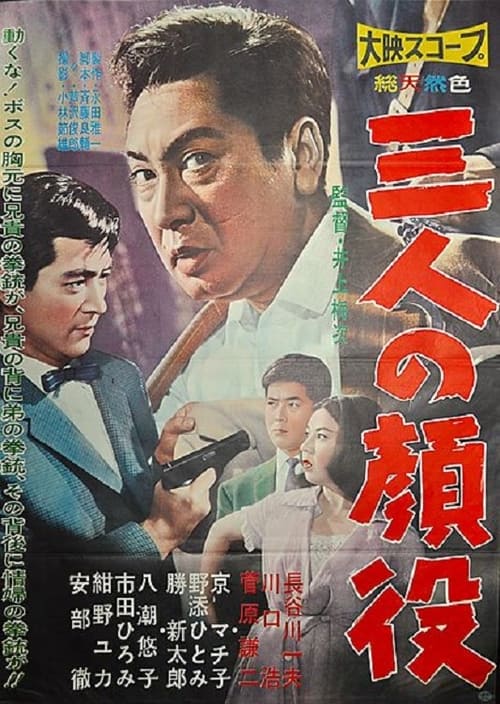 AprendiendoThe Last Betrayal1960
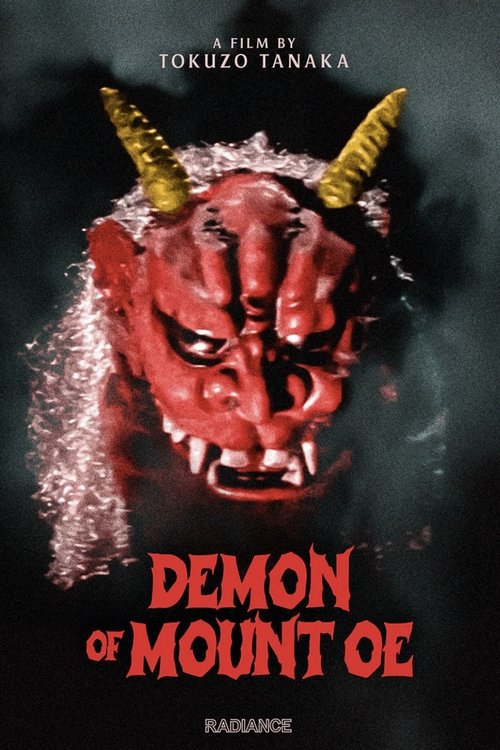 The Demon of Mount Oe1960
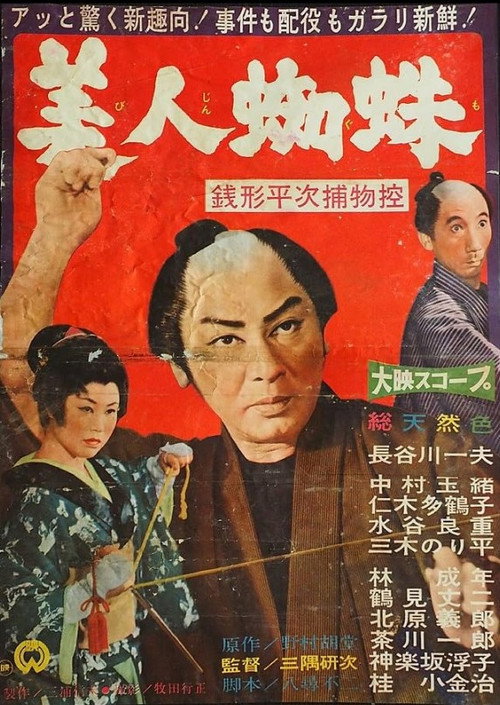 AprendiendoThe Casebooks of Heiji Zenigata: Beautiful Spider1960
 AprendiendoThe Two Musashis1960
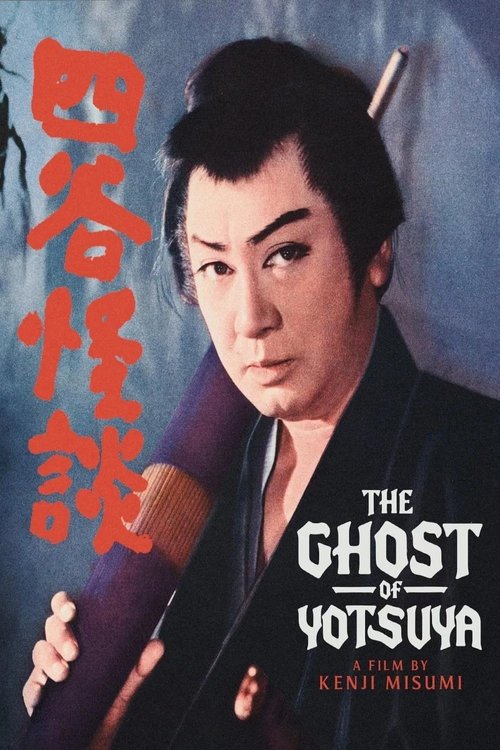 AprendiendoThe Ghost of Yotsuya1959
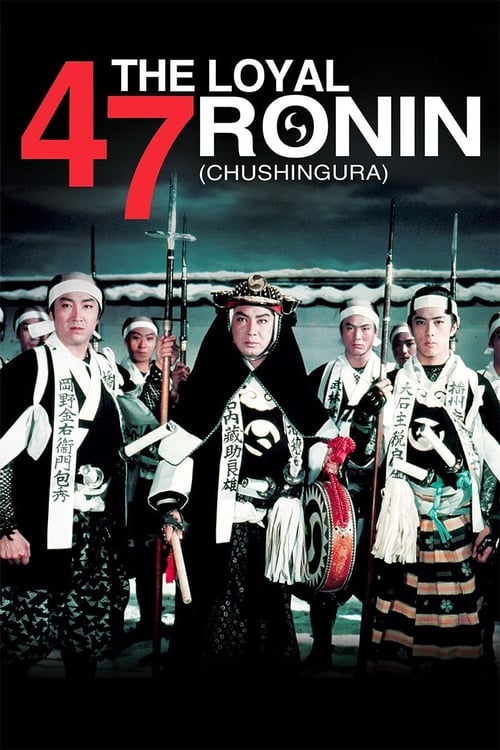 AprendiendoChûshingura1958
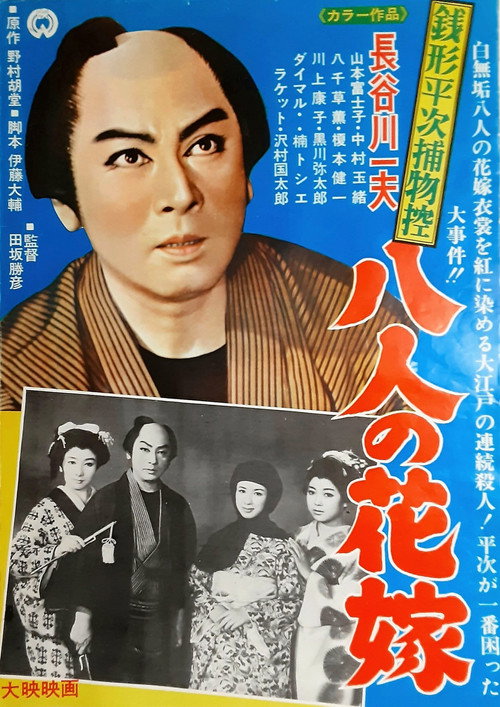 AprendiendoZenigata Heiji torimono hikae: hachi-nin no hanayome1958
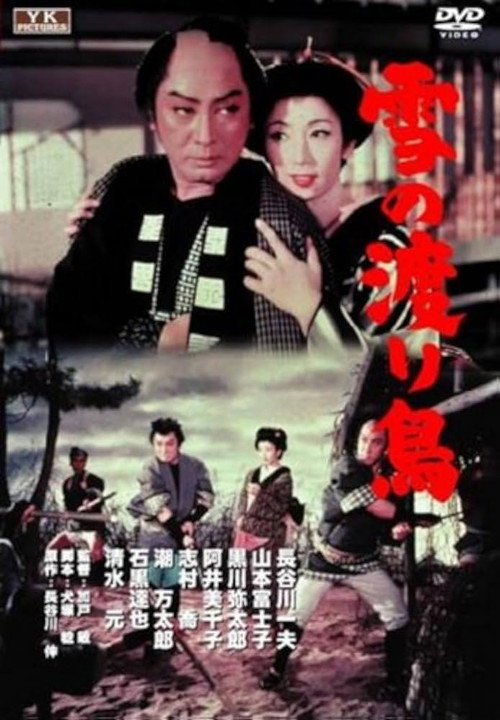 AprendiendoYuki no wataridori1957
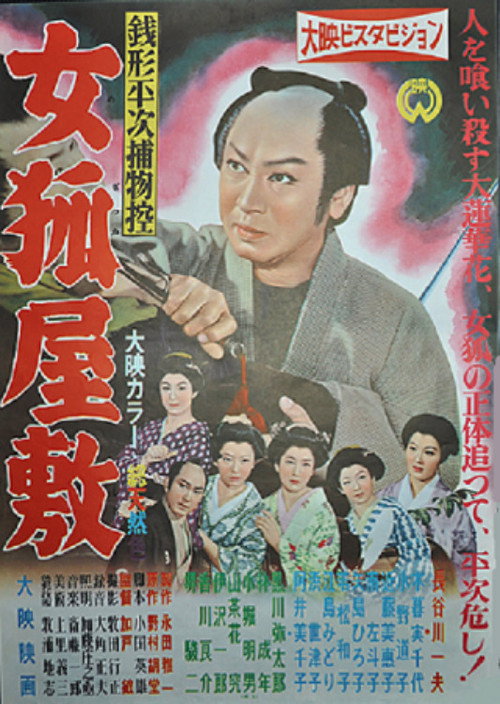 AprendiendoZenigata Heiji torimono hikae: Onna kitsune yashiki1957
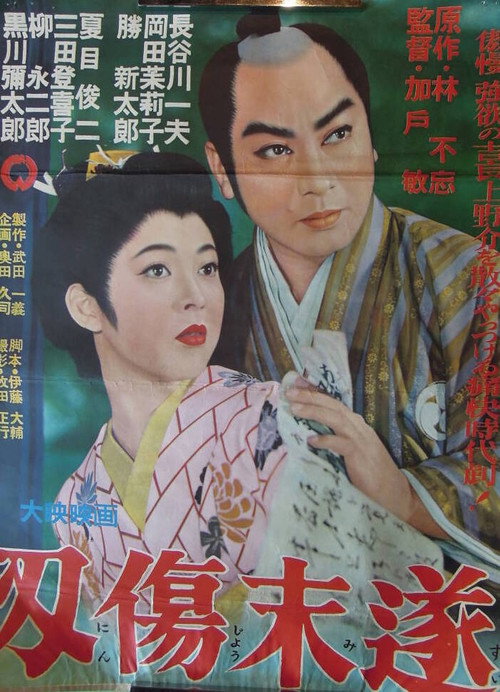 AprendiendoNinjō misui1957
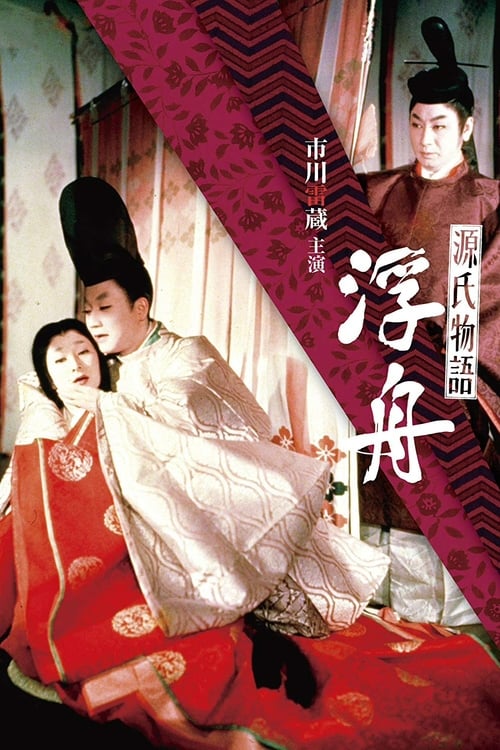 AprendiendoFloating Vessel1957
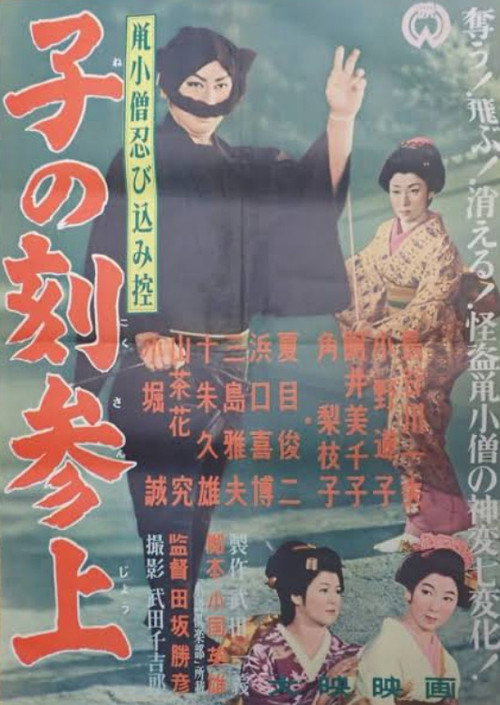 AprendiendoNezumi Kozō shinobi komi hikae: Ne no koku sanjō1957
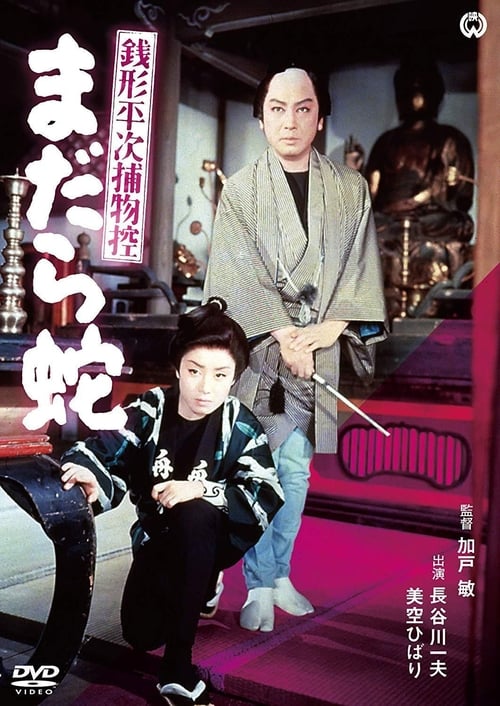 AprendiendoCase Files of Zenigata Heiji: The Cursed Coin1957
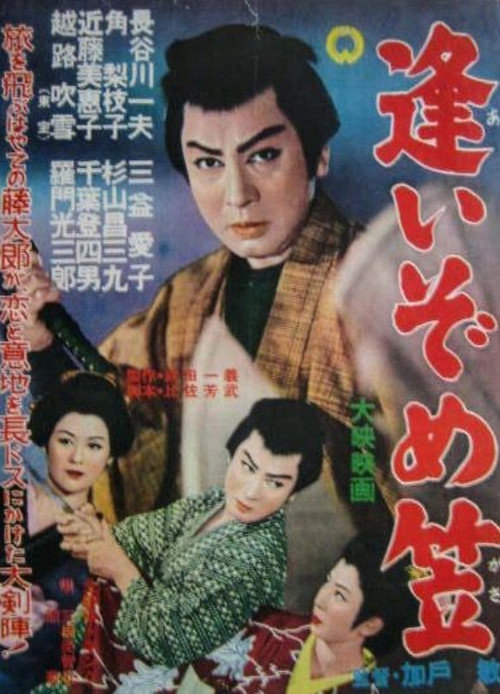 AprendiendoAizome gasa1956
- Case Files of Zenigata Heiji: The Human-Skin SpiderAprendiendoCase Files of Zenigata Heiji: The Human-Skin Spider1956
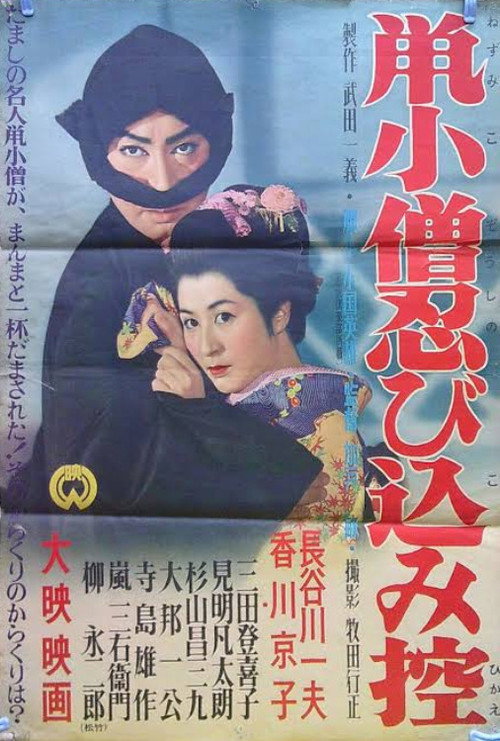 AprendiendoNezumi Kozō shinobi komi hikae1956
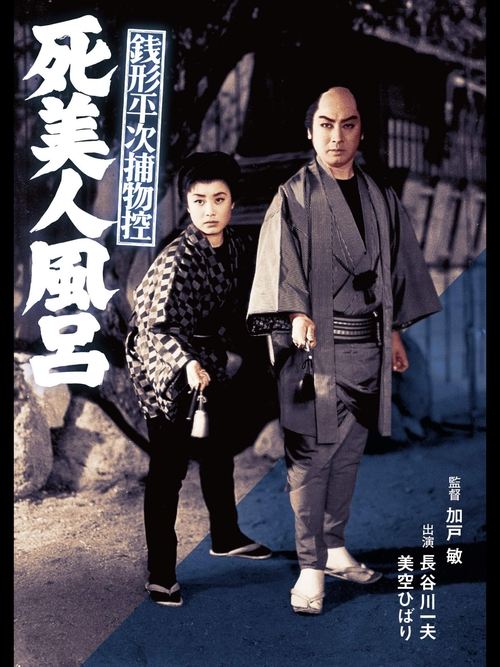 AprendiendoCase Files of Zenigata Heiji: The Dead Beauty in the Bathhouse1956
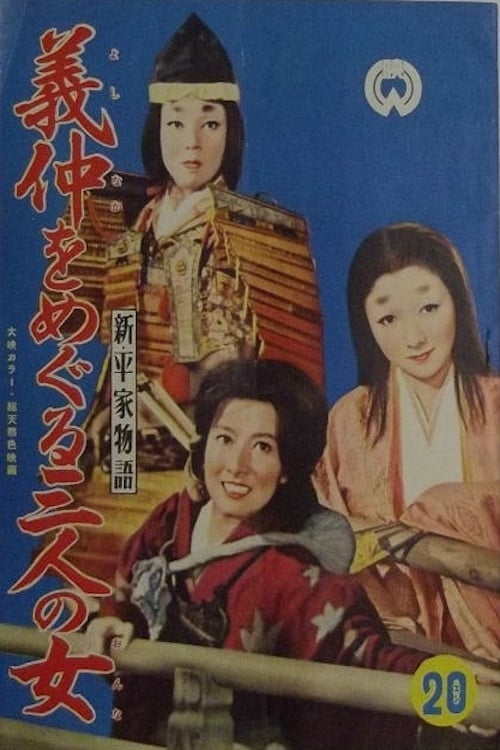 AprendiendoThree Women Around Yoshinaka1956
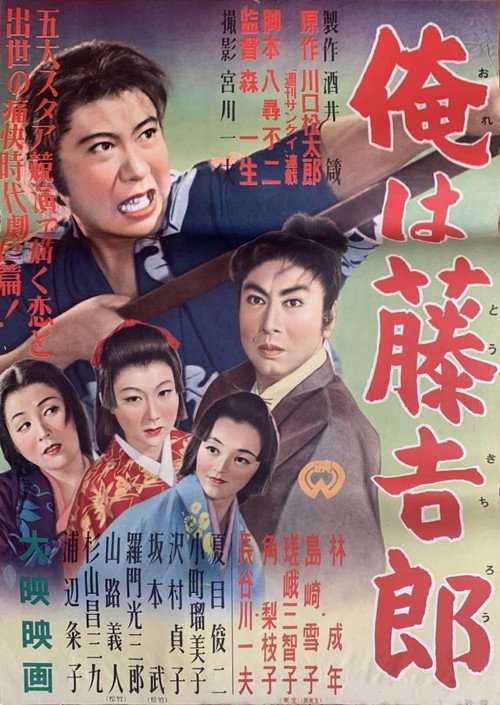 AprendiendoI Was Tokichiro1955
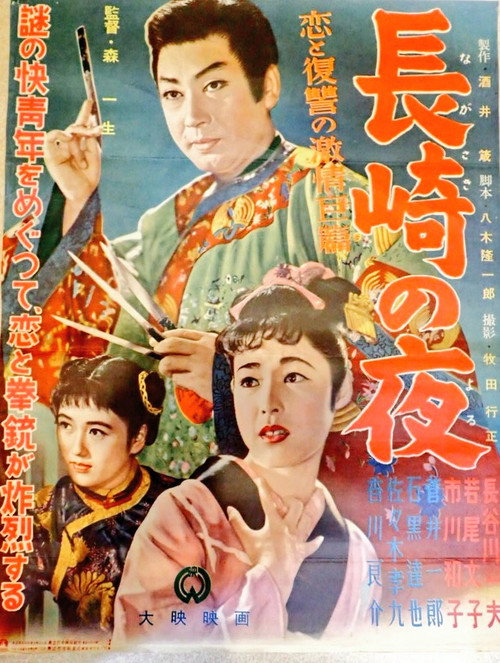 AprendiendoNagasaki no yoru1955
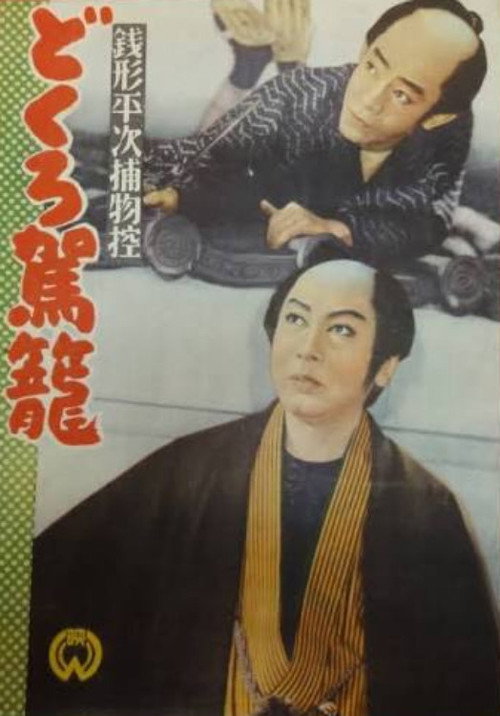 AprendiendoZenigata heiji torimono hikae: Dokuro kago1955
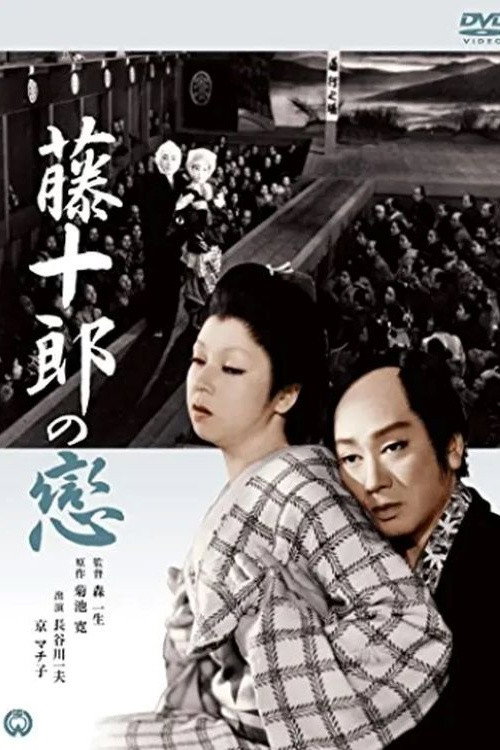 AprendiendoTôjûrô no koi1955
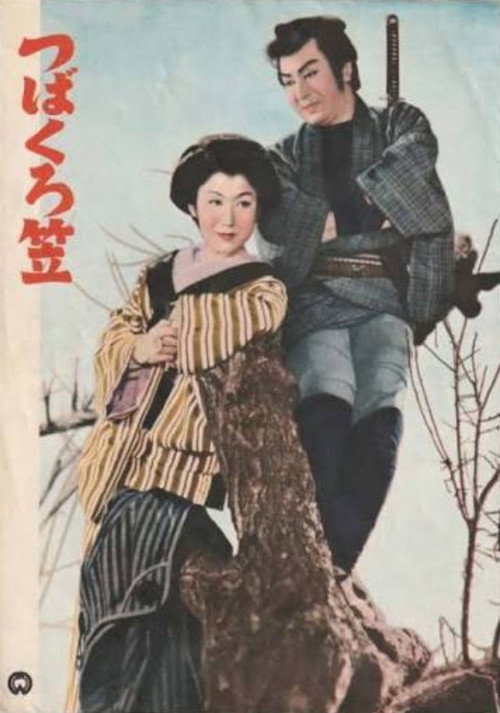 AprendiendoTsubakuro kasa1955
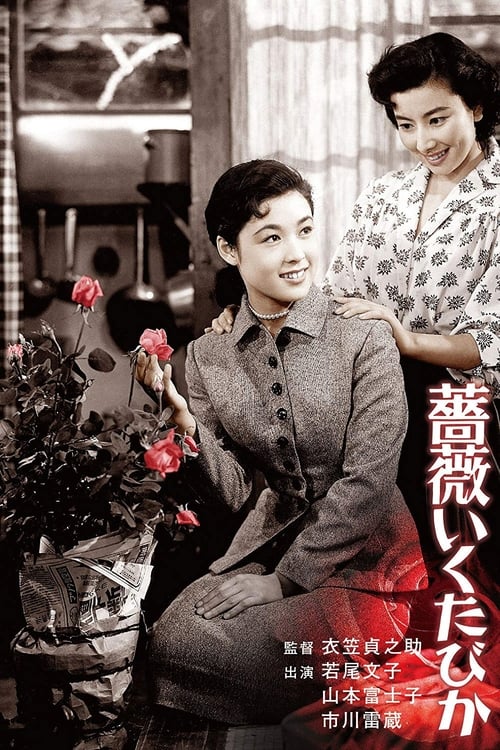 AprendiendoA Girl Isn't Allowed to Love1955
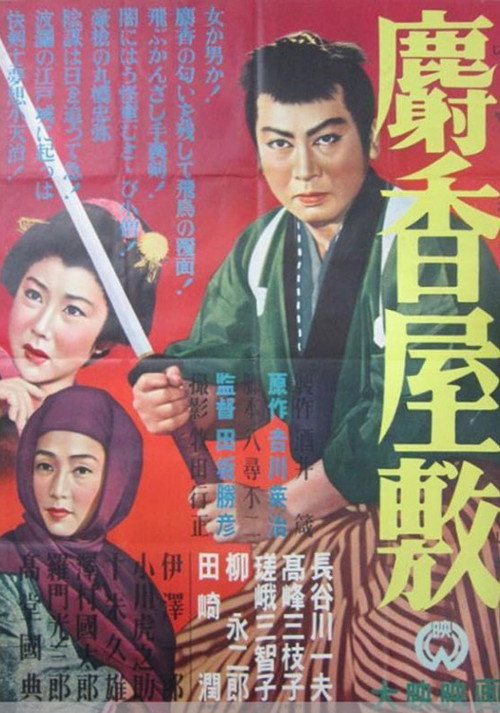 AprendiendoJakō yashiki1955
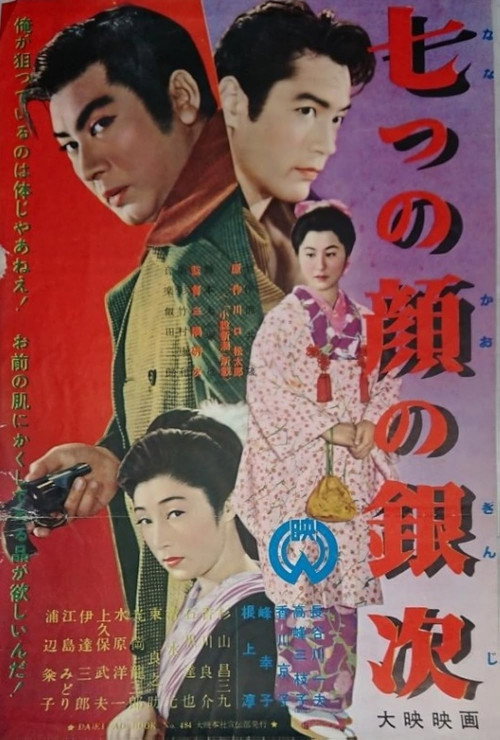 AprendiendoGinji of the Seven Faces1955
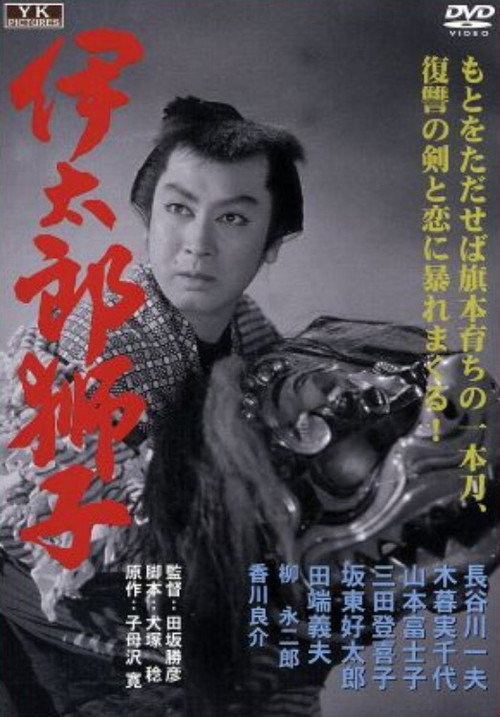 AprendiendoItarō jishi1955
 AprendiendoLos amantes crucificados1954
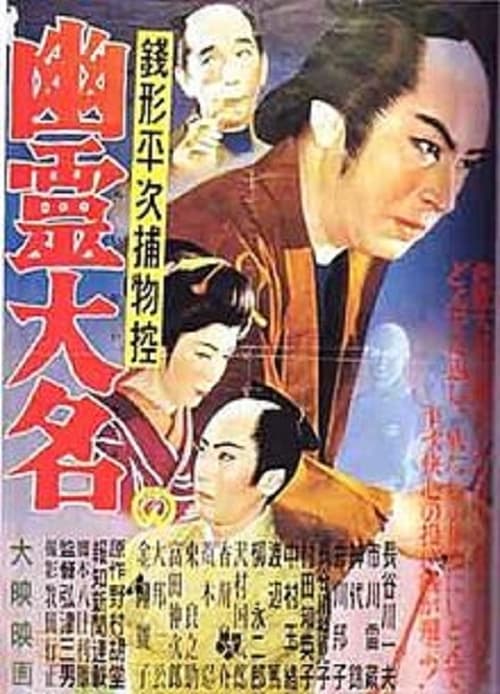 AprendiendoCase Files of Zenigata Heiji: Ghost Lord1954
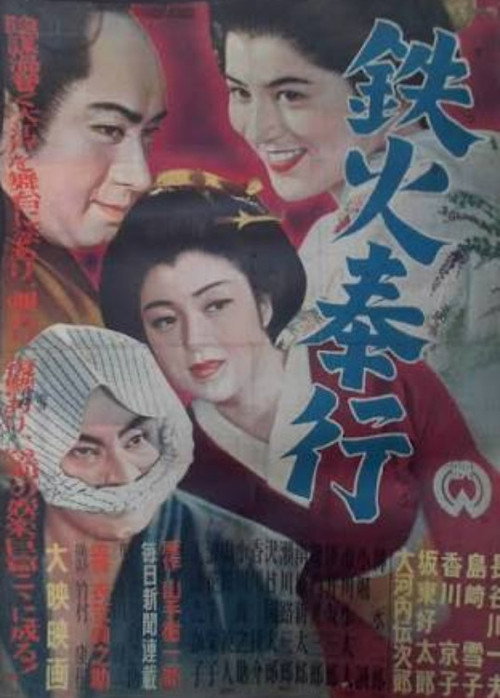 AprendiendoTekka bugyō1954
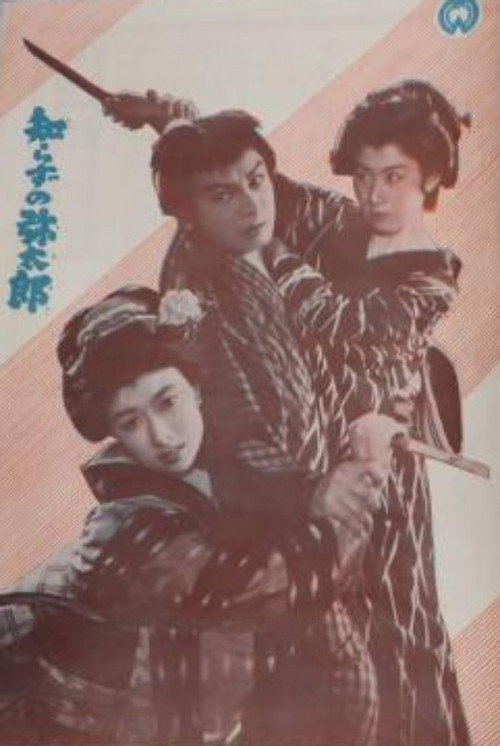 AprendiendoShirazu no Yatarō1954
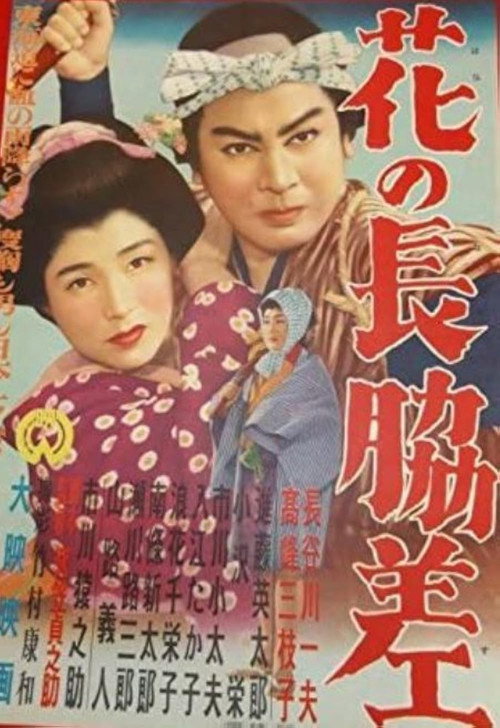 AprendiendoHana no nagadosu1954
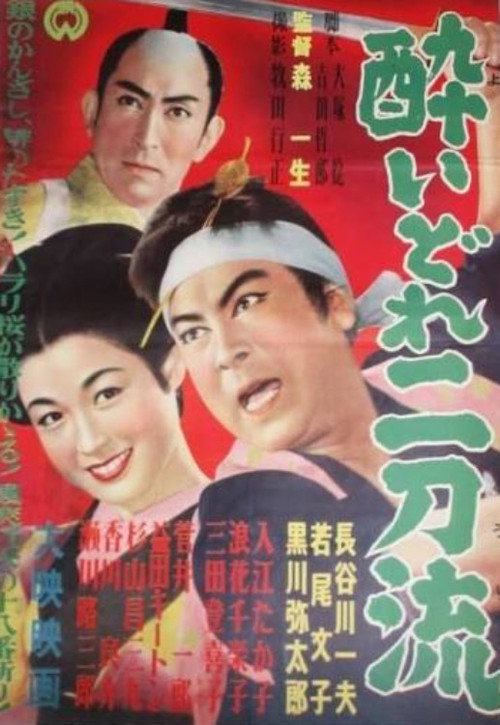 AprendiendoYoidore nitōryū1954
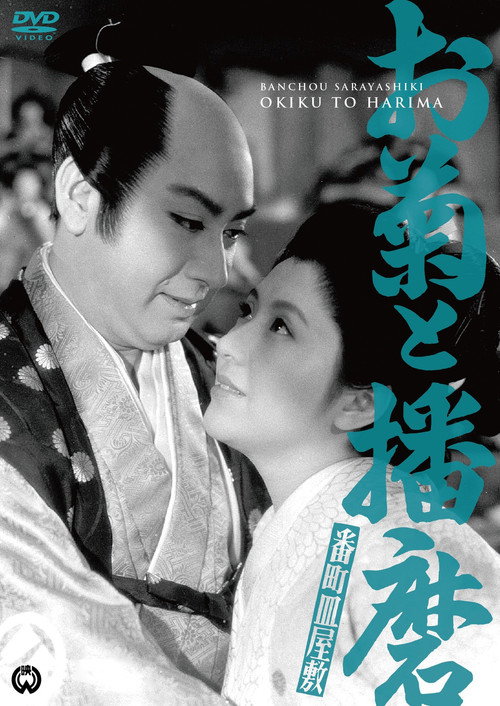 AprendiendoA Samurai's Love1954
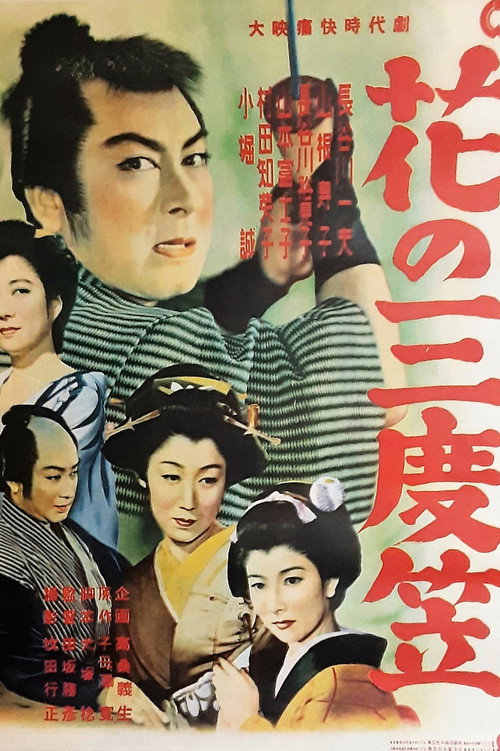 AprendiendoHana no sando gasa1954
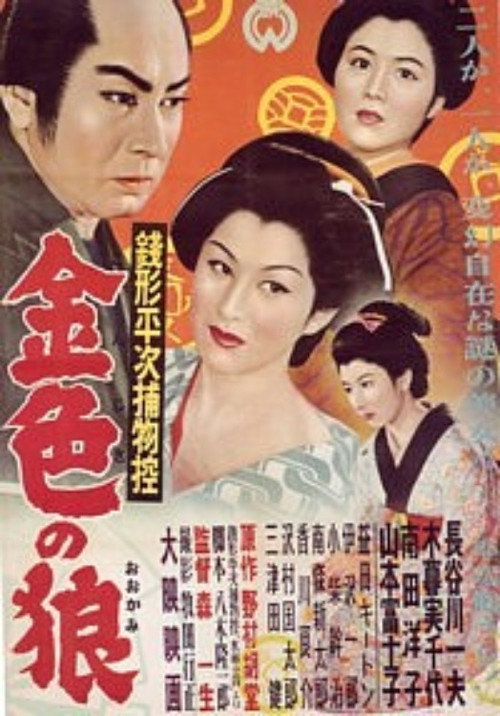 AprendiendoZenigata heiji torimono hikae: Kiniro no ōkami1953
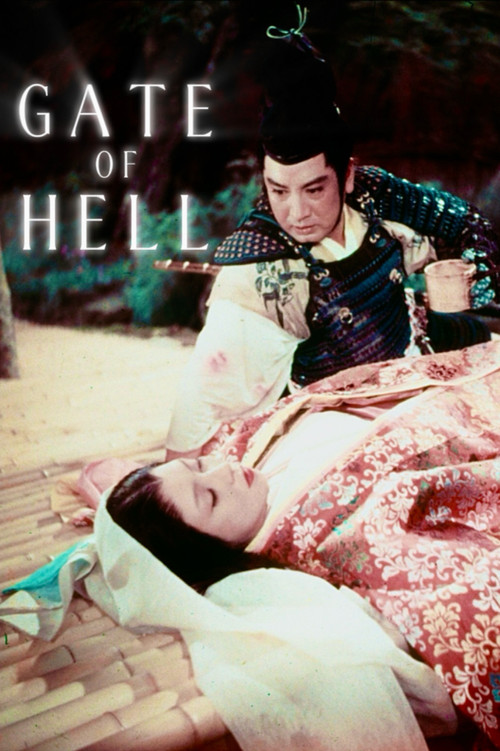 AprendiendoLa puerta del infierno1953
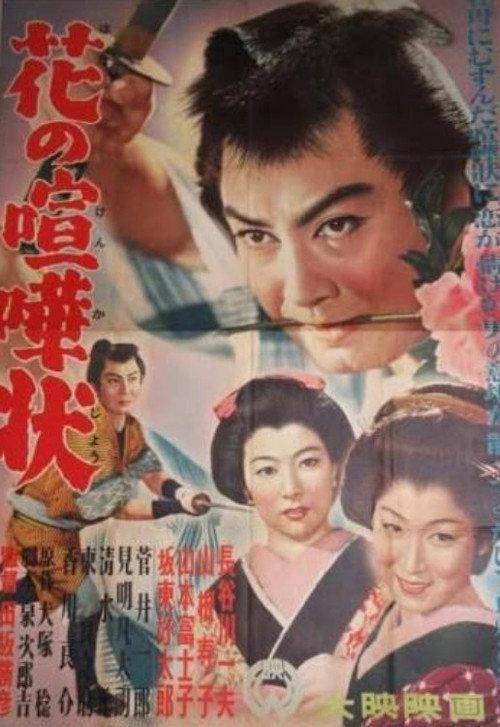 AprendiendoHana no kenkajō1953
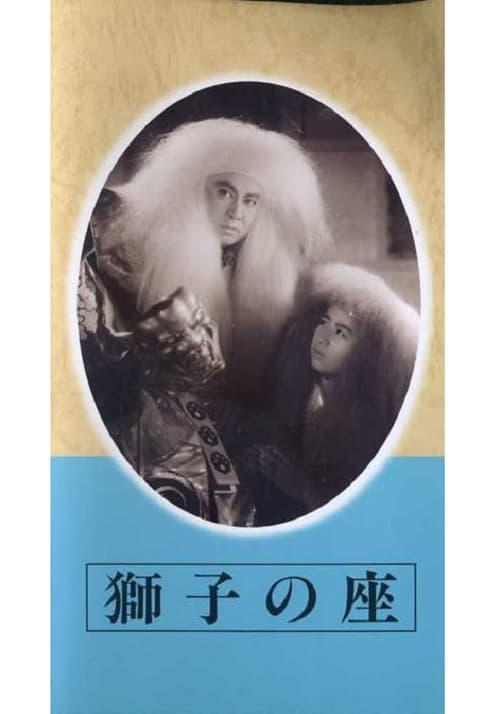 AprendiendoAn Heir's Place1953
- Coming Up of KodokanAprendiendoComing Up of Kodokan1953
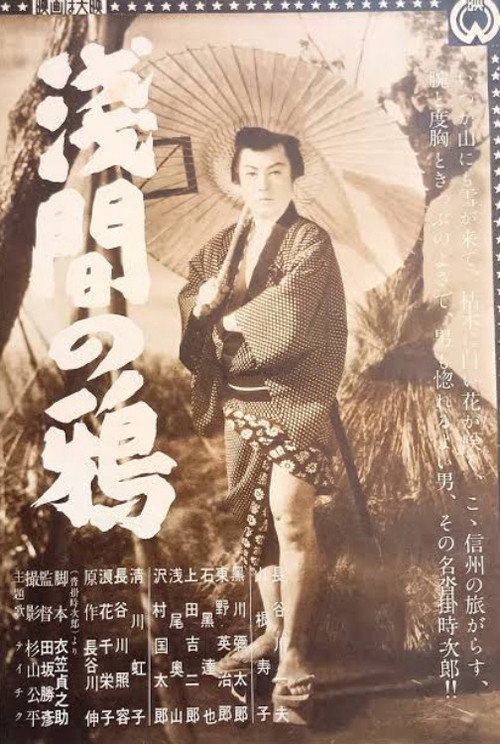 AprendiendoAsama no karasu1953
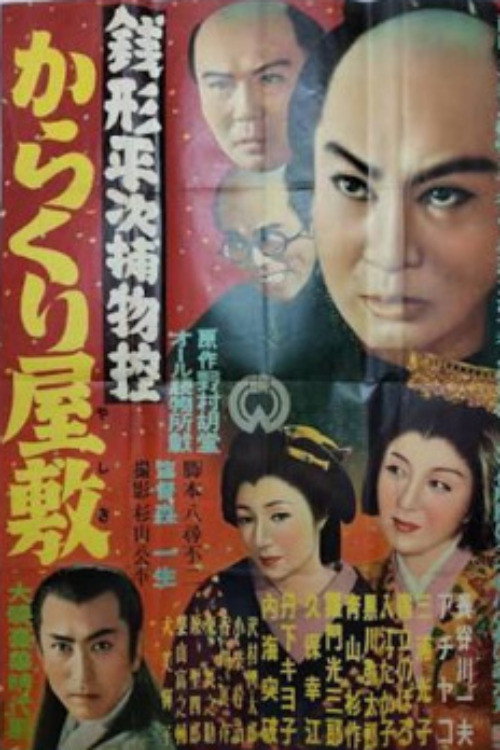 AprendiendoZenigata heiji torimono hikae: Karakuri yashiki1953
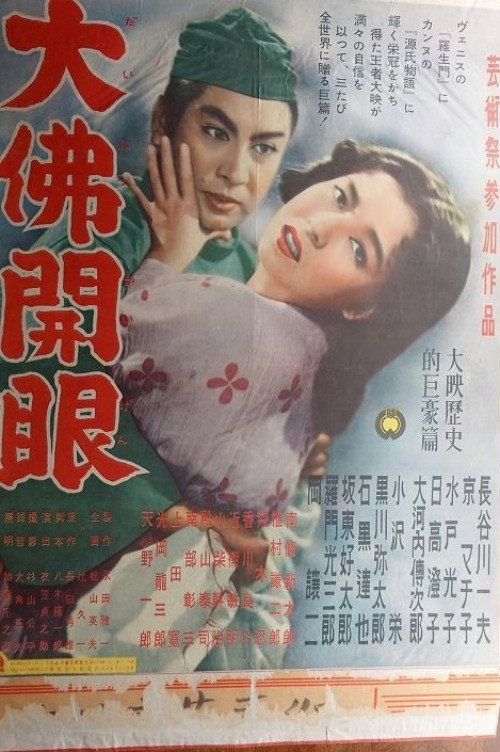 AprendiendoDedication of the Great Buddha1952
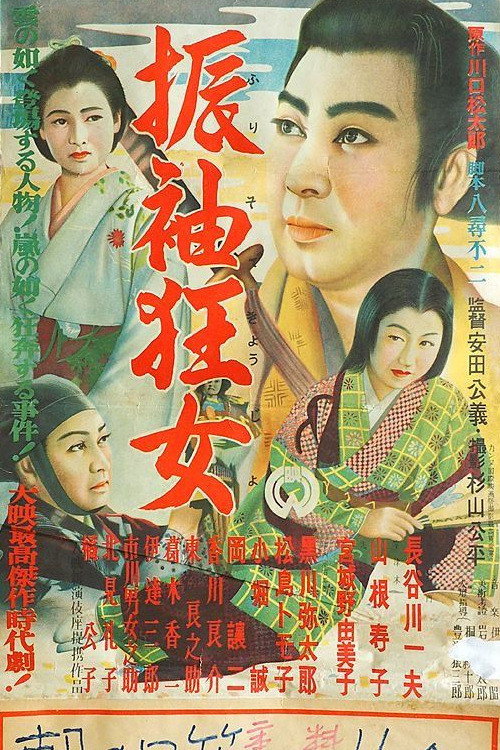 AprendiendoFurisode kyōjo1952
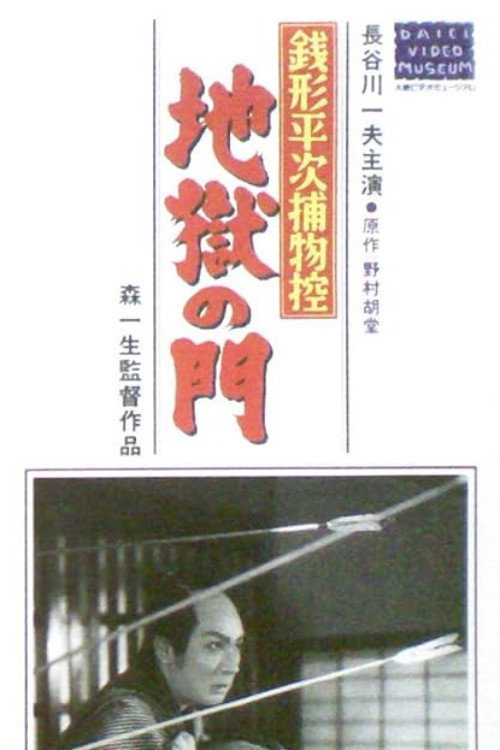 AprendiendoZenigata heiji torimono hikae: Jigoku no mon1952
 AprendiendoZoku Shurajō Hibun: Hiryū no Maki1952
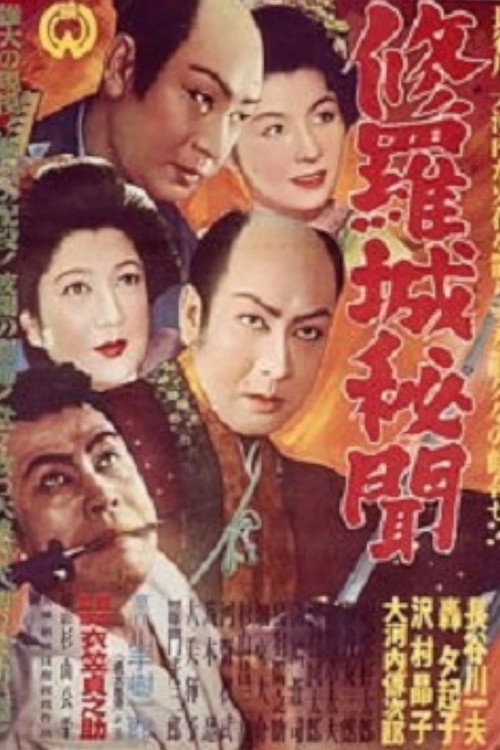 AprendiendoCastle of Carnage1952
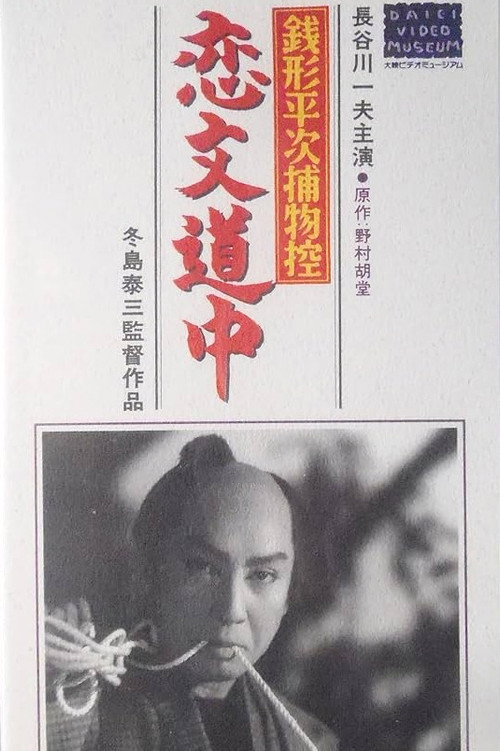 AprendiendoZenigata heiji torimono hikae: Koibumi dōchū1951
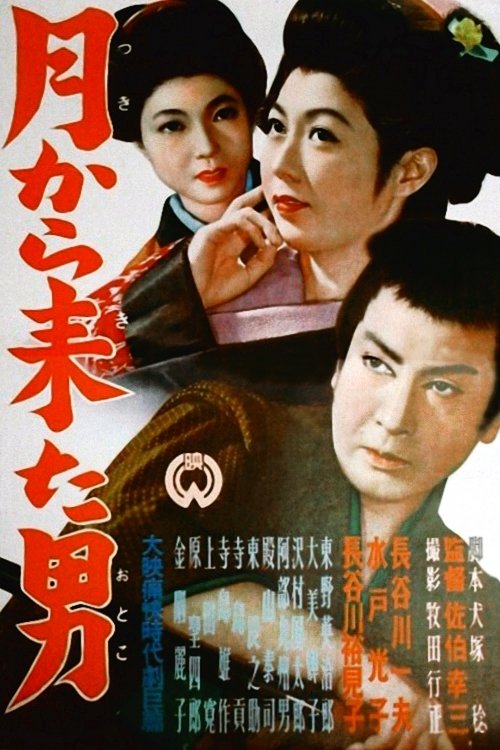 AprendiendoThe Man from the Moon1951
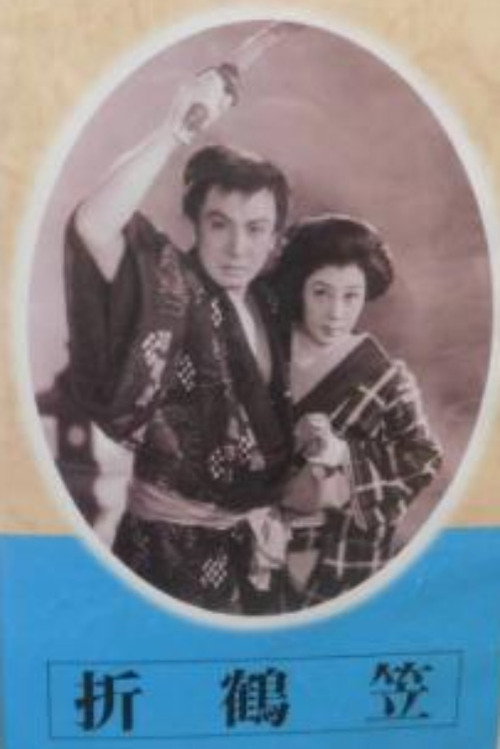 AprendiendoOrizuru kasa1951
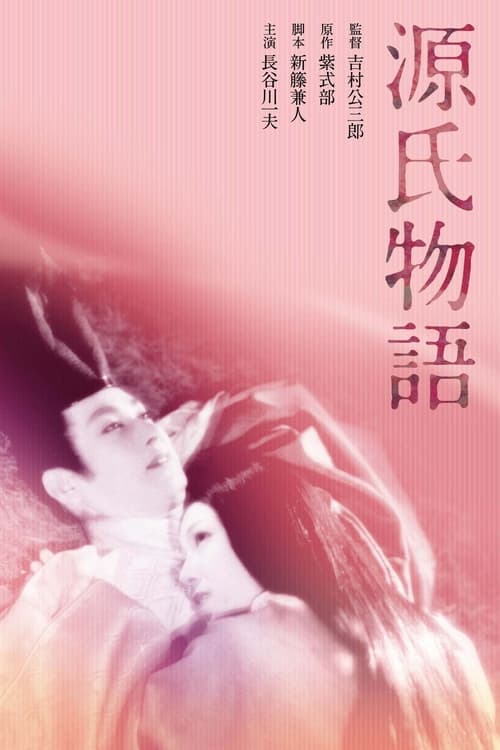 AprendiendoThe Tale of Genji1951
- Zenigata HeijiAprendiendoZenigata Heiji1951
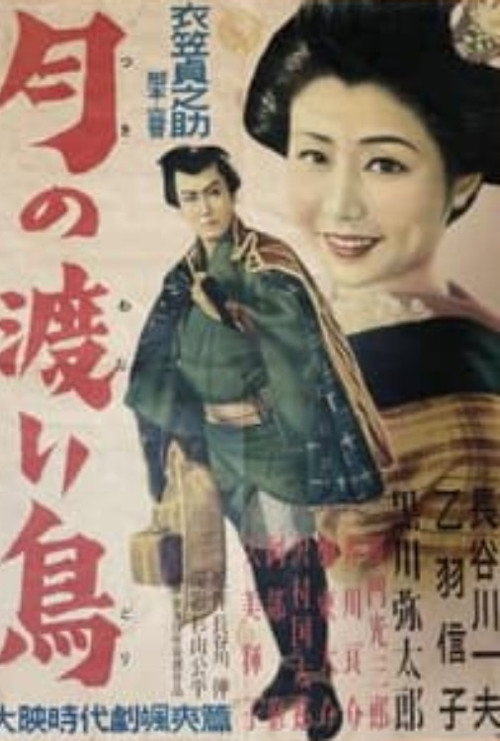 AprendiendoTsuki no wataridori1951
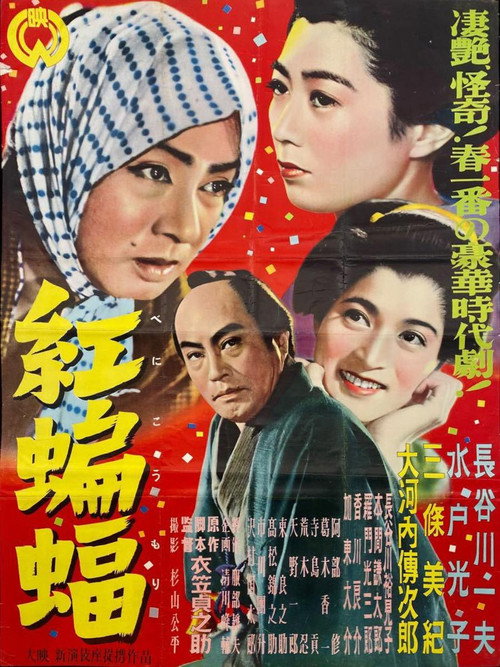 AprendiendoThe Scarlet Bat1950
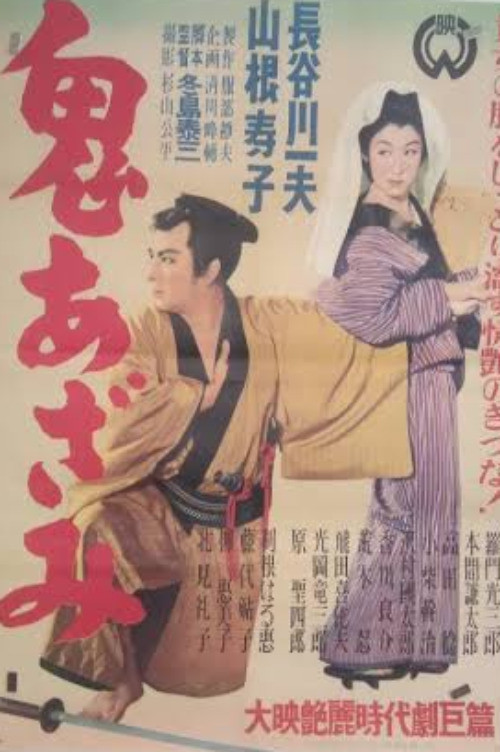 AprendiendoOni azami1950
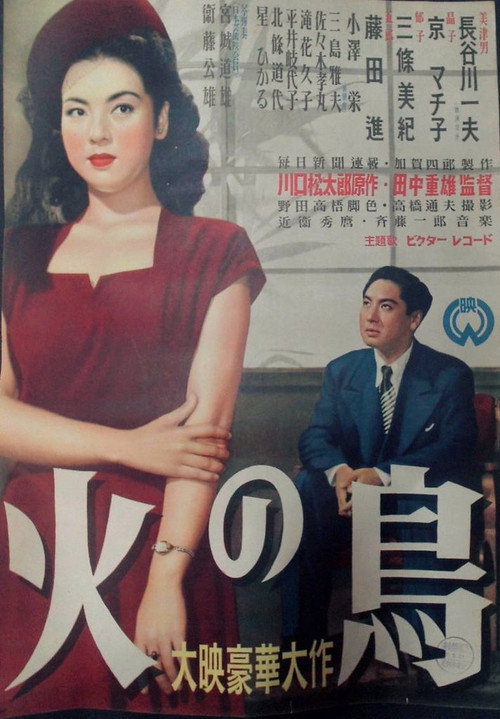 AprendiendoPhoenix1950
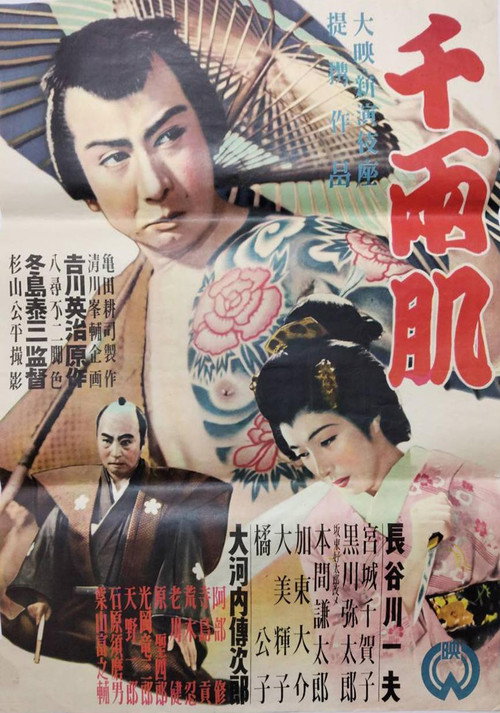 AprendiendoSenryō hada1950
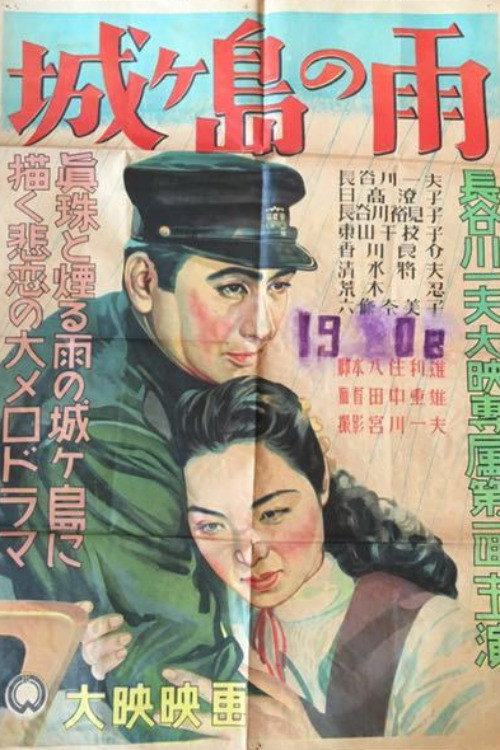 AprendiendoRain on Jogashima1950
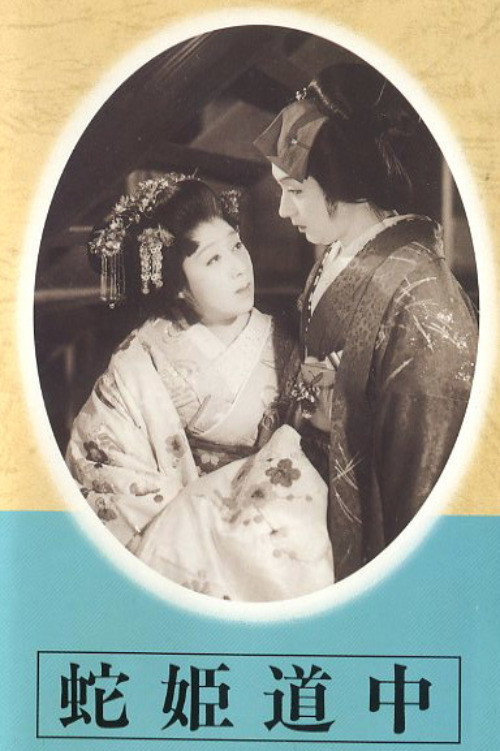 AprendiendoHebi hime dōchū1949
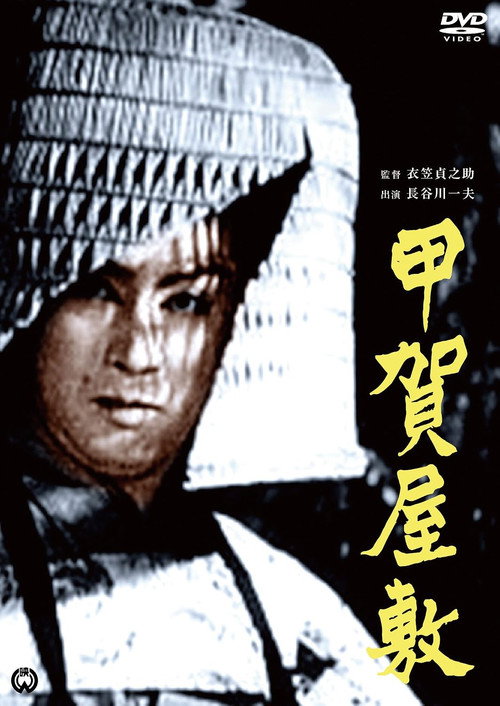 AprendiendoKoga Manshion1949
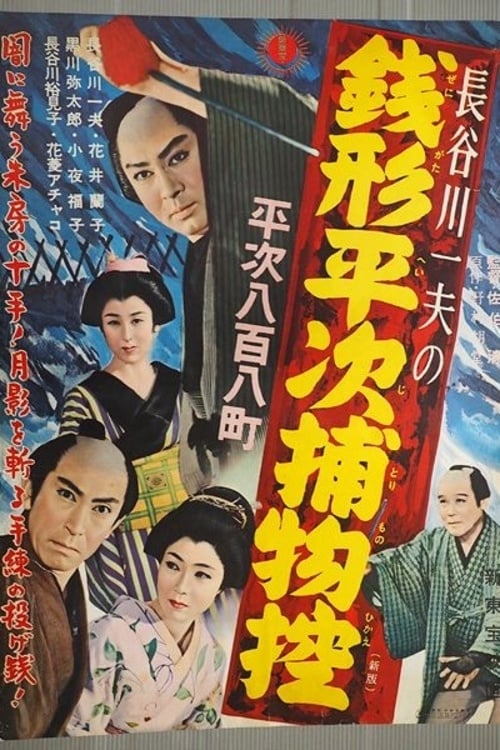 AprendiendoCase Files of Zenigata Heiji: Heiji Covers All of Edo1949
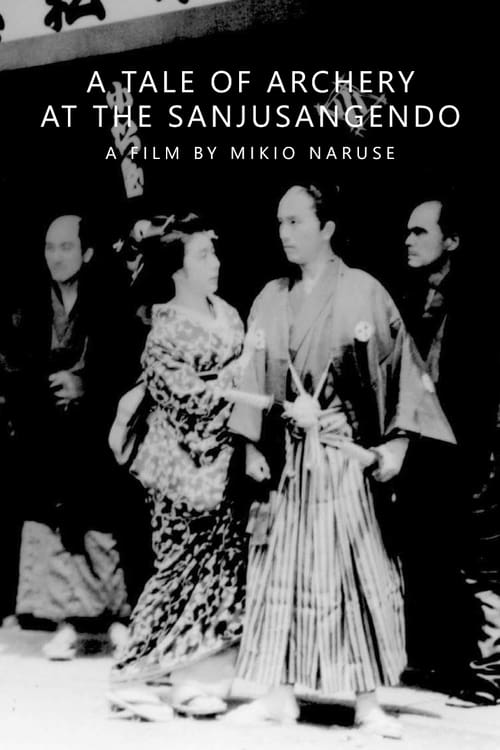 AprendiendoA Tale of Archery at the Sanjusangendo1945
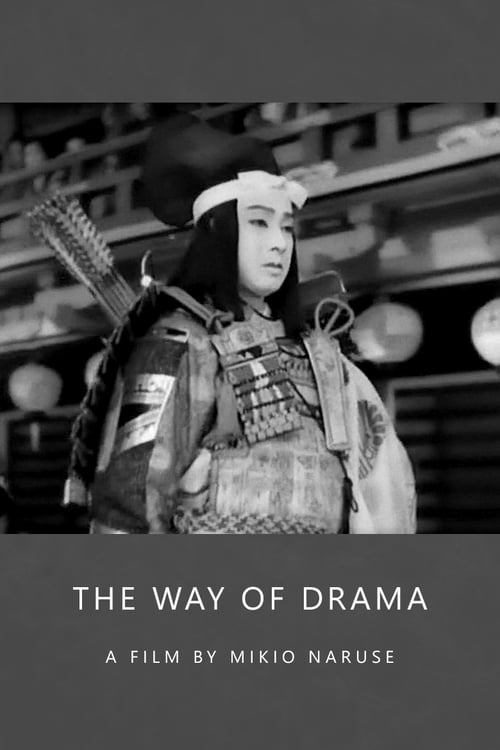 AprendiendoThe Way of Drama1944
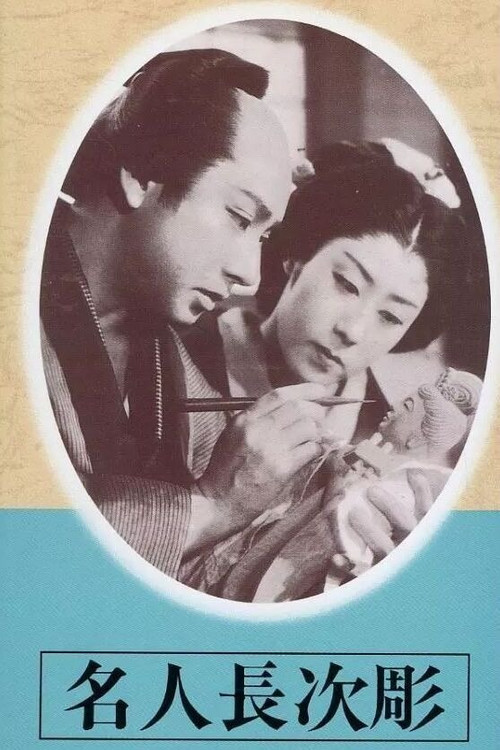 AprendiendoThe Sculpture of Master Choji1943
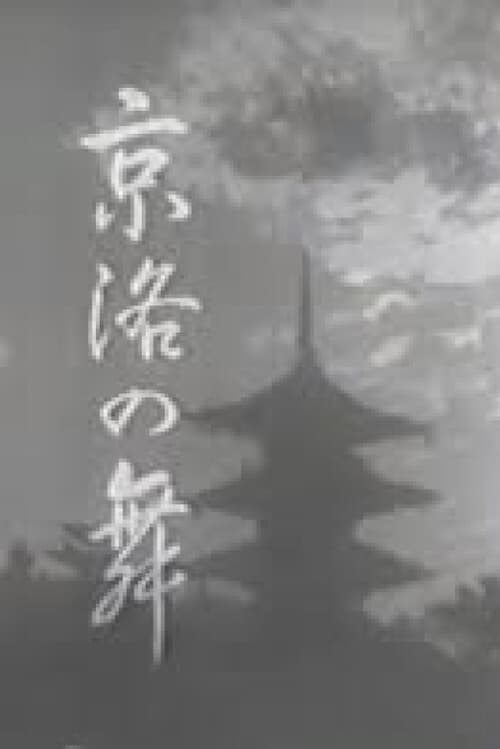 AprendiendoDance of the Capital1942
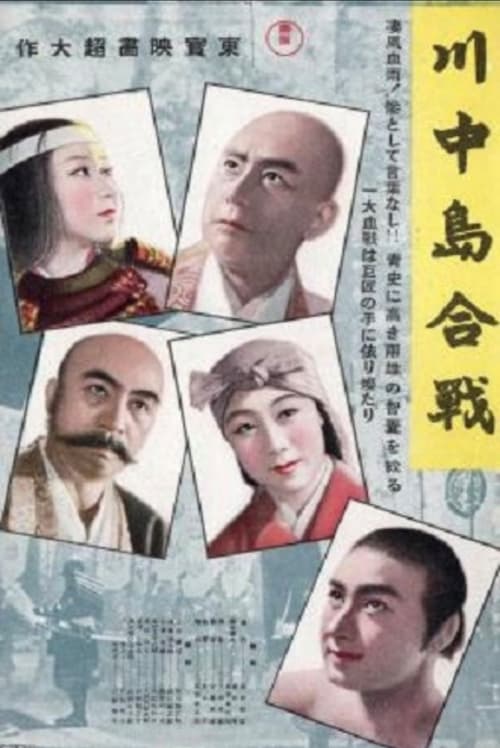 AprendiendoThe Battle of Kawanakajima1941
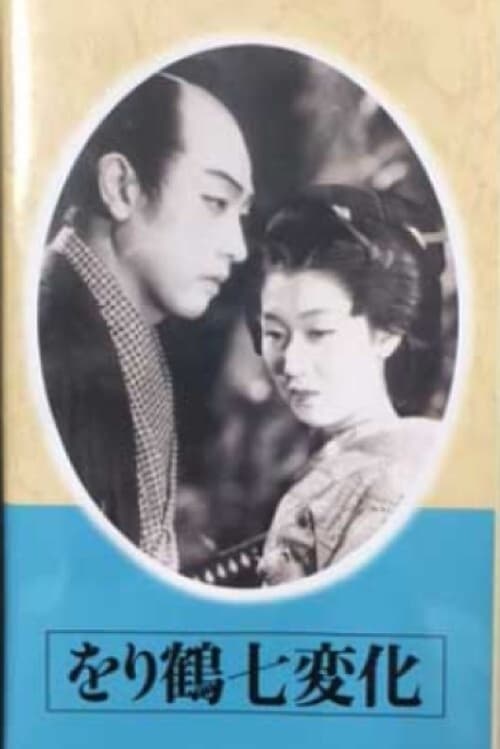 AprendiendoThe Seven Changes of a Paper Crane (Part 2)1941
- AprendiendoThe Seven Changes of a Paper Crane (Part 1)1941
- Song of the White OrchidAprendiendoSong of the White Orchid1939
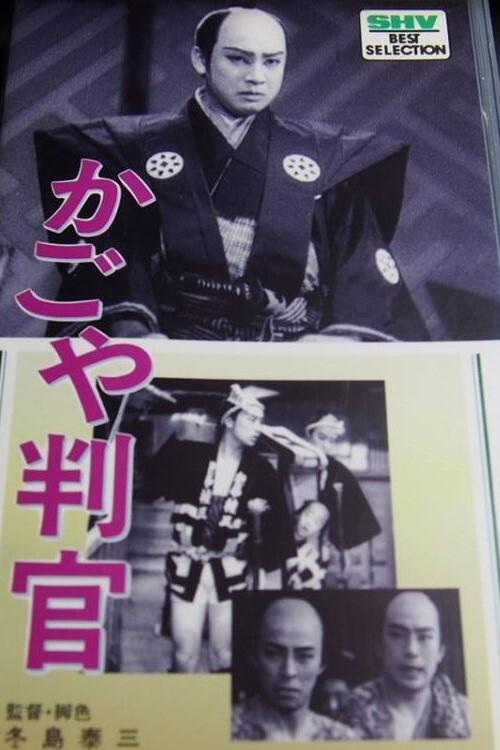 AprendiendoThe Palanquin Carrier Magistrate1935
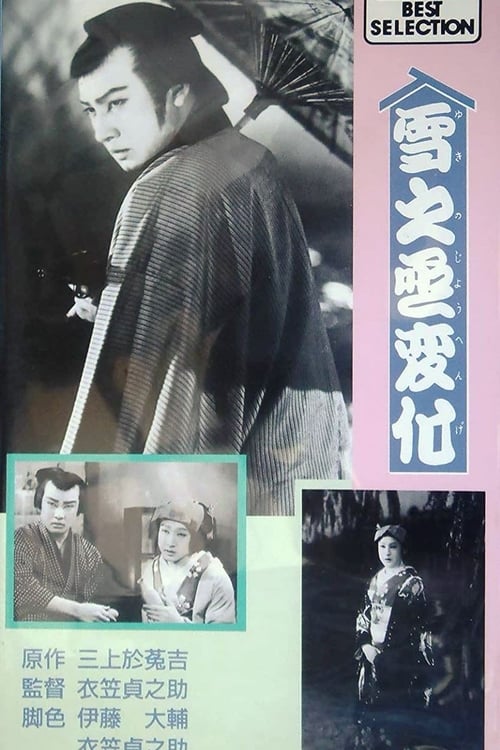 AprendiendoAn Actor's Revenge1935
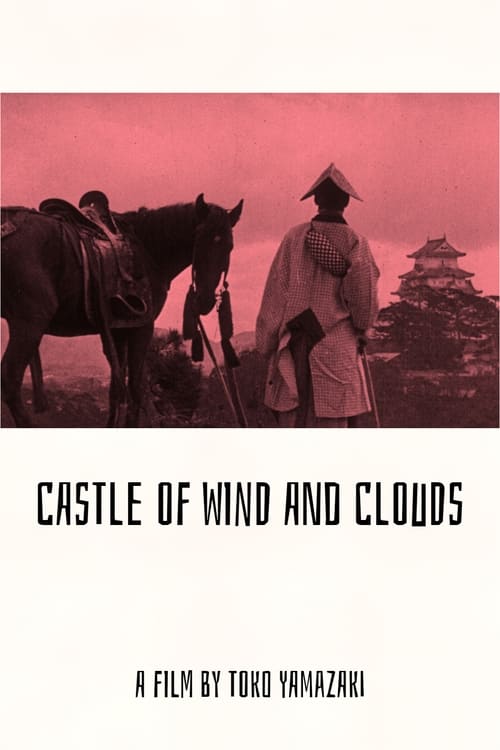 AprendiendoCastle of Wind and Clouds1928