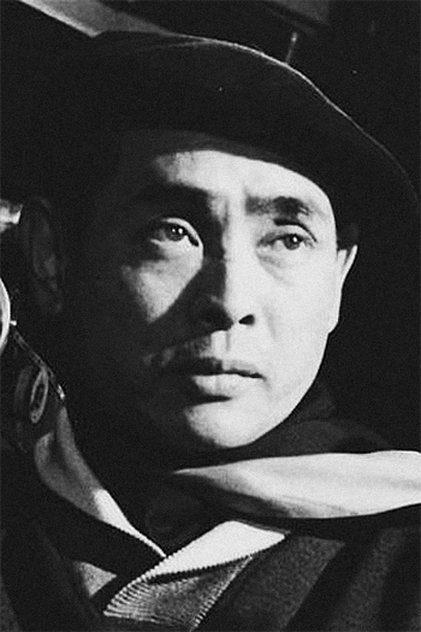
Keisuke Kinoshita
- Nacimiento
- 5 de diciembre de 1912
- Fallecimiento
- 30 de diciembre de 1998
- Origen
- Shizuoka, Japan
Keisuke Kinoshita (木下 惠介, Kinoshita Keisuke, December 5, 1912 – December 30, 1998) was a Japanese film director.
Mostrar másMostrar menos
Hugely popular in his home country of Japan, Keisuke Kinoshita worked tirelessly as a director for nearly half a century, making lyrical, sentimental films that often center on the inherent goodness of people, especially in times of distress. He began his directing career during a most challenging time for Japanese cinema: World War II, when the industry’s output was closely monitored by the state and often had to be purely propagandistic. He refused to be bound by genre, technique, or dogma. Kinoshita excelled in almost every genre: comedy, tragedy, social dramas, period films. He shot all films on location or in a one-house set. He pursued severe photographic realism with the long take, long-shot method, and went equally far toward stylization with fast cutting, intricate wipes, tilted cameras, and even classical scroll-painting and Kabuki stage technique.
Kinoshita was highly prolific, turning out some 42 films in the first 23 years of his career. For this, Kinoshita explained that he "can’t help it. Ideas for films have always just popped into my head like scraps of paper into a wastebasket." While lesser-known internationally than contemporaries such as Akira Kurosawa, Kenji Mizoguchi and Yasujirō Ozu, he was a household figure in his home country, beloved by both critics and audiences from the 1940s to the 1960s.
Although few concrete details have emerged about Kinoshita's personal life, his homosexuality was widely known in the film world. Screenwriter and frequent collaborator Yoshio Shirasaka recalls the "brilliant scene" Kinoshita made with the handsome, well-dressed assistant directors he surrounded himself with. His 1959 film Farewell to Spring (Sekishuncho) has been called "Japan's first gay film" for the emotional intensity depicted between its male characters.
Kinoshita received the Order of the Rising Sun in 1984 and was awarded the Order of Culture in 1991 by the Japanese government. He died on December 30, 1998, of a stroke. His grave is in Engaku-ji in Kamakura, very near to that of his fellow Shochiku director, Yasujirō Ozu.
Biografía tomada de TMDB
Dirección 28
 Father1988
 Children of Nagasaki1983
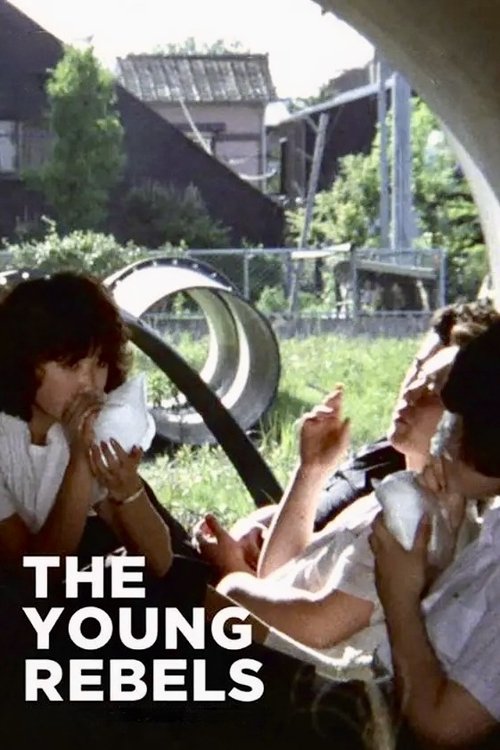 The Young Rebels1980
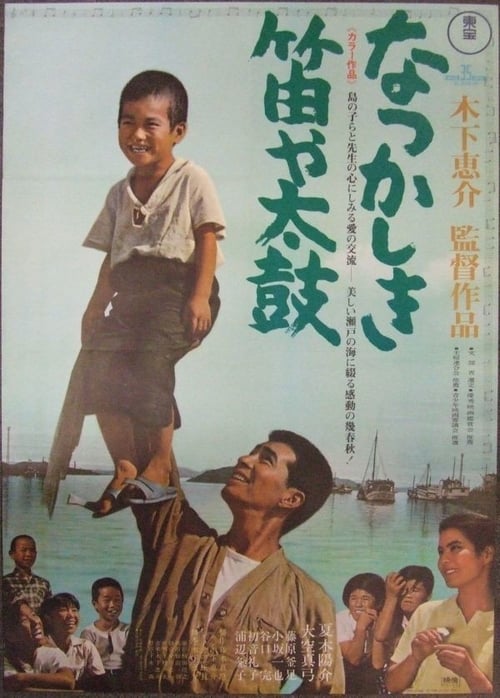 Eyes, the Sea and a Ball1967
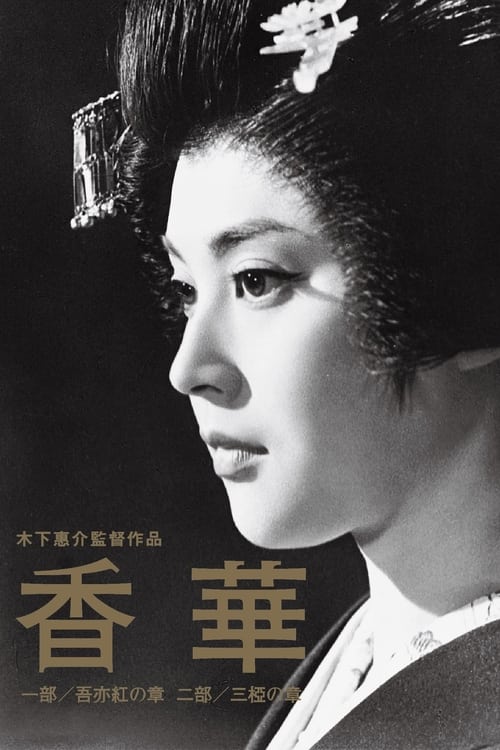 The Scent of Incense1964
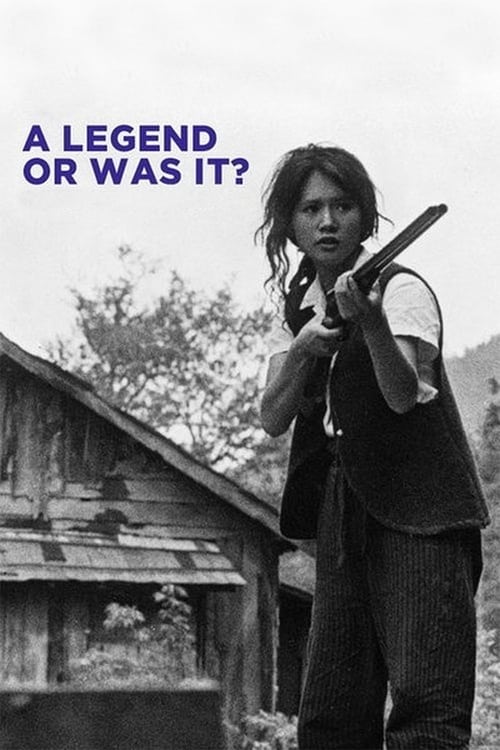 A Legend or Was It?1963
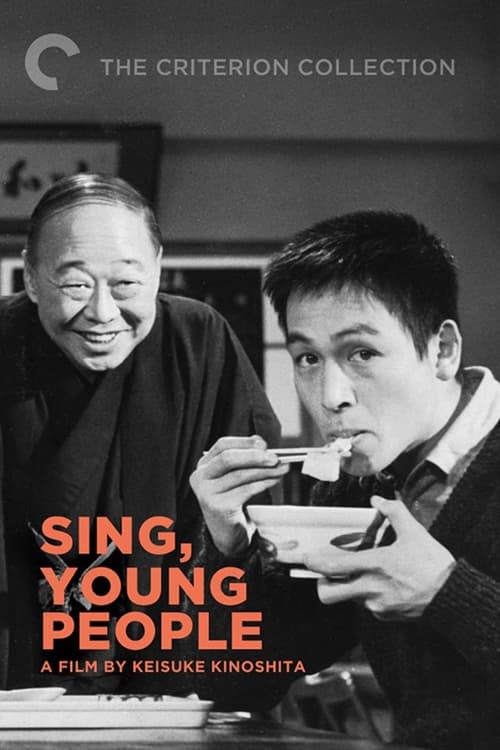 Sing, Young People!1963
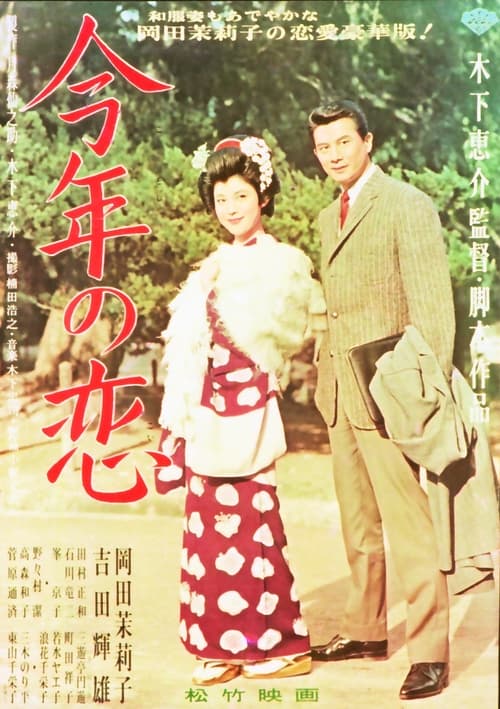 This Year's Love1962
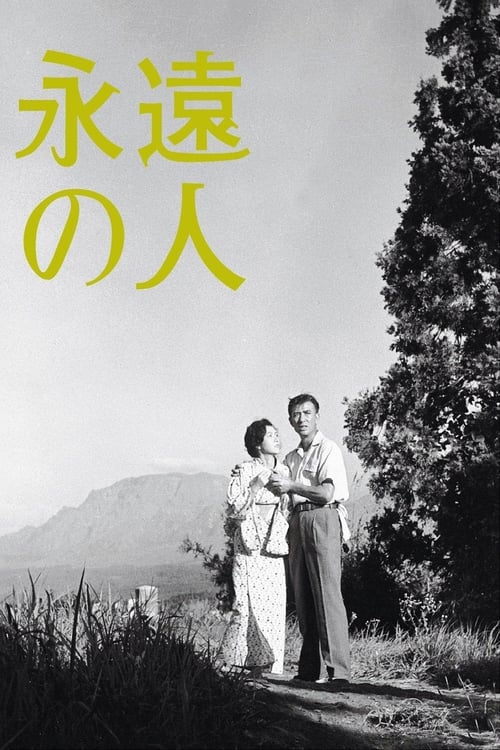 Un amor inmortal1961
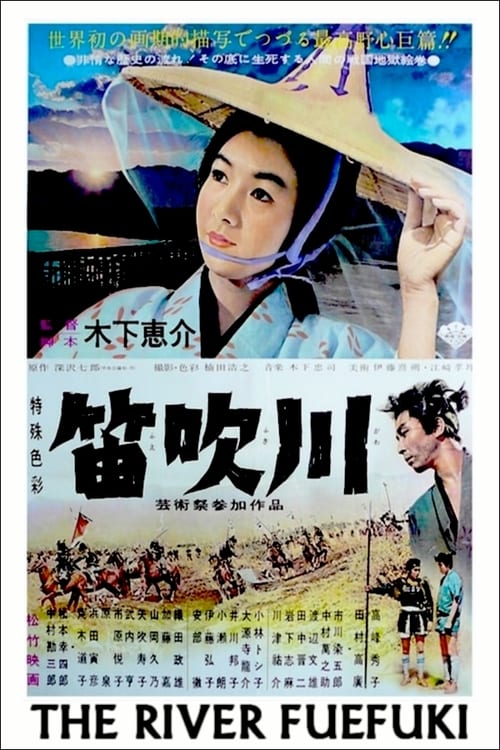 The River Fuefuki1960
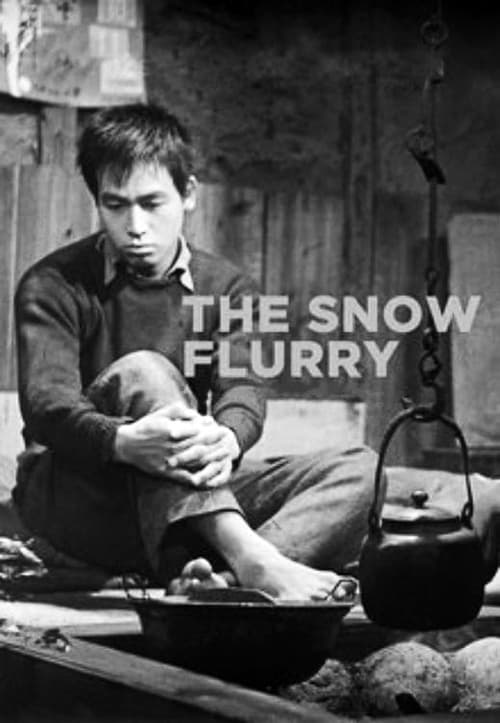 Ráfaga de nieve1959
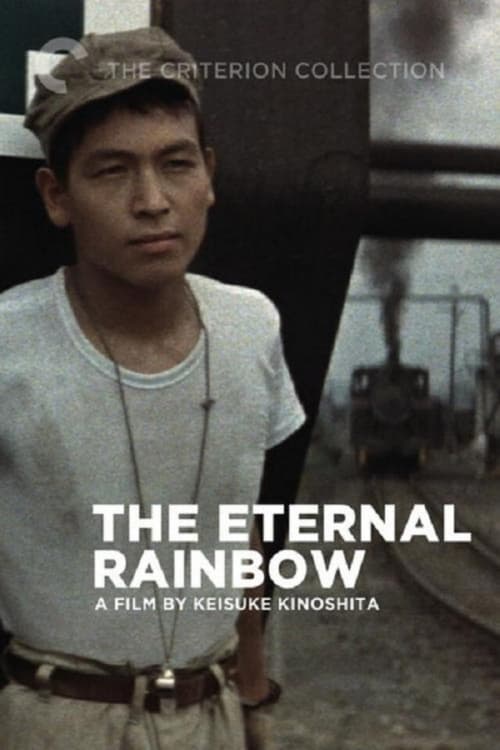 The Eternal Rainbow1958
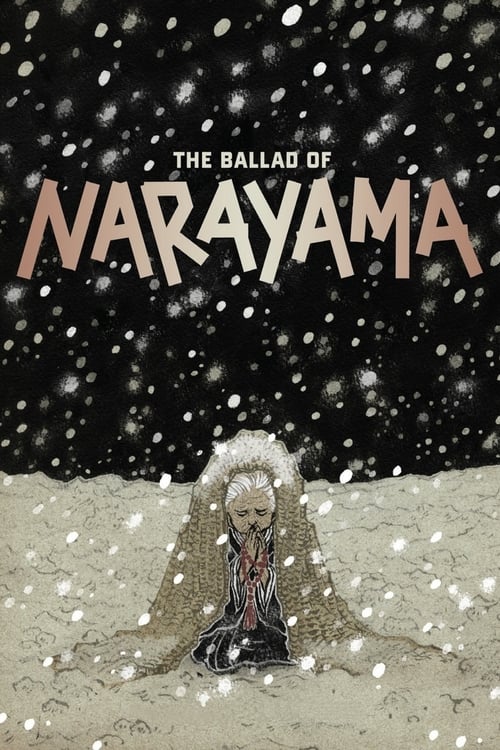 La balada de Narayama1958
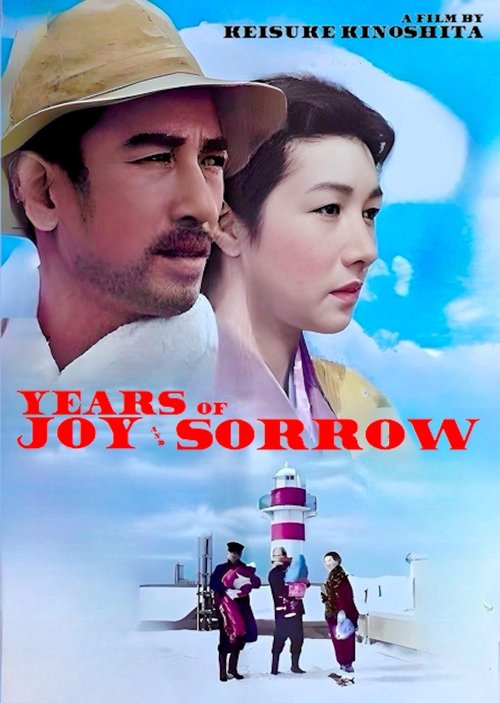 Times of Joy and Sorrow1957
 Ella era como un crisantemo salvaje1955
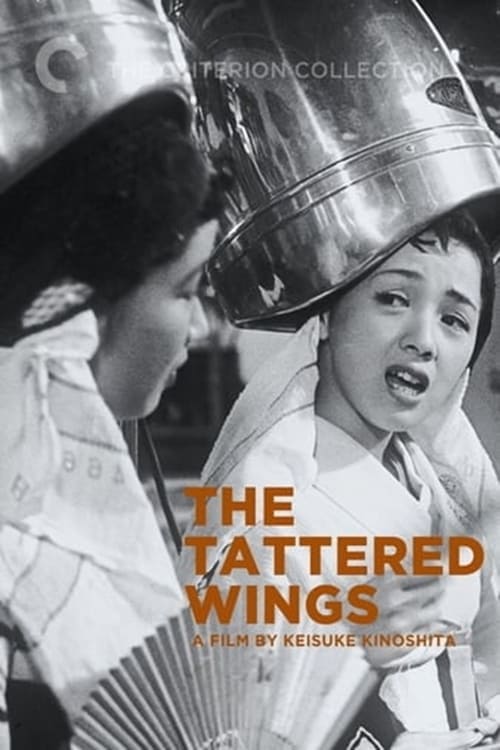 The Tattered Wings1955
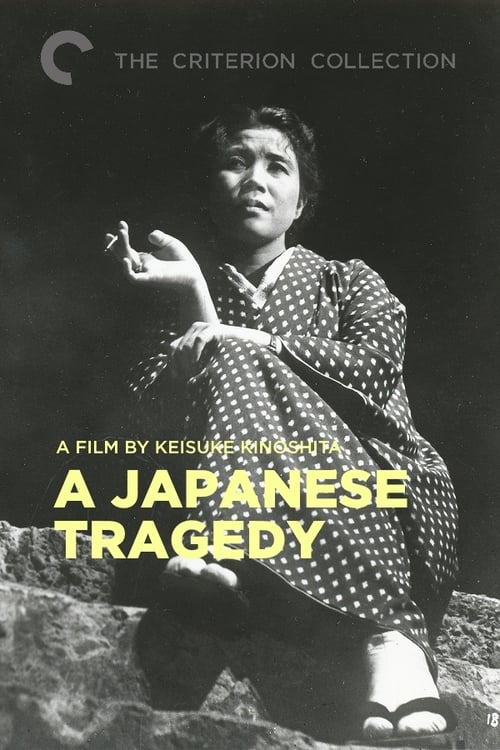 A Japanese Tragedy1953
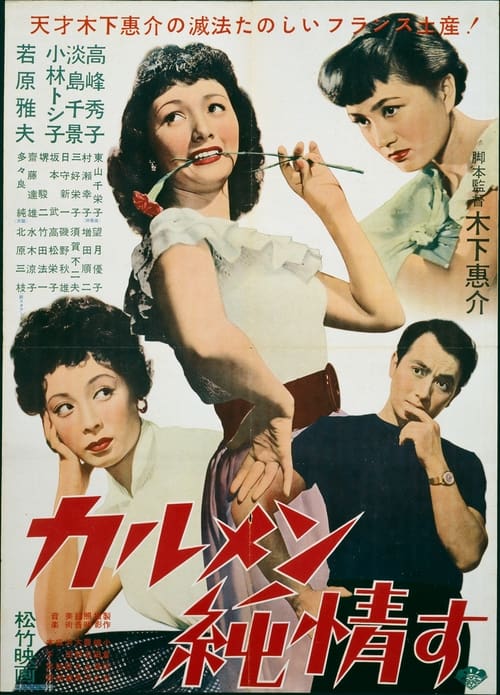 Carmen se enamora1952
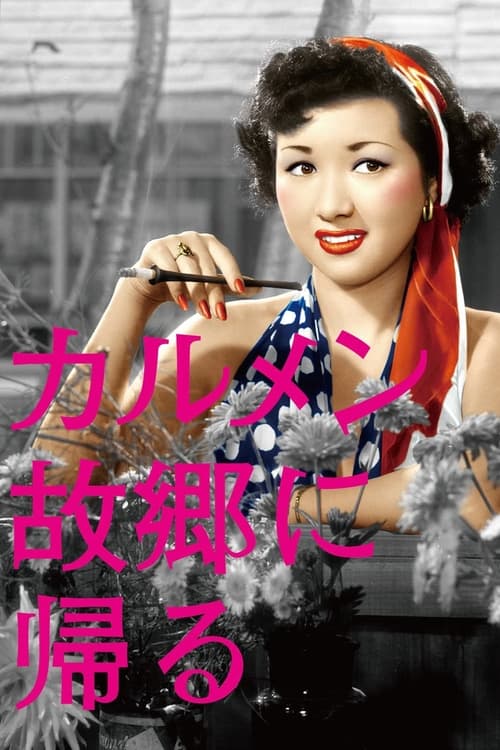 Carmen vuelve a casa1951
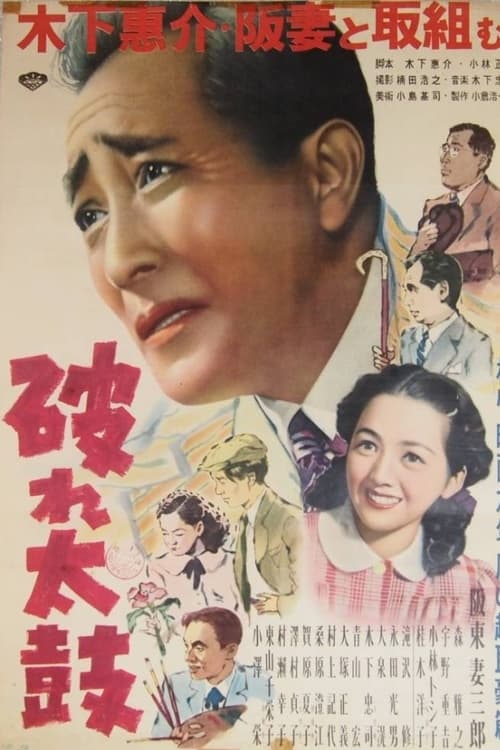 Broken Drum1949
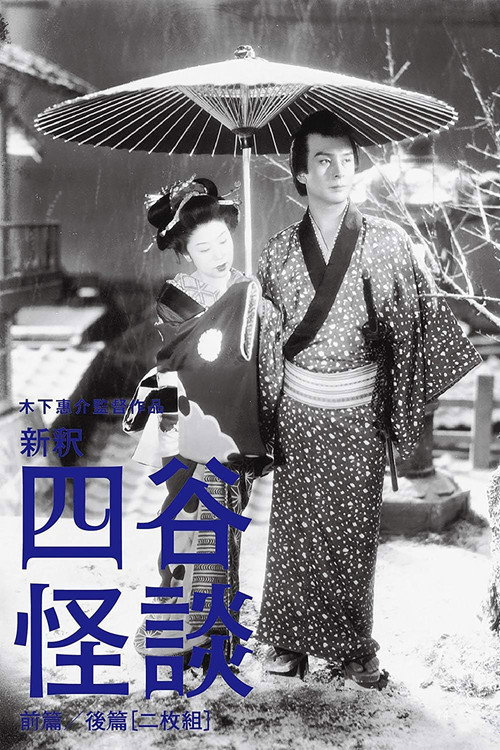 Yotsuya Ghost Story Part 21949
- Historia de fantasmas de Yotsuya1949
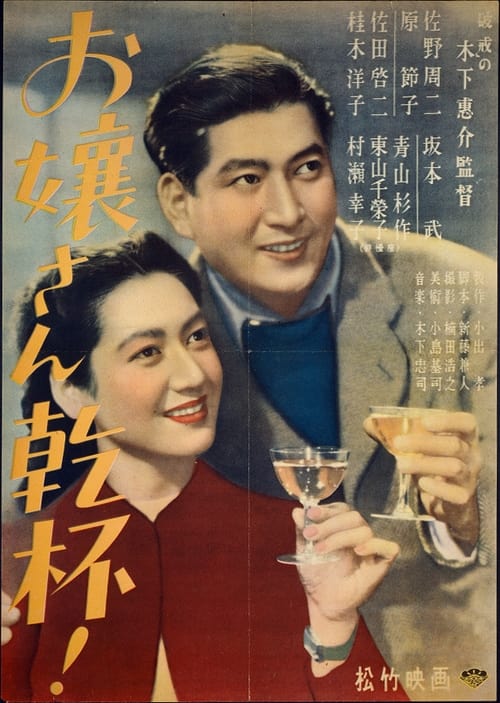 Here's to the Young Lady1949
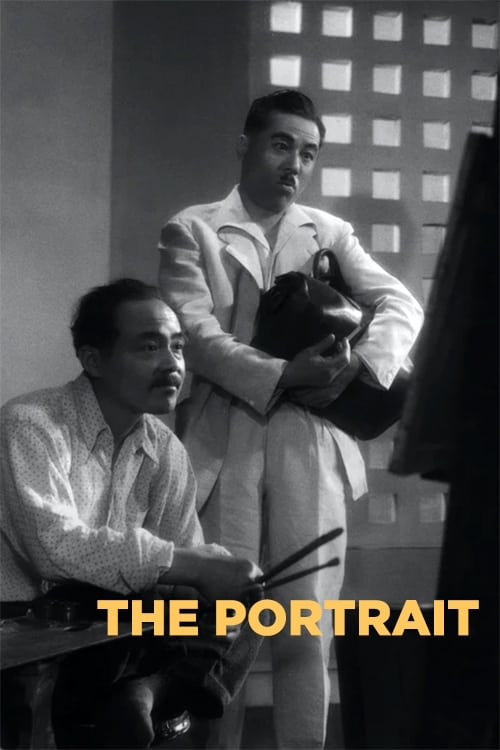 El retrato de Midori1948
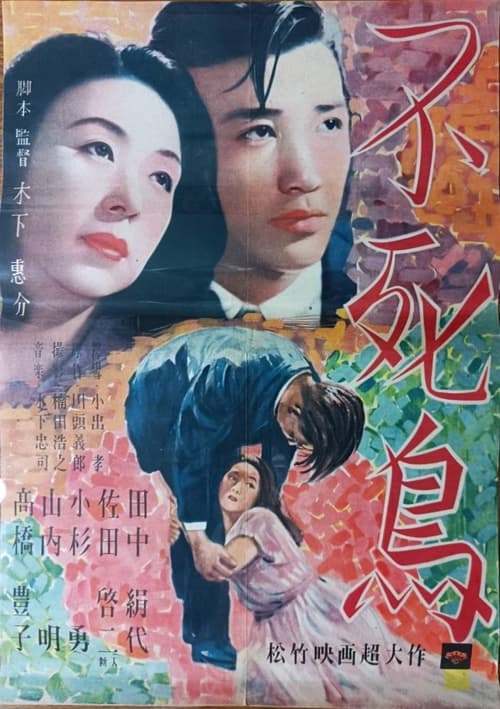 Phoenix1947
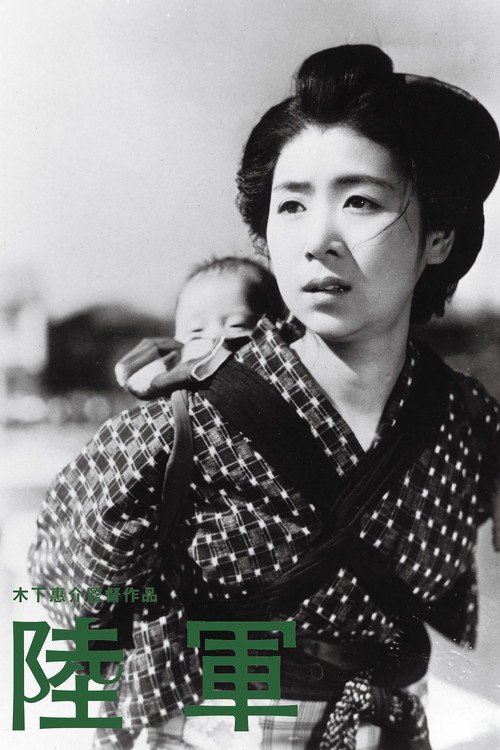 El adiós de un hijo1944
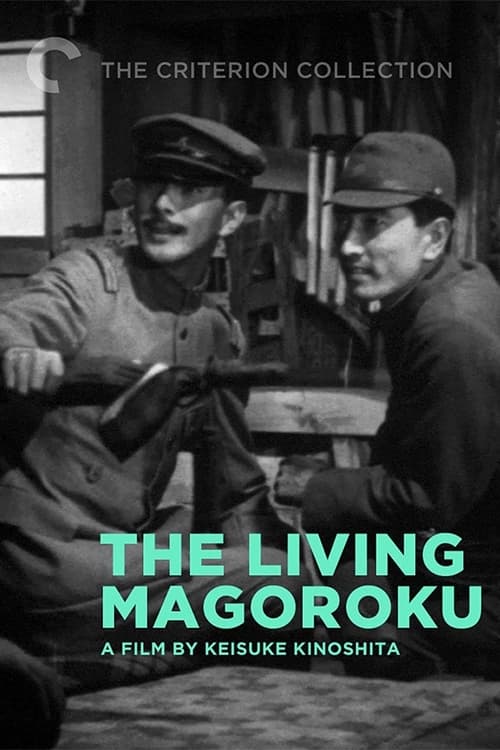 The Living Magoroku1943
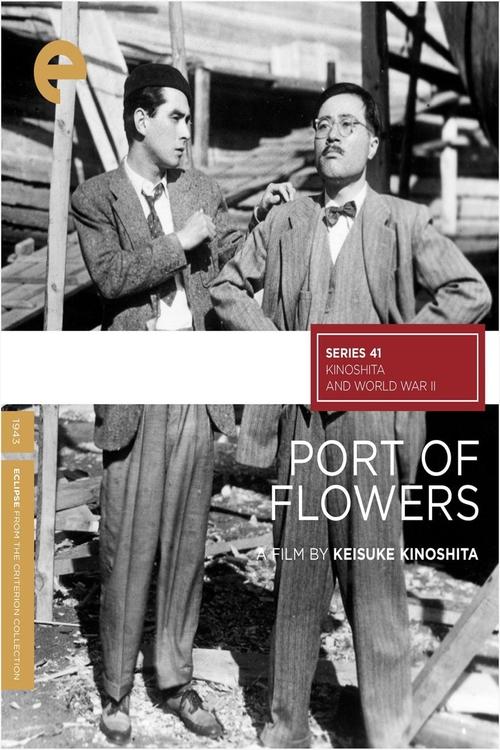 Port of Flowers1943
Guion 28
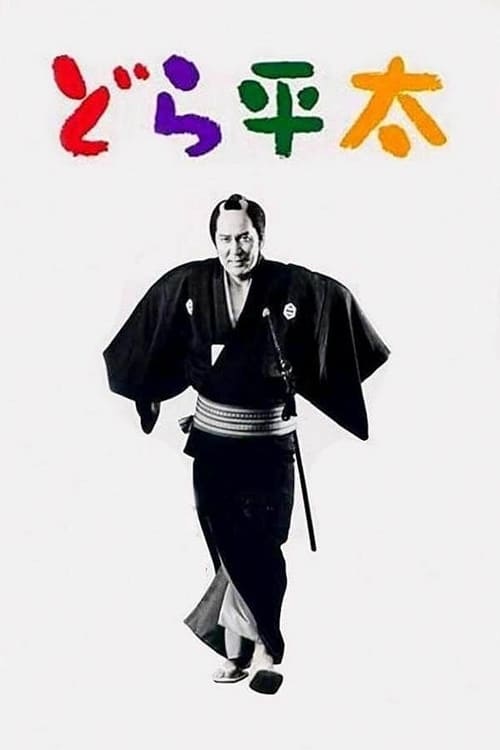 Dora-heita2000
- Father1988
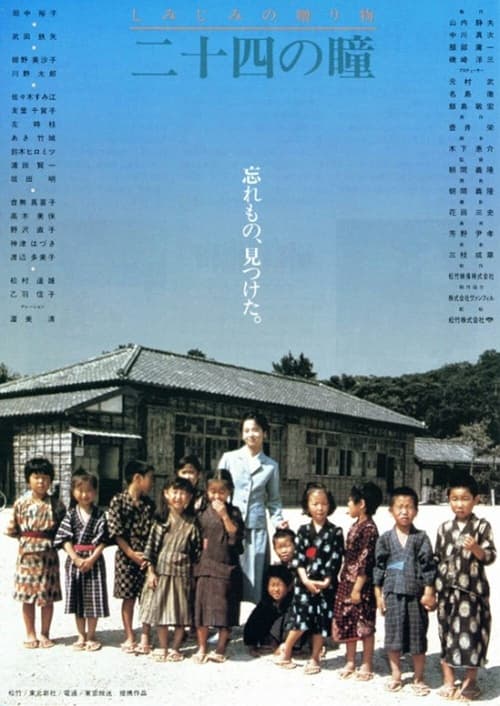 Children on the Island1987
- Children of Nagasaki1983
- The Young Rebels1980
- Eyes, the Sea and a Ball1967
- The Scent of Incense1964
- A Legend or Was It?1963
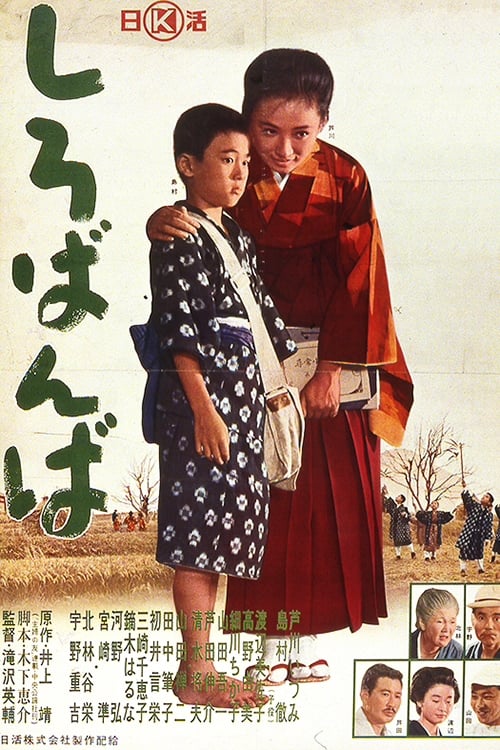 Children of Izu1962
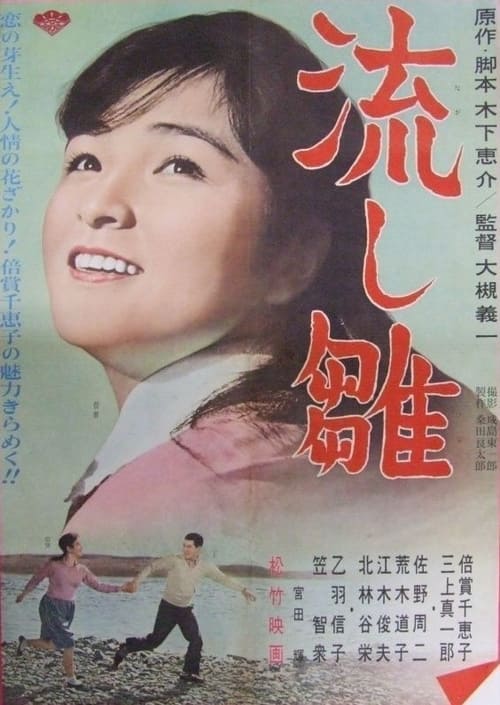 Dolls floating down the river1962
- This Year's Love1962
- Un amor inmortal1961
- The River Fuefuki1960
- Ráfaga de nieve1959
- The Eternal Rainbow1958
- La balada de Narayama1958
- Times of Joy and Sorrow1957
- Ella era como un crisantemo salvaje1955
- Bride in the KitchenBride in the Kitchen1955
- The Tattered Wings1955
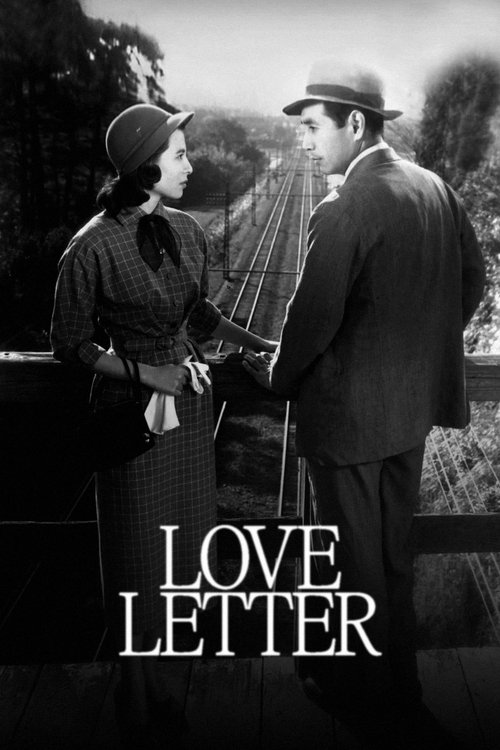 Carta de amor1953
- A Japanese Tragedy1953
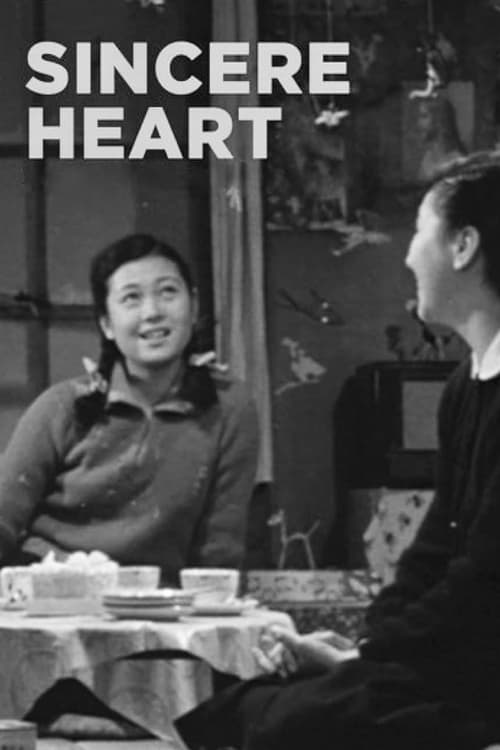 Sincere Heart1953
- Carmen se enamora1952
- Carmen vuelve a casa1951
- Broken Drum1949
- Phoenix1947
- The Living Magoroku1943