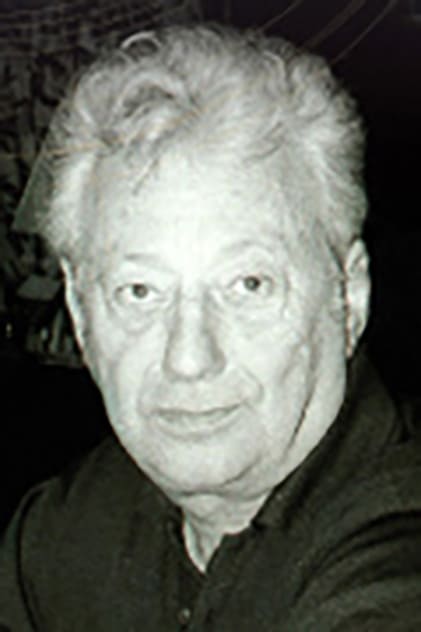
Jean Aurenche
- Geboren
- 10. September 1903
- Gestorben
- 29. September 1992
- Geburtsort
- Pierrelatte, Drôme, France
Jean Aurenche (1903–1992) was a French screenwriter. During his career, he wrote 80 films for directors such as René Clément, Bertrand Tavernier, Marcel Carné, Jean Delannoy and Claude Autant-Lara. He is often associated with the screenwriter Pierre Bost, with whom he had a fertile partnership from 1940 to 1975.
Mehr anzeigenWeniger anzeigen
In the 1920s and 1930s, Jean Aurenche was friends with some members of the surrealist groups. His sister Marie-Berthe was the wife of Max Ernst and Max Ernst soon became friend with Jean Aurenche. Later, he even appeared in some film commercials directed by Jean Aurenche (for the "Nicolas" Wine, the "Barbes" stores and so on...). Jean Aurenche was also a close friend of Jean Cocteau who helped him publish several of his short stories in the famous "NRF".
In 1933, Jean Aurenche co-directed two short documentaries with Pierre Charbonnier: Pirates du Rhône and Bracos de Sologne. He later co-wrote the short film Monsieur Cordon with director Pierre Prévert. He soon turned to screenwriting, writing or co-writing several films like L'affaire du Courrier de Lyon (1936) by Maurice Lehmann and Claude Autant-Lara, L'affaire Lafarge or, more famously, Hôtel du Nord that he co-wrote with Marcel Carné and Henri Jeanson.
In 1942, starting with Douce (directed by Autant-Lara), Aurenche formed a longstanding partnership with Pierre Bost. Their method of writing together initially worked as such: Jean Aurenche wrote the treatment of the screenplay (sometimes based on a novel) and Pierre Bost then expanded this outline and wrote the dialogue. But soon, both of them wrote all the script together without any clear division of the writing. Together, Aurenche & Bost wrote several great successes of this time period, often associated with director Claude Autant-Lara : le Diable au corps (1945), l'Auberge rouge (1951), le Rouge et le Noir (1954), la Traversée de Paris (1956). Meanwhile, Aurenche & Bost started a fertile collaboration with Jean Delannoy, writing for him La Symphonie Pastorale (1947) which won the Palme d'Or at the Cannes Festival of 1947. During this time, they also worked with René Clément (Au-delà des grilles, Jeux interdits and Gervaise). The film Jeux Interdits won the Academy Award on the Best Foreign Film in 1952 and soon became a classic. All these critic and commercial triumph contributed to make of Aurenche one of the most revered screenwriters of his time. ...
Source: Article "Jean Aurenche" from Wikipedia in English, licensed under CC-BY-SA 3.0.
Biografie von TMDB
Drehbuch 41
 Lernt nochL'Auberge Rouge - Mord inklusive2007
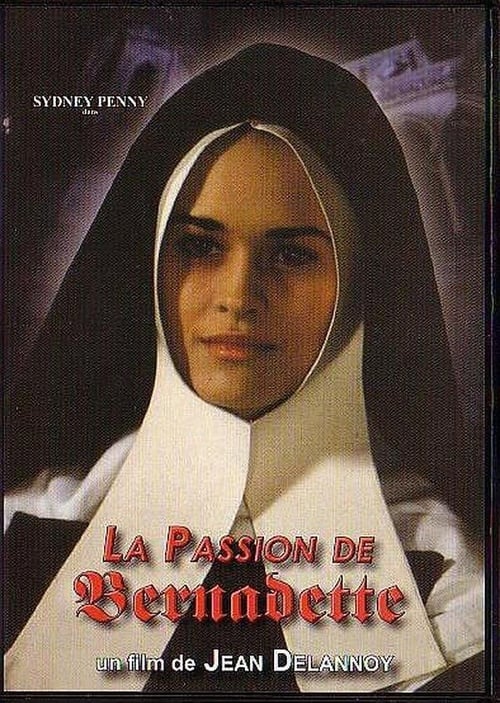 Lernt nochLa Passion de Bernadette1990
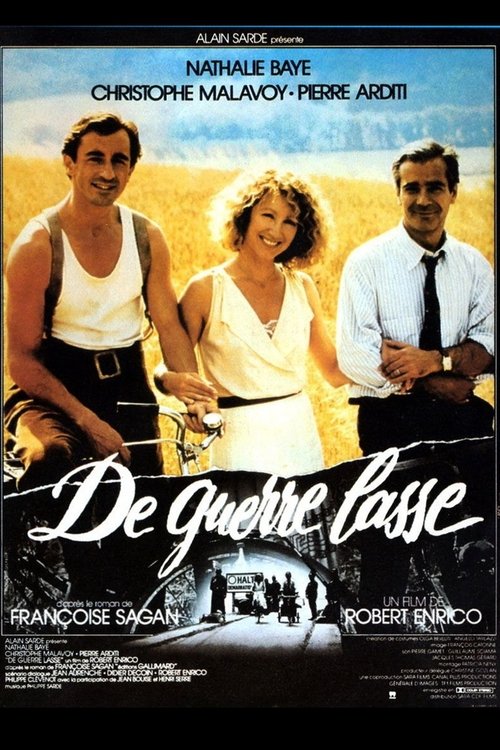 Lernt nochDe guerre lasse1987
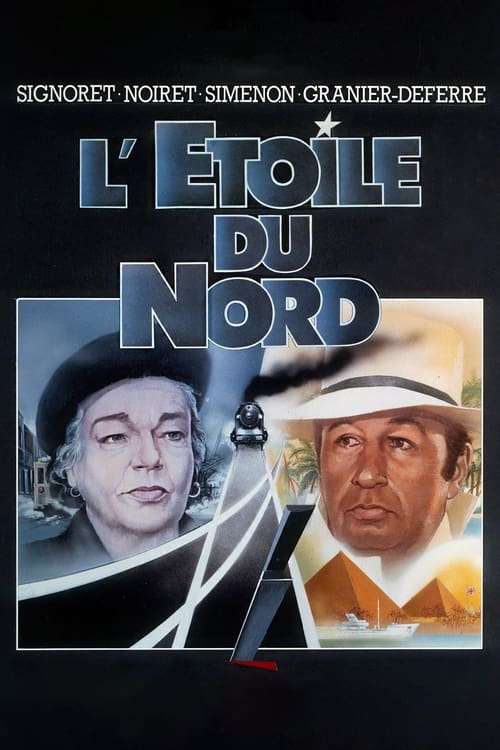 Lernt nochStern des Nordens1982
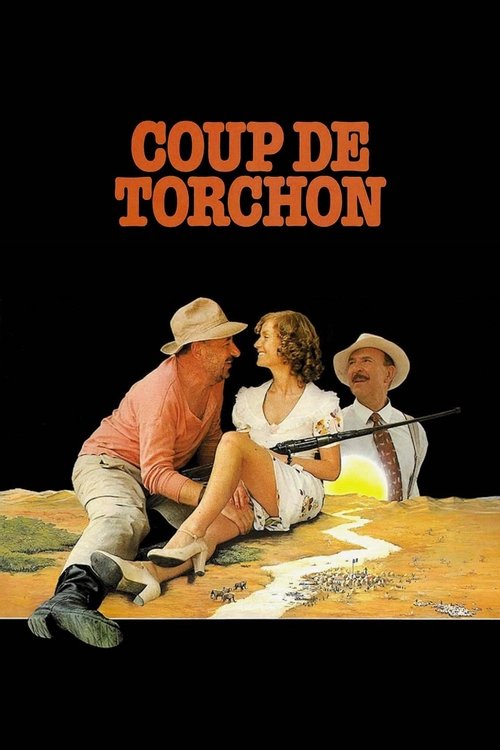 Lernt nochDer Saustall1981
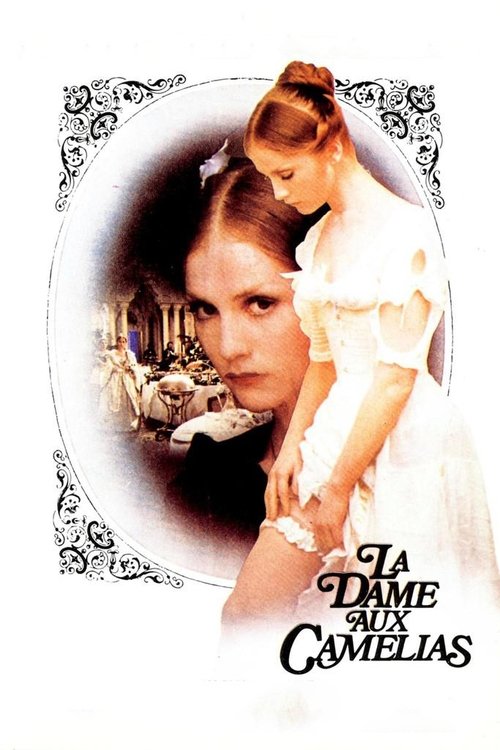 Lernt nochLa storia vera della signora dalle camelie1981
 Lernt nochDer Richter und der Mörder1976
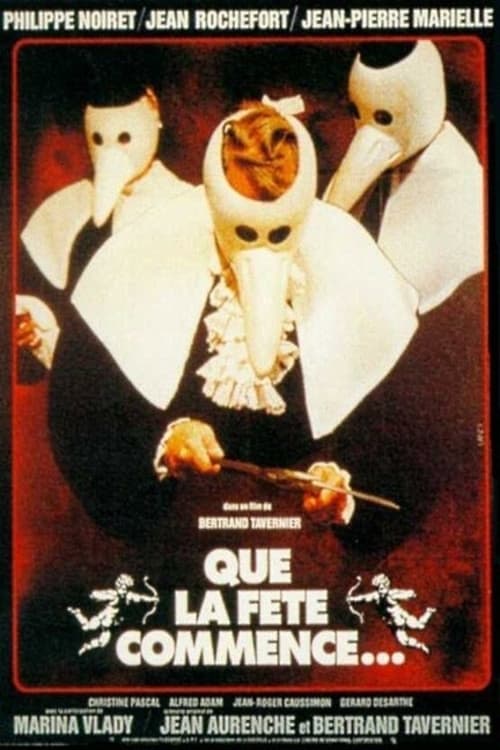 Lernt nochWenn das Fest beginnt...1975
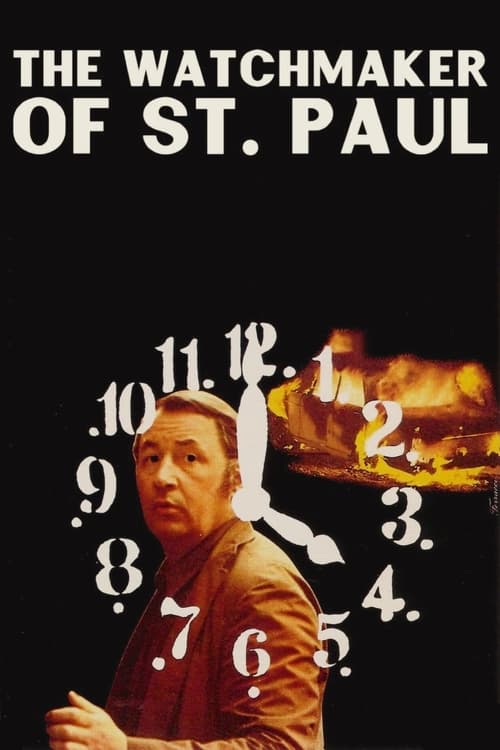 Lernt nochDer Uhrmacher von St. Paul1974
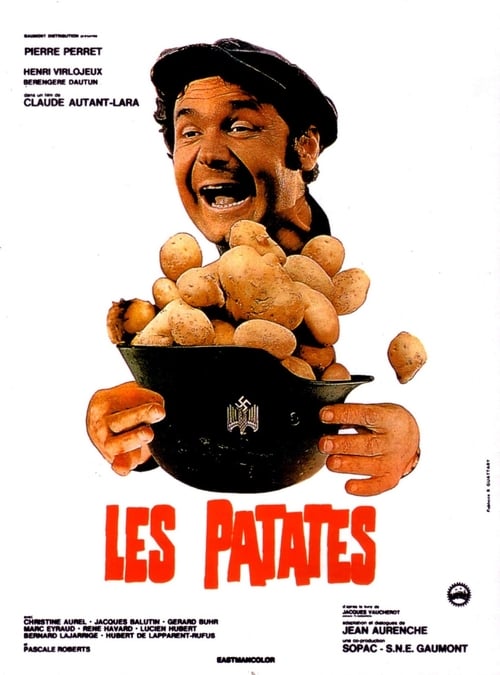 Lernt nochLes patates1969
 Lernt nochDas älteste Gewerbe der Welt1967
 Lernt nochLa muerte viaja demasiado1965
 Lernt nochDer Mörder1963
 Lernt nochVenere imperiale1962
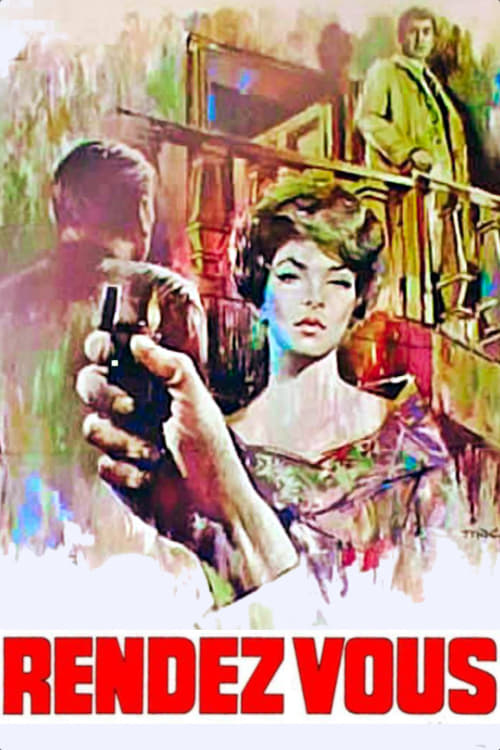 Lernt nochLe Rendez-vous1961
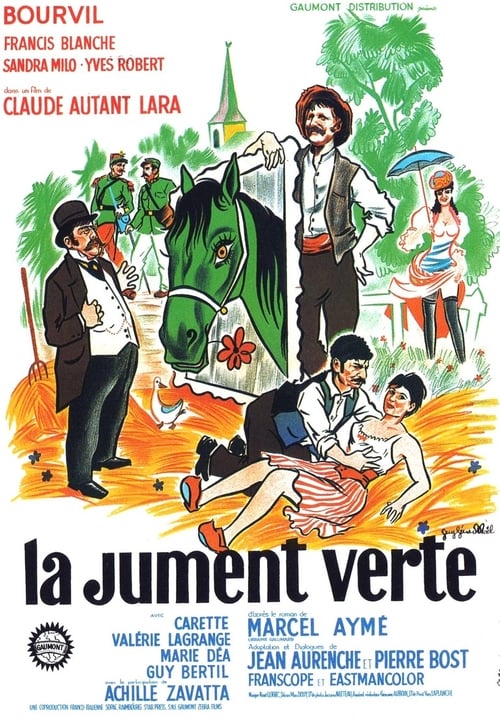 Lernt nochLa Jument verte1959
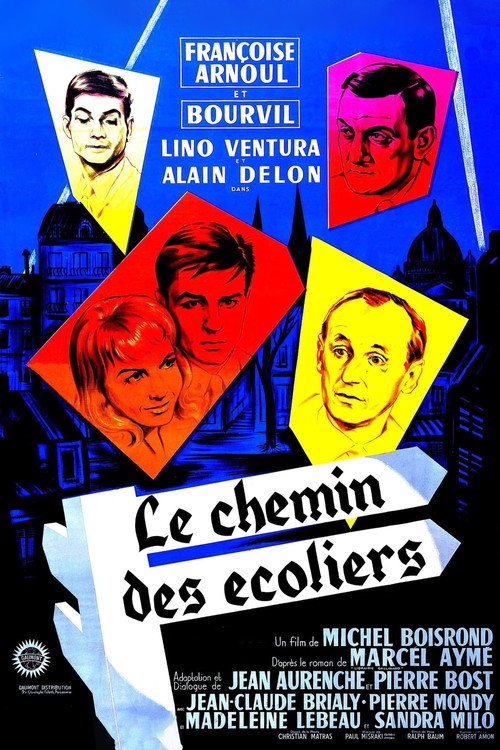 Lernt nochDie Schüler1959
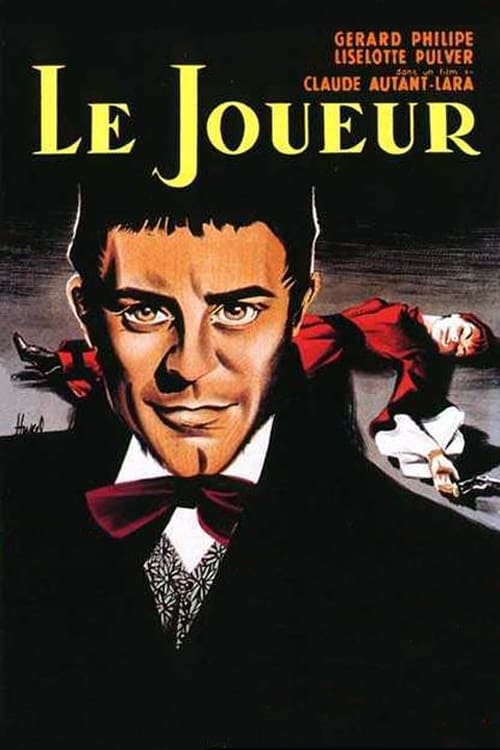 Lernt nochDas Spiel war sein Fluch1958
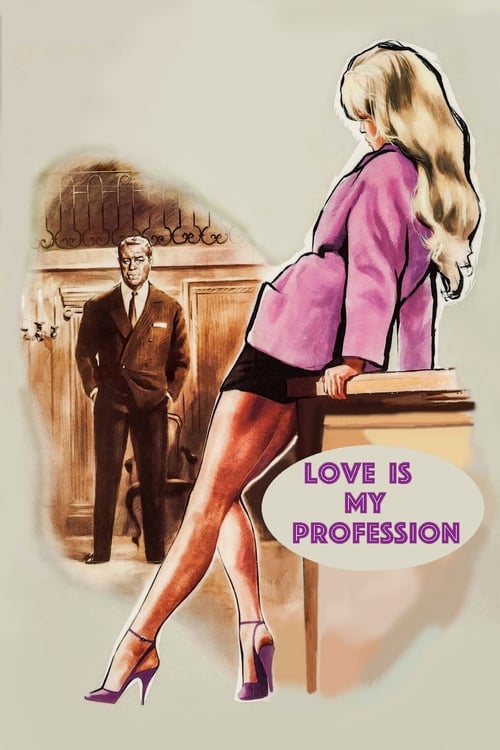 Lernt nochMit den Waffen einer Frau1958
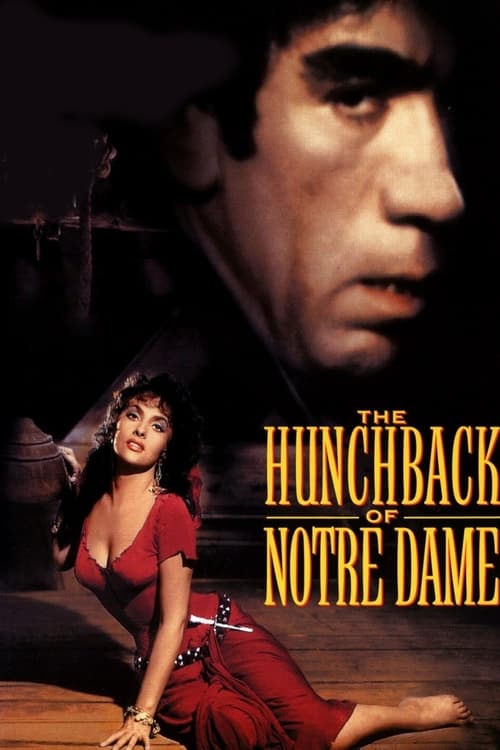 Der Glöckner von Notre Dame1956
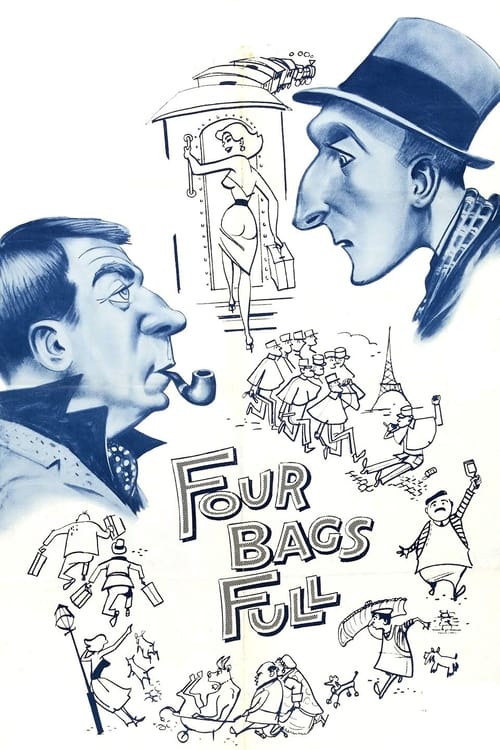 Lernt nochZwei Mann, ein Schwein und die Nacht von Paris1956
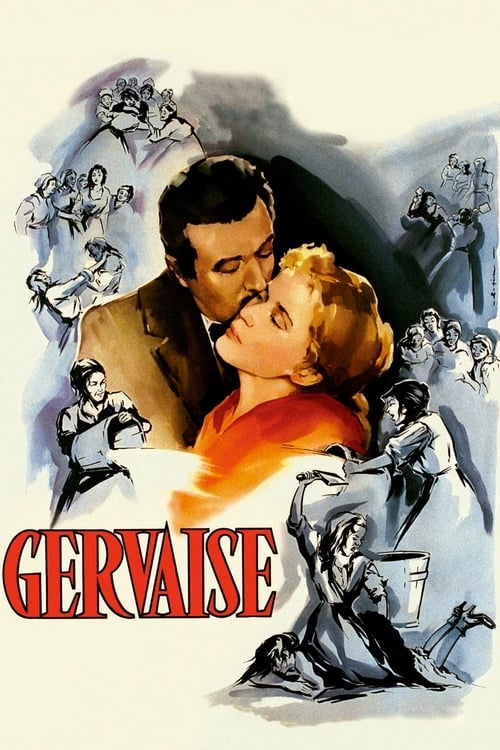 Lernt nochGervaise1956
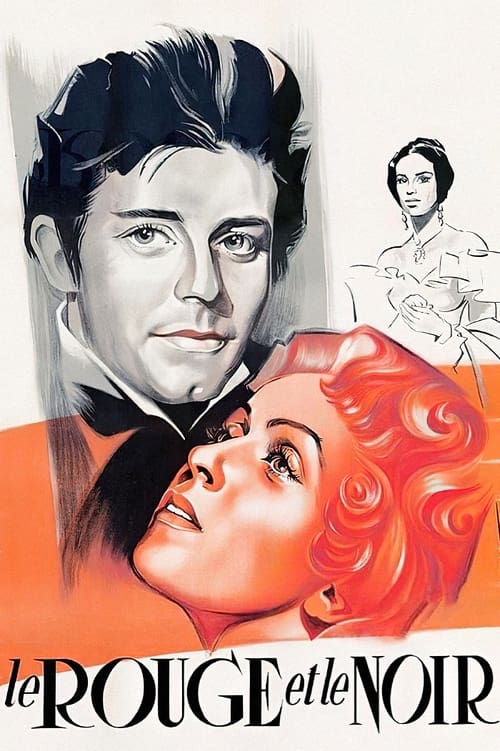 Lernt nochLe Rouge et le Noir1954
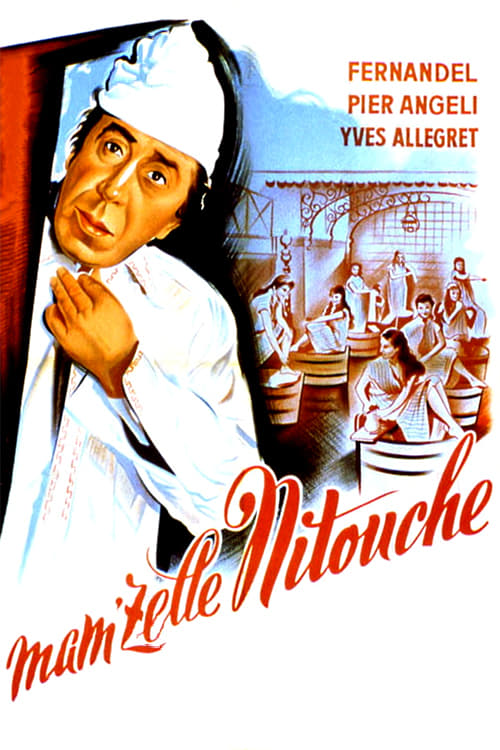 Lernt nochMamselle Nitouche1954
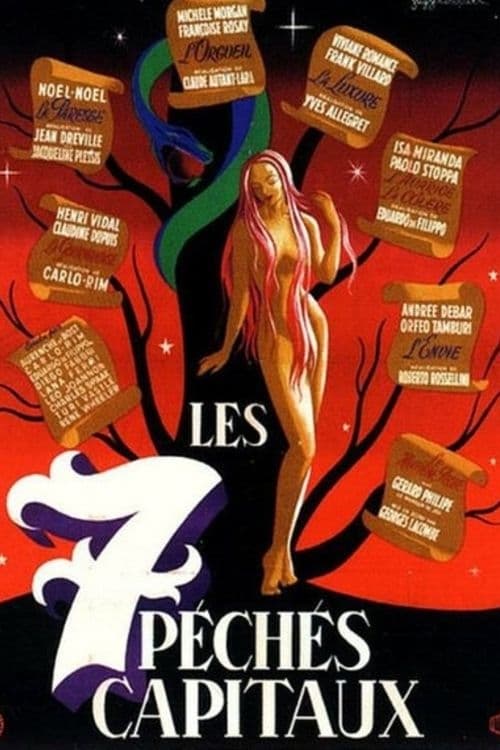 Lernt nochDie sieben Sünden1952
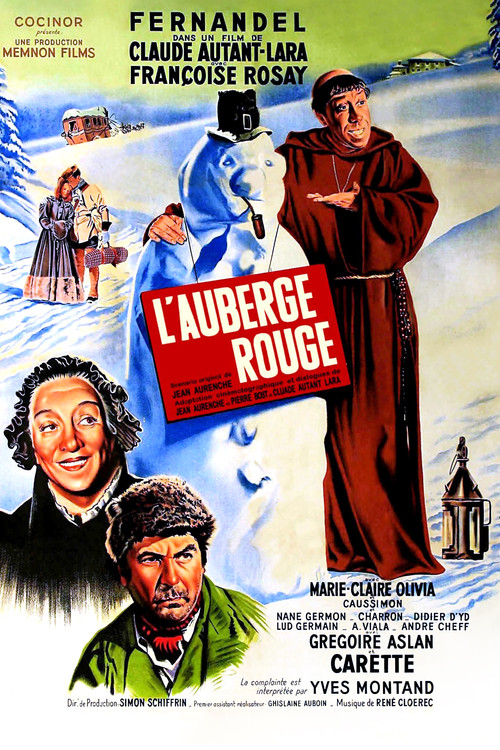 Lernt nochL'Auberge rouge1951
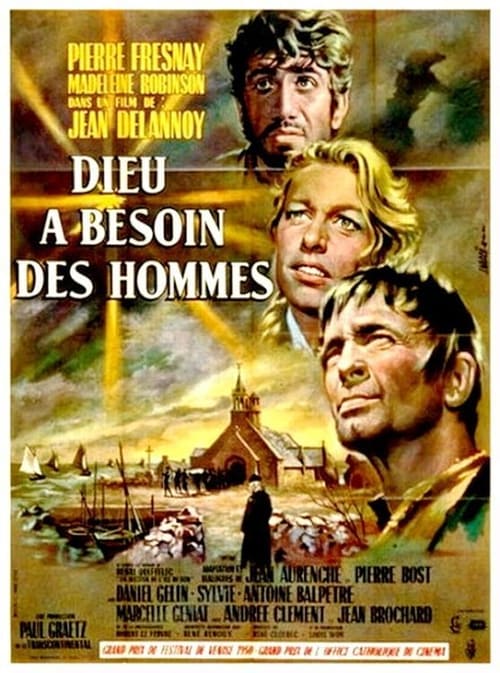 Lernt nochDieu a besoin des hommes1950
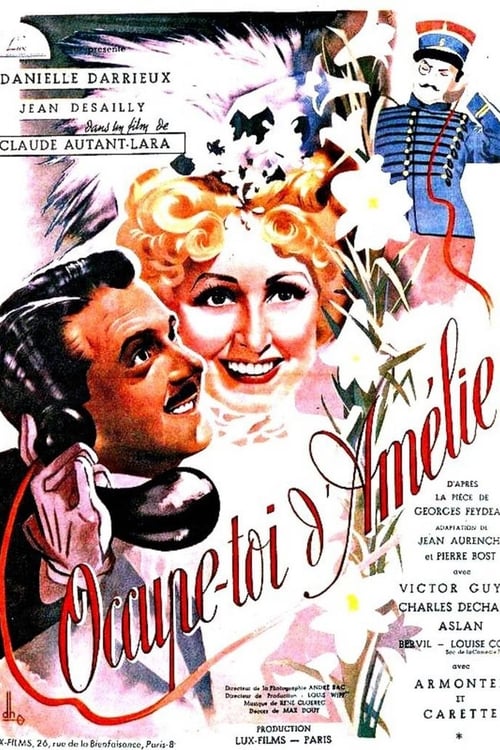 Lernt nochOccupe-toi d'Amélie..!1949
 Lernt nochAu-delà des grilles1949
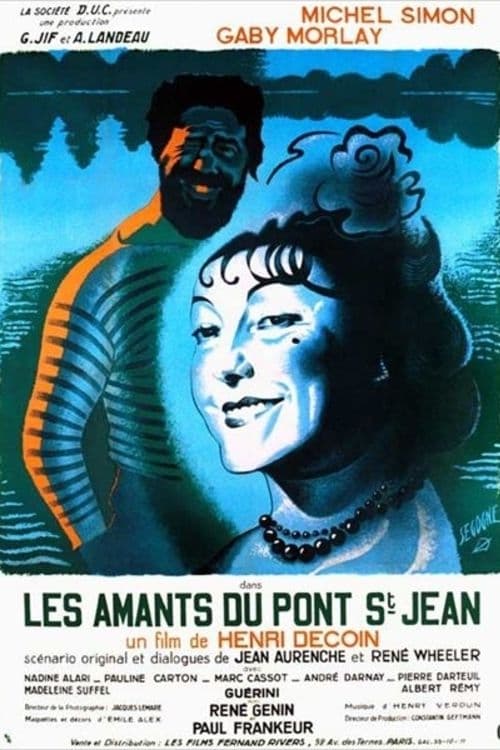 Lernt nochLes Amants du pont Saint-Jean1947
 Lernt nochLe Diable au corps1947
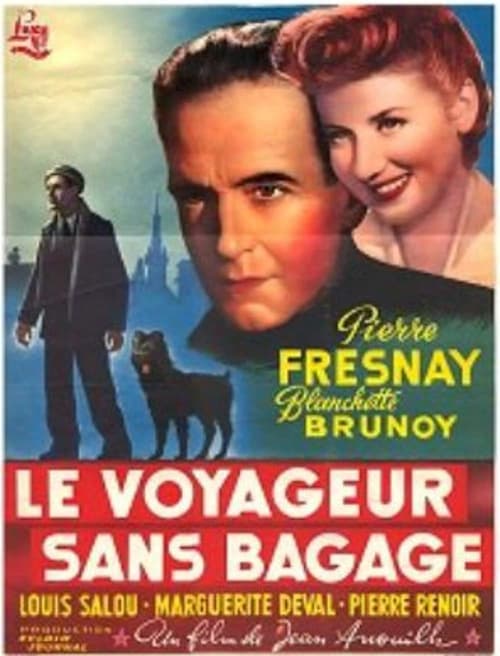 Lernt nochLe Voyageur sans bagage1944
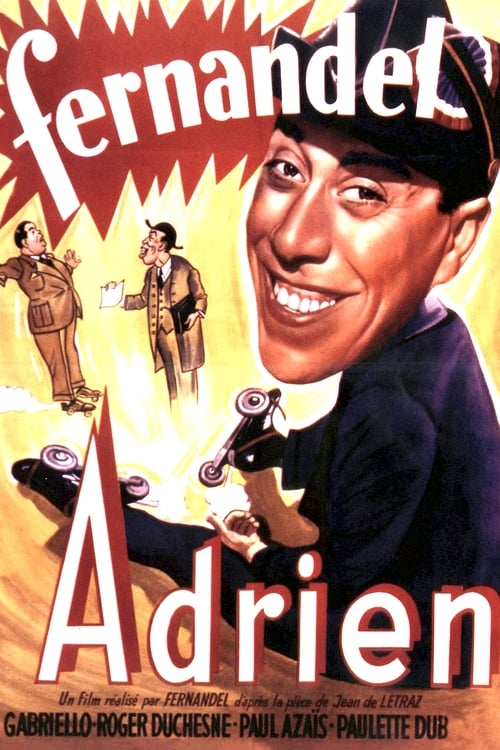 Lernt nochAdrien1943
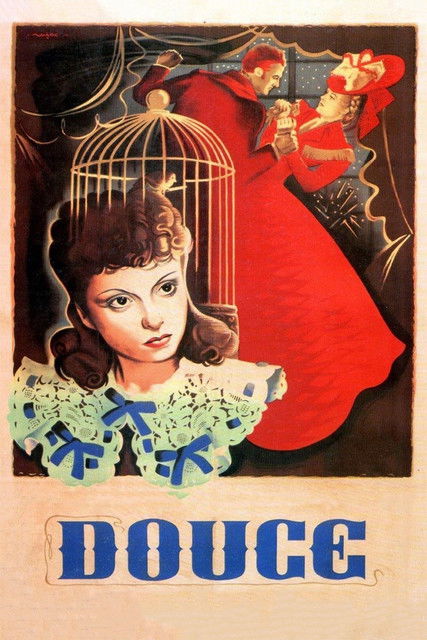 Lernt nochDouce1943
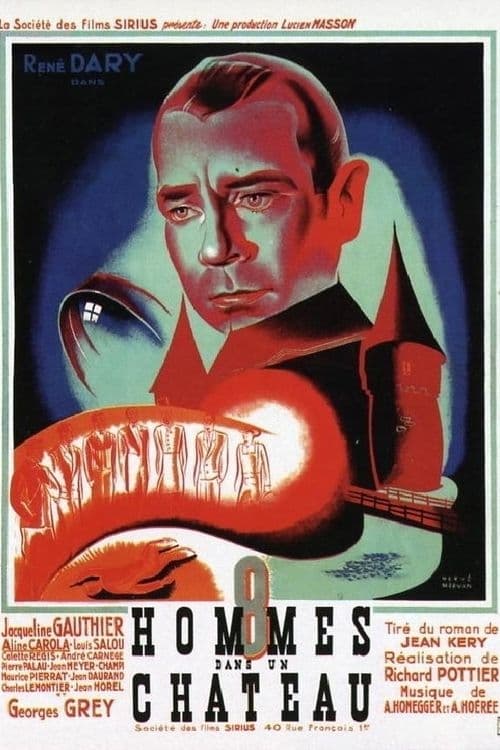 Lernt nochHuit hommes dans un château1942
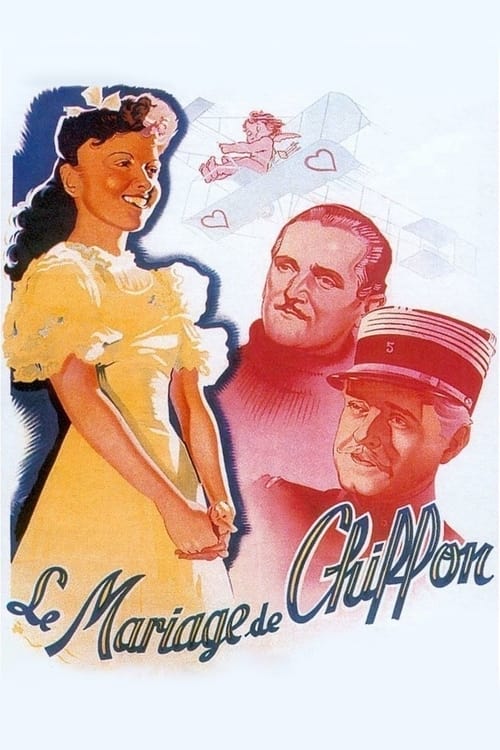 Lernt nochLe Mariage de Chiffon1942
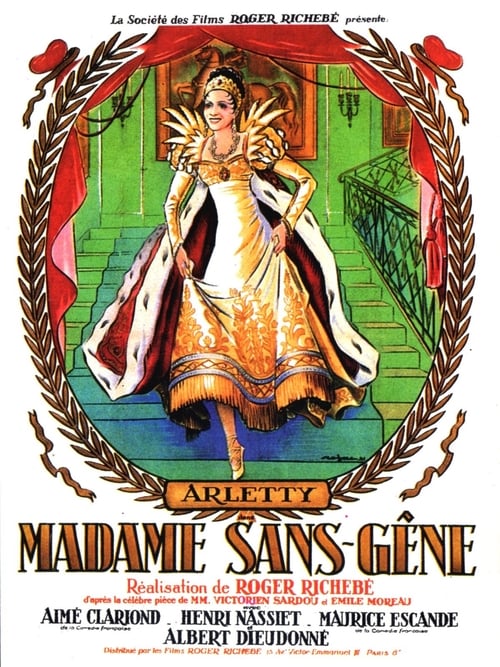 Lernt nochMadame Sans-Gêne1941
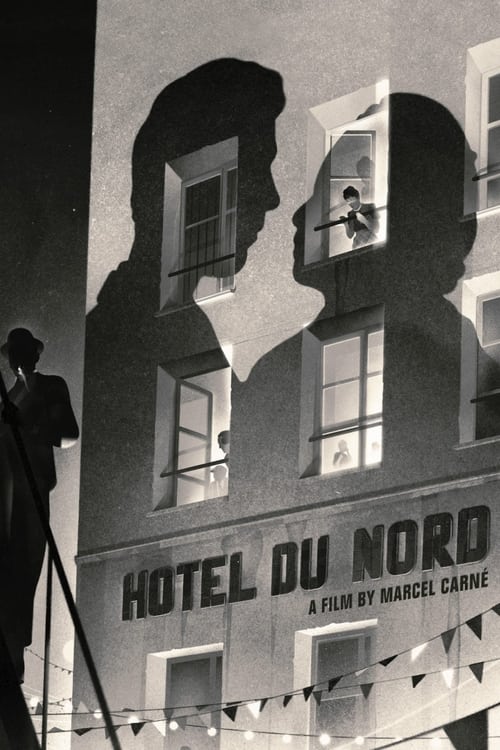 Lernt nochHôtel du Nord1938
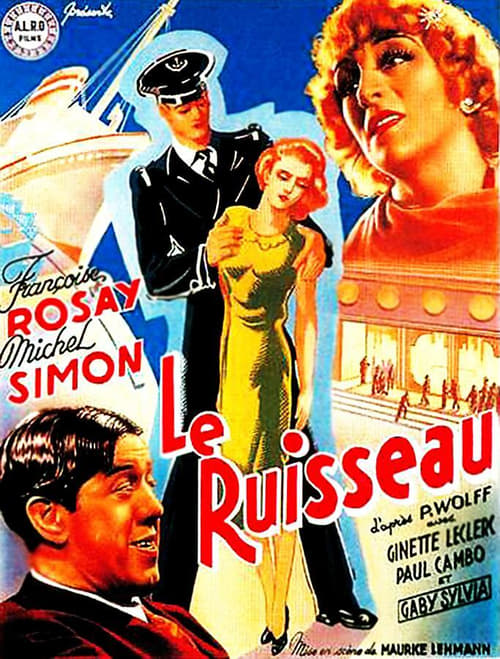 Lernt nochLe Ruisseau1938
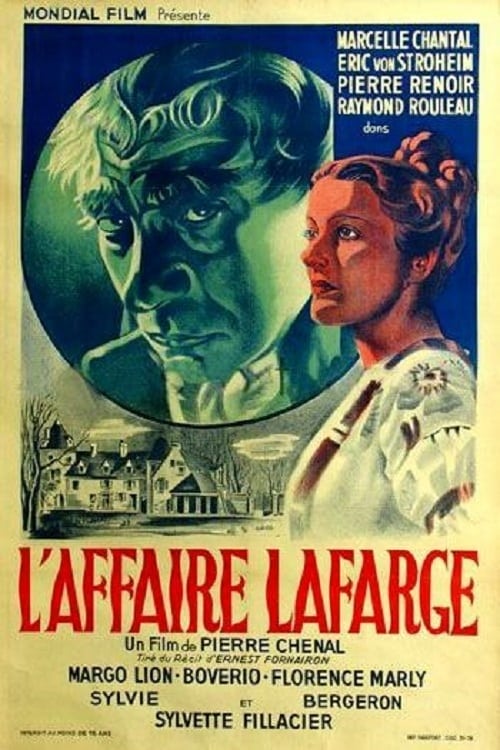 Lernt nochL'Affaire Lafarge1938
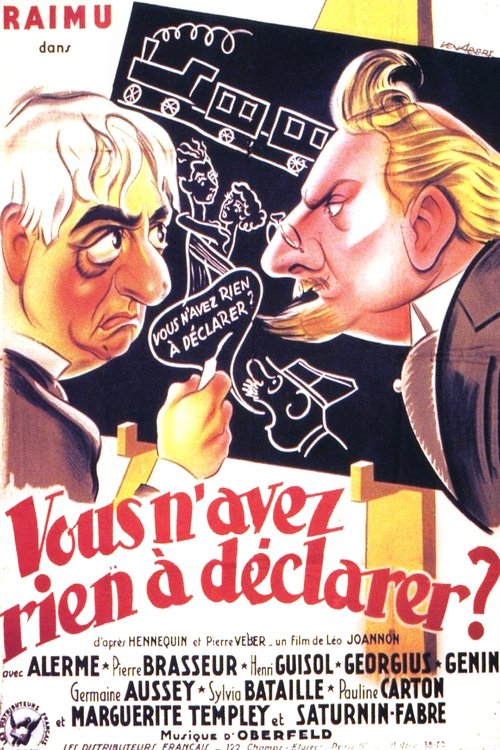 Lernt nochVous n'avez rien à déclarer ?1937