
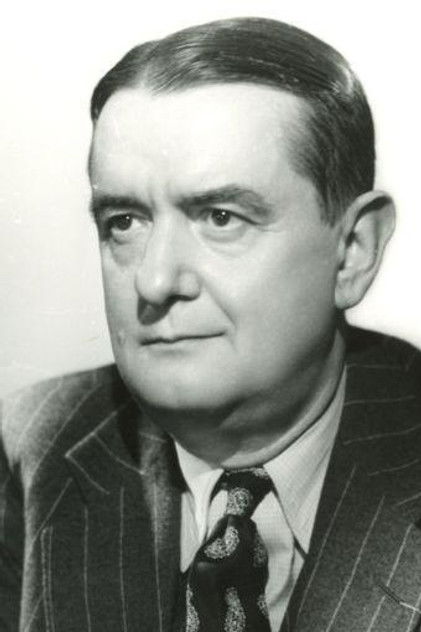
Georges Auric
- Geboren
- 15. Februar 1899
- Gestorben
- 23. Juli 1983
- Geburtsort
- Lodève, Hérault, France
Georges Auric (15 February 1899 – 23 July 1983) was a French composer, born in Lodève, Hérault, France. He was considered one of Les Six, a group of artists informally associated with Jean Cocteau and Erik Satie. Before he turned 20 he had orchestrated and written incidental music for several ballets and stage productions. He also had a long and distinguished career as a film composer.
Mehr anzeigenWeniger anzeigen
Georges Auric began his musical career at a young age, performing a piano recital at the Société musicale indépendante at the age of 14. Several songs that he had written were then performed in the following year by Société Nationale de Musique. Along with his early successes professionally, Auric studied music at the Paris Conservatoire, as well as composition with Vincent d'Indy at the Schola Cantorum de Paris and Albert Roussel. Having gained recognition as a child prodigy both in composition and piano performance, he became a protégé of Erik Satie during the following decade. During the 1910s and 20s, he was a significant contributor of avant-garde music in Paris and was significantly influenced by Cocteau and the other composers of Les Six.
Auric's early compositions were marked by a reaction against the musical establishment and the use of referential material. Because of this and his association with Cocteau and Satie, Auric was grouped into Les Six by music critic Henri Collet, and was friends with the artist Jean Hugo. His participation led to writing settings of poetry and other texts as songs and musicals. Along with the other five composers, he contributed a piece to L'Album des Six. In 1921, Cocteau asked him to write the music for his ballet, Les Mariés de la tour Eiffel. He found himself short of time, so he asked his fellow composers of Les Six to contribute some music. All except Louis Durey agreed. During this time, he wrote his one-act opera Sous le masque (1927) (an earlier opera, La Reine de coeur (1919), is lost). It was also in 1927 that he contributed the Rondeau for the children's ballet L'Éventail de Jeanne, a collaboration between ten French composers. In 1952 he participated in yet another collaboration, the set of orchestral variations La Guirlande de Campra. Les Six, though an informal and short-lived group, became known for its reaction against the musical establishment of the time and the promotion of absurdism and satire; the group rebelled similarly against Wagner as it did against Debussy. The music of these composers, including Auric, represented the specific cultural scene of Paris at the time and rejected the international styles brought by Russian and German music, as well as the impressionism and symbolism of Debussy. Auric's later development as a populist composer was prefigured by many of the techniques and ideals of Les Six, especially the use of popular music and situations. Music of the circus or the dance hall played a significant role in the music of Les Six, especially in their actual collaborations. However, Les Six soon drew apart, with Auric and others taking different approaches to their art. ...
Source: Article "Georges Auric" from Wikipedia in English, licensed under CC-BY-SA 3.0.
Biografie von TMDB
Schauspiel 1
Sonstiges 58
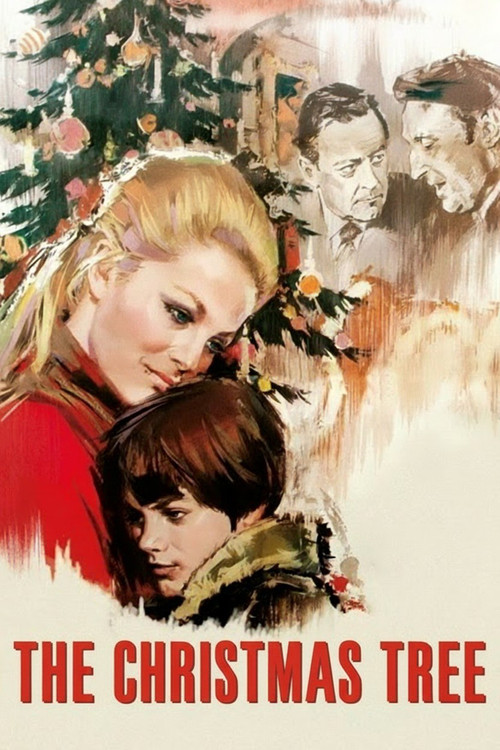 Lernt nochPascal1969 · Komposition
 Lernt nochTherese und Isabell1968 · Komposition
 Drei Bruchpiloten in Paris1966 · Komposition
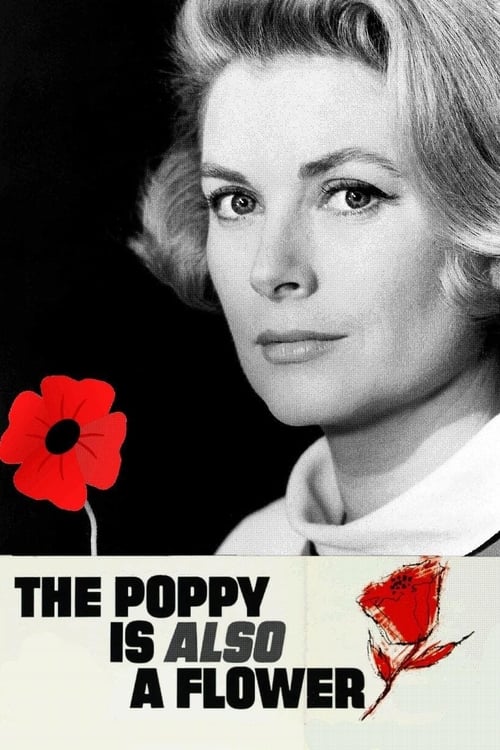 Mohn ist auch eine Blume1966 · Komposition
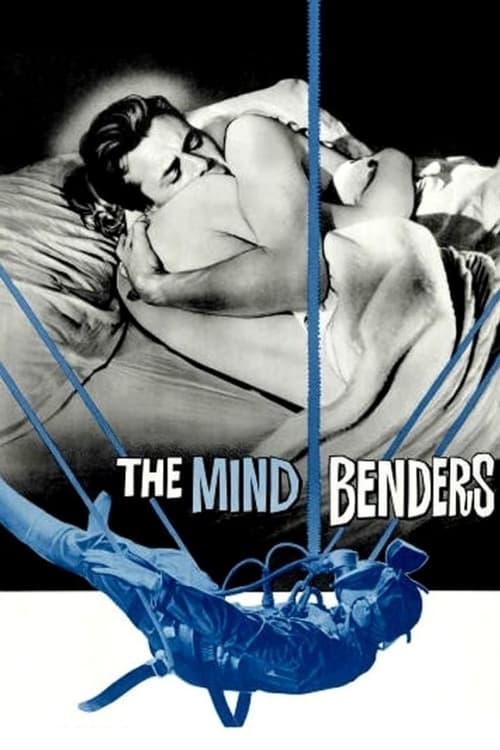 Lernt nochFesseln der Seele1963 · Komposition
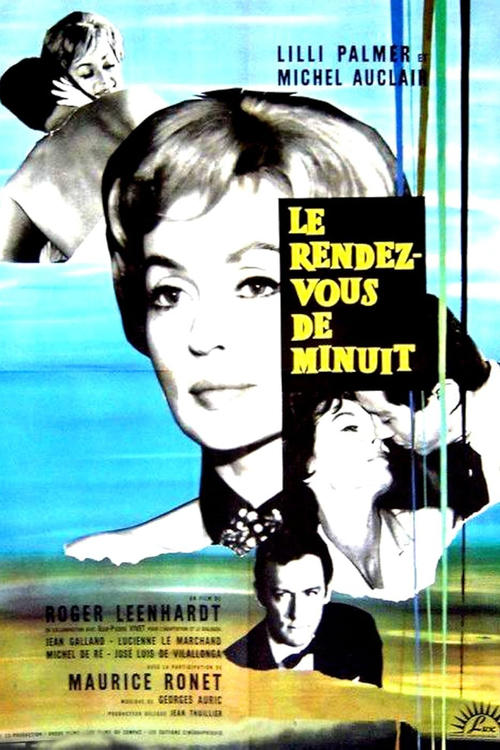 Lernt nochDas fremde Gesicht1962 · Komposition
 Lernt nochDas brennende Gericht1962 · Komposition
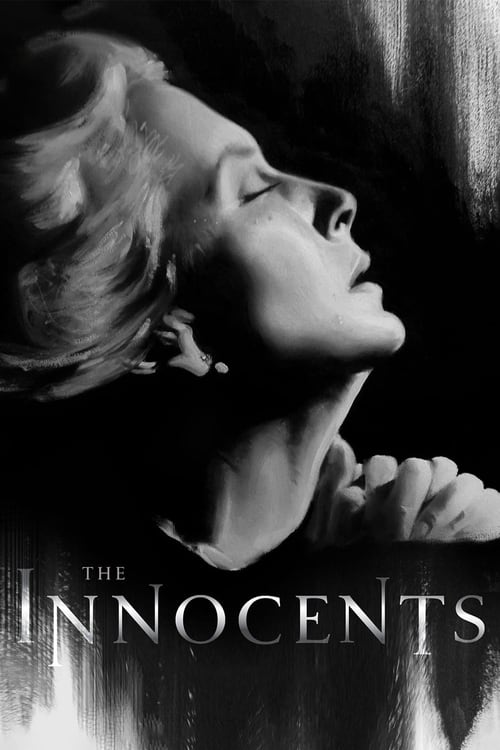 Schloss des Schreckens1961 · Komposition
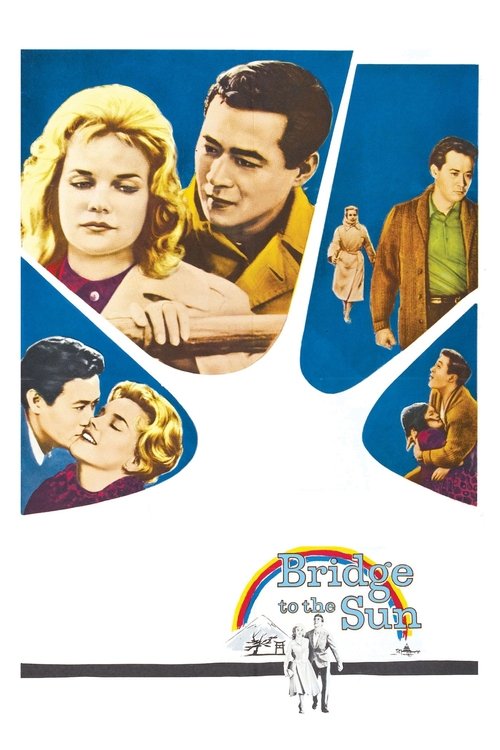 Lernt nochBridge to the Sun1961 · Komposition
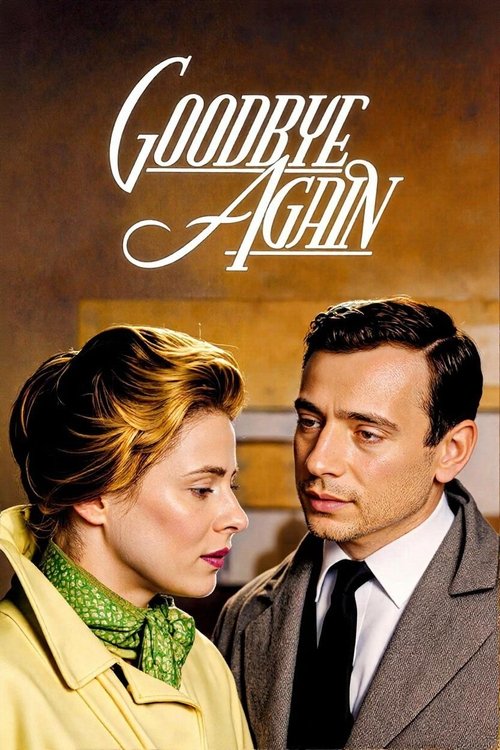 Lieben Sie Brahms?1961 · Komposition
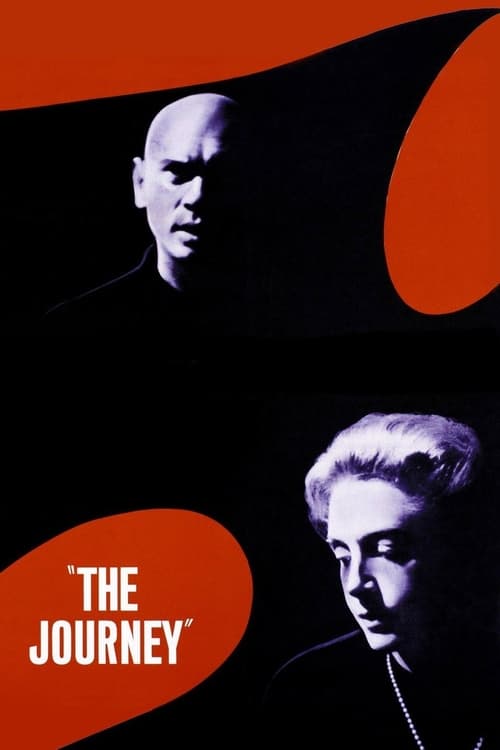 Die Reise1959 · Komposition
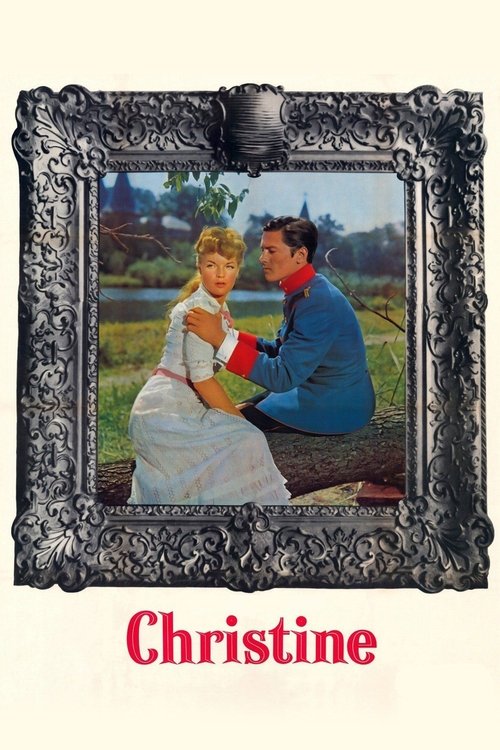 Christine1958 · Komposition
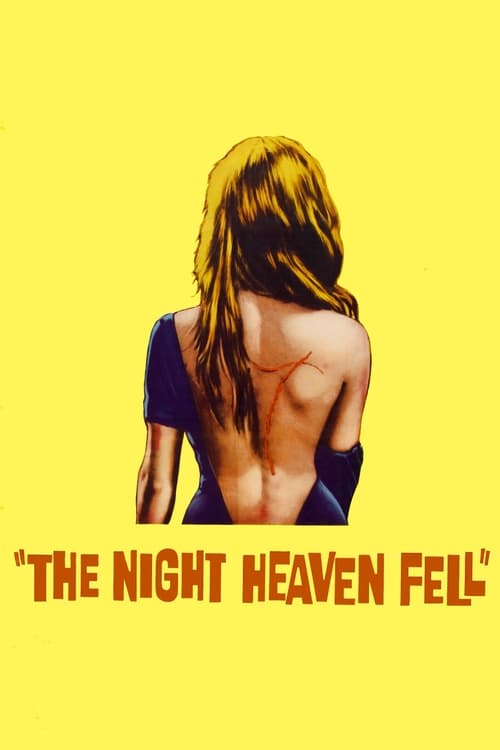 Lernt nochIn ihren Augen ist immer Nacht1958 · Komposition
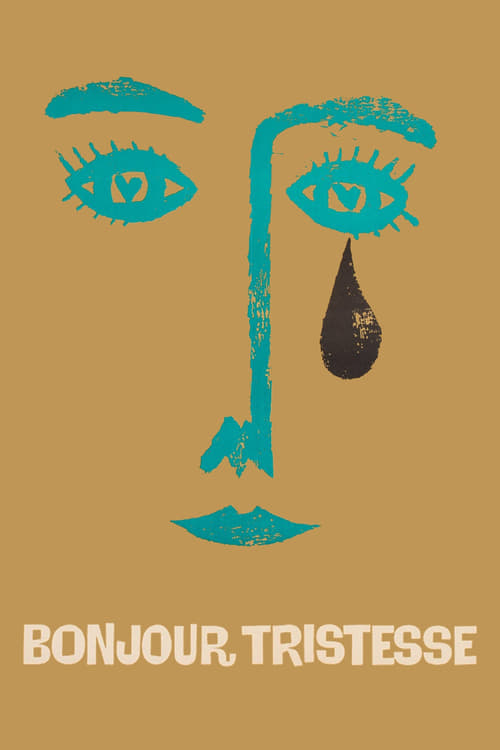 Bonjour Tristesse1958 · Komposition
 Lernt nochWalk Into Paradise1957 · Komposition
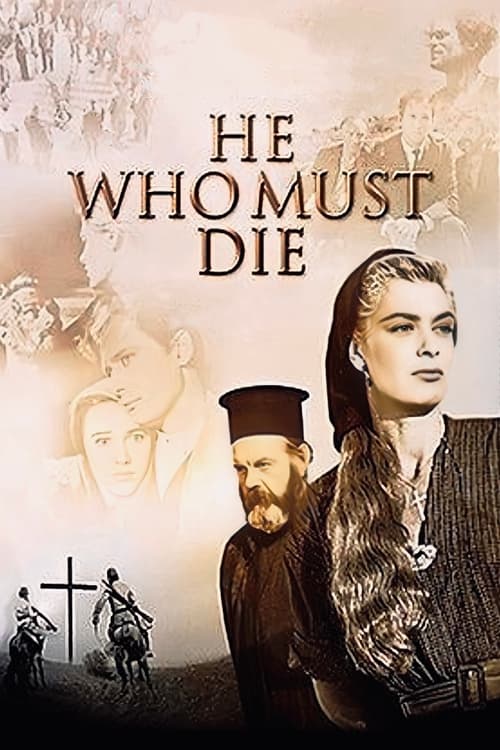 Lernt nochDer Mann, der sterben muß1957 · Komposition
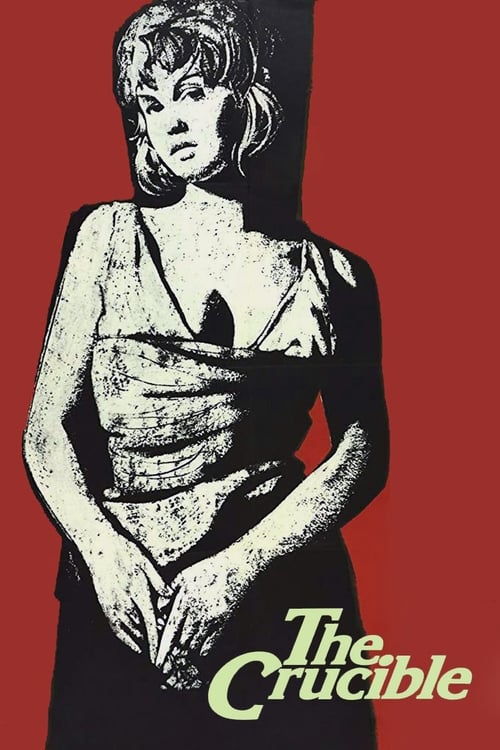 Lernt nochDie Hexen von Salem1957 · Komposition
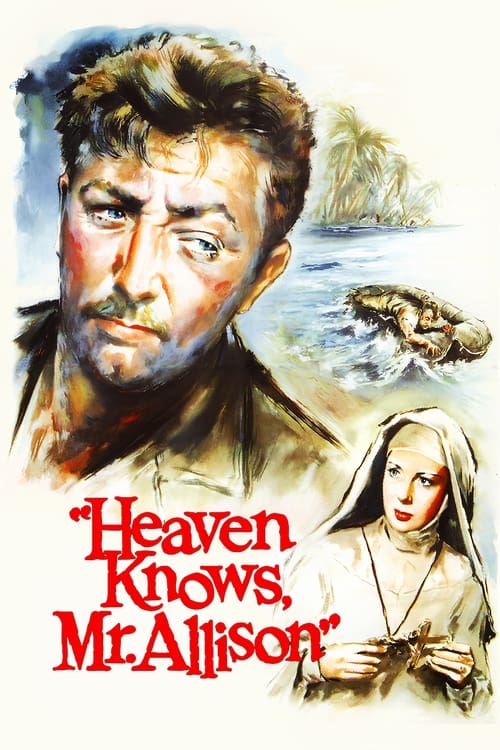 Lernt nochHeaven Knows, Mr. Allison1957 · Komposition
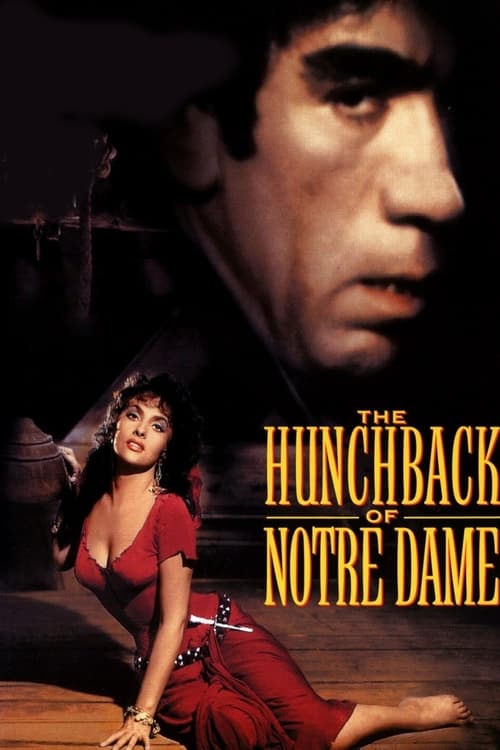 Der Glöckner von Notre Dame1956 · Komposition
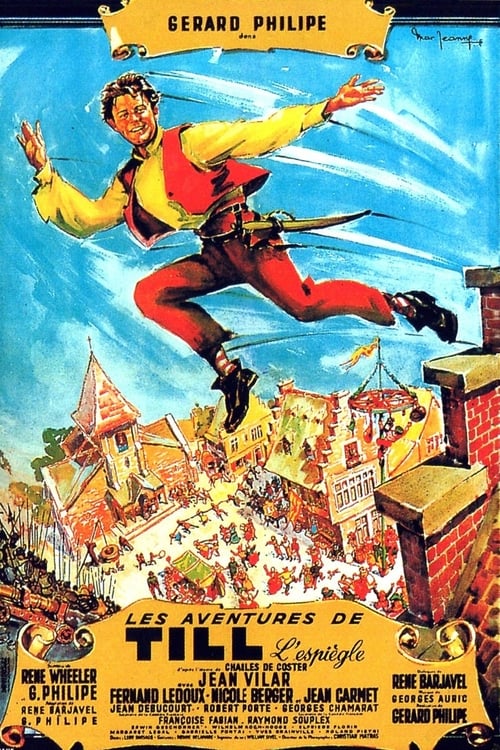 Lernt nochDie Abenteuer des Till Ulenspiegel1956 · Komposition
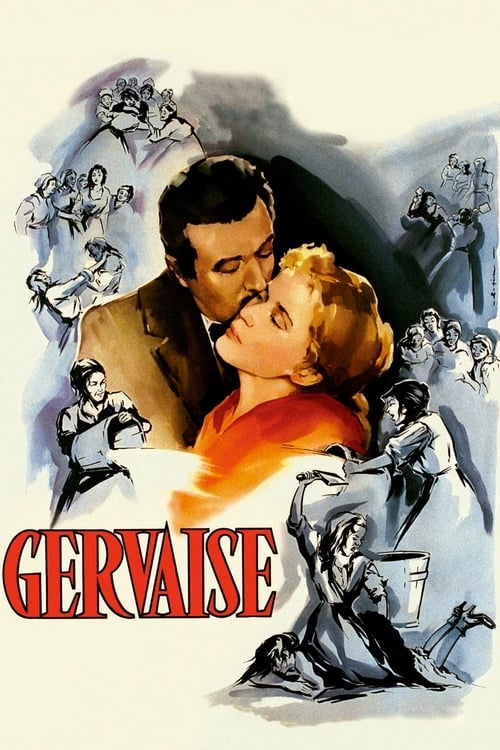 Lernt nochGervaise1956 · Komposition
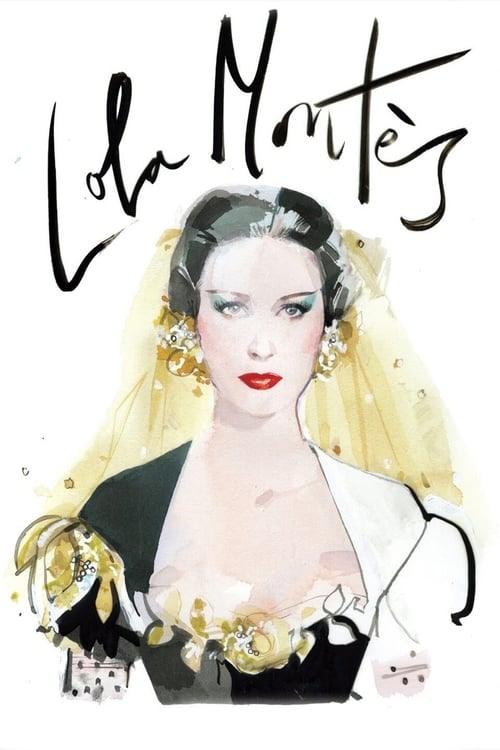 Lola Montez1955 · Komposition
 Rififi1955 · Komposition
- Abdulla the GreatLernt nochAbdulla the Great1955 · Komposition
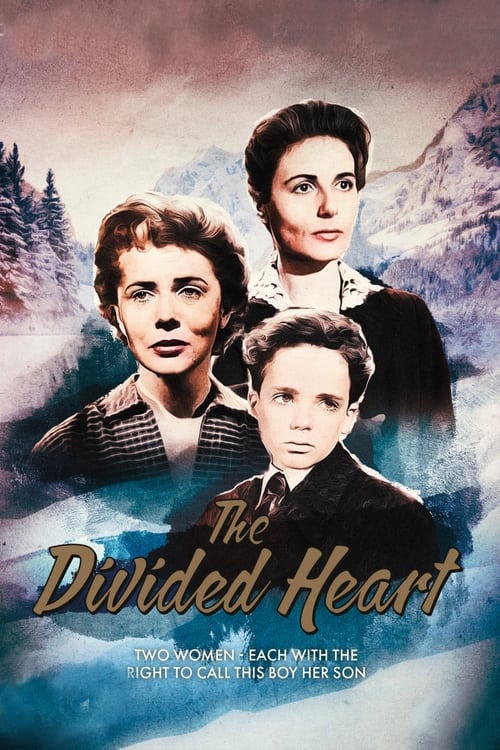 Lernt nochThe Divided Heart1954 · Komposition
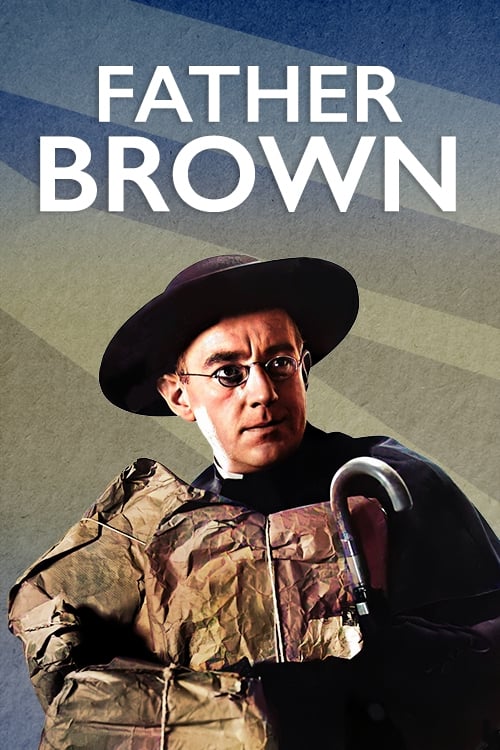 Lernt nochFather Brown1954 · Komposition
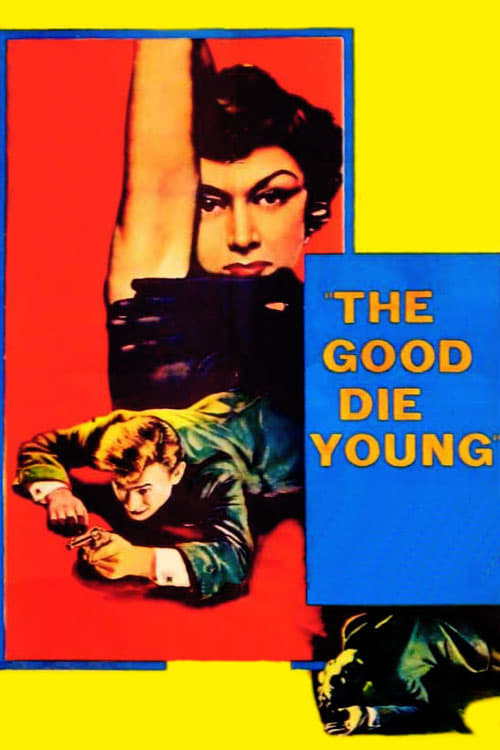 Lernt nochVier bleiben auf der Strecke1954 · Komposition
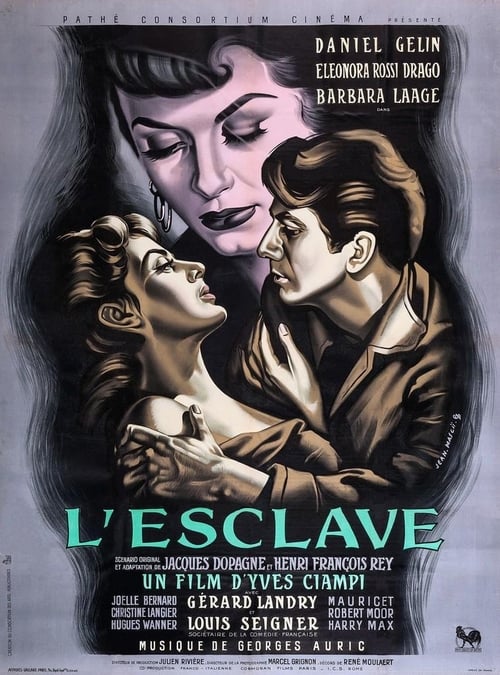 Lernt nochL'Esclave1953 · Komposition
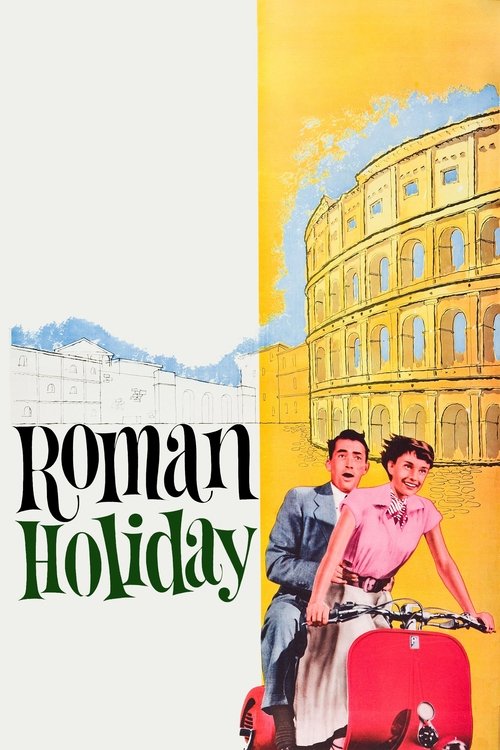 Ein Herz und eine Krone1953 · Komposition
 Lohn der Angst1953 · Komposition
 Lernt nochTitfield-Expreß1953 · Komposition
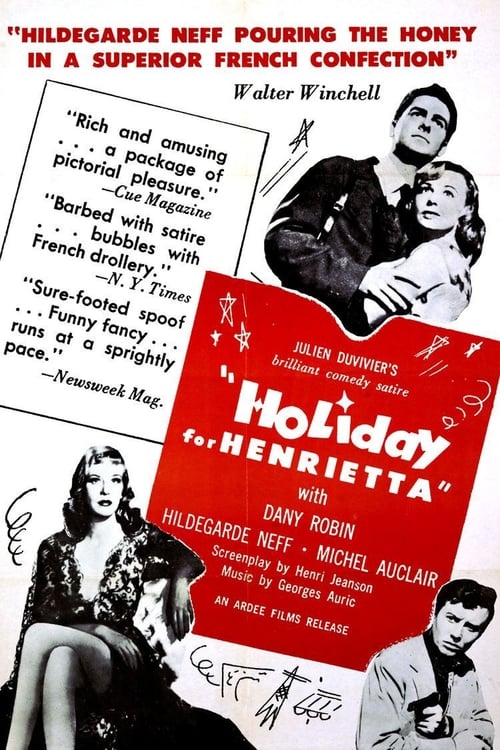 Lernt nochAuf den Straßen von Paris1952 · Komposition
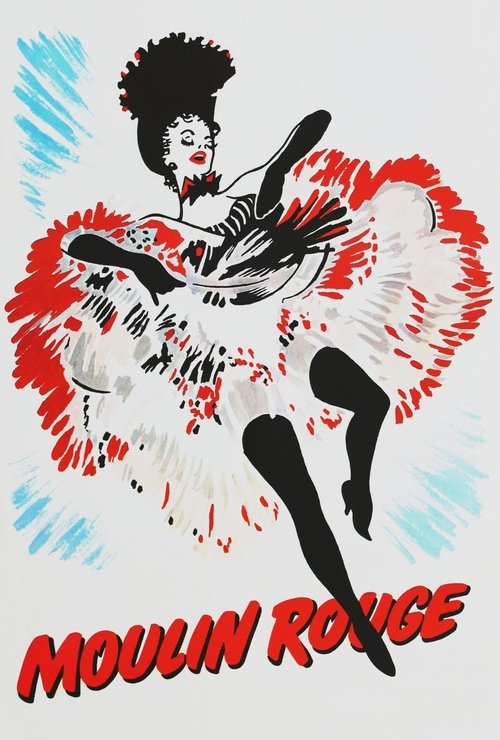 Lernt nochMoulin Rouge1952 · Komposition
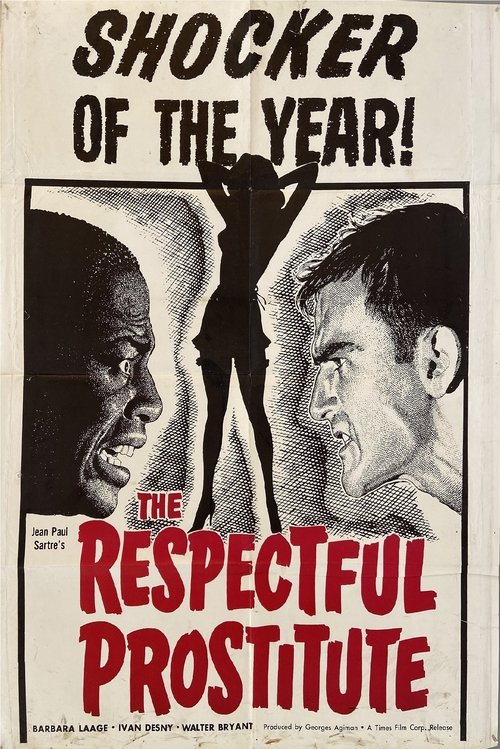 Lernt nochLa P..... respectueuse1952 · Komposition
 Lernt nochEinmal Millionär sein1951 · Komposition
 Lernt nochThe Galloping Major1951 · Komposition
 Lernt nochCage of Gold1950 · Komposition
 Orpheus1950 · Komposition
 Lernt nochMaya1949 · Komposition
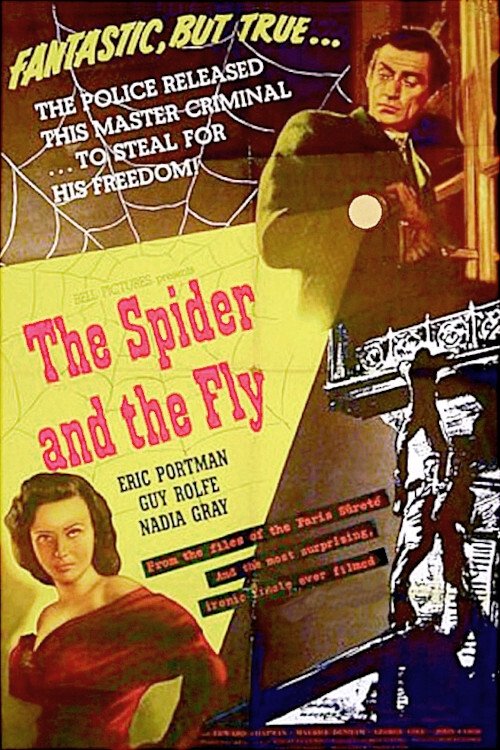 Lernt nochDer Meisterdieb von Paris1949 · Komposition
 Lernt nochPassport to Pimlico1949 · Komposition
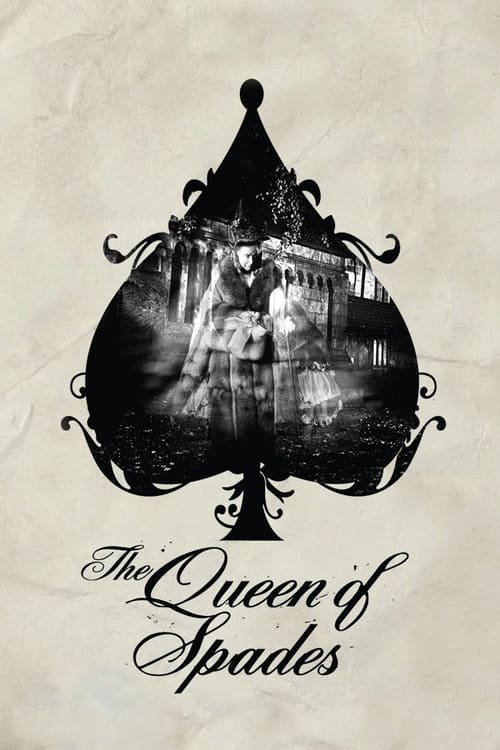 Lernt nochThe Queen of Spades1949 · Komposition
 Lernt nochSilent Dust1949 · Komposition
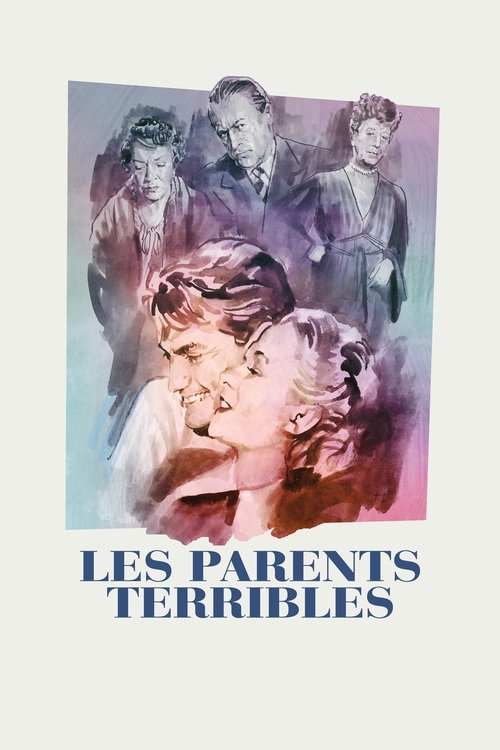 Lernt nochDie schrecklichen Eltern1948 · Komposition
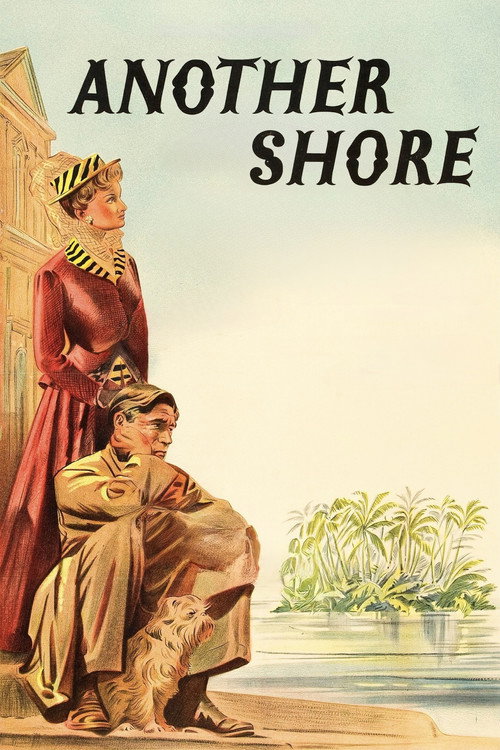 Lernt nochAnother Shore1948 · Komposition
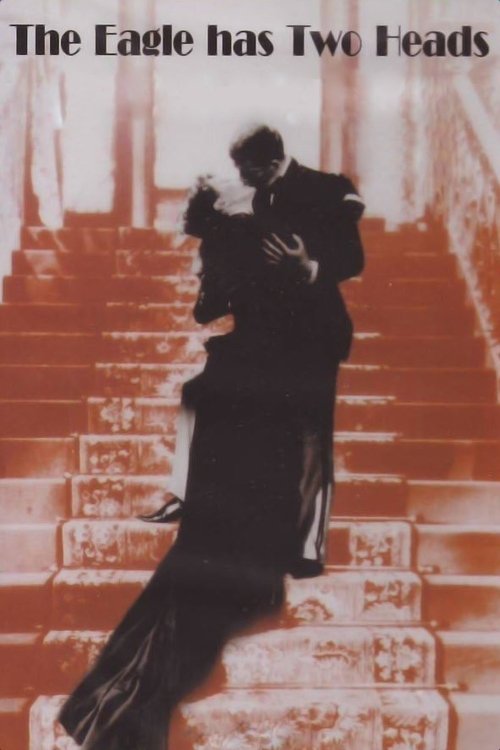 Lernt nochDer Doppeladler1948 · Komposition
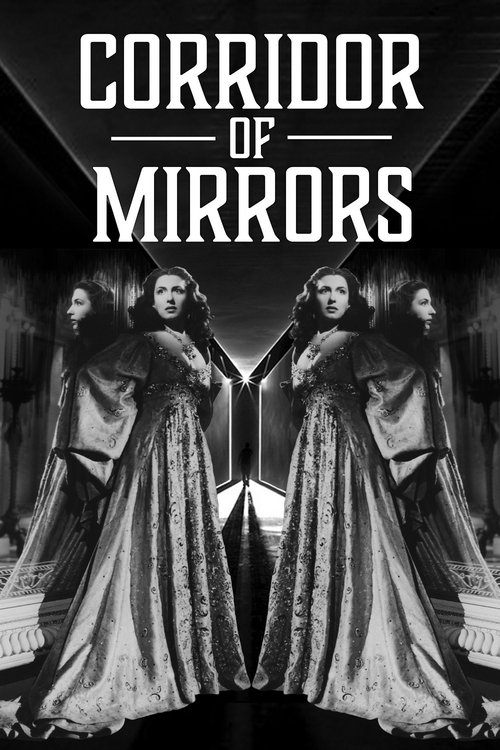 Lernt nochCorridor of Mirrors1948 · Komposition
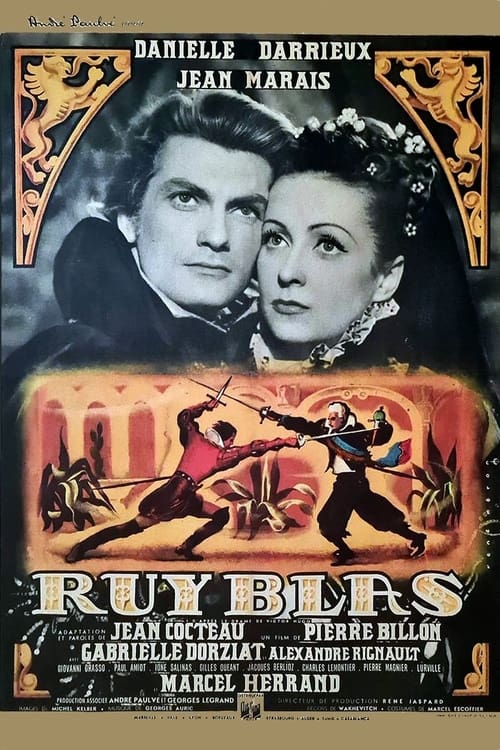 Lernt nochRuy Blas – der Geliebte der Königin1948 · Komposition
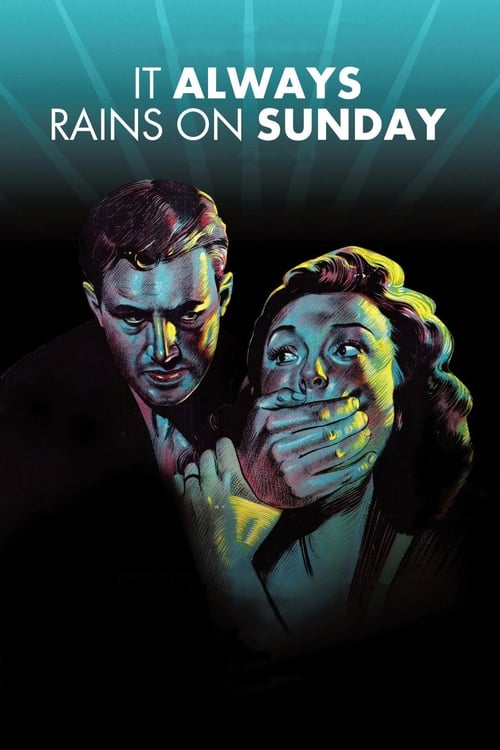 Lernt nochFlucht vor Scotland Yard1947 · Komposition
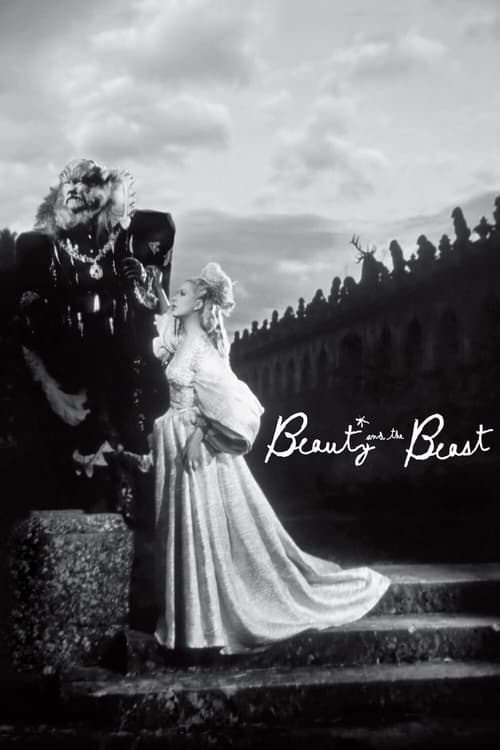 Die Schöne und die Bestie1946 · Komposition
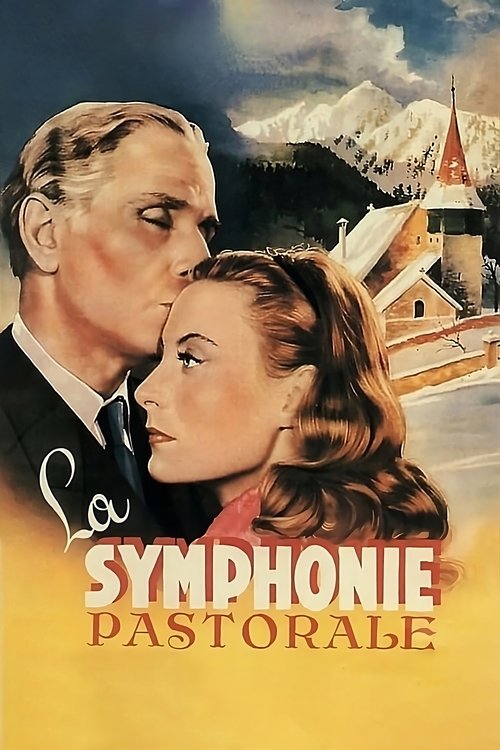 Lernt nochUnd es ward Licht1946 · Komposition
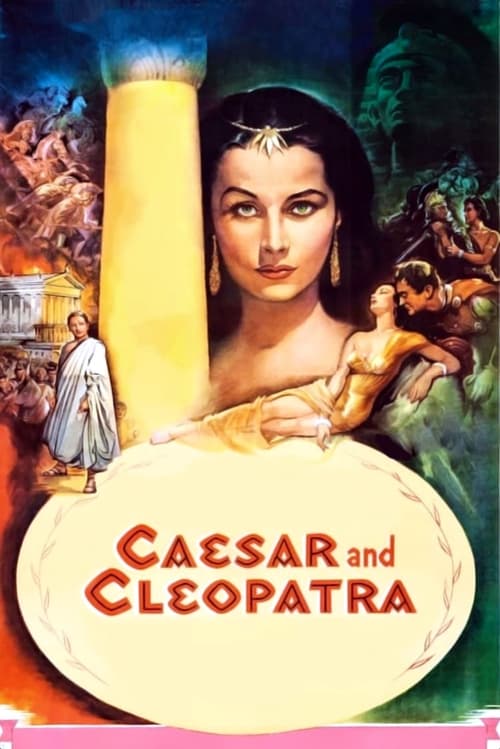 Lernt nochCaesar und Cleopatra1945 · Komposition
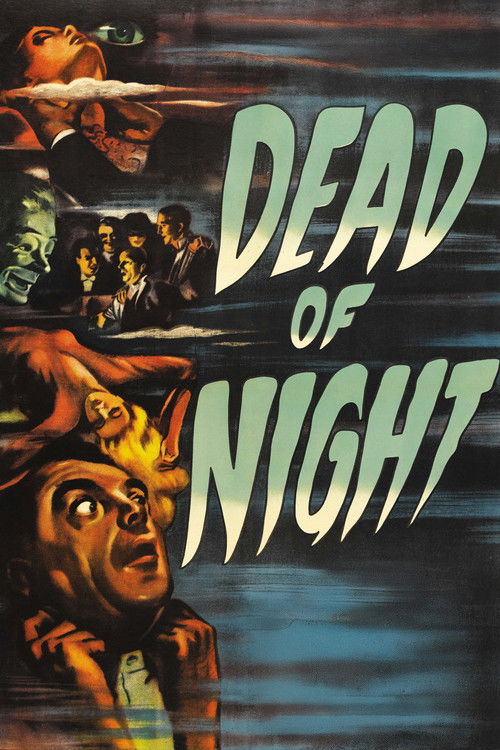 Traum ohne Ende1945 · Komposition
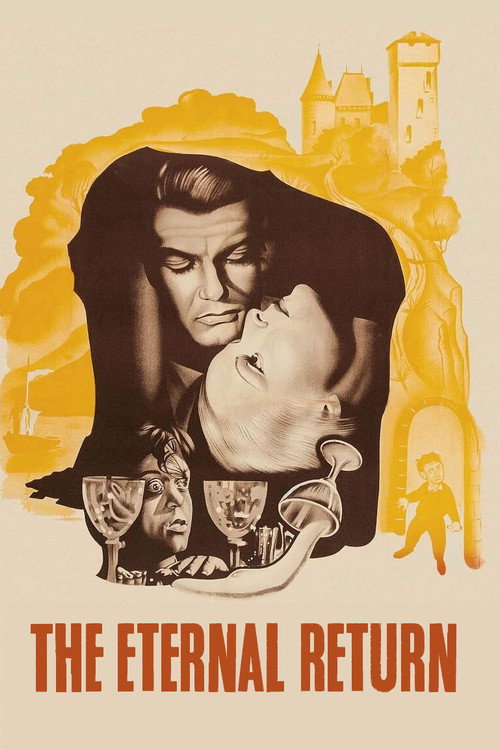 Der ewige Bann1943 · Komposition
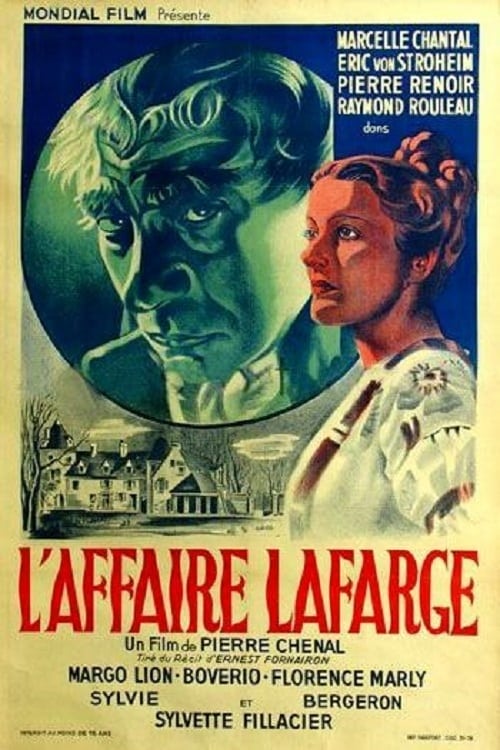 Lernt nochL'Affaire Lafarge1938 · Komposition
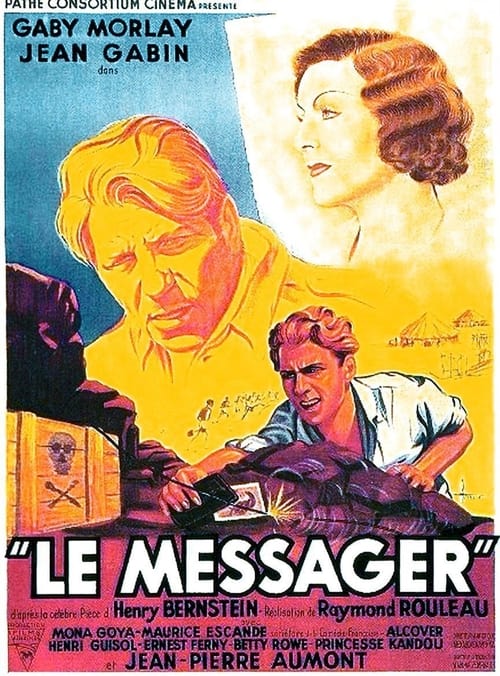 Lernt nochLe Messager1937 · Komposition
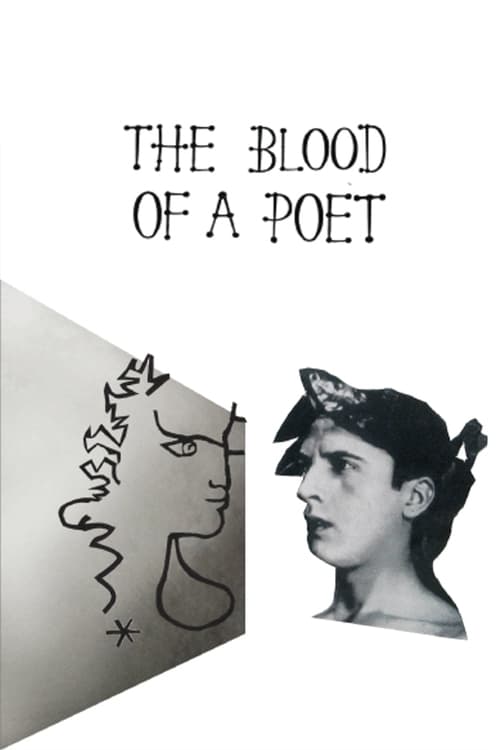 Lernt nochLe Sang d'un poète1932 · Komposition
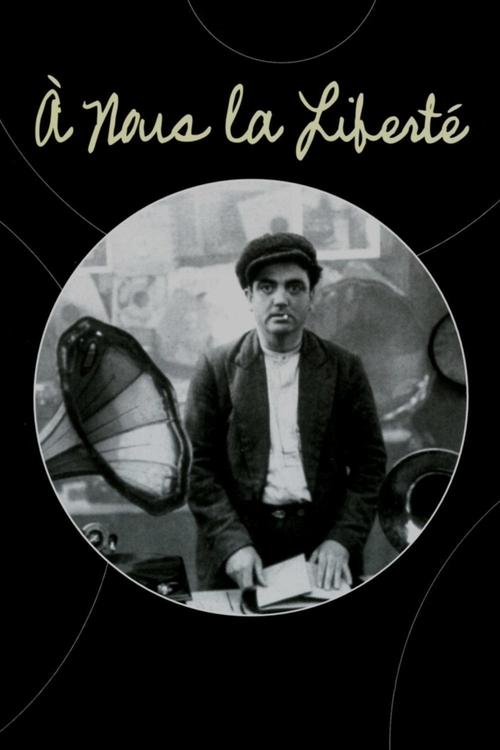 Lernt nochEs lebe die Freiheit1931 · Komposition